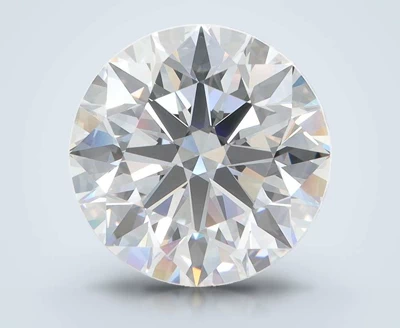
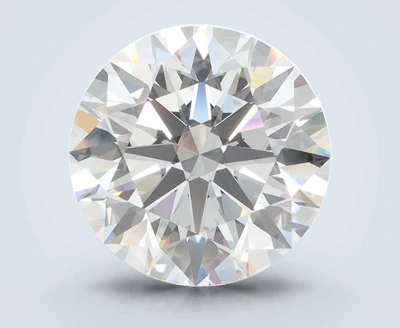
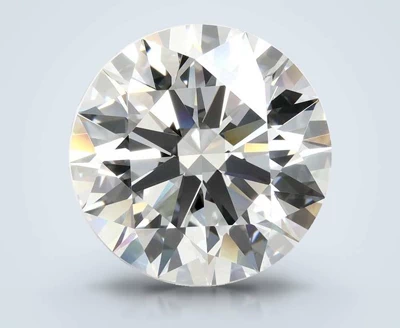
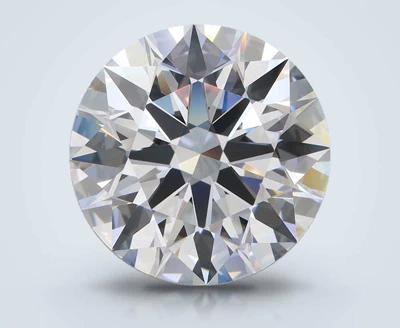
What a large stone asks of its grades
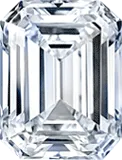
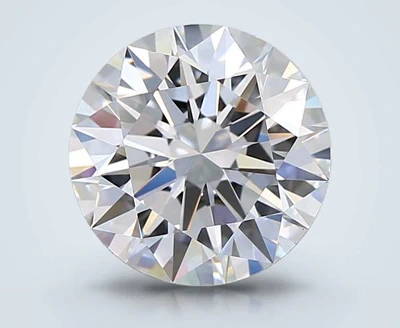
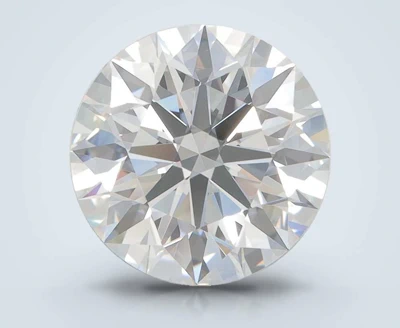
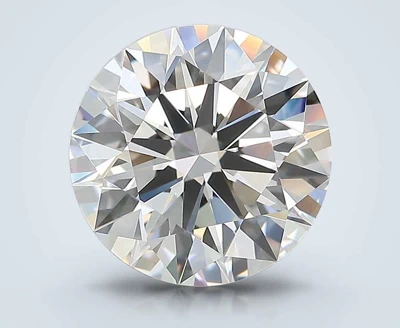
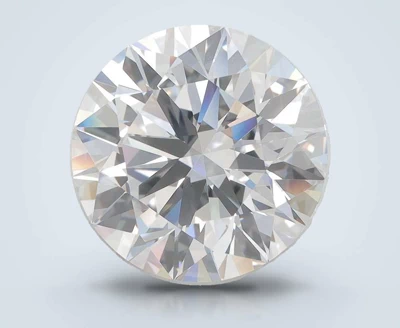
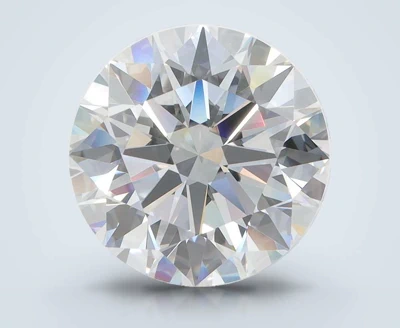
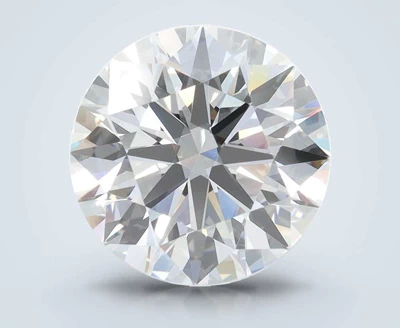
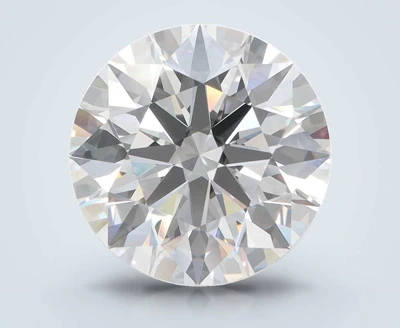
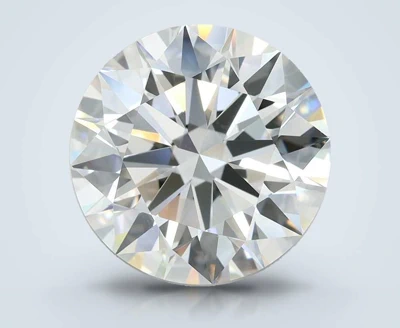
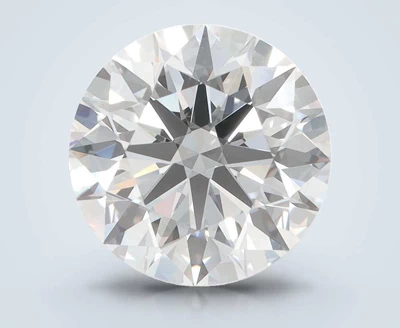
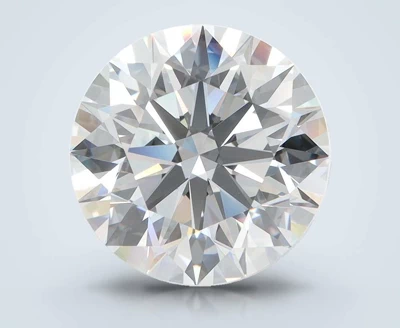
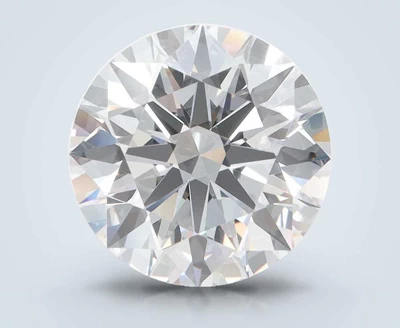
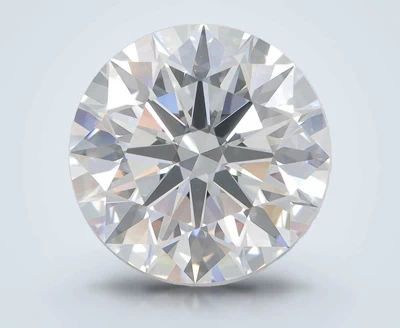
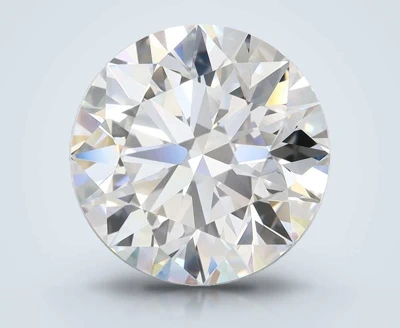
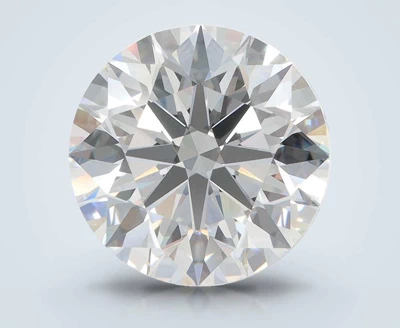
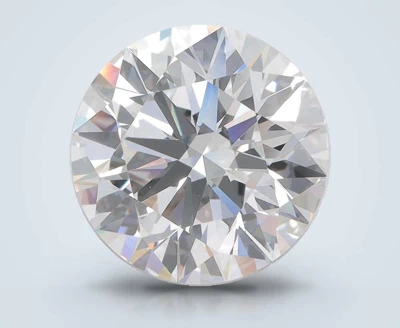
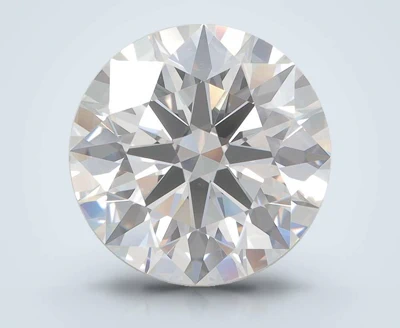
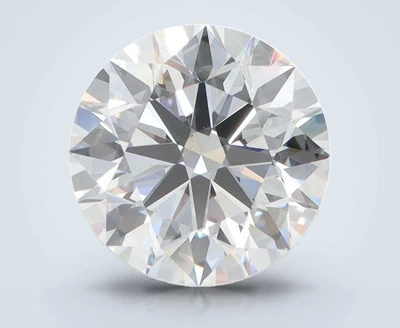
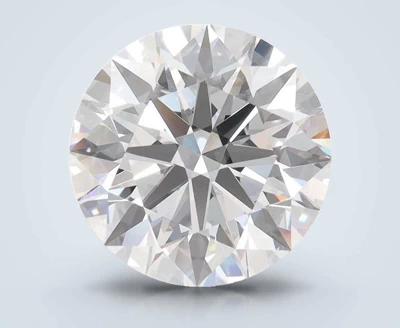
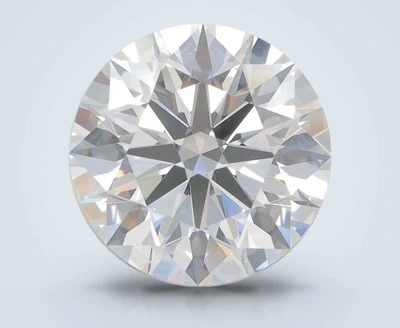
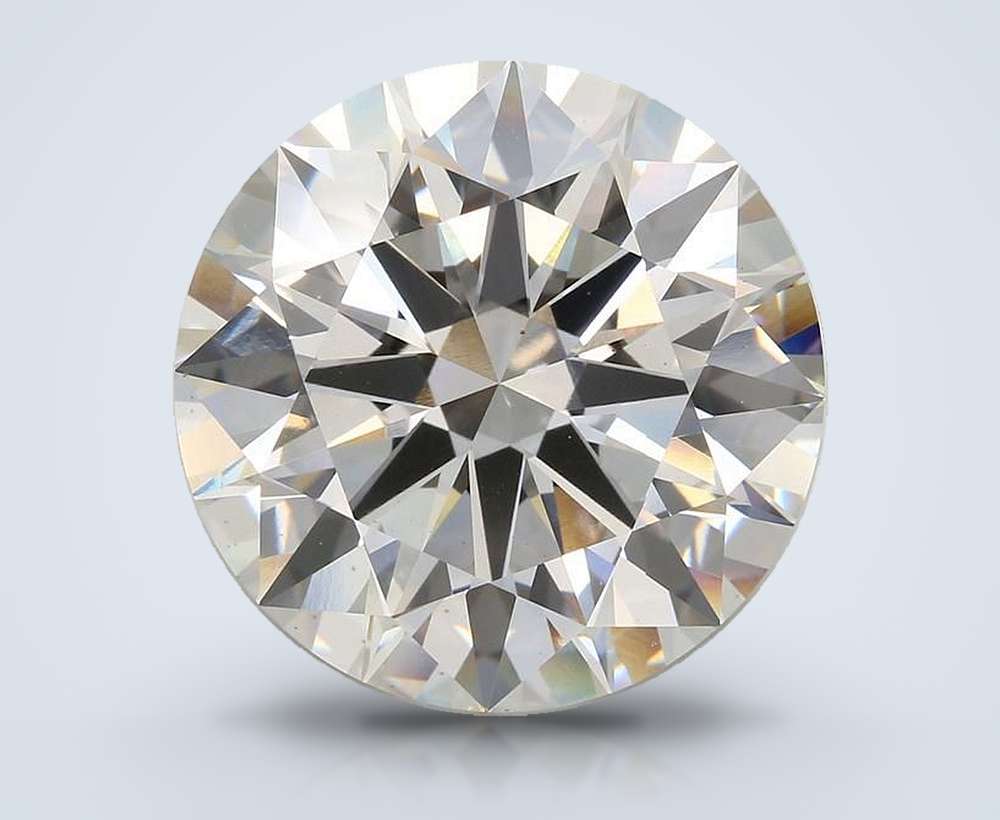
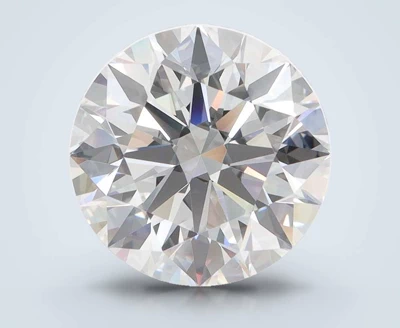
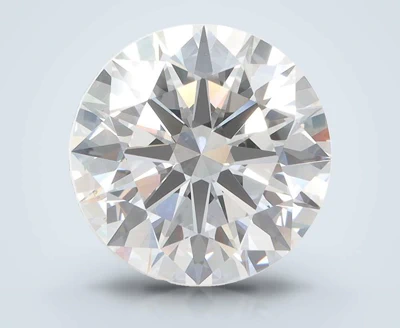
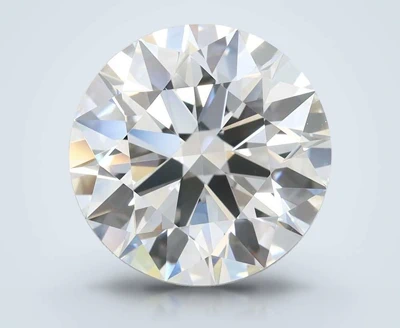
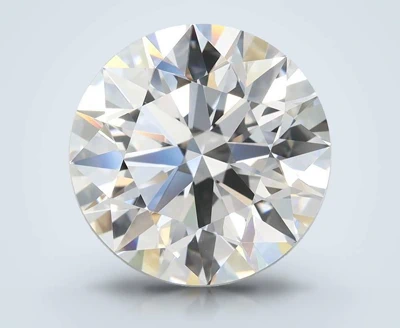
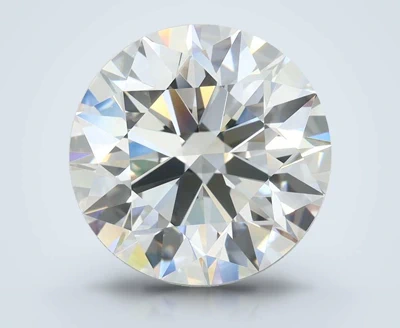
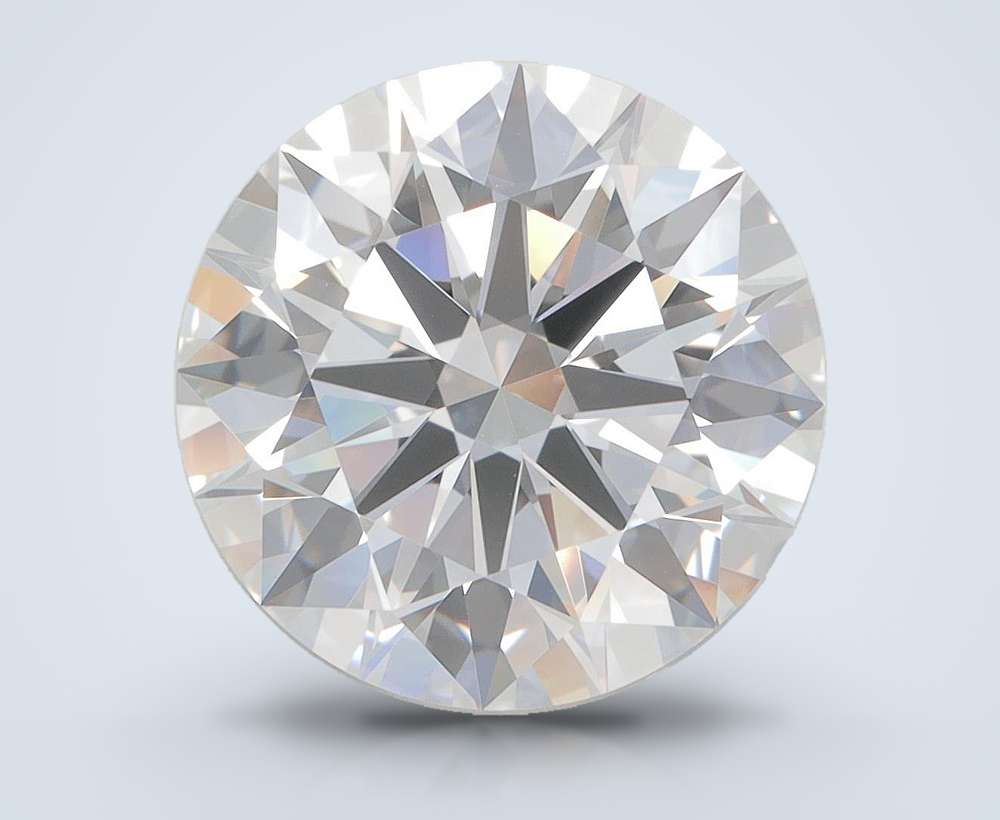
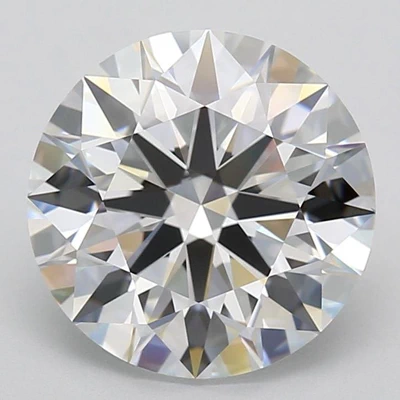
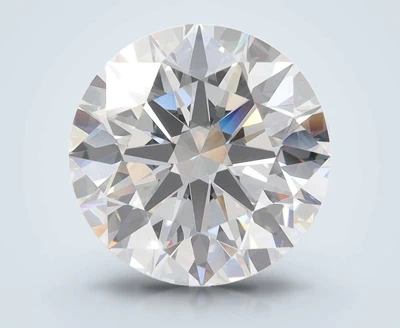
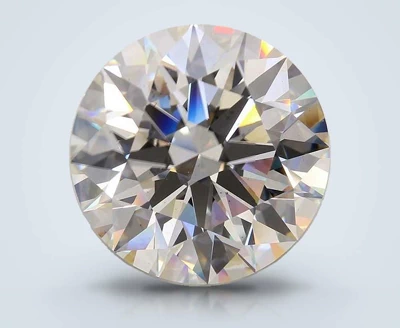
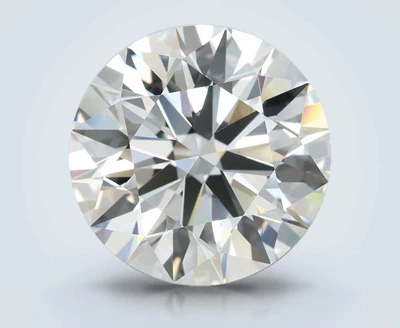
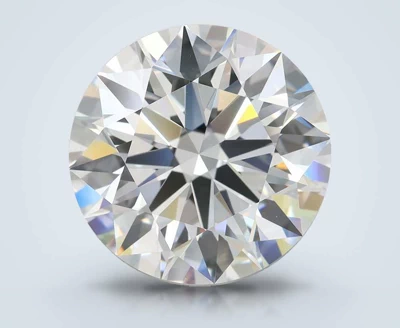
Grades that pass quietly in a small diamond get louder in a big one. In white gold or platinum, warmth shows more readily in a stone this size, which argues for colorless or the very top of near colorless; yellow and rose gold give more room. A broad table is also a broad window, so confirm on video at full size that nothing catches your eye, and hold emerald and asscher cuts to VS1 or VS2. Cut still leads, because a big stone with weak proportions simply shows a bigger dull area. Lab grown stones like these usually come with an IGI report; read the measurements and the cut grade there, then hold them against the video, because at five figures you want the paper and the picture to agree before you commit.
Weight on the hand and a secure setting
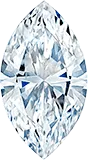
Heavier diamonds have real weight and height, and that changes how a ring sits and wears. Six prongs or a bezel hold it more firmly than four prongs, and pears and marquises need V prongs at their points. Think about the band too: a sturdier shank supports a heavy center better than a very fine one, and the ring size matters more, since a band that is too loose lets the stone tip toward one side of the finger. Rare Carat sends a complimentary ring sizer so you can confirm the size at home before you order. If you want the most protection, start with bezel ring settings, which wrap the whole edge in metal.
Metal that suits a heavy center
Platinum is a natural partner for a white center of this size: it is naturally white, dense and heavy, hypoallergenic for most people, and it develops a soft patina rather than losing metal when scratched. If you prefer gold, 14K is harder and more scratch resistant than 18K, which matters for prongs holding a big stone, while 18K offers a richer color. Yellow and rose gold also hide a warmer stone well, which can widen your color choices.
Buying lab grown diamonds over $10,000 with care
At this spend the logistics matter too. Rare Carat sends every order with free insured shipping, and returns are free within 30 days, which gives you time to see the diamond in daylight and on the hand before you commit. Keep in mind that lab grown resale value is low, so buy a stone you mean to keep. If a five figure floor feels high, a lower minimum brings more lab created diamonds into view.