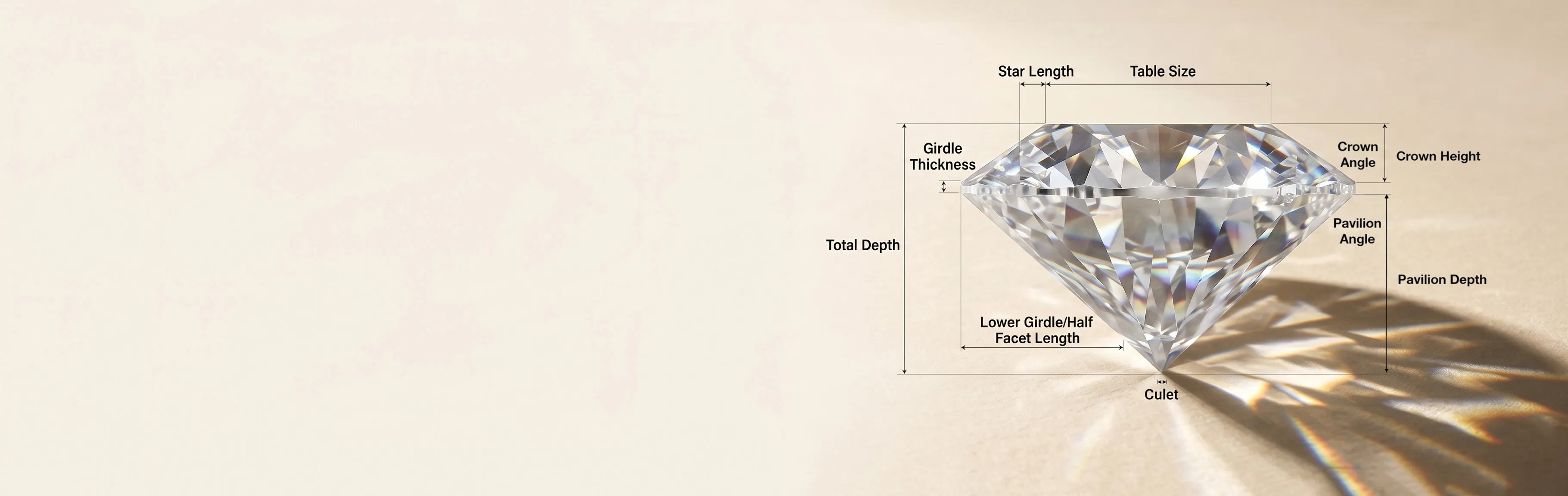
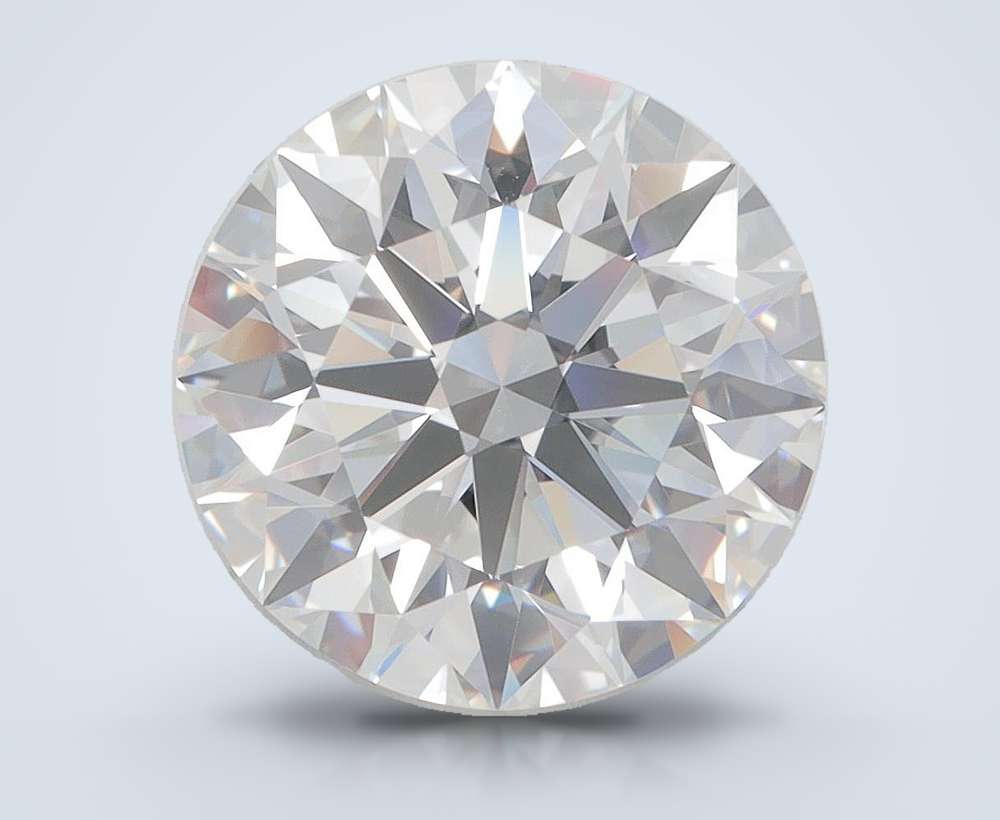
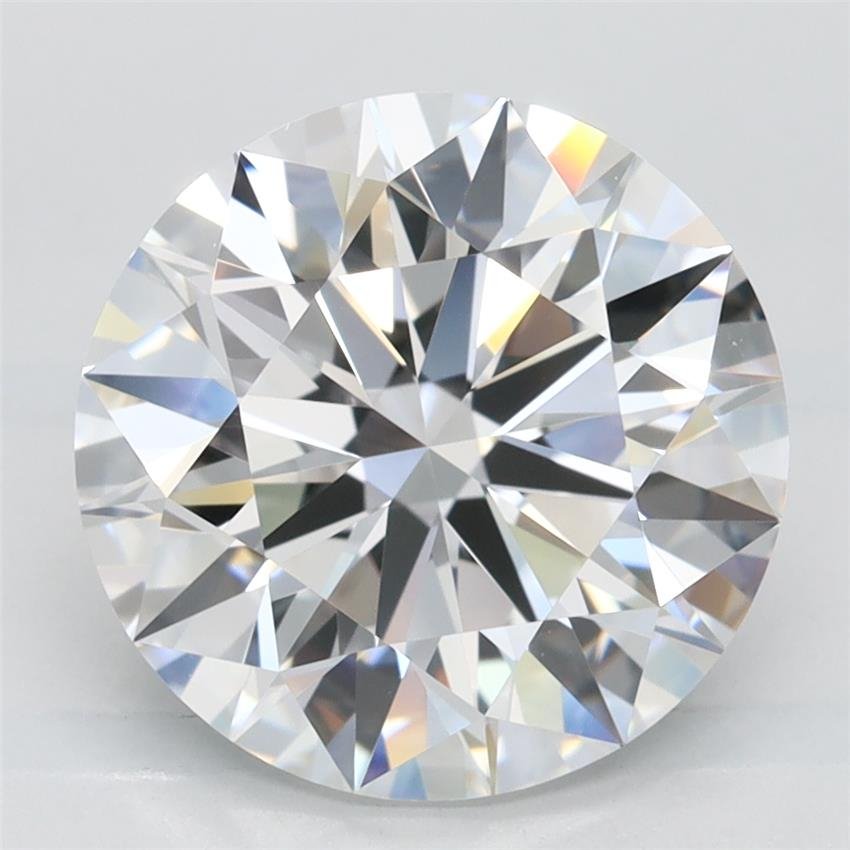
Millimeters tell you more than carats
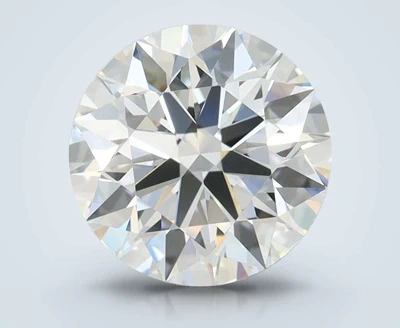
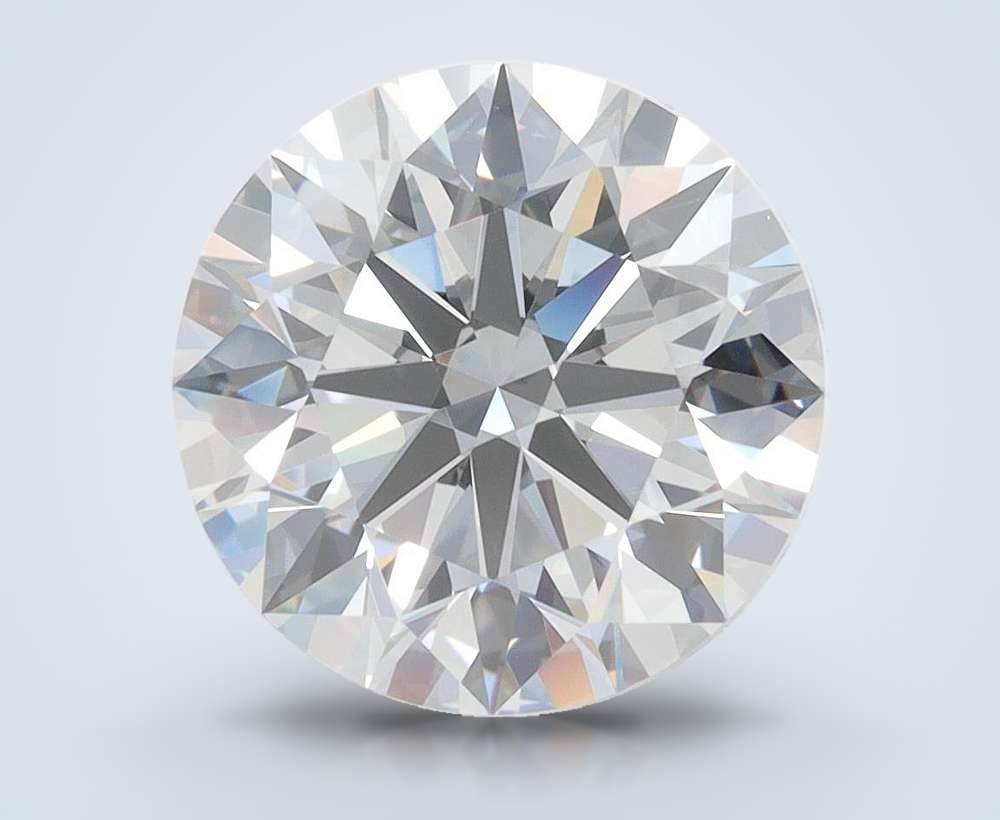
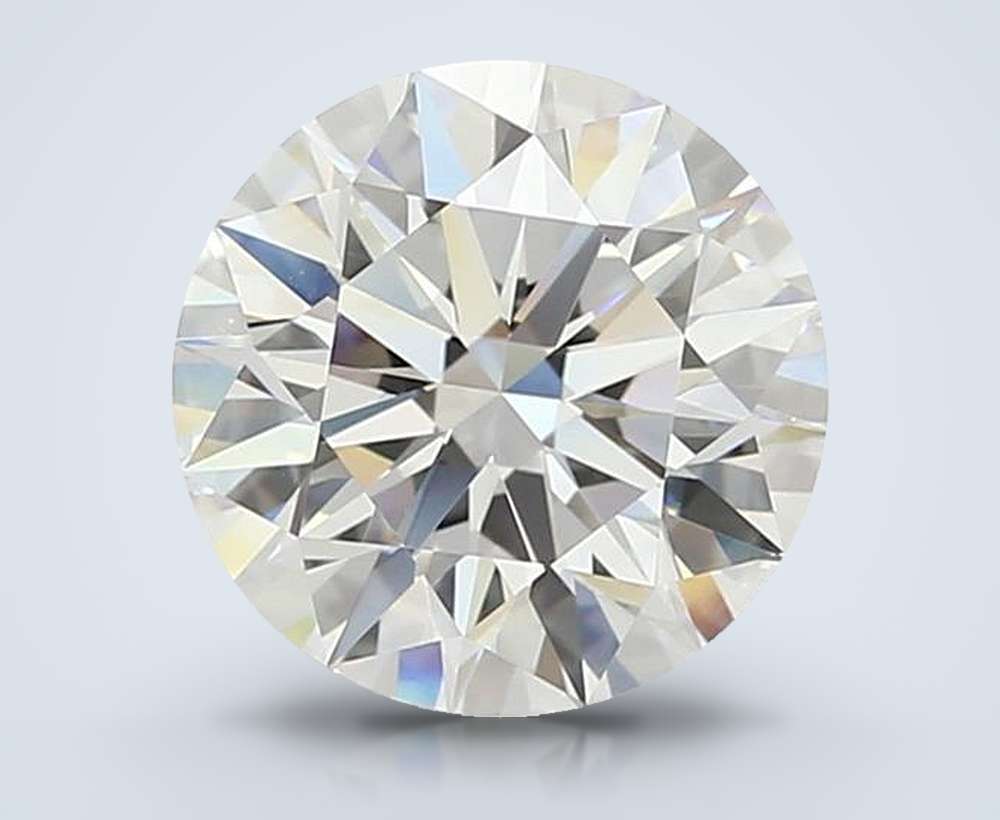
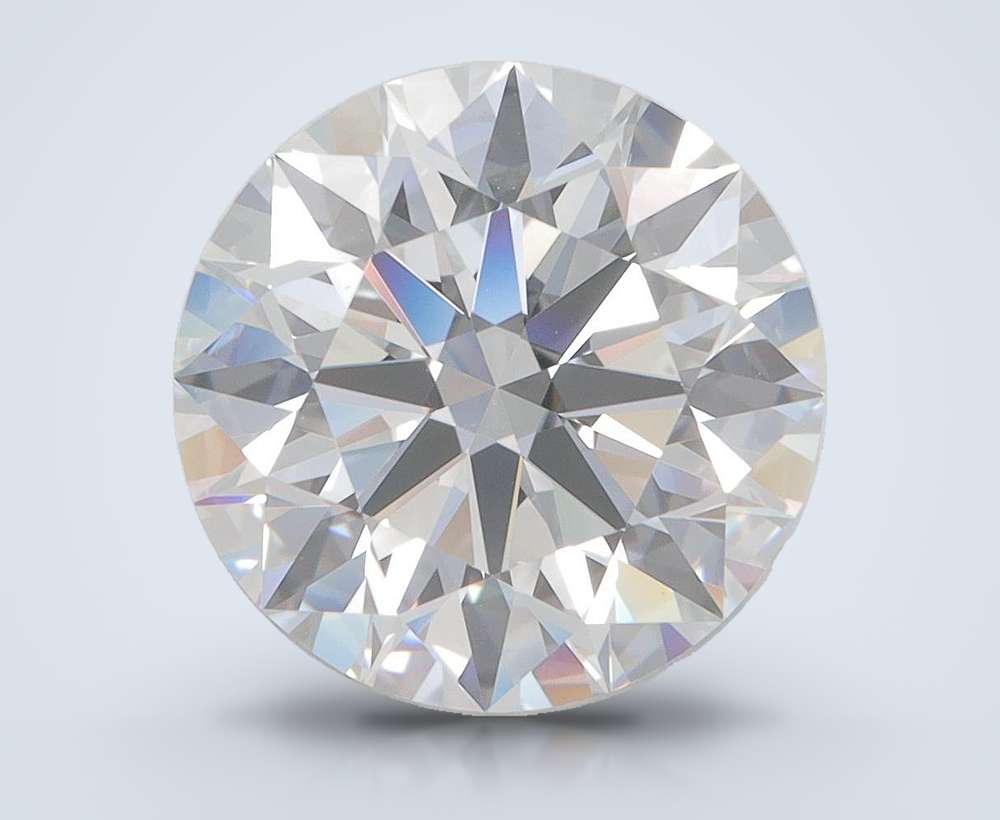
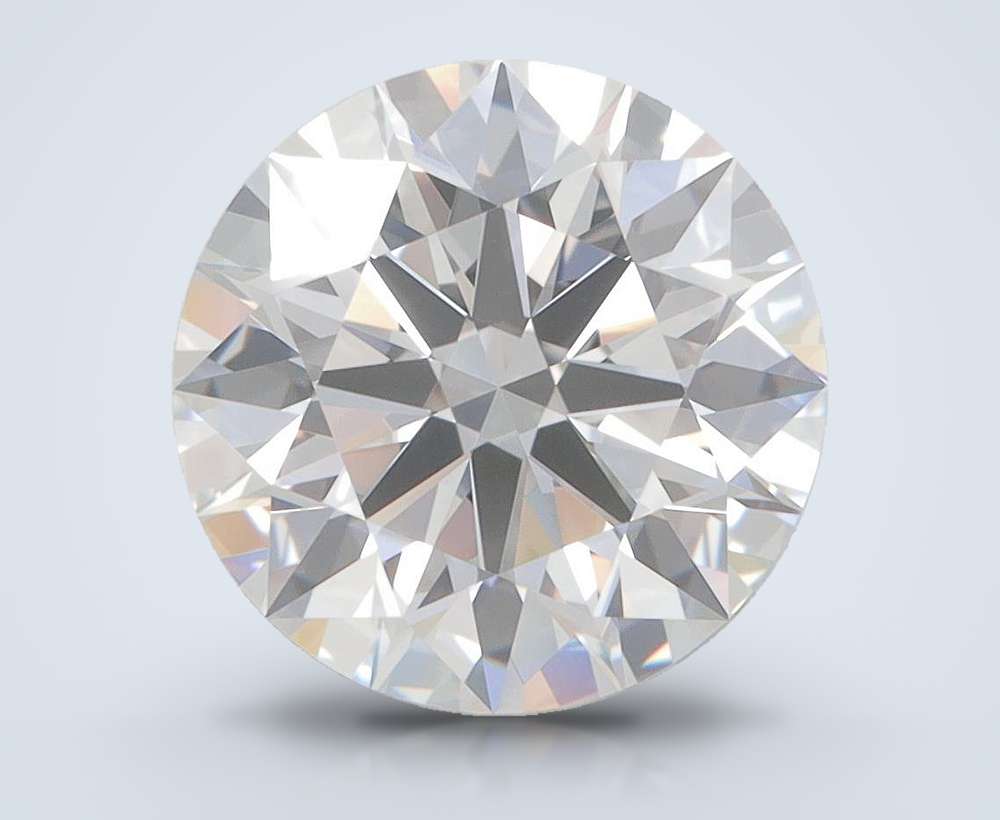
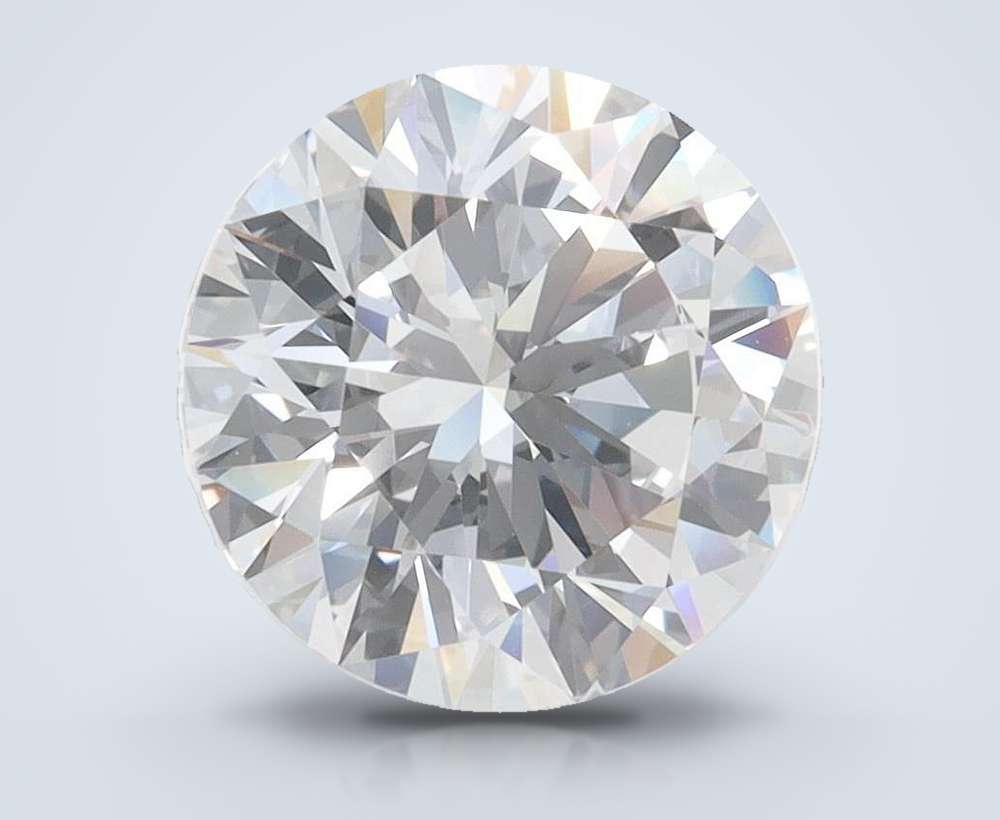
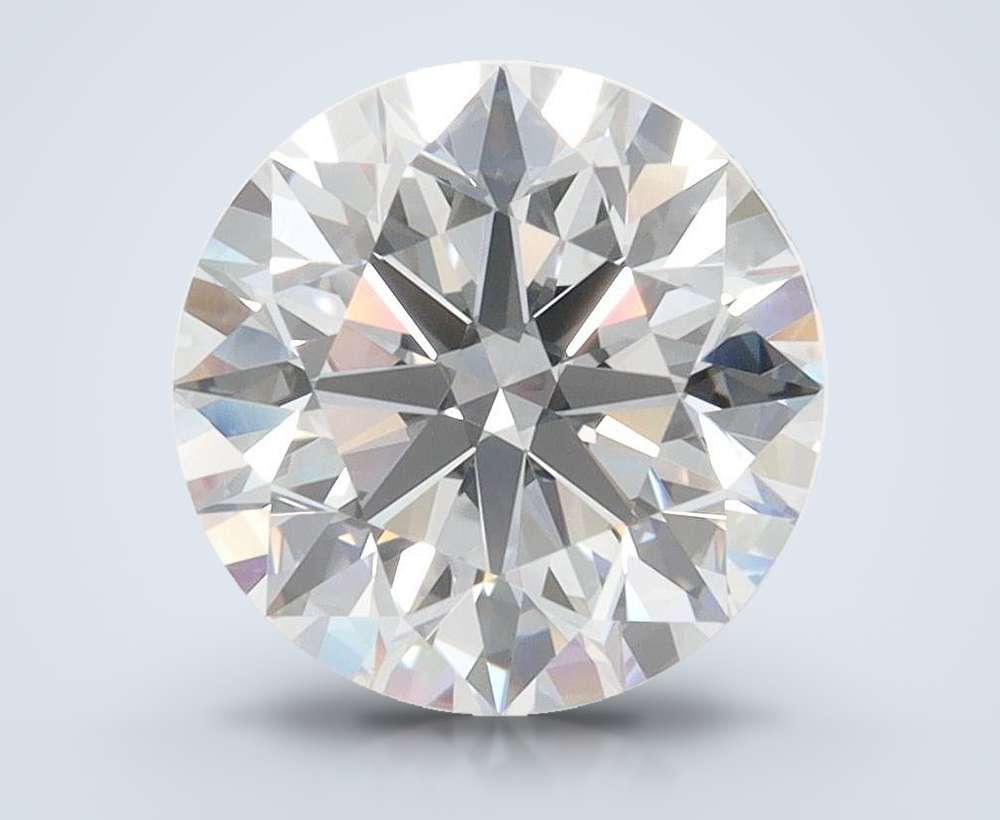
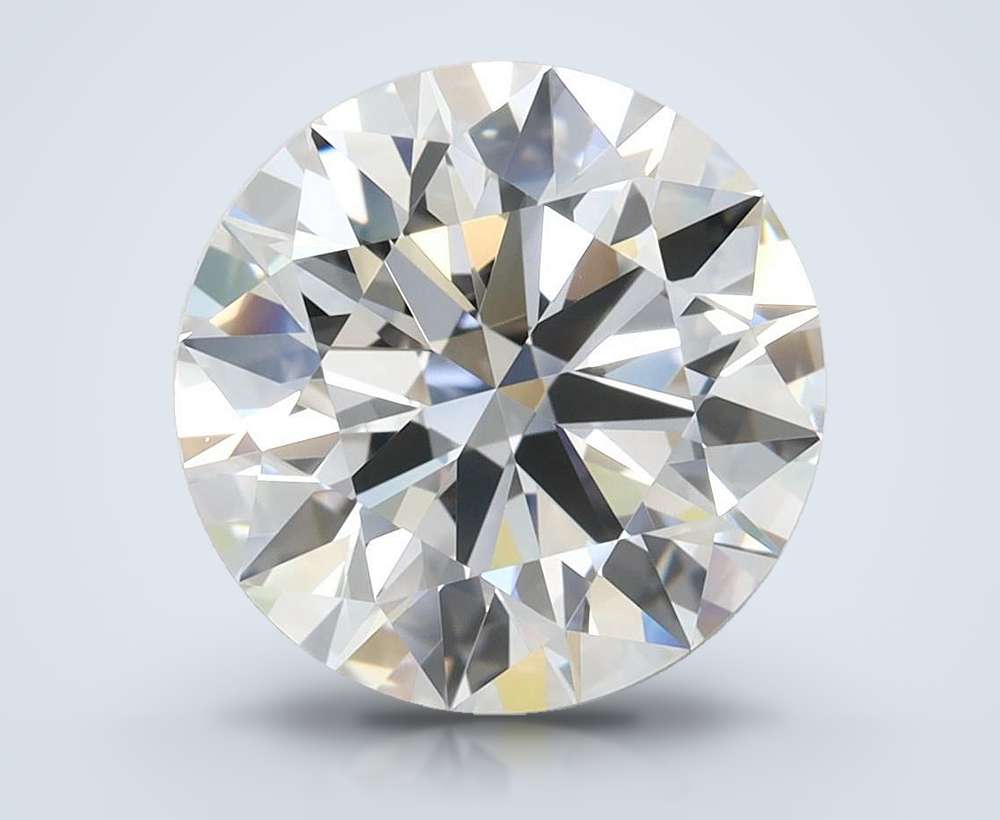
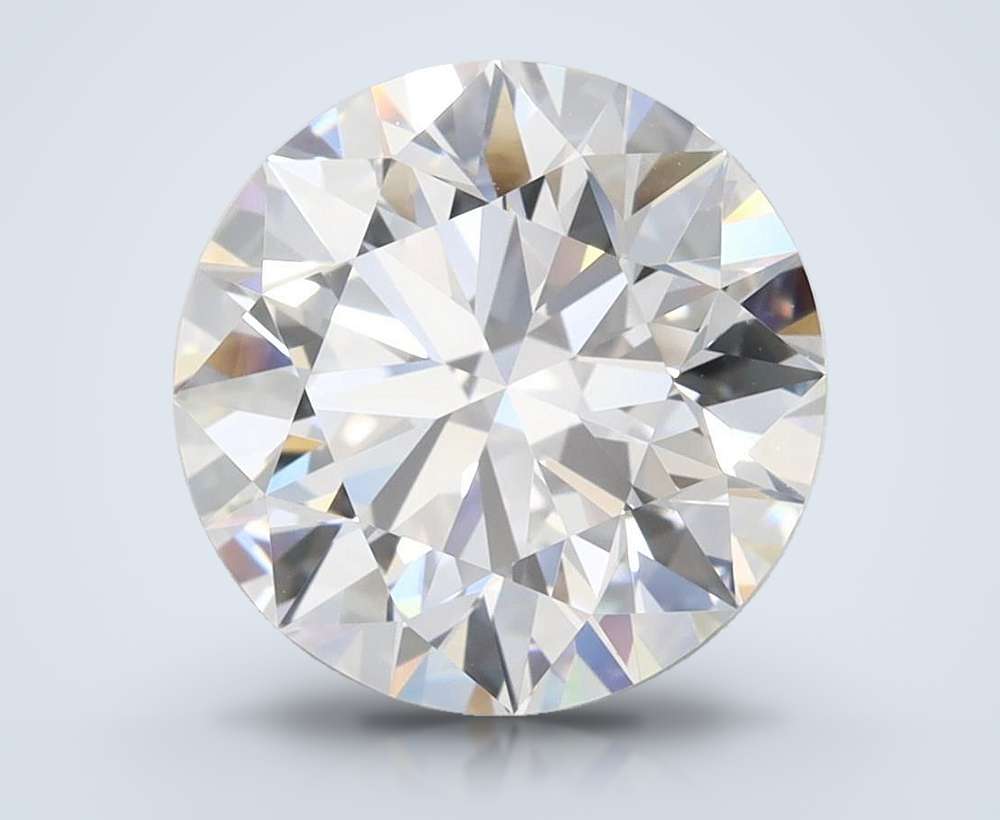
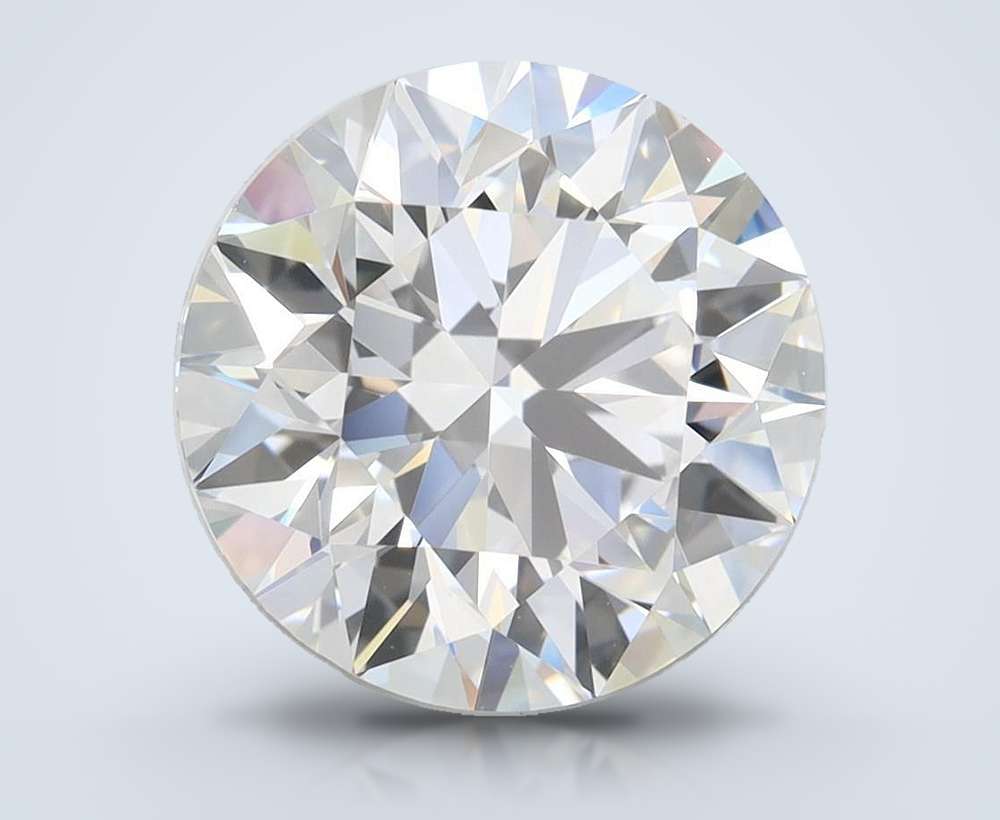
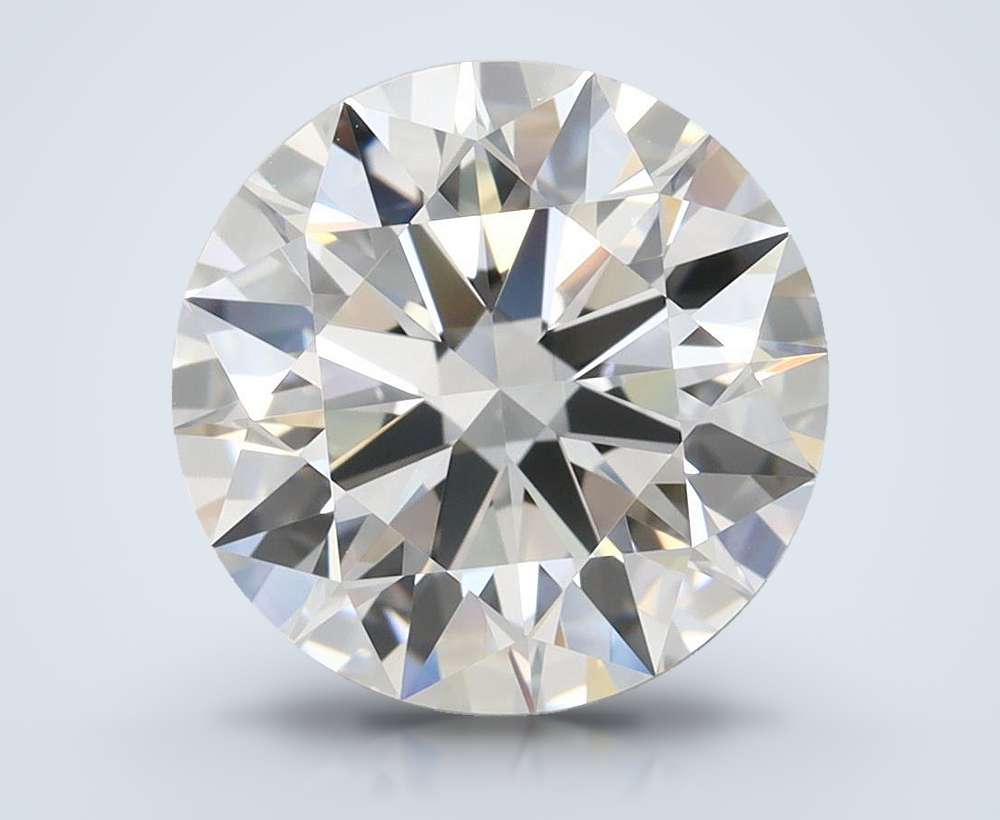
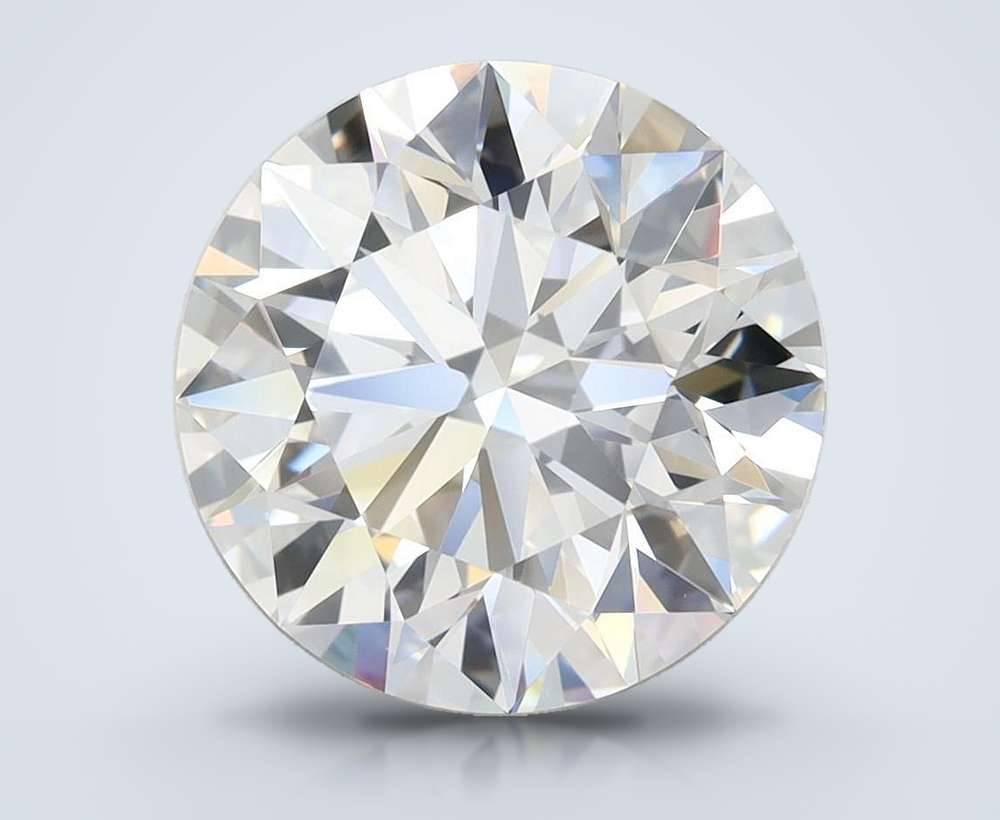
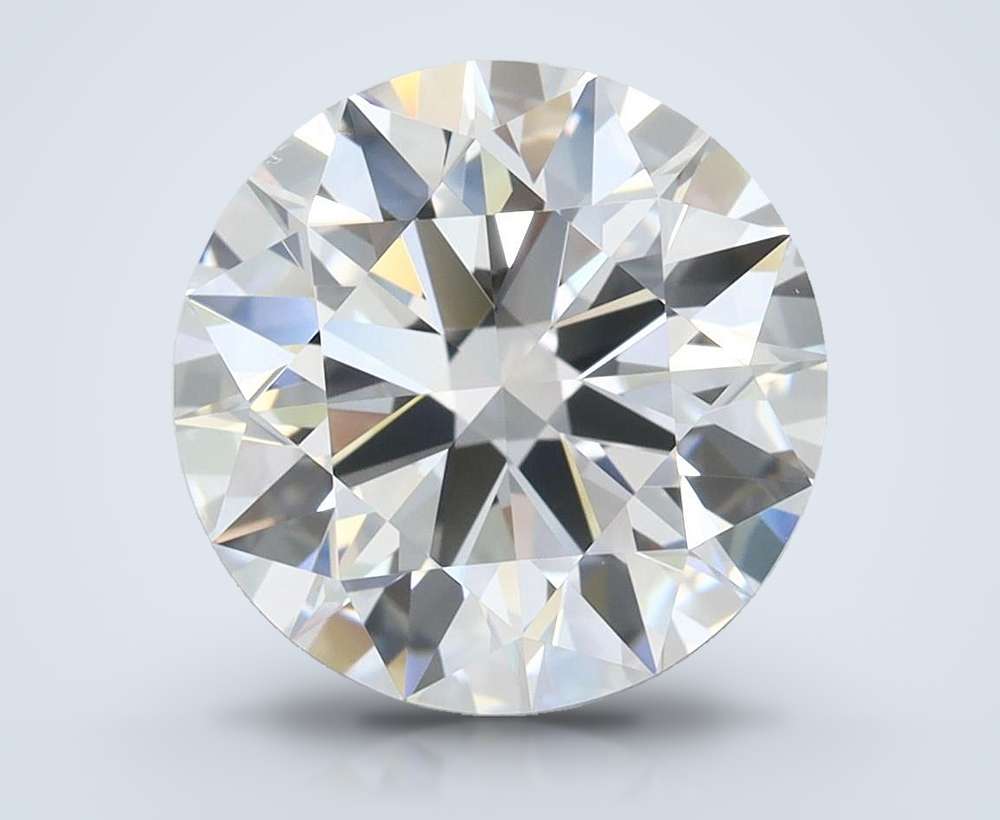
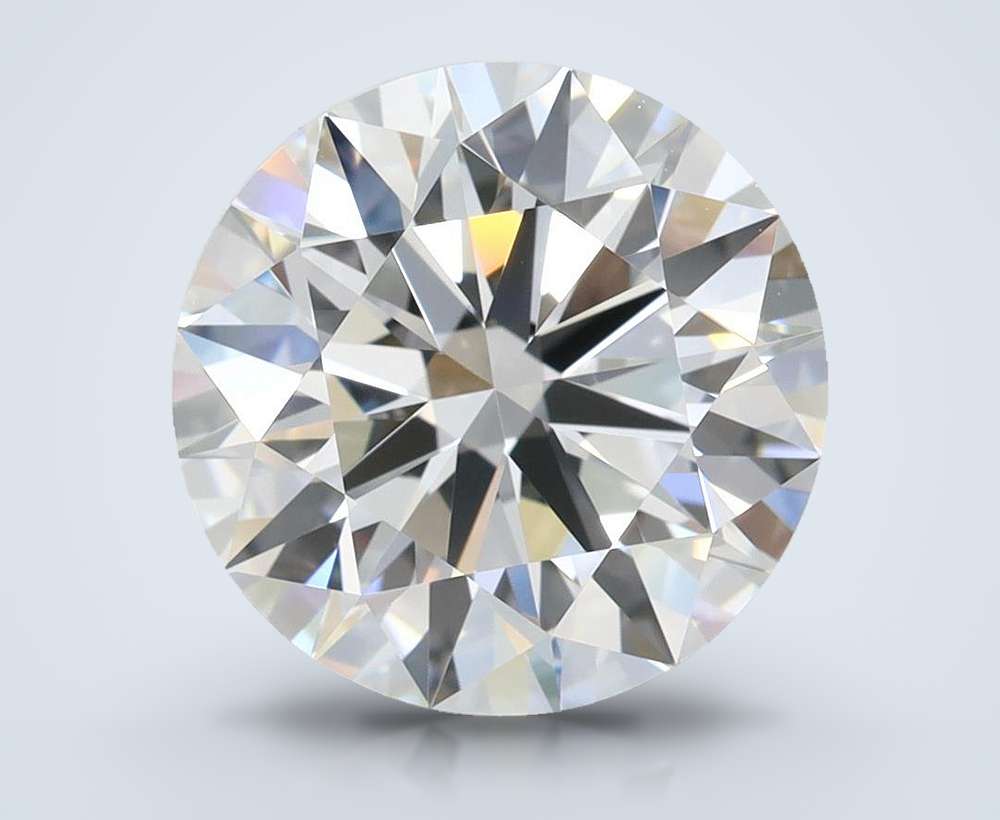
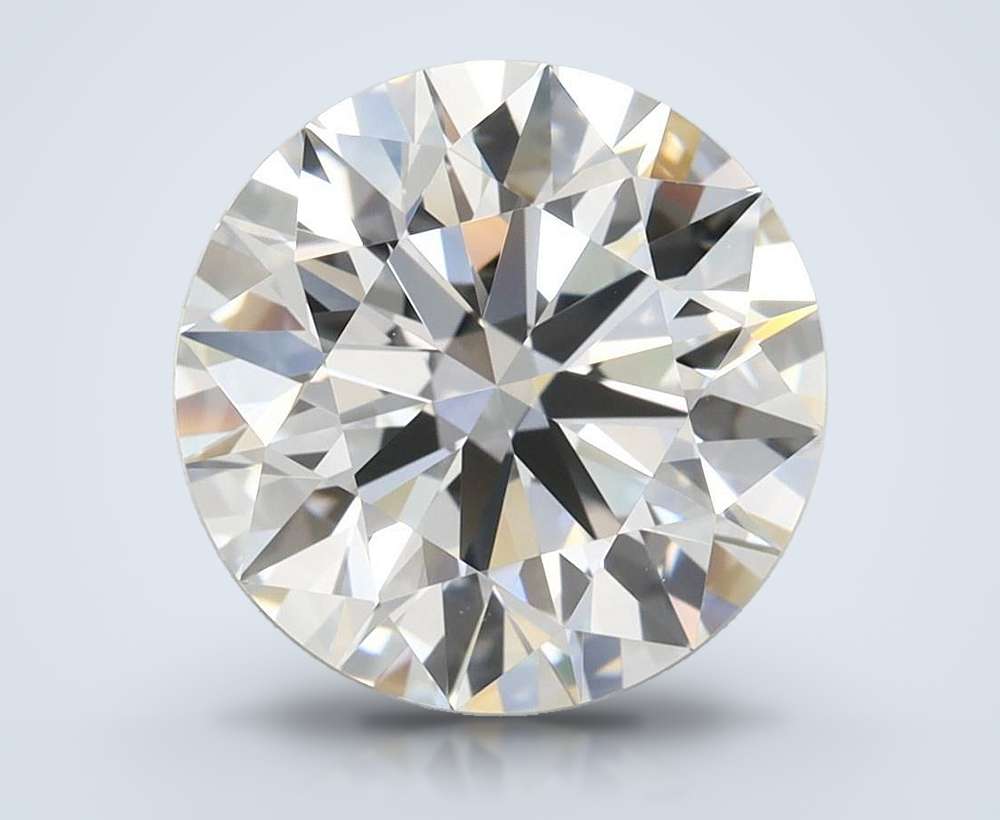
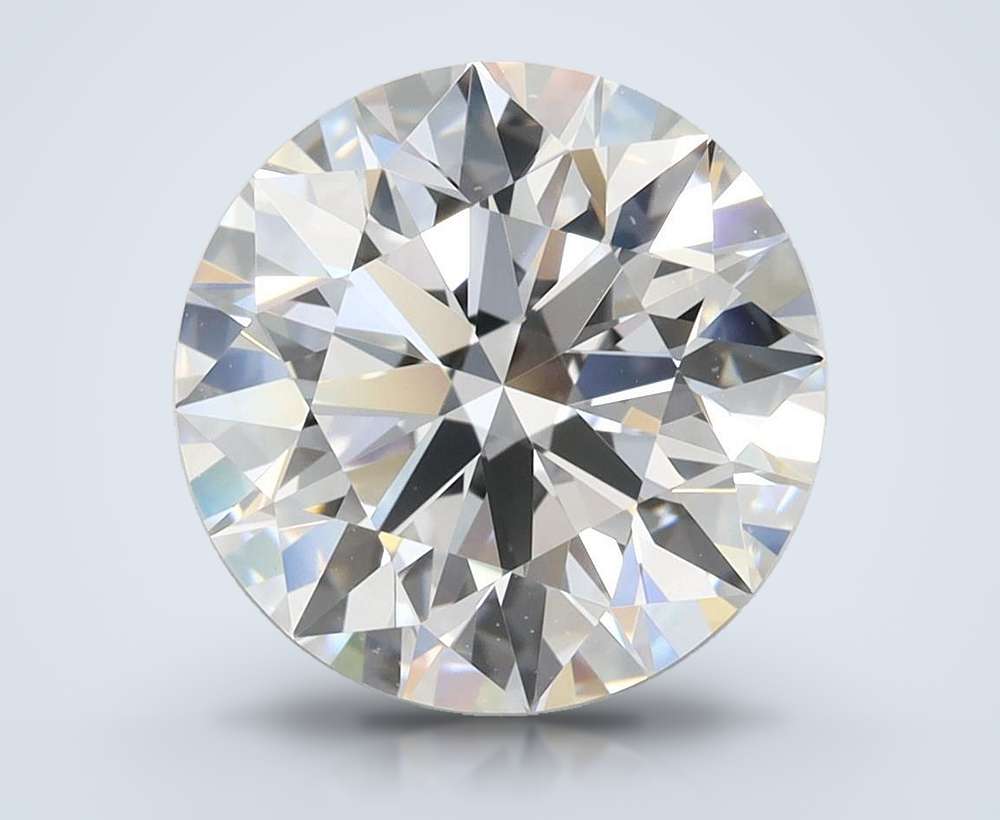
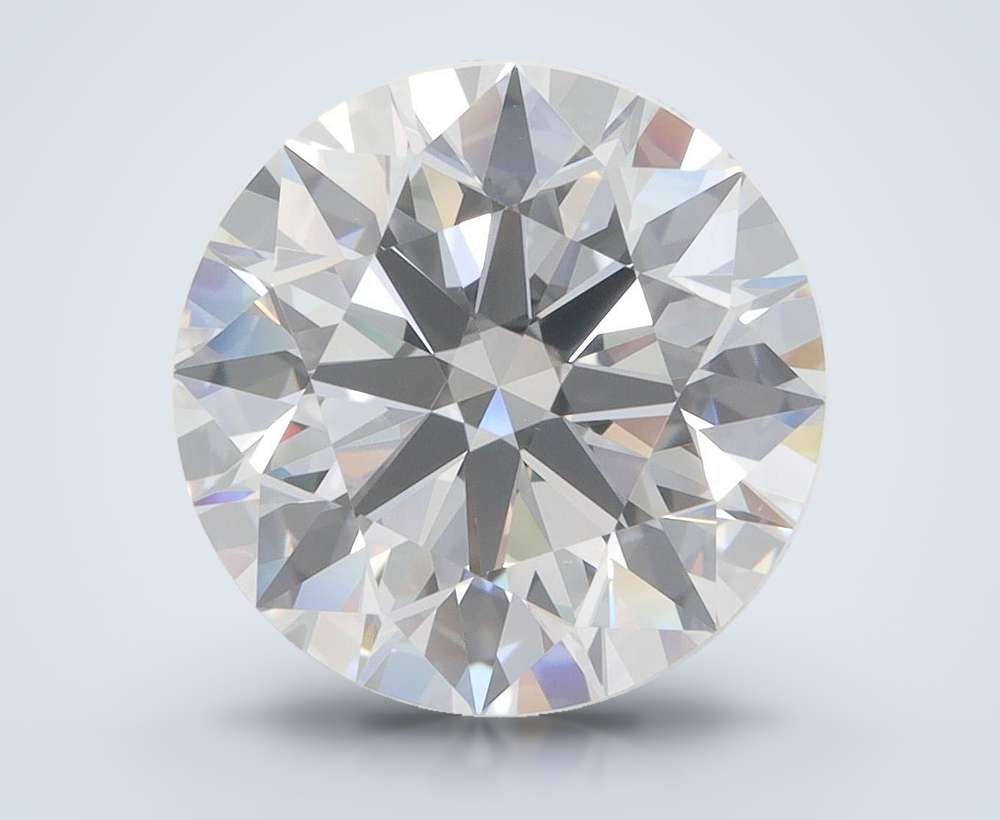
Width seen from above is what people notice, and it grows more slowly than weight. Doubling a round's weight does not double its width: a well cut 1 carat round is about 6.4 mm across and a 2 carat about 8.1 mm. Measurements also vary between stones of the same weight, depending on how each one was cut, so the millimeters on the report are the better guide to size. Check the width, and for elongated shapes the length too, before you compare prices.
Shapes that look bigger for their weight
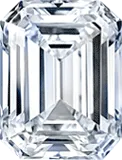
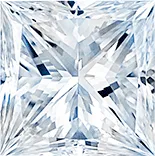
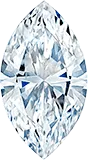
Elongated shapes win on visible size. Ovals, pears and marquises spread their weight along a longer outline, so they look larger than a round of the same carat and make fingers look longer; the marquise gives the most length per carat of any shape. Elongated radiants and cushions do likewise with a squarer feel. Asschers go the other way and face up smaller than a round of equal weight, so they suit someone who loves the look more than the spread. See pear lab grown engagement rings for a shape that reads long and graceful.
Settings that add size to lab grown diamonds over $5,000
A halo is the strongest trick: a ring of small diamonds around the center makes the whole head look larger. A slim band lets the center stand out by contrast, and six prongs round out a stone's outline. Once the stone covers as much of the finger as looks right to you, extra weight mostly adds cost and exposure, so that is the point to stop. Browse halo ring settings, or start with a lower minimum and let a halo do part of the work.
Bigger looks and the grades that come with them
A larger face is also a larger window. Big diamonds show color and clarity more, so as you chase spread, keep an eye on the grades that start to show. In white gold or platinum, warmth is easier to spot in a large stone, and step cuts reveal inclusions through their open facets. Brilliant outlines such as round and oval are more forgiving, which is one more reason they suit buyers who put size first. Lab created diamonds help here, since they cost far less than mined stones at equal size and grade.