Choosing a setting that protects the stone
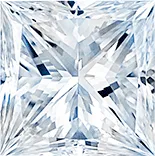
Match the mounting to how exposed your diamond will be. Four prongs show the most of a round; six prongs grip it more securely and round out its outline, a good trade for anyone who works with their hands. A bezel surrounds the whole edge with metal, which makes it the most protective choice, at the cost of slightly less light. Pears, marquises and princess cuts have points or corners that need V prongs. If you garden, lift weights or play sport, start with bezel engagement ring settings.
Height, profile and a ring you forget you are wearing
A lower head keeps the diamond closer to the finger, so it snags less on knitwear, hair and car seats, and it is the easy choice for anyone who wants a ring they never think about. A taller setting shows more of the diamond from the side and lets light in from below, which some people love. A cathedral setting sits between the two: arches of metal lift the center while leaving room for a wedding band to sit close underneath. Browse cathedral ring settings to see how much lift they give, then picture your own week before choosing.
How metal color and strength shape your choice
Pick the metal for strength first and color second, since both change the ring you end up with. Platinum is naturally white, dense and heavy, and hypoallergenic for most people; a scratch gives it a soft patina instead of removing metal, which suits prongs holding a valuable center. White gold gets its bright finish from rhodium plating, which wears and can be replated, while yellow and rose gold keep their own color. Metal color also shapes the diamond you buy: white gold and platinum show warmth in a stone more than yellow or rose gold, so a slightly warmer color grade can look right in a yellow or rose setting and leave more of your budget for cut.
What to prioritize in lab grown diamonds over $4,000
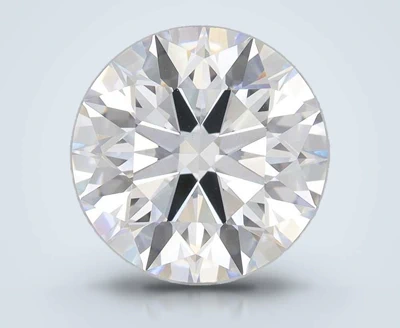
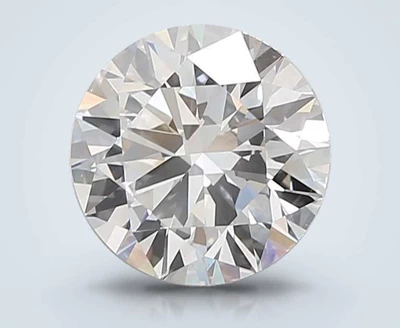
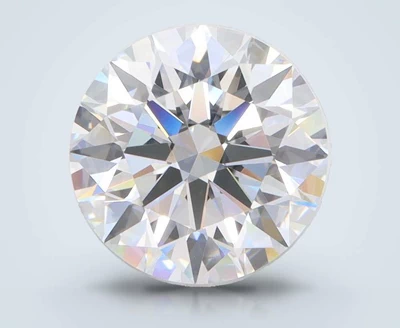
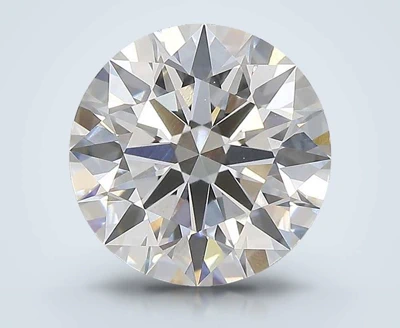
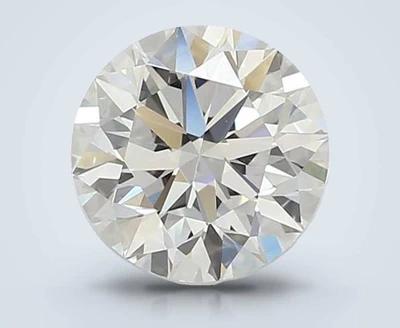
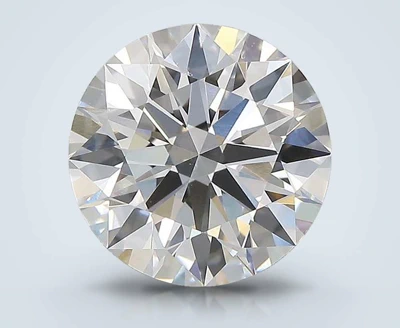
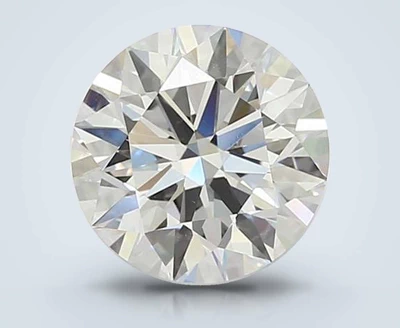
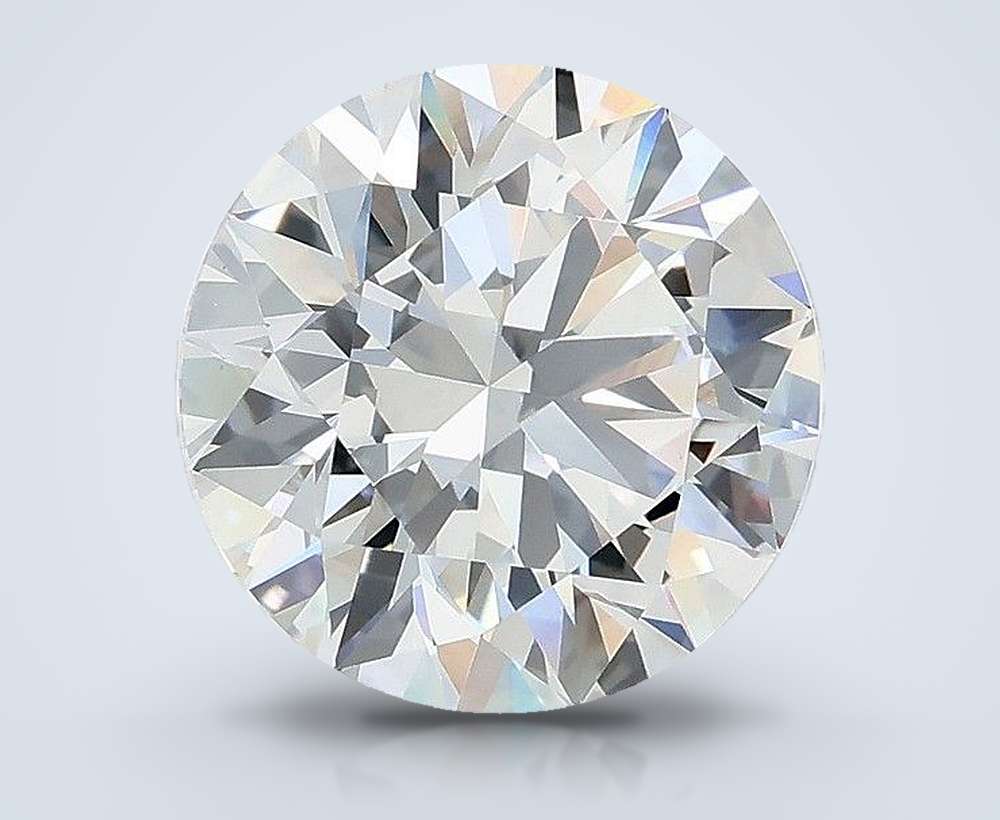
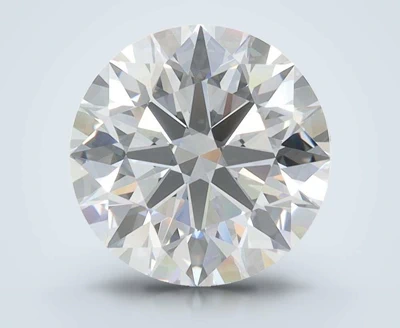
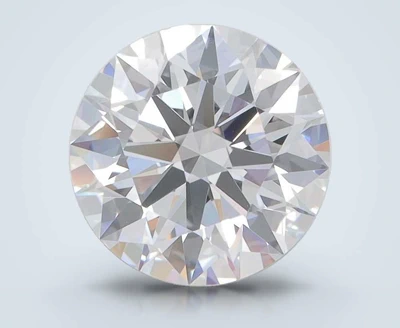
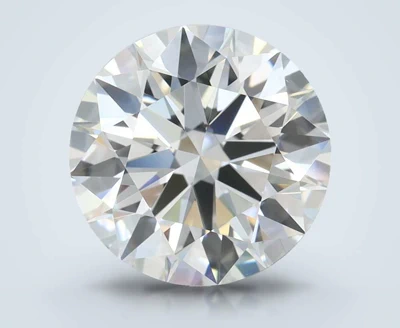
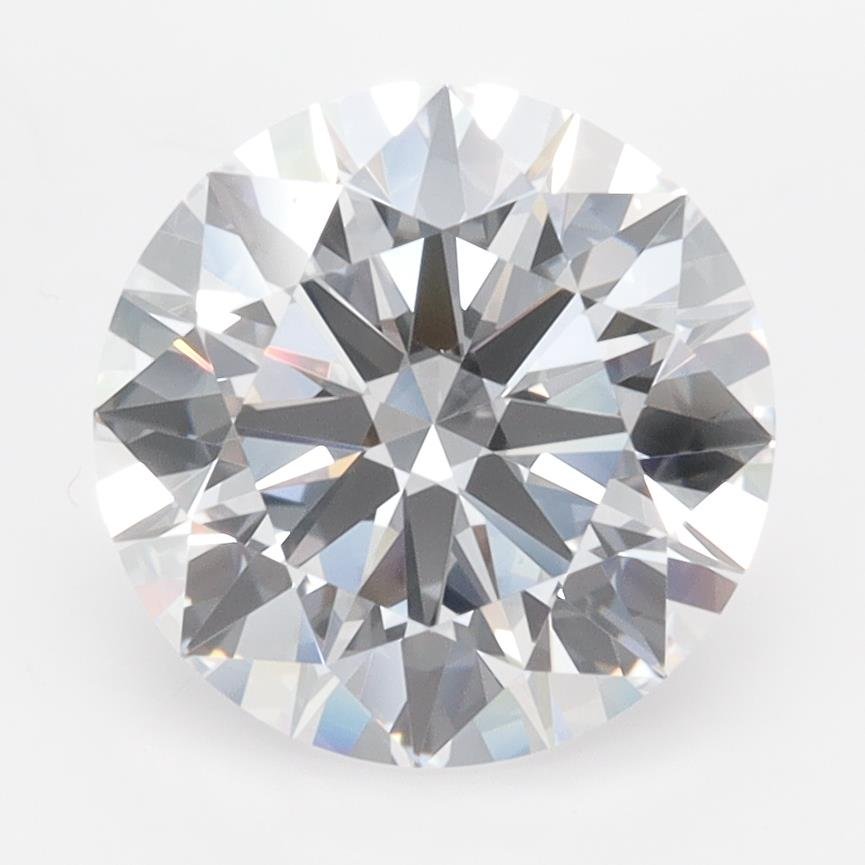
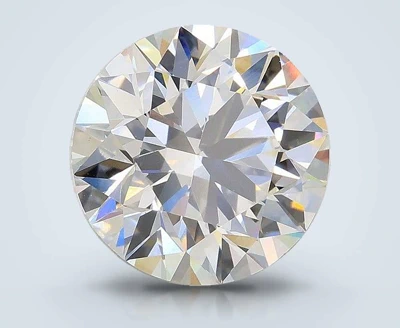
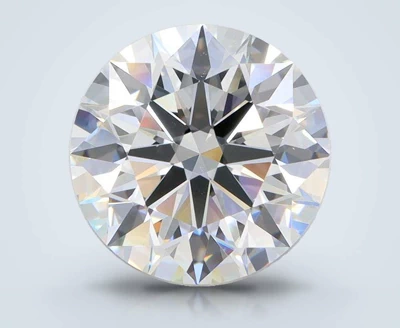
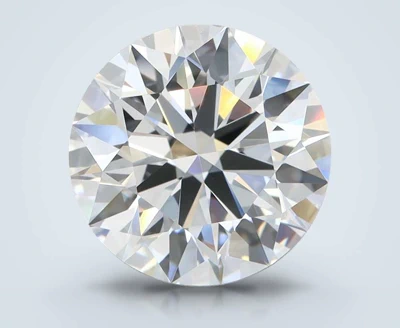
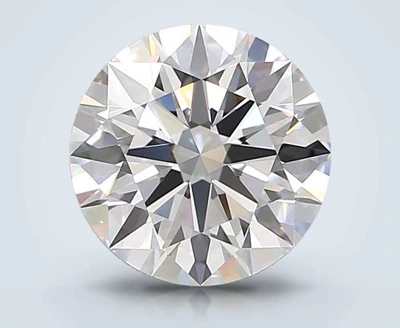
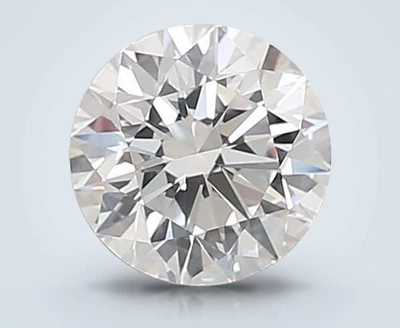
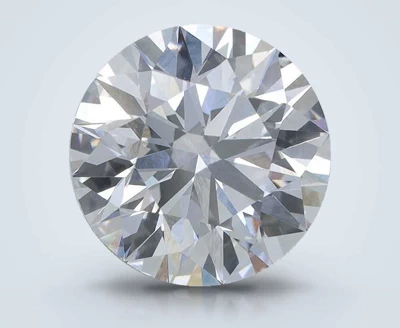
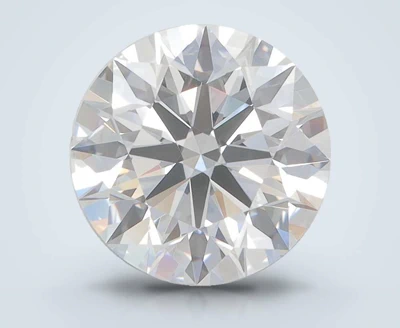
For the stone itself, keep the order simple: cut, then eye clean clarity, then color for your metal, then carat. Stop adding weight once it is as large as you will comfortably wear in the setting you have chosen, since a bigger, taller stone is more exposed. Rare Carat backs its ring settings with a lifetime manufacturing warranty, and that warranty covers the part of the ring that does the protecting. If you would rather spend less on the center, a lower floor brings more lab created diamonds in to compare.