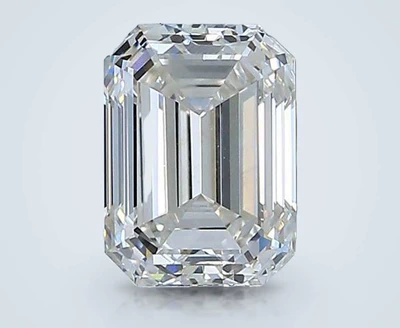
Emerald Cut Diamond Prices and the Clarity Rule
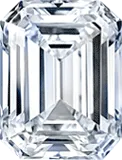
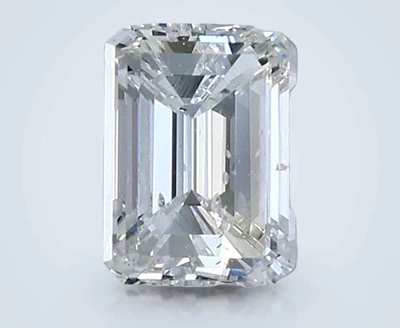
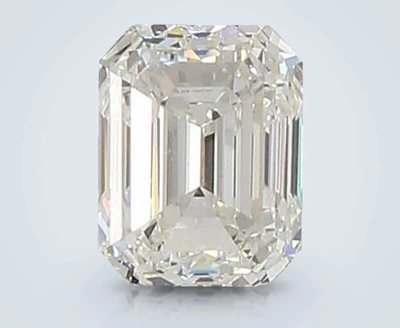
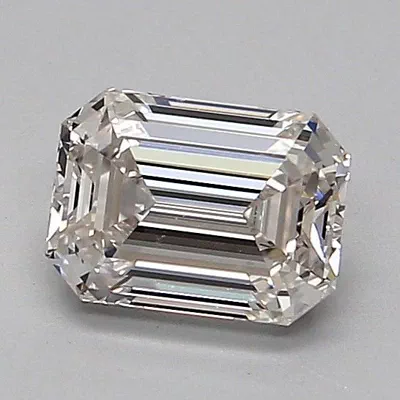
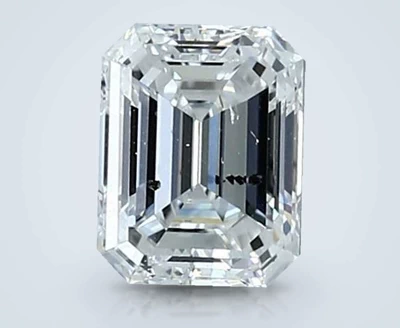
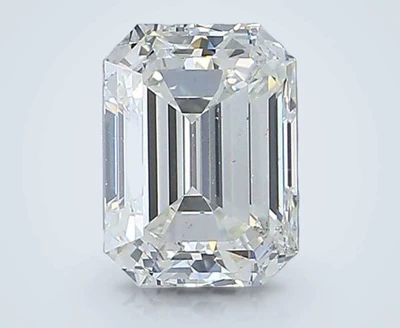
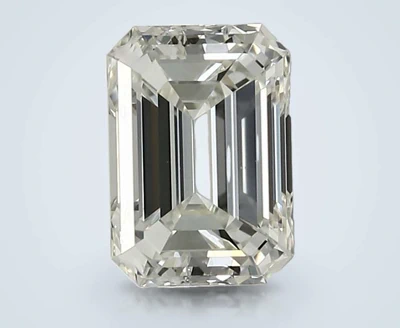
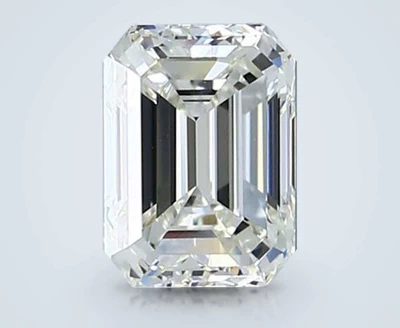
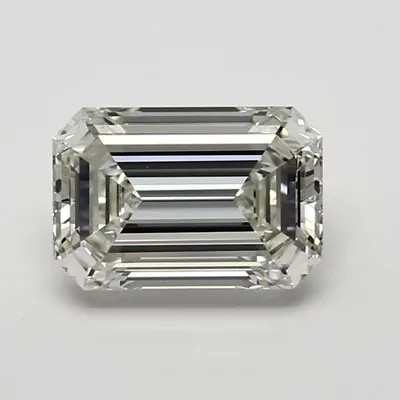
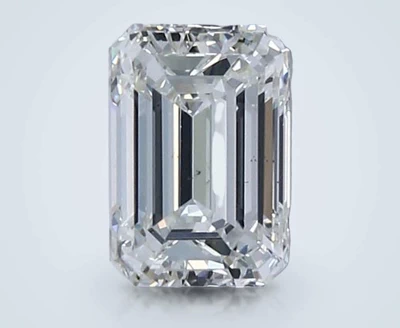
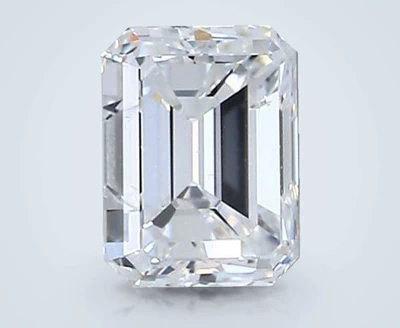
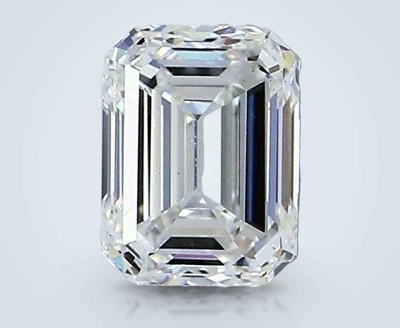
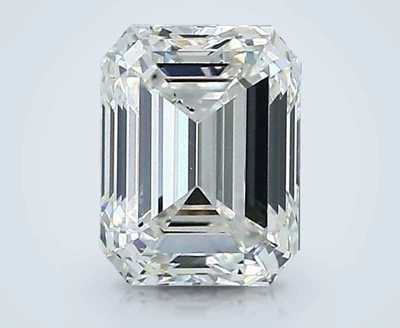
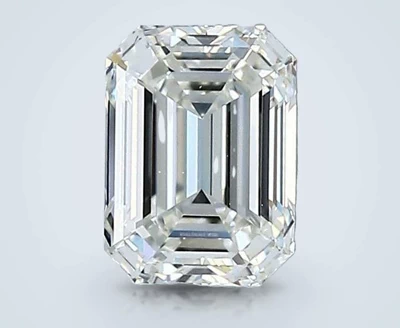
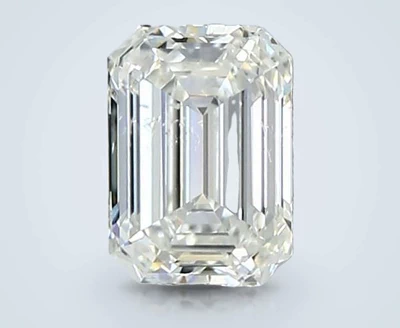
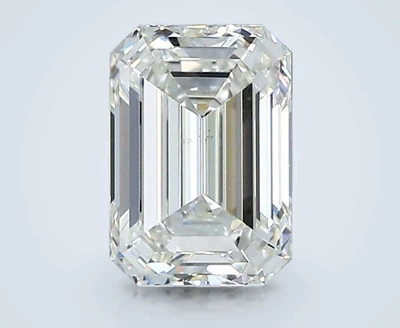
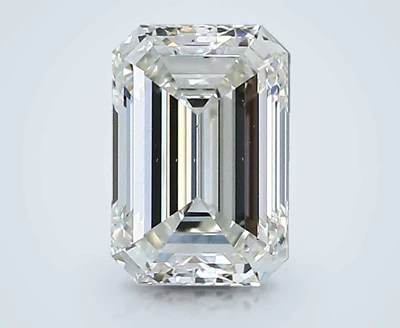
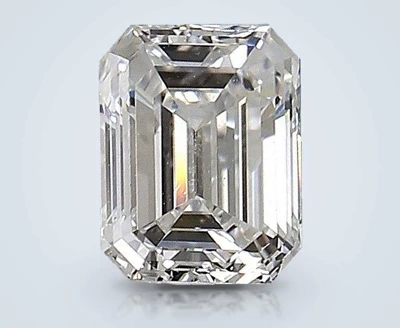
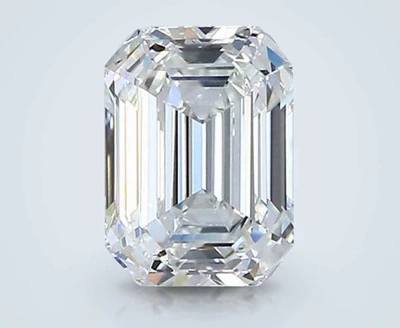
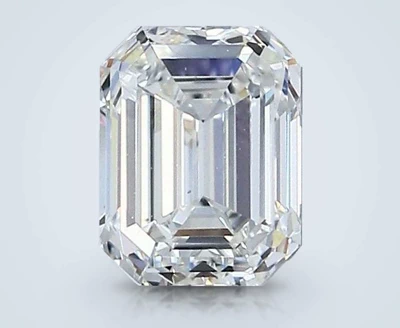
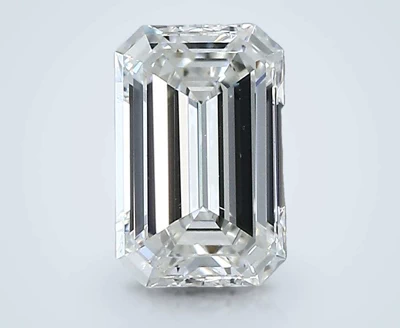
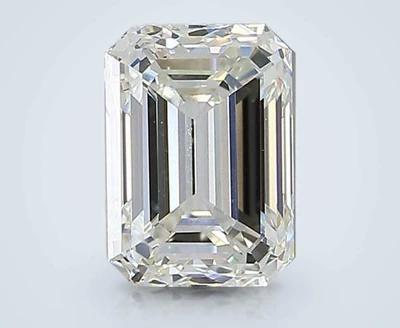
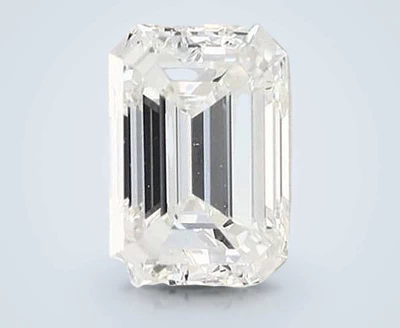
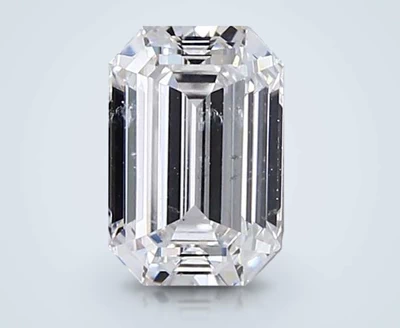
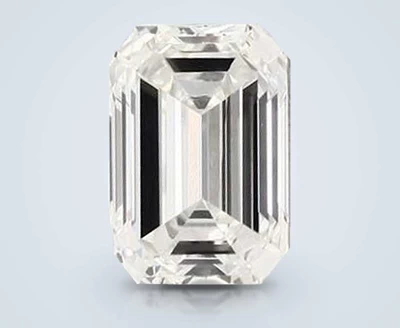
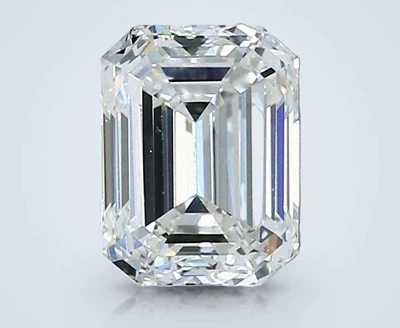
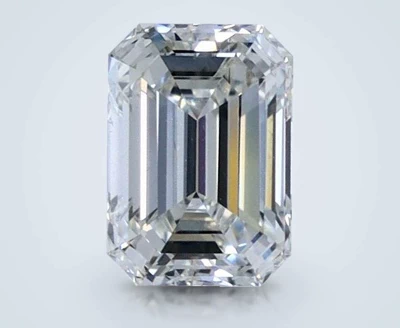
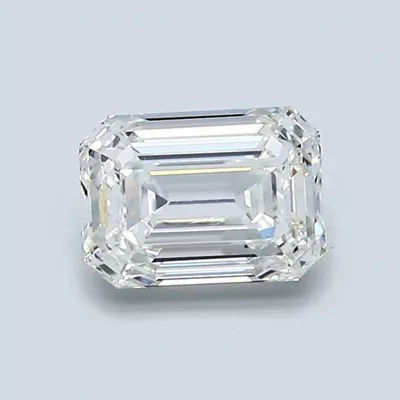
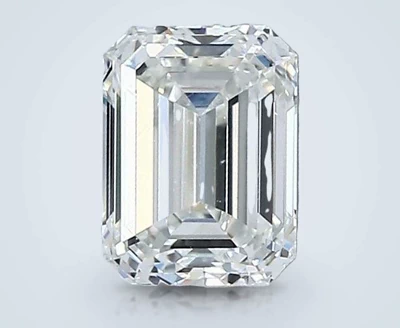
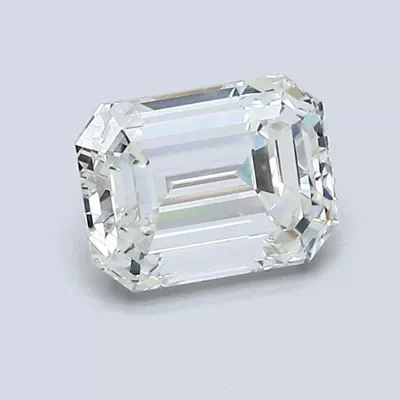
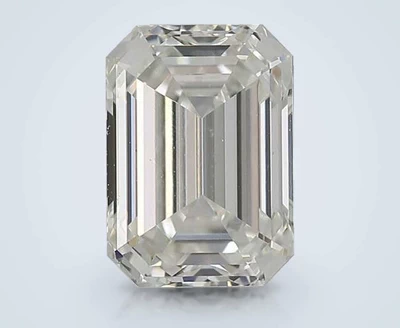
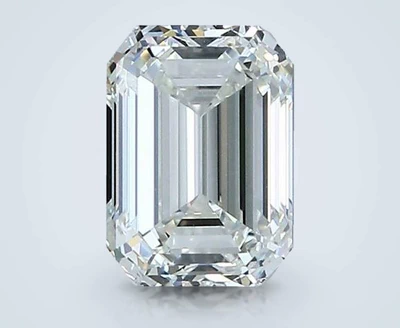
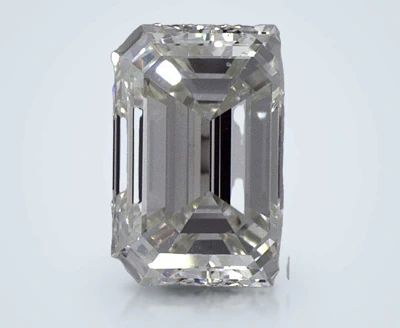
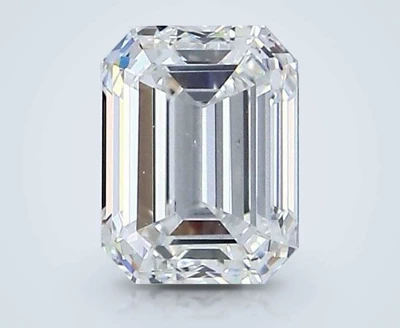
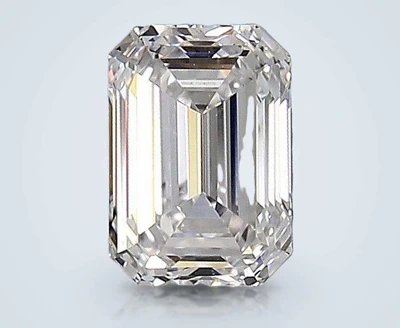
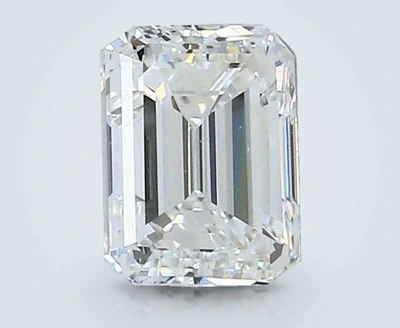
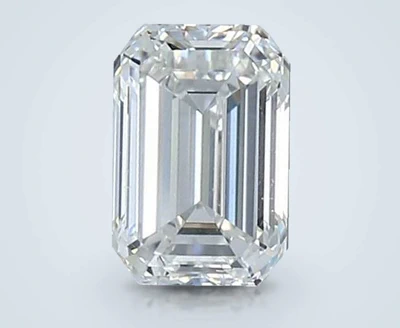
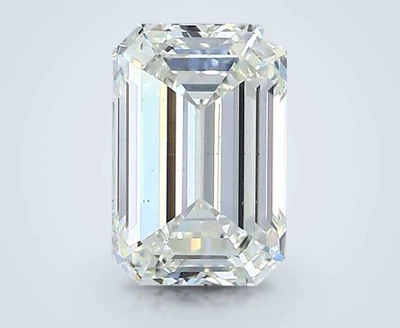
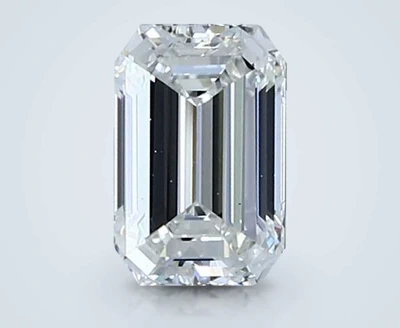
The emerald cut is a step cut: long, flat facets arranged in parallel rows, a large open table, and none of the brilliant faceting that scatters light and hides flaws in a round or an oval. That one fact drives the way an emerald cut diamond is priced and chosen. Rare Carat has 181,545 emerald cuts in stock today (every carat weight), 70,739 natural and 110,806 lab grown. Natural step cuts start at $150 and lab grown at $120 with the current savings applied; in the one carat band the natural median is $2,028 and the lab median $568. All figures come from inventory on October 17, 2026 and are updated regularly.
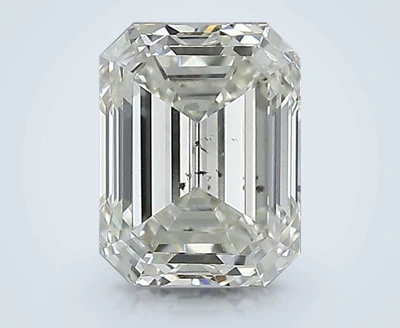
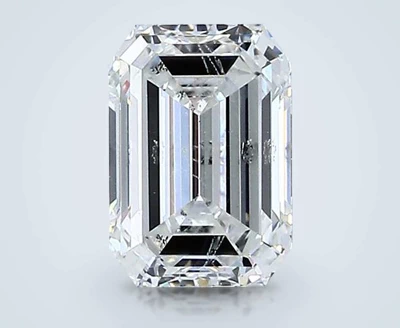
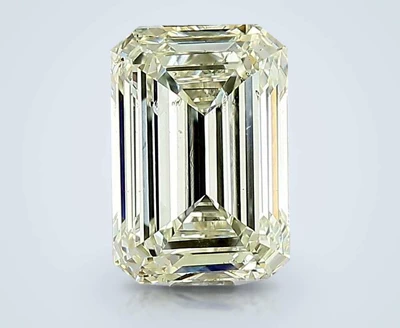
Because the table is a window, inclusions that a brilliant cut would hide are visible in a step cut, and body color shows across the whole stone rather than only at the tips. The practical rule is the reverse of the one for ovals and cushions: protect clarity first, then color, and let the weight be whatever the budget allows, since the step cut's long outline makes every step cut look larger than its carat weight.
Clarity First: What Each Grade Costs in a 1 Carat Emerald Cut
In natural step cuts between 0.90 and 1.10 carats with G to H color, SI2 starts at $680, SI1 at $865, VS2 at $1,015, VS1 at $940 and VVS2 at $1,155. Our gemologists treat VS1 as the comfortable floor for a natural step cut, VS2 as acceptable when the 360 HD video shows the inclusion off to a corner, and SI1 as a stone by stone decision; SI2 is rarely worth it in this shape no matter how good the price. Lab grown stones remove most of the difficulty: among D to F stones VS1 starts at $425, VVS2 at $435 and VVS1 at $600, and 8,397 of the 15,020 one carat lab emerald cuts on the ladder are VVS2 or cleaner.
Natural stones, 0.90 to 1.10 ct, G to H color: starting price by clarity (2,184 stones)
| Clarity | Starts at | In stock |
|---|
| SI2 | $680 | 182 |
| SI1 | $865 | 180 |
| VS2 | $1,015 | 407 |
| VS1 | $940 | 487 |
| VVS2 | $1,155 | 436 |
| VVS1 | $1,055 | 391 |
| IF | $1,475 | 98 |
| FL | $1,330 | 3 |
| All FL to SI2 | $680 | 2,184 |
Color shows too, but it costs less to manage. Holding clarity at VS2 in the same band, D starts at $1,145, F at $1,230, G at $1,130, H at $1,015 and I at $750. G is the sensible floor for a platinum or white gold setting; H and I work in yellow gold, where the warmth reads as intentional. Lab step cuts are overwhelmingly colorless (14,418 of 15,458 on the ladder are D to F), so color is not a decision there.
Natural stones, 0.90 to 1.10 ct, VS2 clarity: starting price by color (1,347 stones)
| Color | Starts at | In stock |
|---|
| D | $1,145 | 196 |
| E | $1,145 | 216 |
| F | $1,230 | 180 |
| G | $1,130 | 199 |
| H | $1,015 | 208 |
| I | $750 | 157 |
| J | $830 | 107 |
| K | $715 | 84 |
| All D to K | $715 | 1,347 |
Ratio: Blocky, Classic or Long
An emerald cut between 1.40 and 1.50 is the classic proportion, long enough to read as a rectangle and short enough to keep the step pattern symmetrical. 32,767 of the natural emerald cuts here sit in that range and 30,339 in the 1.30 to 1.39 range; stones under 1.30 look blocky and are often cut from rough that would not yield a longer stone, while those over 1.50 cover more finger and suit east west settings. The ratio is on every product page, and the price differences between ranges are usually small enough that the choice can be made on looks alone.
Emerald cut stones by length to width ratio (October 17, 2026)
| Ratio | Natural in stock | Natural from | Natural median |
|---|
| Under 1.30 (blocky) | 1,050 | $195 | $1,095 |
| 1.30 to 1.39 | 30,339 | $150 | $594 |
| 1.40 to 1.49 (classic) | 32,767 | $150 | $686 |
| 1.50 and over (long) | 6,583 | $160 | $686 |
| All natural emerald cuts | 70,739 | $150 | $648 |
| Ratio | Lab grown in stock | Lab grown from | Lab grown median |
|---|
| Under 1.30 (blocky) | 245 | $145 | $1,588 |
| 1.30 to 1.39 | 17,476 | $130 | $1,674 |
| 1.40 to 1.49 (classic) | 73,219 | $120 | $1,658 |
| 1.50 and over (long) | 19,866 | $130 | $1,946 |
| All lab grown emerald cuts | 110,806 | $120 | $1,691 |
Natural Emerald Cut Prices by Carat
Step cuts waste less rough than brilliants, so a natural step cut is usually cheaper per carat than a natural round of the same grade, and it faces up larger: a one carat step cut measures about 6.5 by 4.5 mm and reads bigger than a 6.5 mm round because of its outline. The natural medians run $2,028 at one carat, $12,081 at two and $31,477 at three, with 7,453, 1,655 and 645 stones in those bands. The whole natural inventory on this page is in the table.
Natural step cuts by carat band, prices you pay today (70,739 stones, October 17, 2026)
| Carat band | Starts at | Median | In stock |
|---|
| under 0.50 ct | $150 | $382 | 24,638 |
| 0.50 to 0.89 ct | $285 | $700 | 29,117 |
| 0.90 to 1.10 ct | $605 | $2,028 | 7,453 |
| 1.11 to 1.49 ct | $1,105 | $3,808 | 1,772 |
| 1.50 to 1.89 ct | $1,650 | $6,136 | 3,631 |
| 1.90 to 2.10 ct | $3,135 | $12,081 | 1,655 |
| 2.11 to 2.89 ct | $3,995 | $20,338 | 958 |
| 2.90 to 3.10 ct | $8,585 | $31,477 | 645 |
| 3.11 to 3.89 ct | $15,350 | $44,347 | 222 |
| 3.90 to 4.10 ct | $15,325 | $55,329 | 177 |
| 4.11 ct and up | $25,555 | $107,292 | 471 |
| All natural emerald cuts | $150 | $648 | 70,739 |
Lab Grown Emerald Cut Prices by Carat
Step cut is one of the strongest lab grown shapes because the growth process favors clean, colorless crystals and the step cut rewards exactly that. The 110,806 lab stones here have medians of $568 at one carat, $1,531 at two and $2,846 at three, and the deepest band is 4.11 ct and up. Compared with the natural table above, the lab medians are roughly an eighth of the natural price at two carats.
Lab grown emerald cut stones by carat band, prices you pay today (110,806 stones, October 17, 2026)
| Carat band | Starts at | Median | In stock |
|---|
| under 0.50 ct | $120 | $165 | 1,515 |
| 0.50 to 0.89 ct | $145 | $253 | 5,233 |
| 0.90 to 1.10 ct | $320 | $568 | 16,143 |
| 1.11 to 1.49 ct | $420 | $817 | 5,232 |
| 1.50 to 1.89 ct | $670 | $1,171 | 16,730 |
| 1.90 to 2.10 ct | $975 | $1,531 | 15,781 |
| 2.11 to 2.89 ct | $1,105 | $2,284 | 9,538 |
| 2.90 to 3.10 ct | $1,625 | $2,846 | 10,457 |
| 3.11 to 3.89 ct | $1,770 | $3,606 | 4,646 |
| 3.90 to 4.10 ct | $2,020 | $3,959 | 7,974 |
| 4.11 ct and up | $2,115 | $5,325 | 17,557 |
| All lab grown emerald cuts | $120 | $1,691 | 110,806 |
Same Grade, Natural and Lab
A one carat G color VS1 emerald cut starts at $1,205 natural (median $2,430) and $375 lab; E color VVS2 is $1,690 natural against $485 lab. 66,272 of the natural step cuts here are GIA graded and 50,029 have no fluorescence, which matters more in a step cut because haze shows through the open table. Lab emerald cuts are graded mostly by IGI (103,586 of 110,806). The 1 carat emerald cut diamonds and 1 carat emerald cut lab grown diamonds pages continue the comparison at that weight.
Step cut, 0.90 to 1.10 ct, same grade
| Grade | Natural from | Natural median | Lab grown from |
|---|
| G color, VS1 | $1,205 | $2,430 | $375 |
| H color, SI1 | $865 | $1,580 | $365 |
| E color, VVS2 | $1,690 | $2,883 | $485 |
| All grades, 0.90 to 1.10 ct | $605 | $2,028 | $320 |
Ordering an Emerald Cut from Rare Carat
Watch the video at the table. In a step cut the inclusion plot on the report and the 360 HD video tell you everything the grade does not: where the inclusion sits, whether the step pattern is even, and whether the stone shows the hall of mirrors effect that a well cut emerald should. The AI price score on each product page compares the stone with similar stones in stock and flags anything priced above its peers; the quality score out of 18 weighs cut, color and clarity together. Our gemologists will go through finalists with you by chat or phone, without commission.
With more than 2 million natural and lab grown diamonds in stock, Rare Carat is the merchant of record on every order. After you order, the stone travels to our New York facility, where staff examine it under a microscope and match the laser inscription to the report before it ships. Shipping is free and fully insured; returns are free for 30 days; the first resize is free for a year; and the ring carries a lifetime manufacturing warranty. Affirm, Klarna, Afterpay, PayPal Pay Later and Katapult are there at checkout for anyone who wants monthly payments. Customers rate Rare Carat 5 out of 5 on Google and Trustpilot, and Trustpilot ranks it first among jewelry brands in America.
Counts and prices cover every emerald cut in Rare Carat inventory on October 17, 2026 that the grid on this page shows, every carat weight: D to K color, FL to SI2 clarity, Good cut or better, GIA, IGI or GCAL graded, with or without video; 70,739 natural (57,659 with 360 HD video) and 110,806 lab grown (93,493 with 360 HD video). All prices are today's prices after savings; the regular price is struck through on each stone. Starting prices refer to the cheapest stone in each group, whatever its grade or weight. Clarity and color ladders are drawn from the 0.90 to 1.10 carat band, where grade and not weight sets the price.