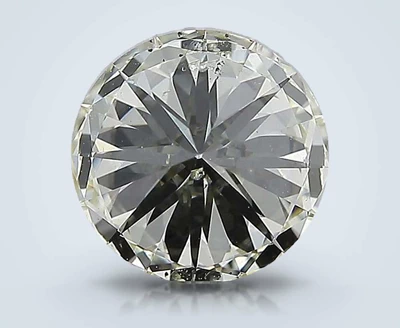
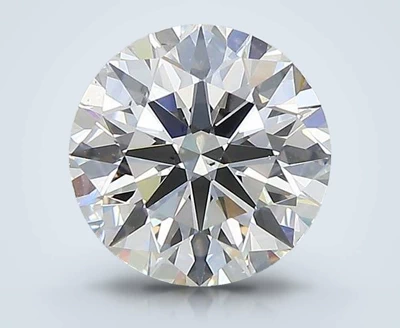
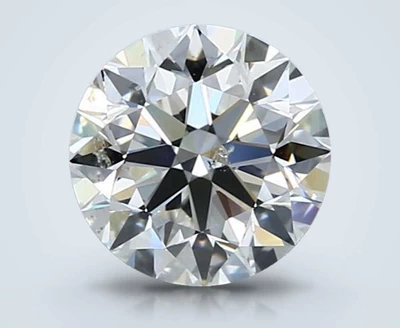
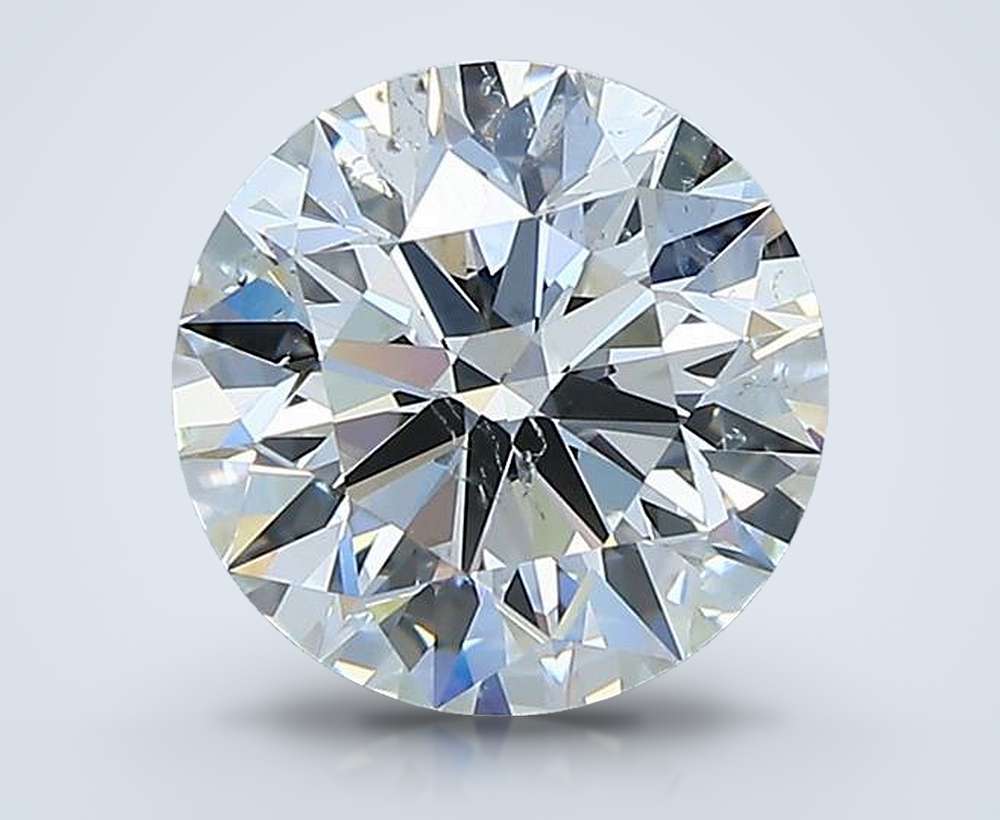
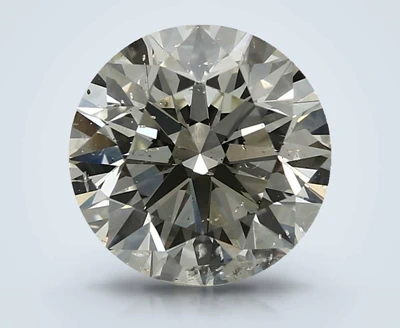
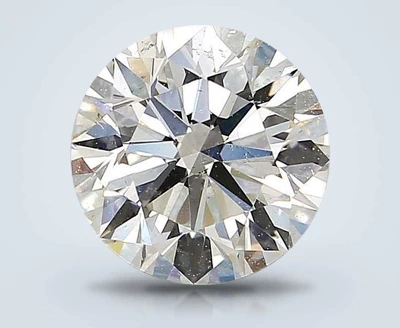
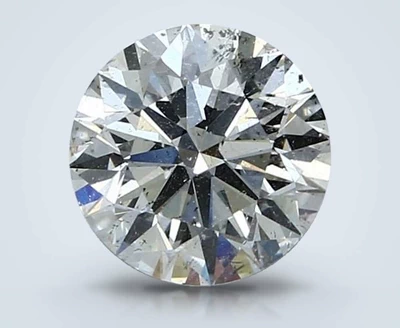
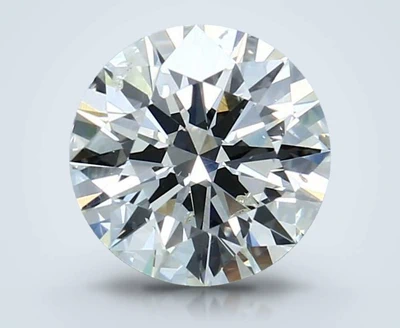
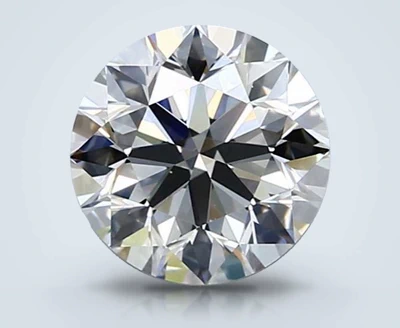
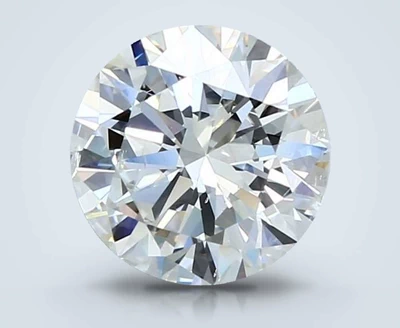
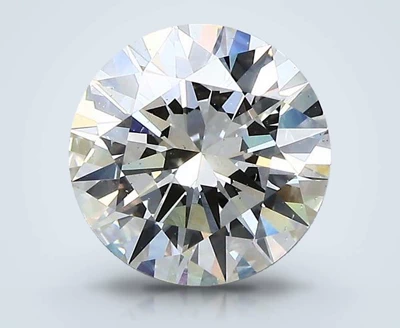
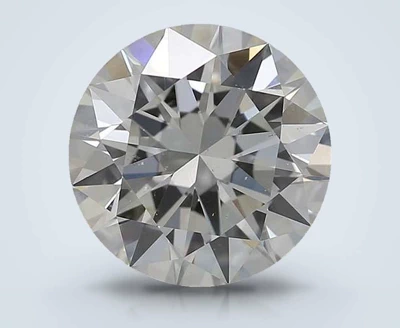
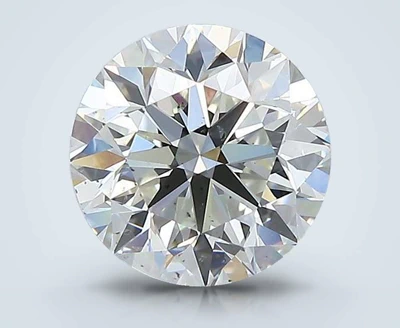
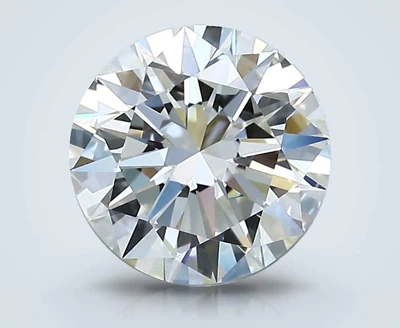
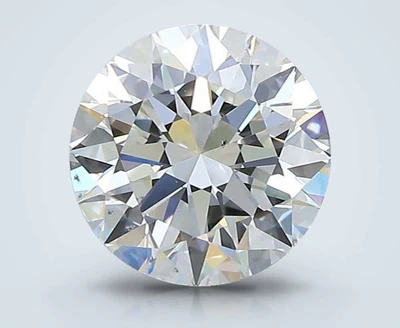
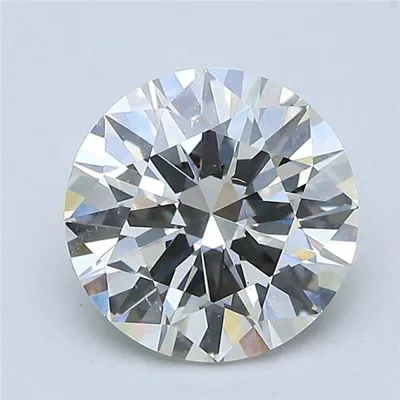
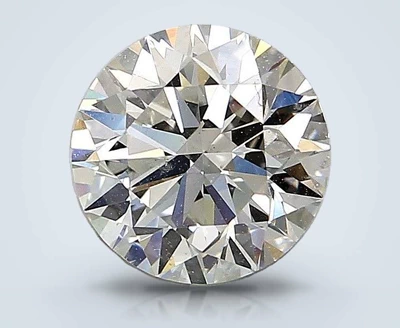
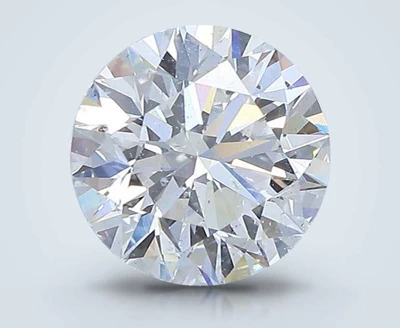
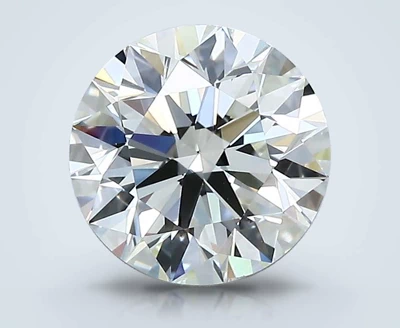
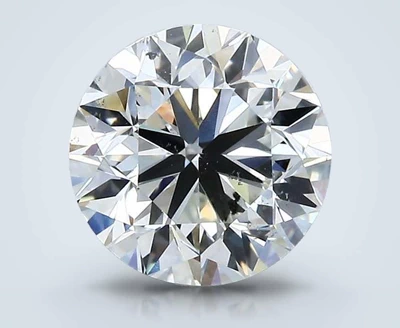
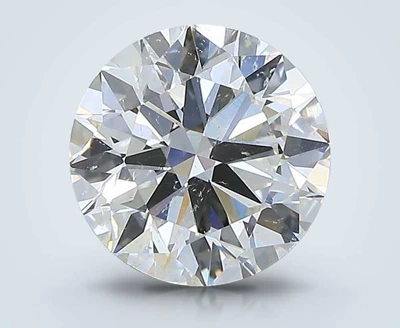
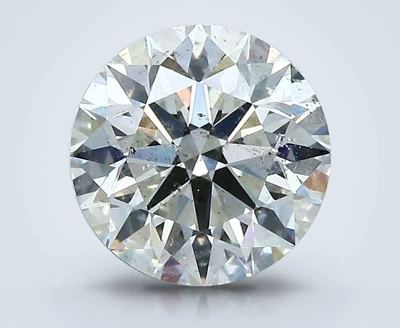
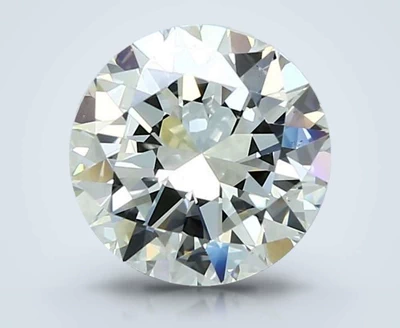
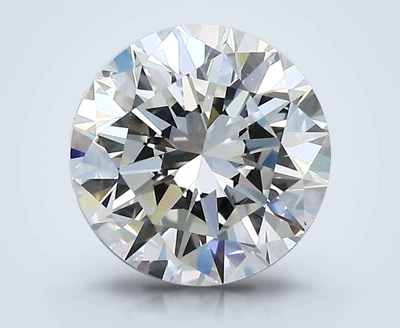
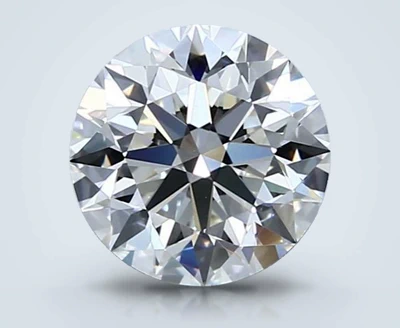
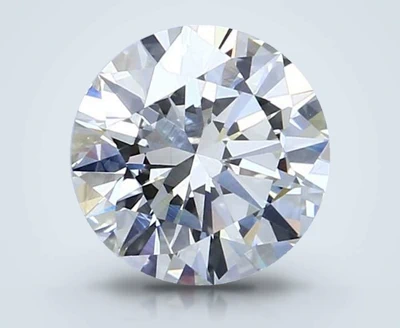
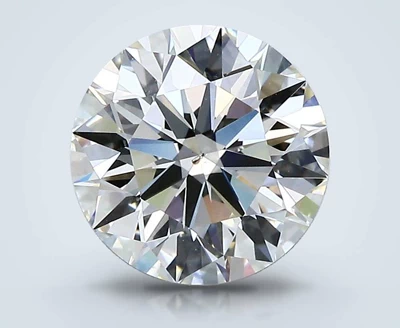
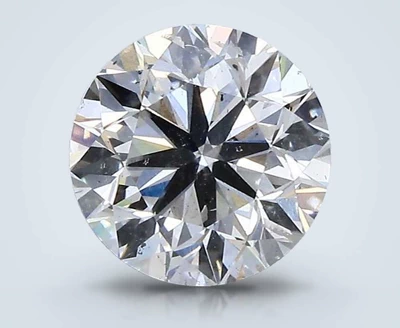
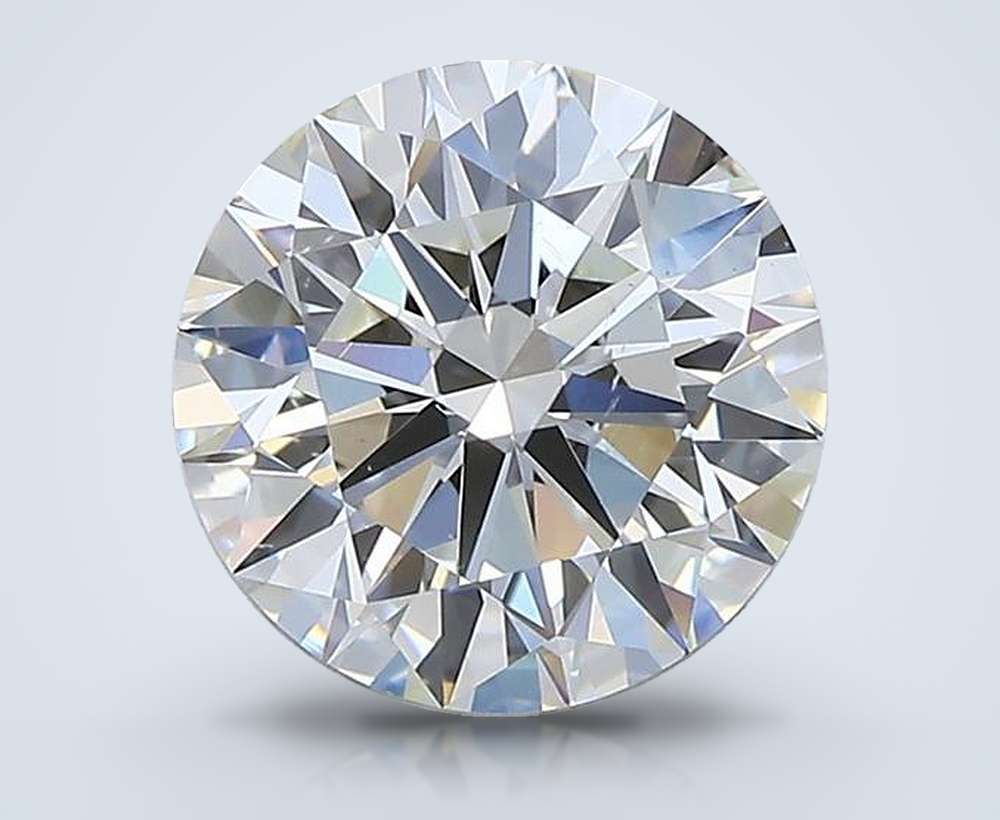
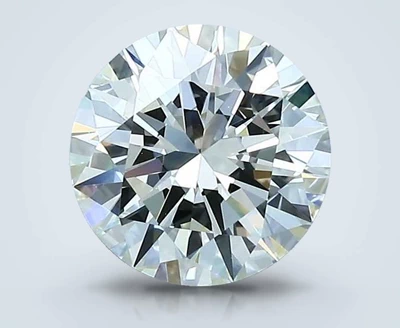
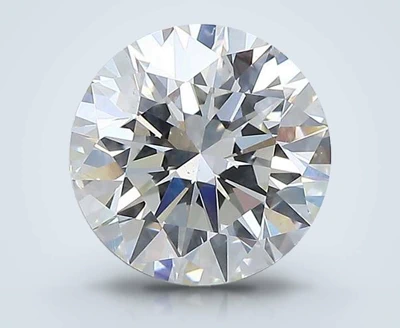
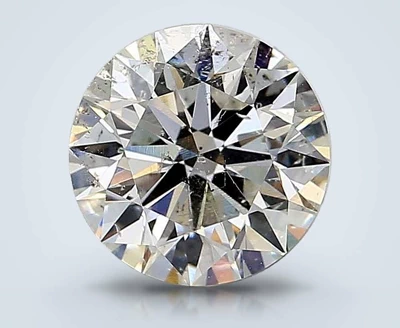
Why buy a 1.75 carat diamond instead of a 2?
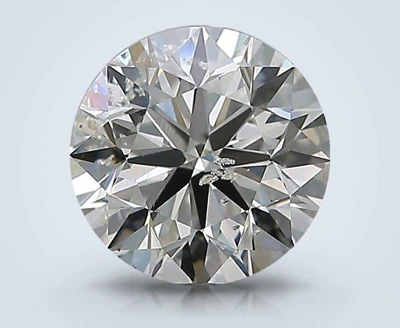
Because prices step up at 2 carats and this weight sits below that step. You still get a large, impressive round, but you skip the premium tied to the two carat figure. If the number on the report matters to you, pay for it. If what matters is how the ring looks, this size deserves a serious look.
Stones from 1.90 to 1.99 ct are the other way to save near the mark; they cost noticeably less than a full two and look the same once set. Dropping to 1.75 goes a step further in both size and saving.
How it measures against its neighbors
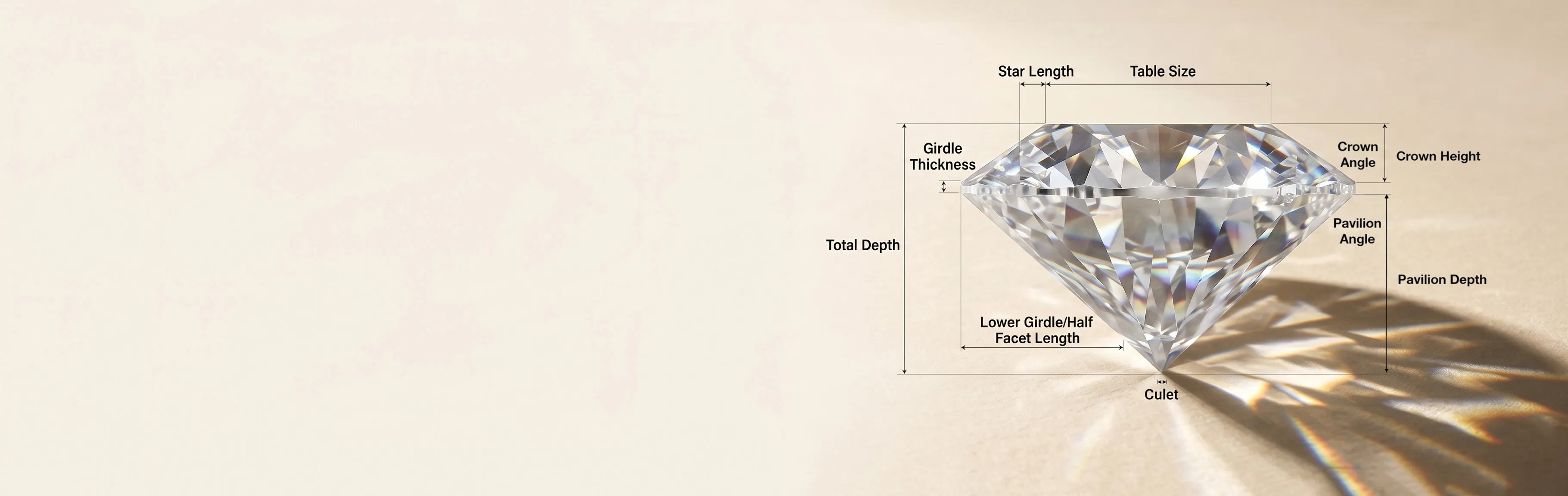
A well cut 1.5 carat round is about 7.4 mm across and a 2 carat about 8.1 mm, and a 1.75 lands between them. Each stone's report lists its measurements, so check the width there; a shallower or deeper cut nudges it a little either way. To picture the step up, open 2 carat round diamonds and compare a few stones with matching grades.
An oval or pear of the same weight would look longer from the top, since elongated shapes spread their weight over more surface. A round gives up that length in exchange for the most sparkle of any common shape, which is why so many buyers at this size stay with it.
Color and clarity for a near two carat stone
Start by deciding whether size or grade is the priority, because here you really feel the trade. If size wins, choose near colorless instead of colorless and an eye clean clarity instead of VVS. If the grades matter more, a smaller stone with higher color may suit you better.
Either way, warmth and inclusions show more here than in a one carat. In platinum or white gold, G or H keeps the stone looking white; yellow and rose gold let you drop to I or J. VS2 is a sensible clarity floor, and an SI1 deserves a careful look on video before you trust it.
Ring styles that add presence
A hidden halo tucks a ring of small diamonds under the center, adding sparkle from the side without changing the clean view from above; see hidden halo engagement rings. A three stone design flanks the center with two side stones, often read as past, present and future, and makes the whole piece bolder still; browse three stone settings. Six prongs are the safer hold for a stone this heavy.
A mined round of this size usually comes with a GIA report and keeps its value on resale far better than a lab grown equivalent, which costs far less but resells for little. For the most size per dollar, 1.75 ct lab grown diamonds are the alternative.