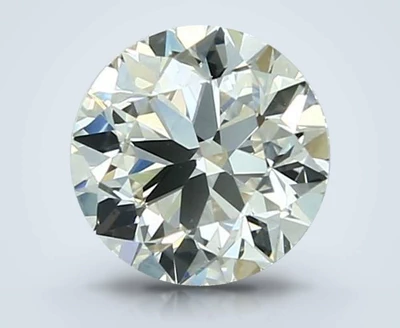
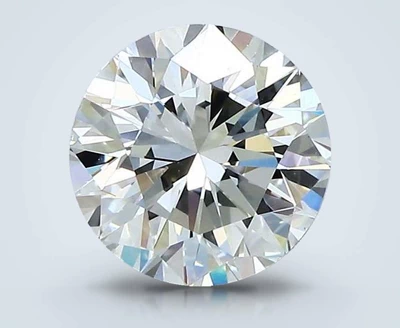
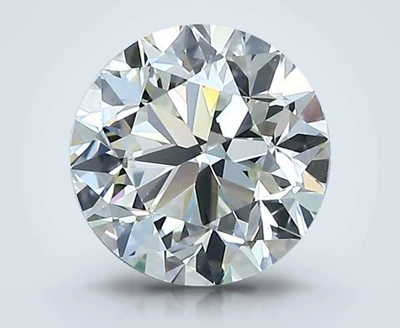
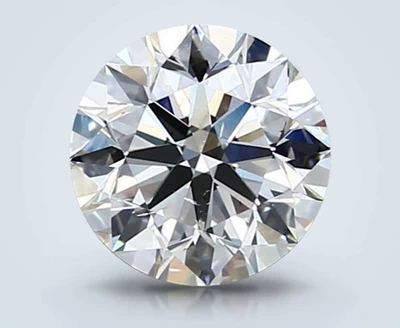
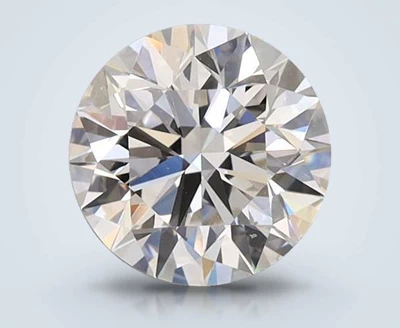
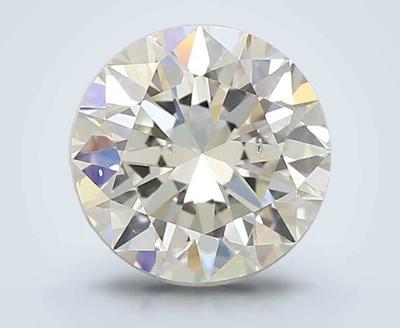
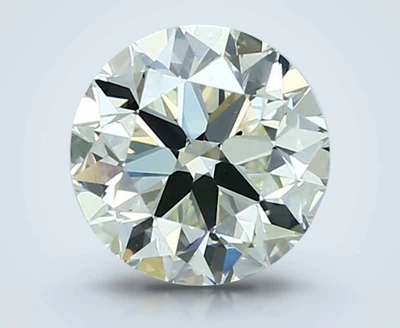
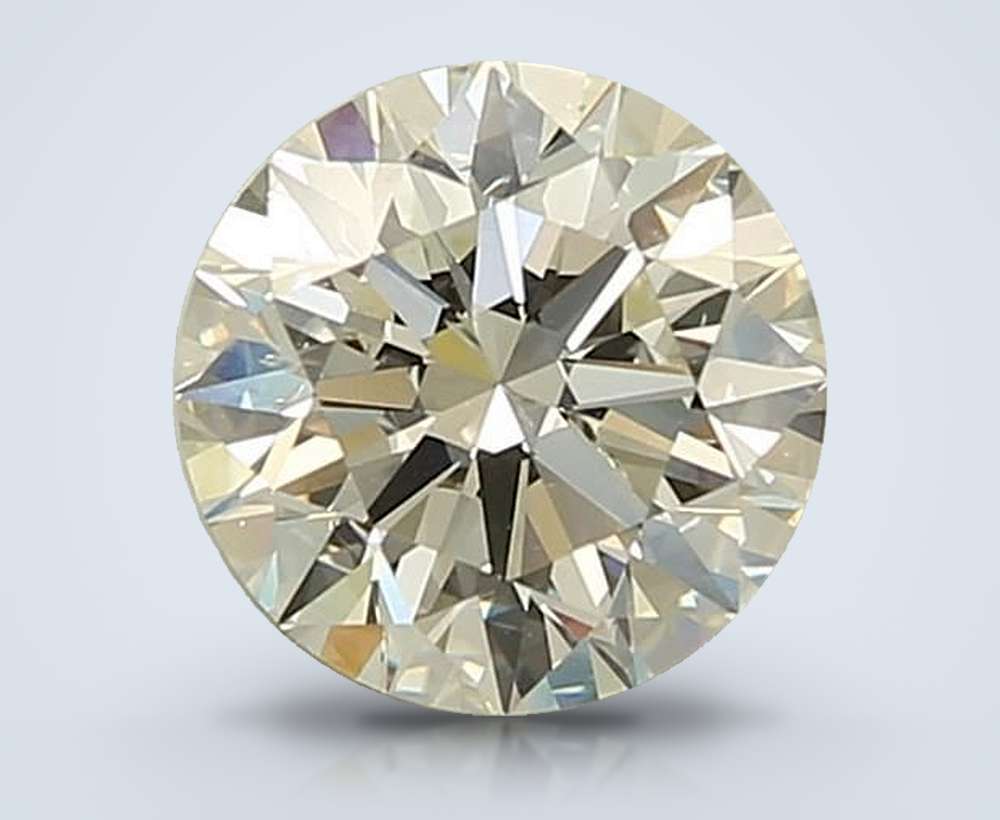
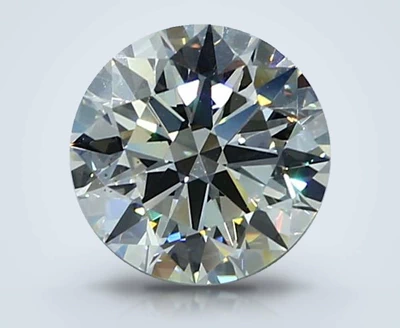
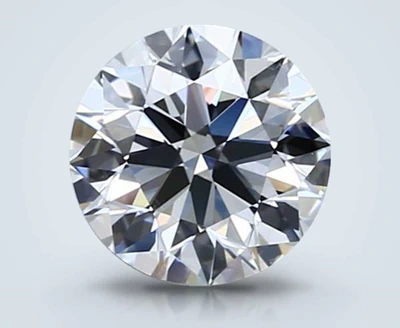
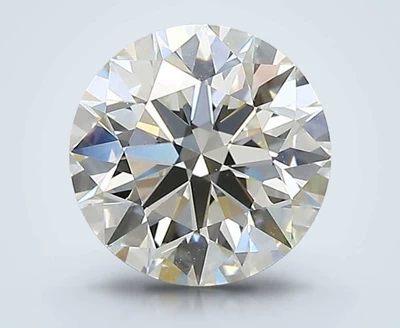
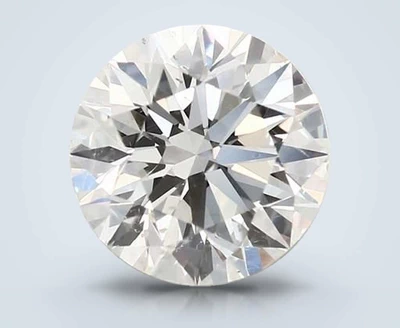
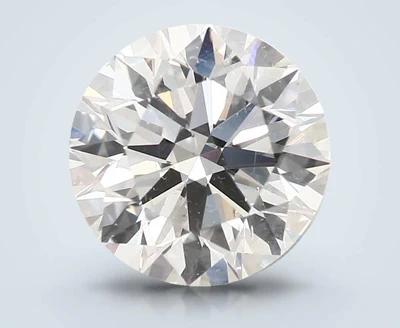
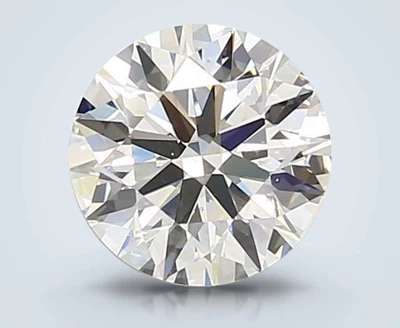
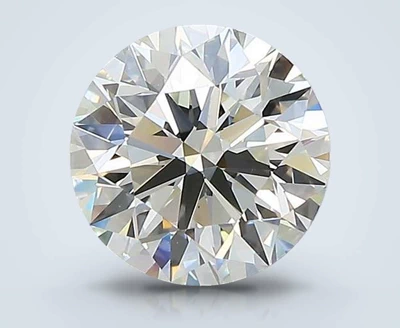
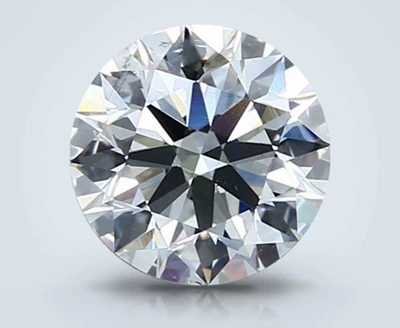
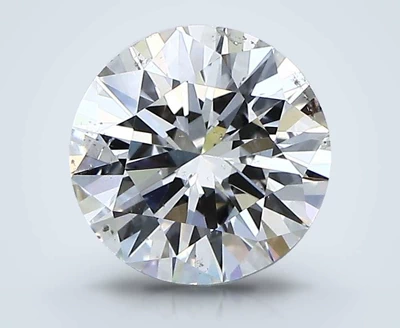
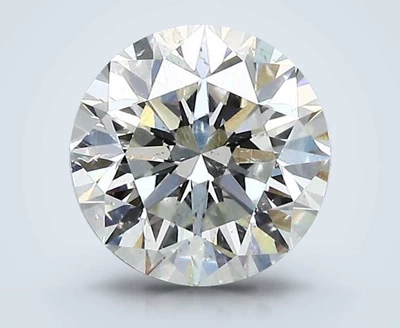
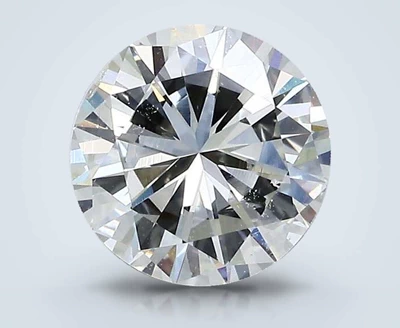
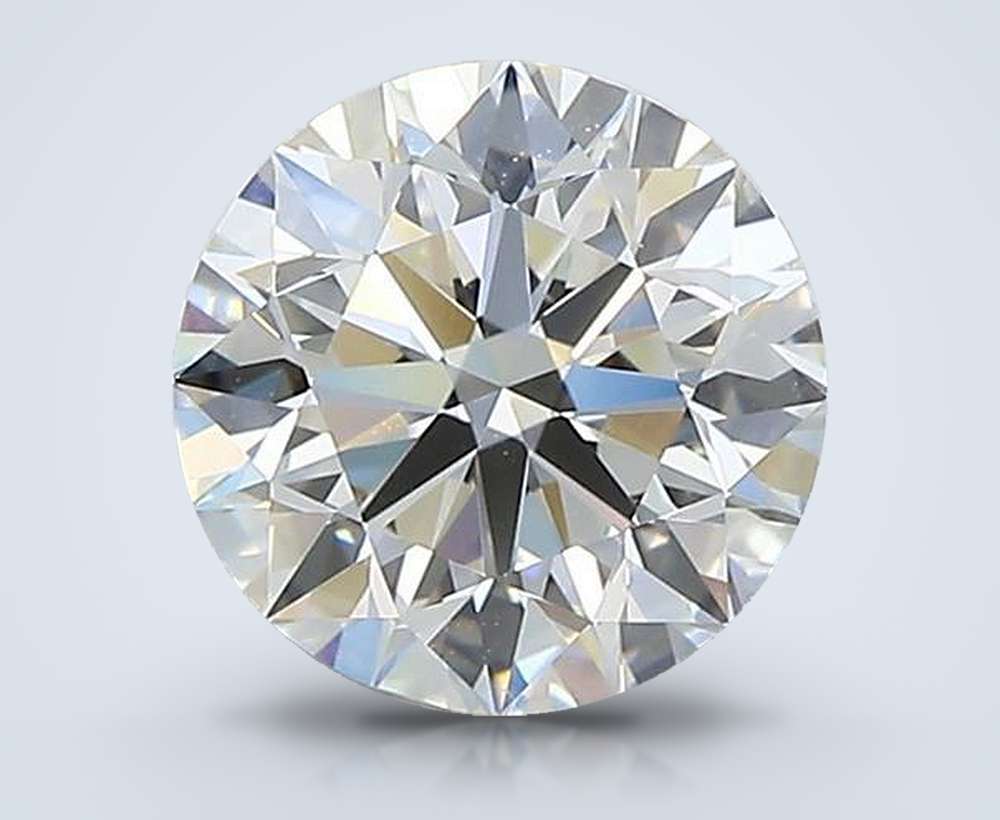
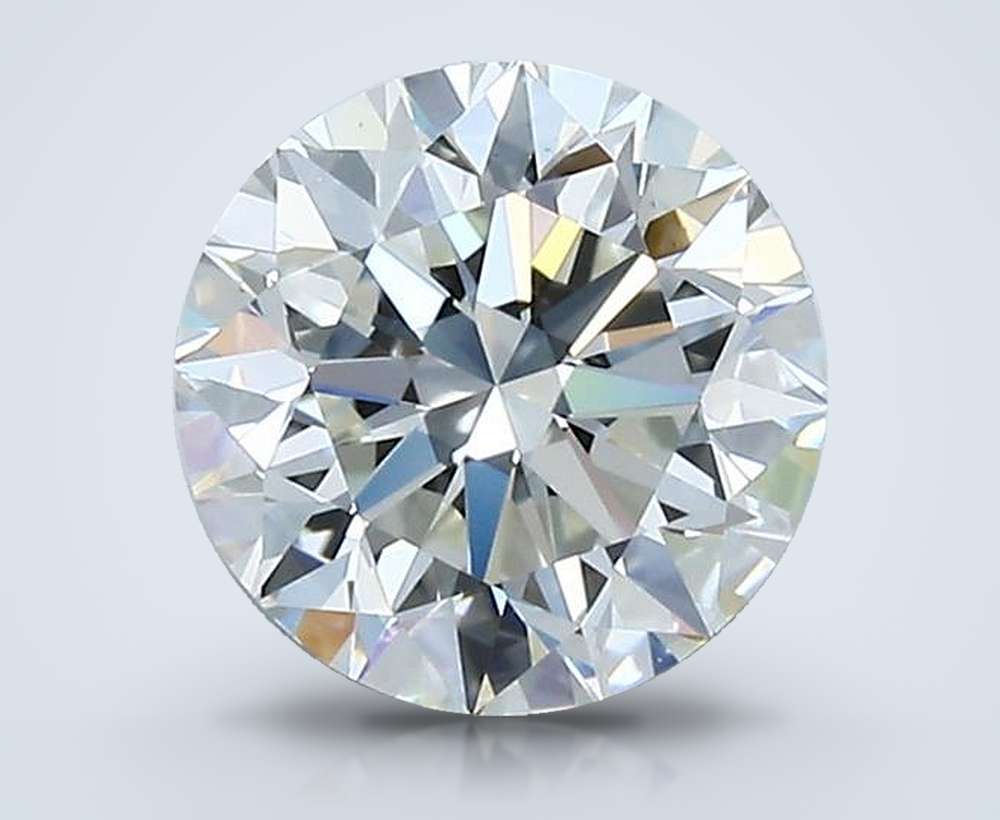
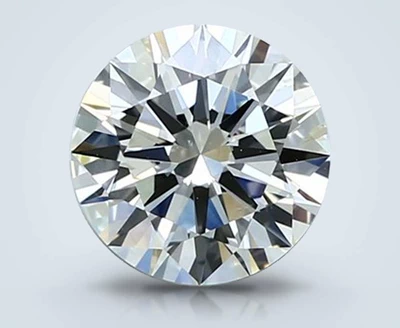
What size is a 1.5 carat round diamond?
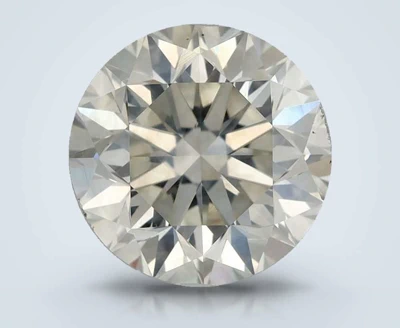
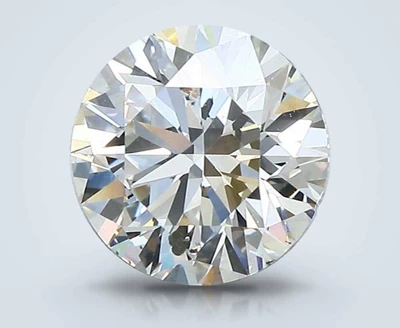
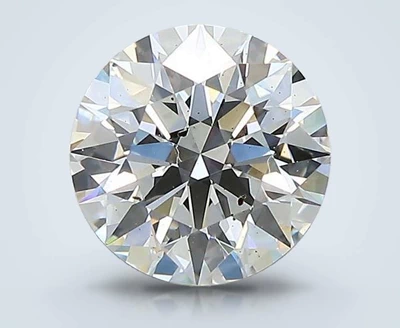
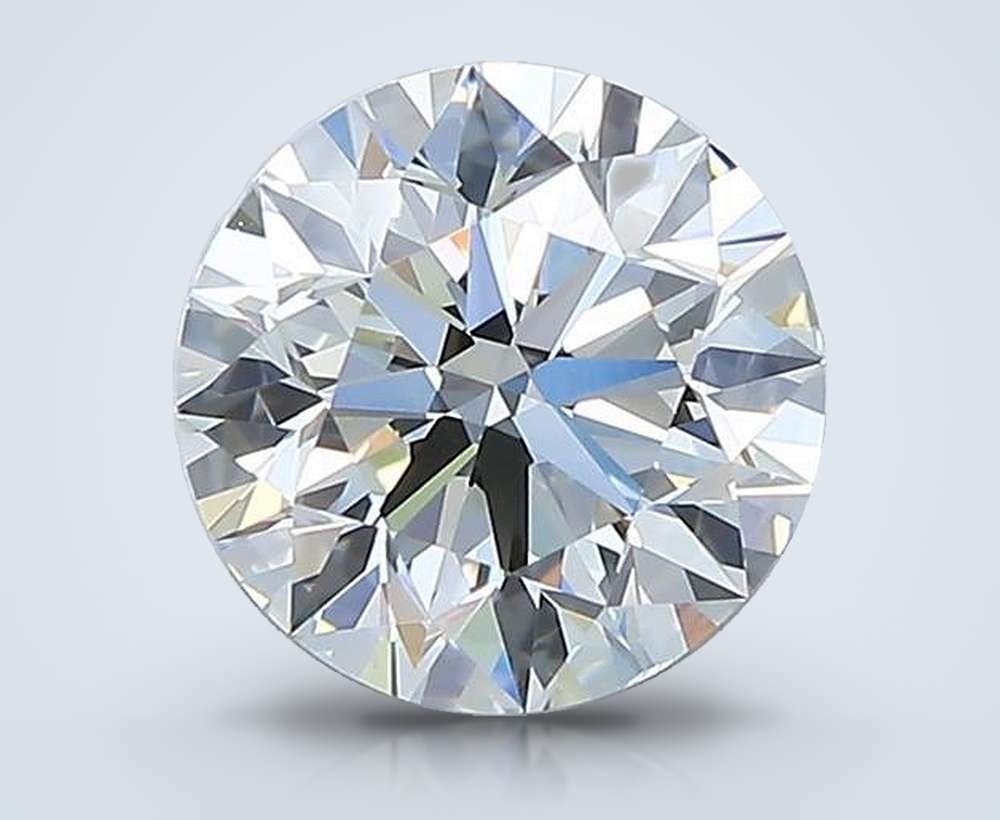
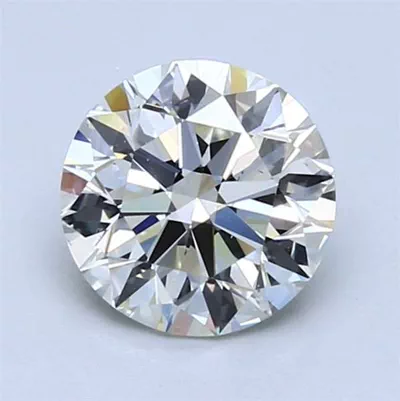
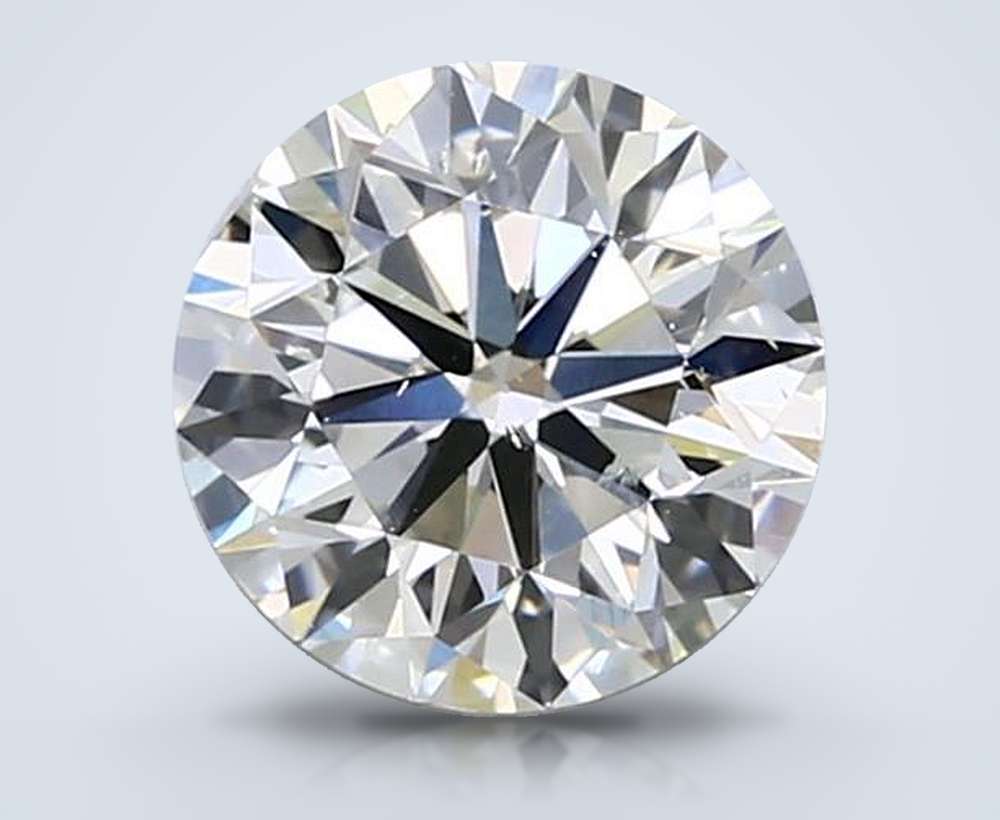
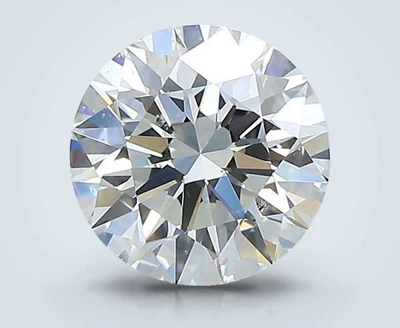
About 7.4 mm across the top when it is well cut, a full millimeter wider than a one carat at about 6.4 mm. That difference is easy to see from across a table. Next to a 1.25 carat round at about 6.9 mm, it is half a millimeter wider again.
On a slender hand this reads as a statement. On a larger hand it looks full and generous without tipping into oversized. If you want it to look larger still, a halo of small diamonds around the center makes it appear bigger, while a plain solitaire with six prongs keeps the focus on the stone and holds it more securely.
Picking a color grade at 1.5 carats
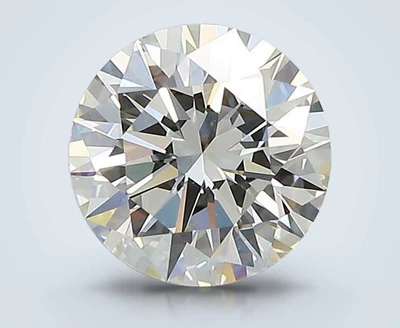
Warmth becomes easier to see as diamonds get bigger, and at one and a half carats a tint you would miss in a smaller round becomes easier to notice. Platinum and white gold show warmth more than yellow or rose gold, so in a white metal a G or H keeps the stone looking icy; platinum solitaire settings are a common match.
If you love yellow gold, an I or even a J can face up white against it, and that saving is real. Decide on the band before you settle on the color grade.
Finding an eye clean stone at one and a half carats
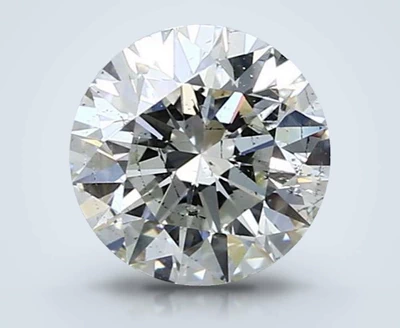
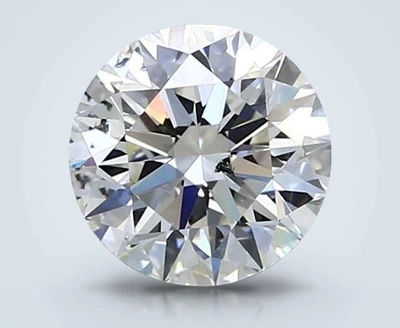
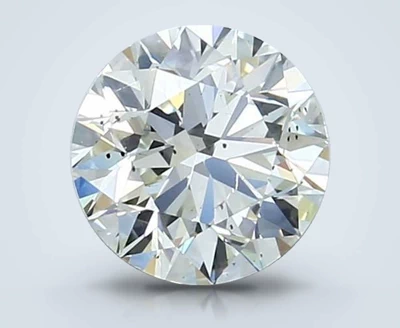
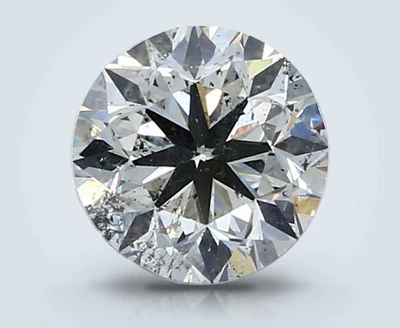
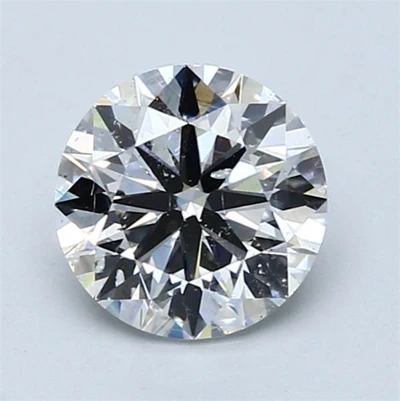
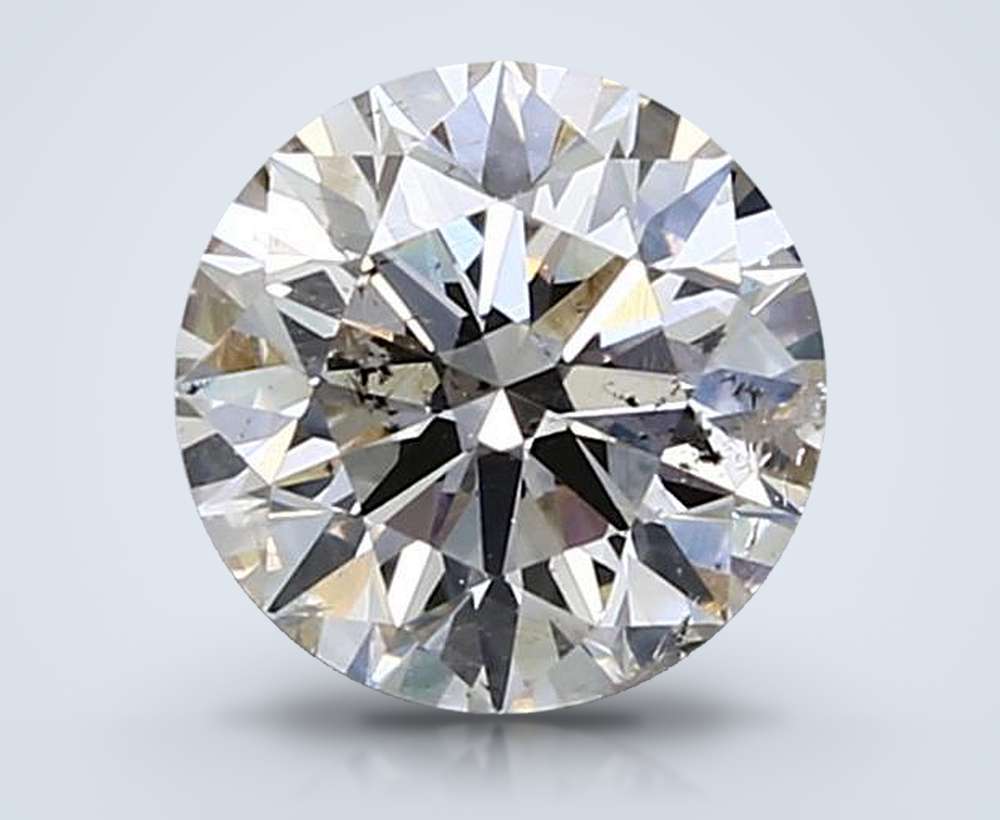
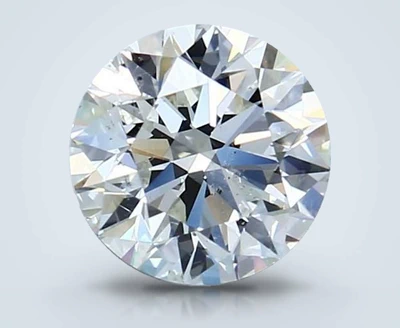
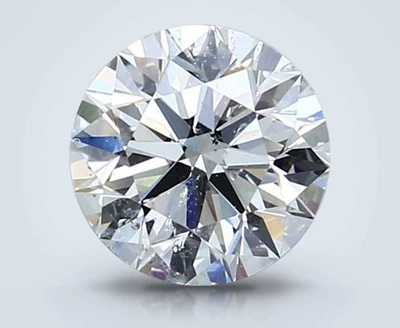
A wider table gives inclusions more room to be noticed, so VS2 is a safer starting point than SI1 at this weight. Some SI1 stones are still clean to the eye, particularly when the inclusions sit near the edge where a prong can cover them, but only the video will tell you which ones.
Look for anything dark under the table, and pass on stones that look hazy or flat as they turn. Keep the cut at Excellent; a dull stone at this size is a lot of money for not much sparkle.
The value case for a mined one and a half
Natural diamonds this large are scarcer than smaller ones, usually arrive with a GIA report and hold their value on resale far better than lab grown stones. A lab grown diamond costs far less up front but resells for little. If keeping value matters to you, natural is the logical pick; if you want the most size, compare with 1.5 carat lab grown diamonds.
Prices also jump at the 1.5 mark, so a 1 1/2 carat diamond that falls a few points short costs noticeably less and looks the same in a ring. If you are stuck between two stones, Rare Carat's gemologists will talk it through with you, and because they are paid no commission, the advice is not tied to what you spend.