Why step cuts show more
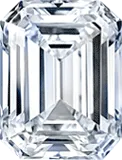
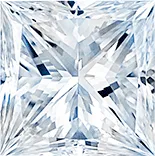
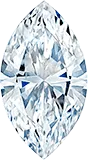
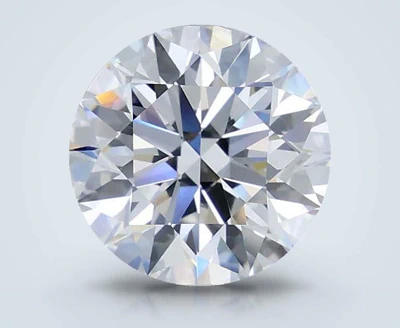
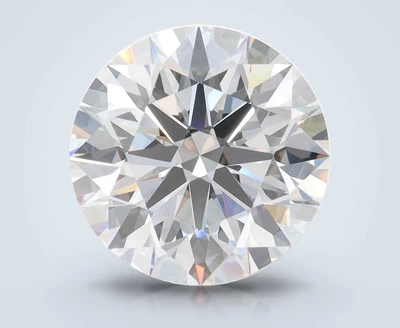
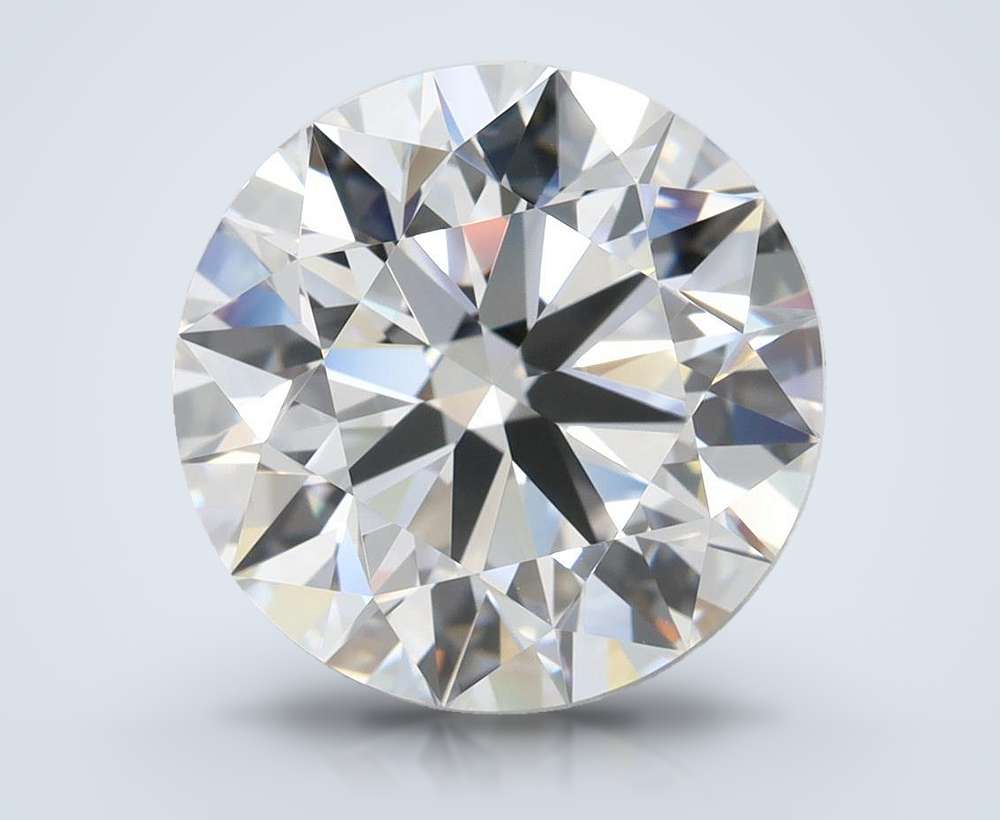
Step cuts have long, flat facets in parallel rows instead of the many small facets of a brilliant, so they flash with broad planes of light rather than scattered sparkle. That open view into the stone is the hall of mirrors look people love, and it is also why an inclusion that would vanish in a round can sit in plain sight in an emerald. Color shows more for the same reason, and both effects grow as the stone gets larger. There is a payoff for that honesty: a clean, white stone of this kind has a calm, glassy look no brilliant can copy, and it reads as quietly confident on the hand rather than flashy, which is exactly why some people choose it.
Clarity and color floors for emerald and asscher cuts
Treat VS1 or VS2 as the clarity floor for these cuts, and go lower only if the video shows a clean face at full size. For color, step cuts show warmth more than brilliants do, and white gold or platinum shows it more again, so in white metal lean toward colorless, D to F, or the very top of near colorless. Yellow and rose gold give you more room. Size raises the stakes on both counts, since a large emerald or asscher shows more than a small one. On video, look straight down through the top of the stone, where the long facets give the clearest view inside.
Choosing lab grown diamonds over $9,000 in a step cut
Pick the shape, then the ratio, then the grades, then the weight. Emeralds usually run about 1.30 to 1.50 in length to width, with lower ratios looking squarer. Asschers are square, with cropped corners and a windmill pattern seen from above, and they face up smaller than a round of the same weight, so size an asscher by its millimeters. Stop adding carat when the next step would mean dropping below a clean VS grade. See emerald cut lab grown engagement rings and asscher lab diamond rings for settings that suit them.
Lab or natural for a step cut
Because step cuts want cleaner, whiter stones, the price gap between lab and natural is felt most here. Lab created diamonds cost far less at equal size and grade, so the high clarity and color these shapes ask for are easier to reach in a stone grown in a lab. If you prefer a mined stone, compare natural emerald cut diamonds, and remember that natural holds its value better on resale.