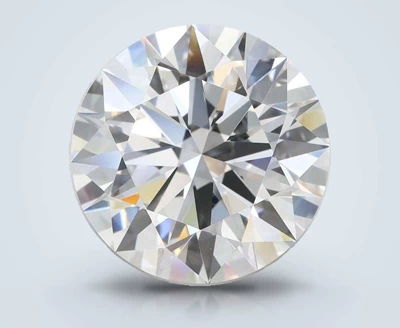
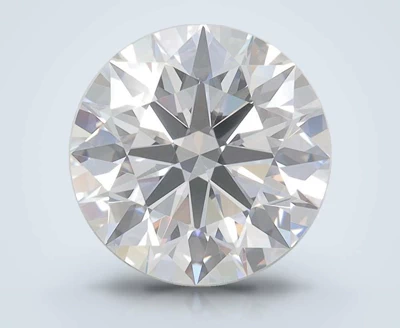
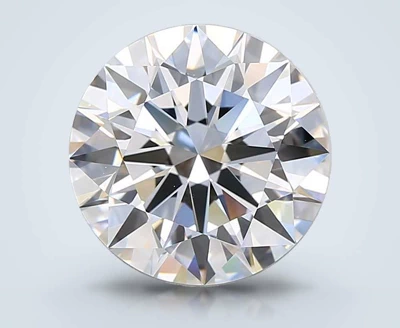
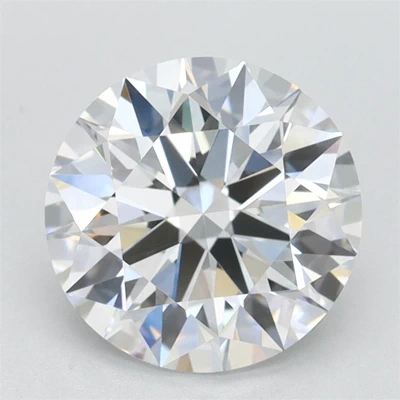
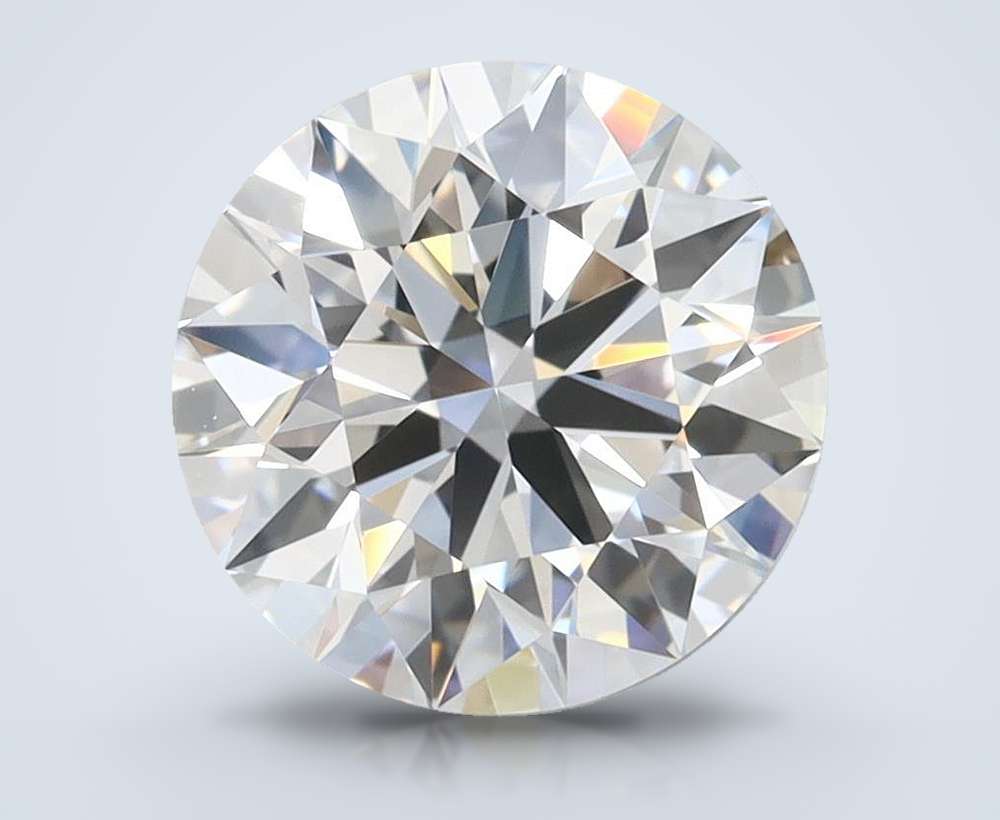
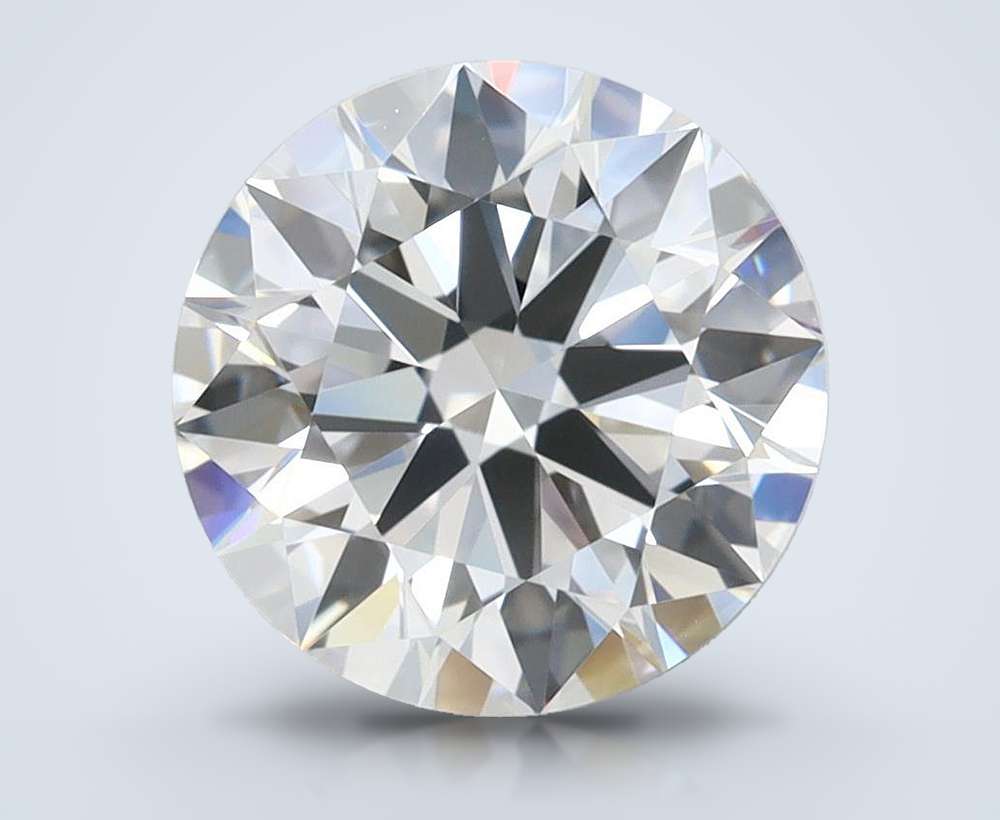
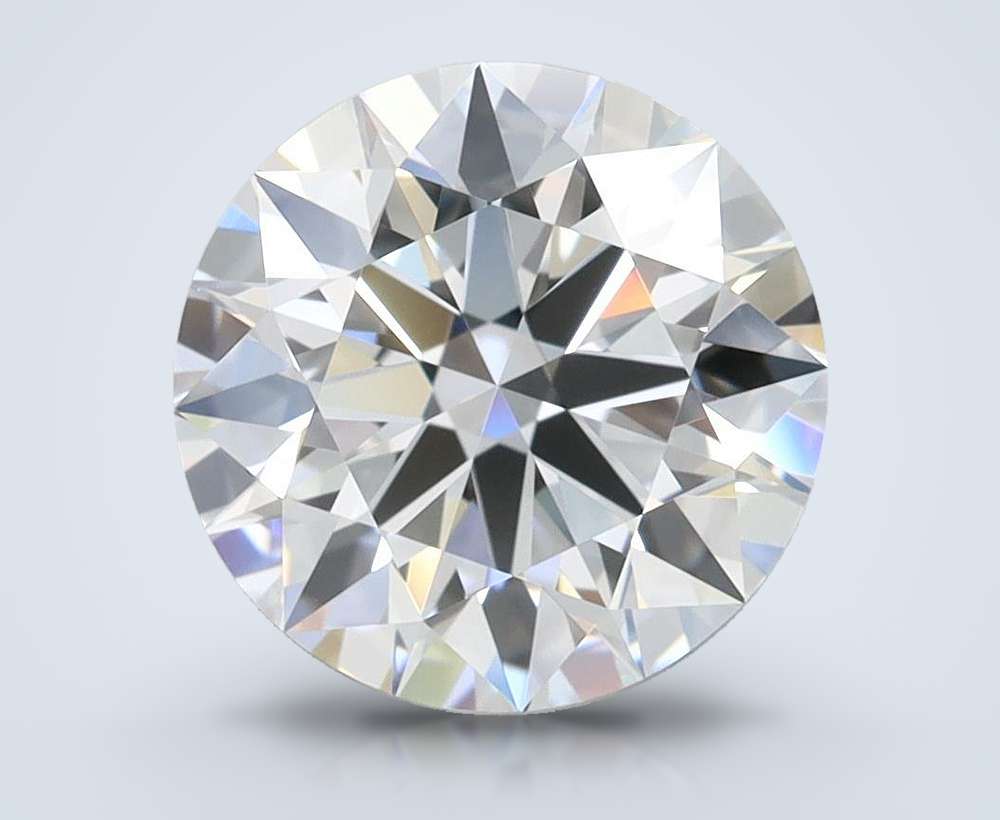
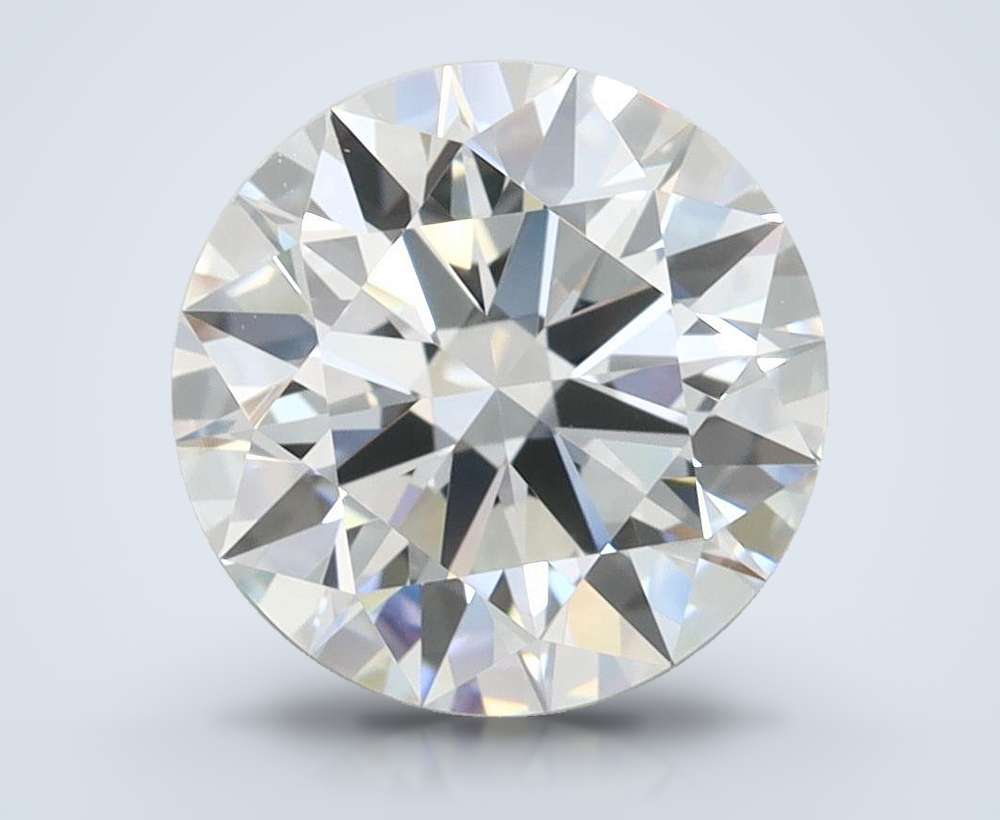
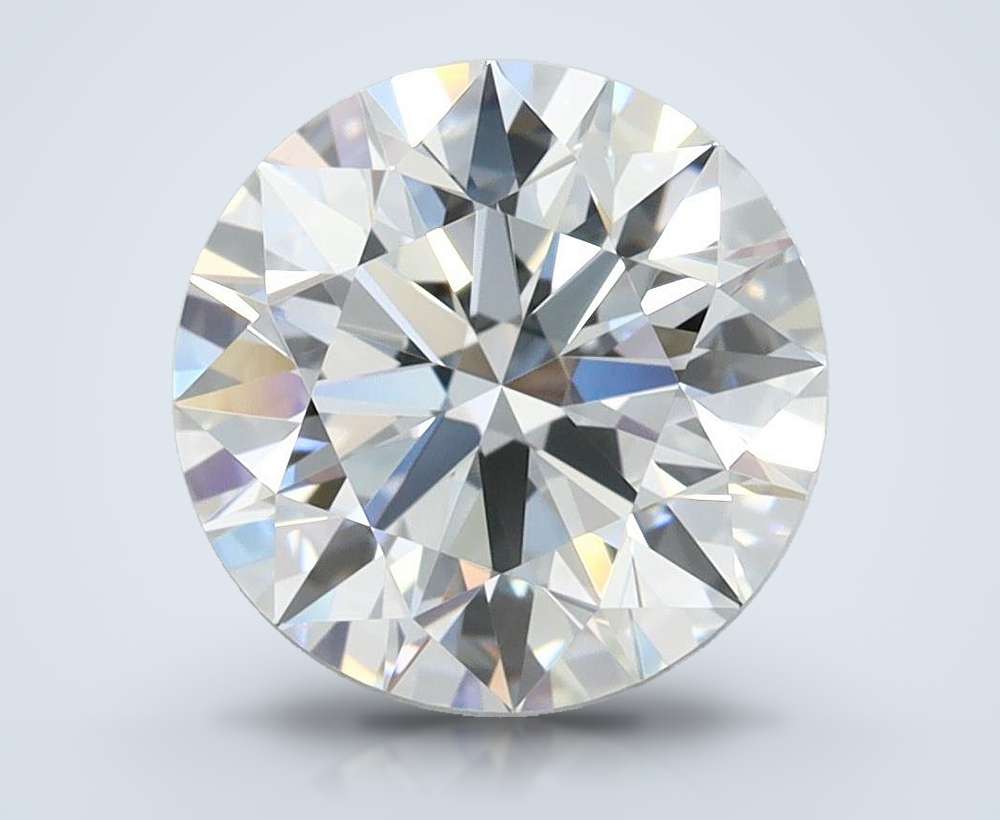
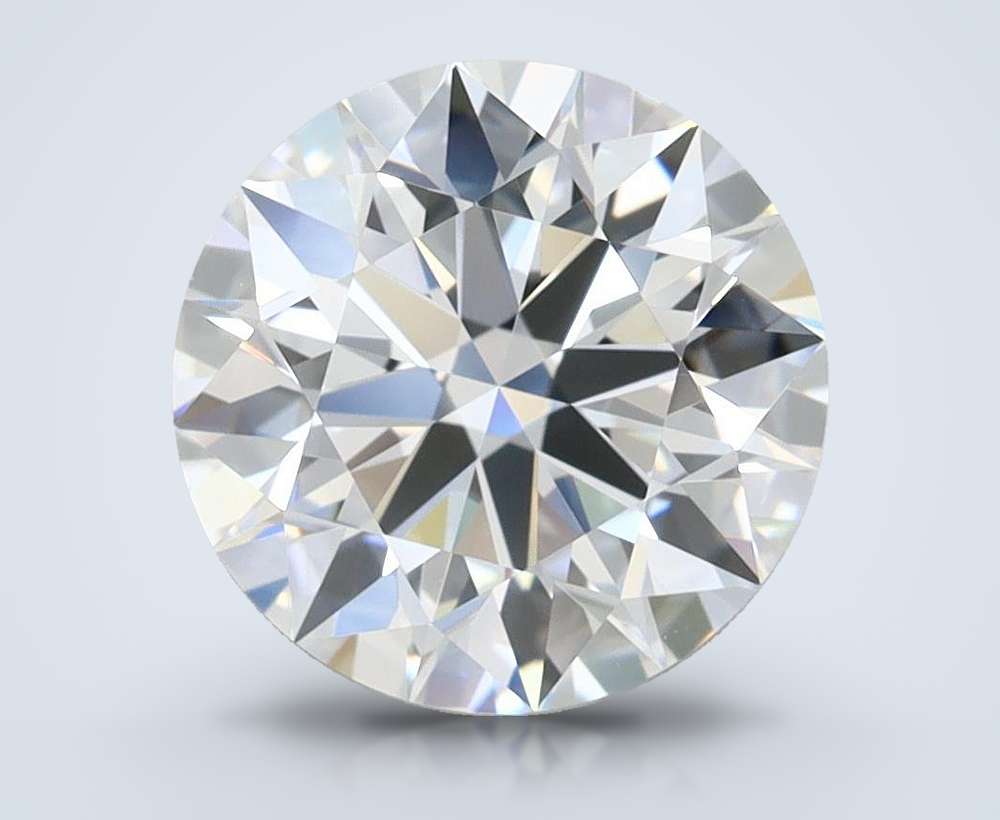
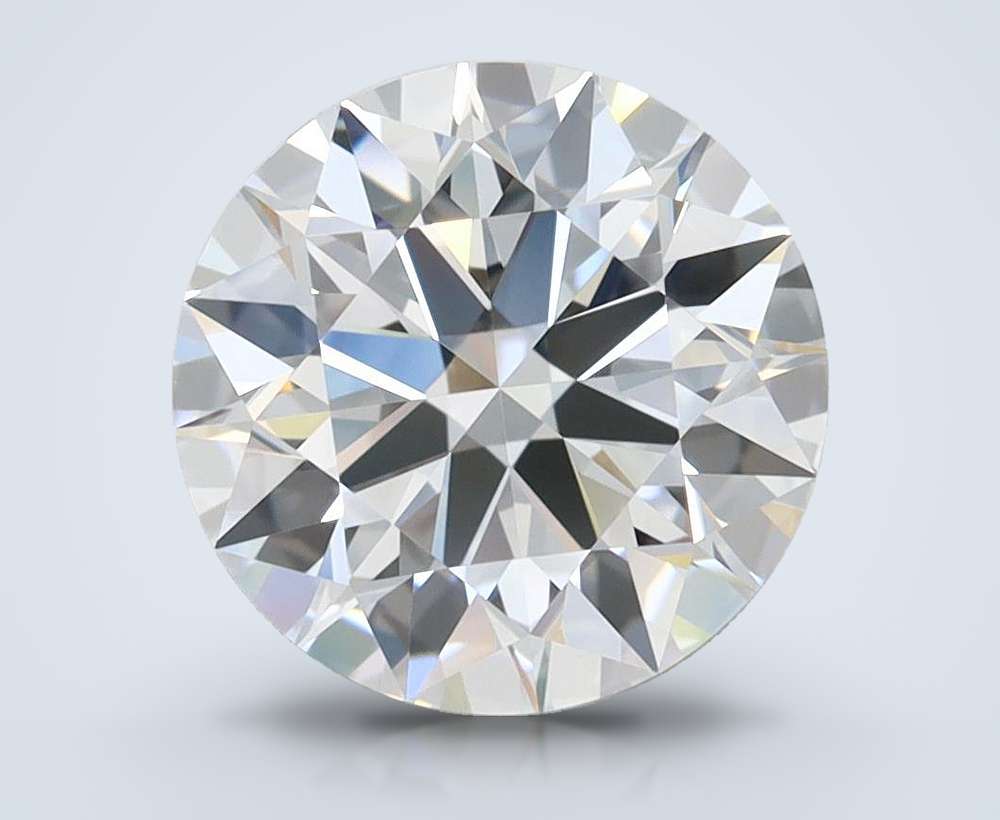
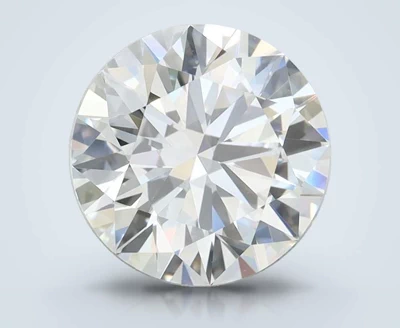
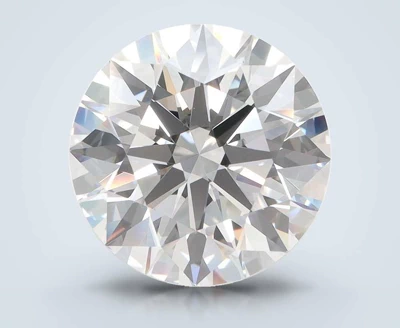
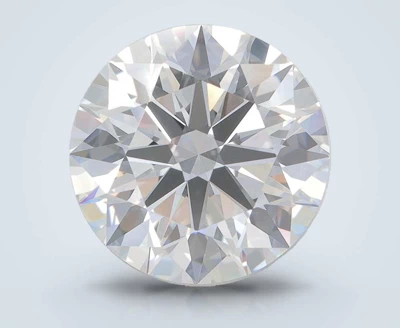
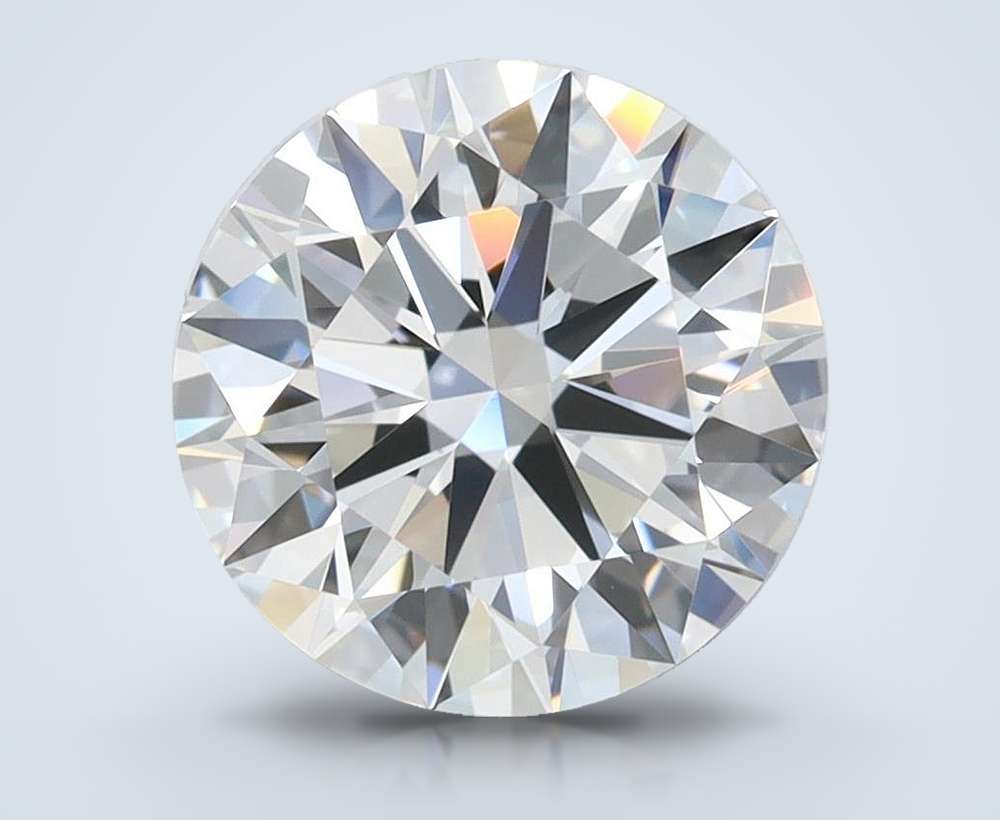
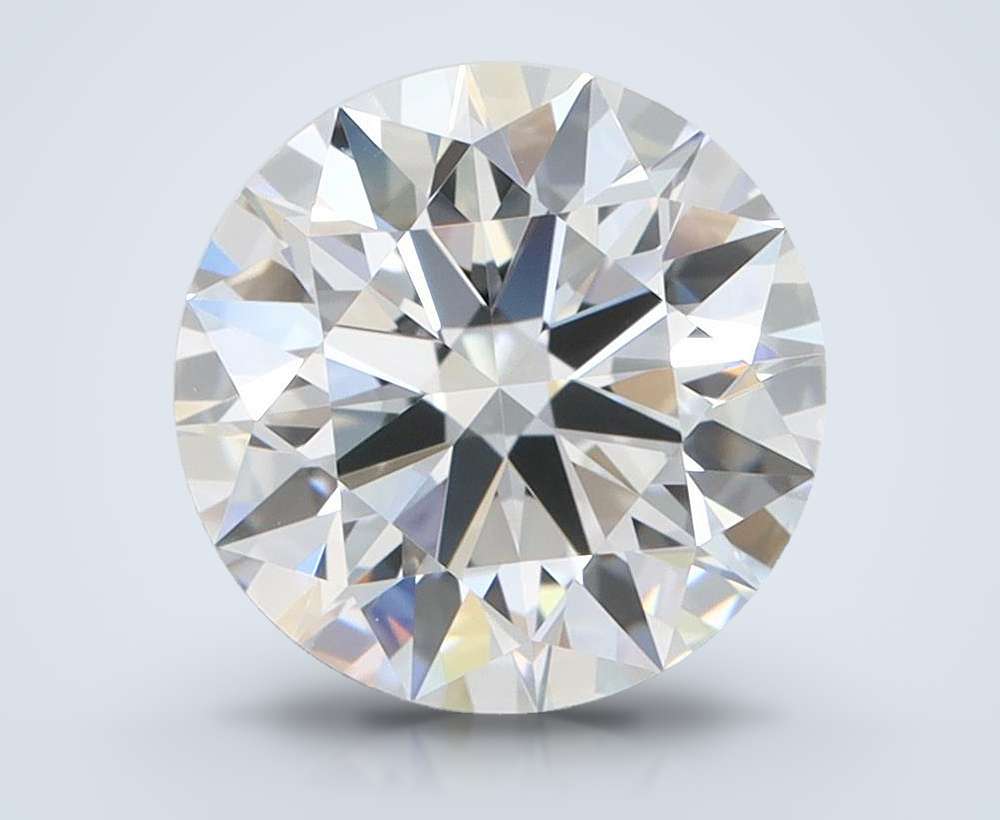
Judging a fancy shape without a cut grade
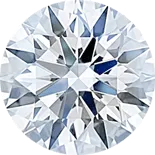
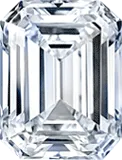
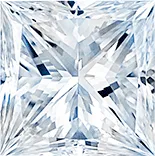
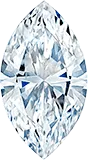
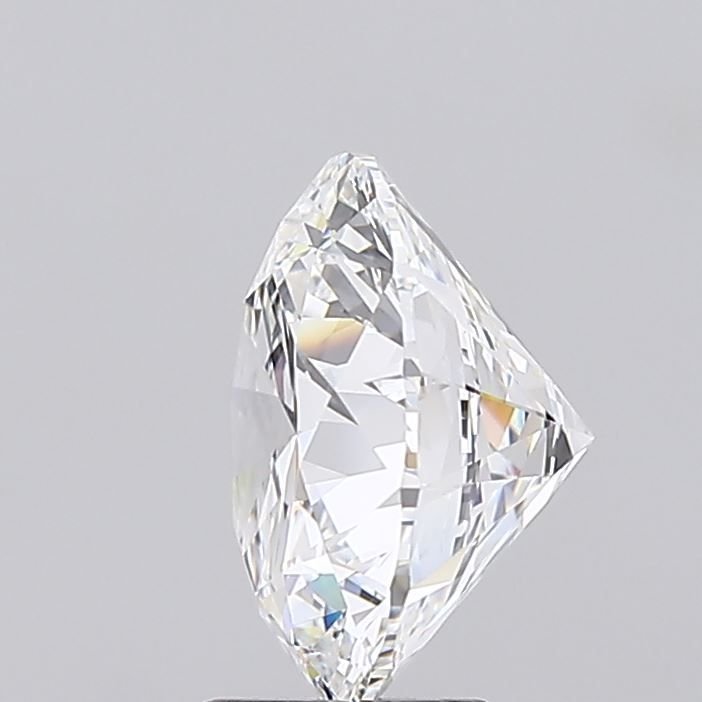
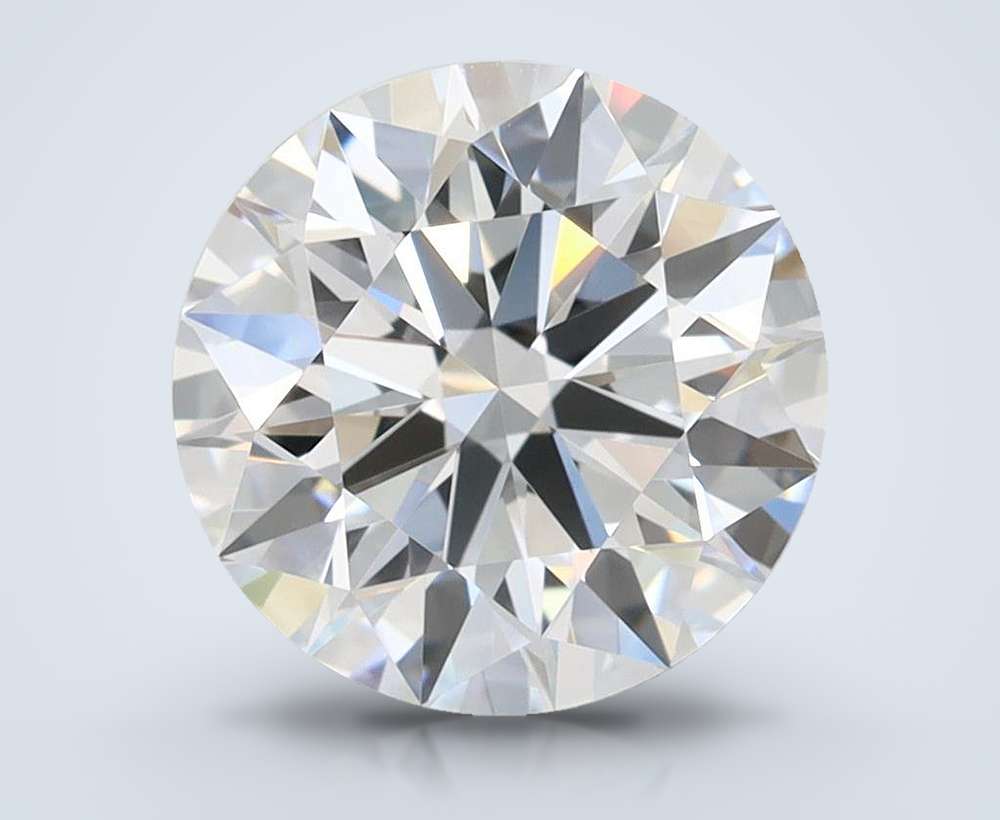
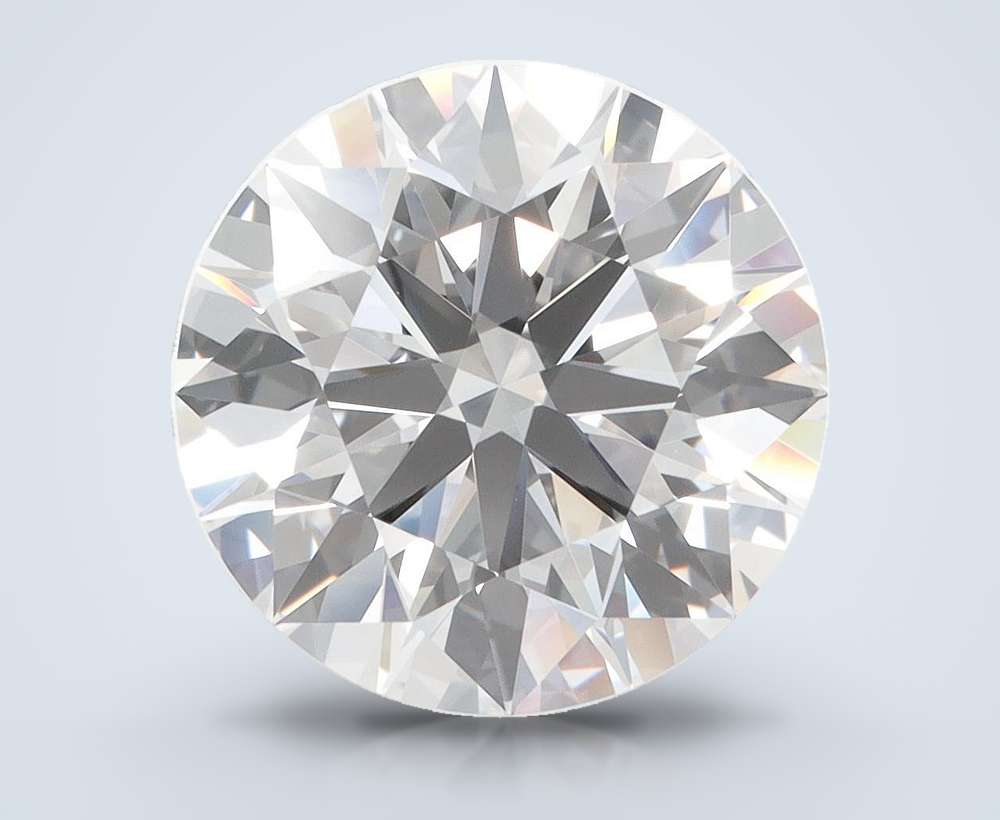
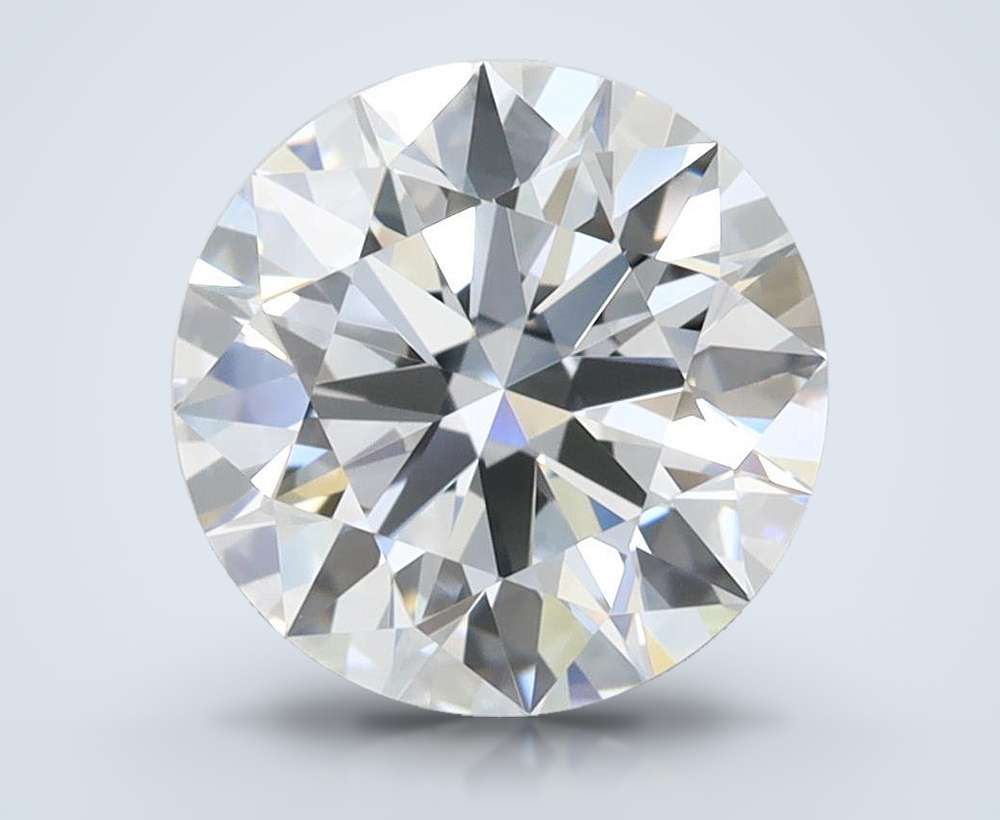
Look at outline, ratio and light, in that order. The outline should be balanced, with matching shoulders on both sides and no flat or bulging edges. The length to width ratio sets the character of the stone, with lower numbers looking fuller and higher ones slimmer; ovals, pears and marquises each have a usual range, and the one you like is a matter of taste. Then watch the 360 degree video for even sparkle from end to end, since an elongated stone that is bright at the tips but dark in the middle is one to pass on.
Bow ties, points and color at the tips
Many elongated brilliants show some shadow across their middle. A light one adds contrast, but a heavy, dark band is a reason to keep looking, and only video shows which you have. Pears and marquises gather color at their points, so choose a color grade with that in mind and protect every point with a V prong. Hearts need close symmetry so the two lobes match, and they read best from about 1 carat up.
Settings that flatter a fancy shape
Fancy shapes look their best in settings built around their outline. An east west setting turns an oval, pear or marquise sideways across the finger for a modern twist. A halo traces the outline and makes the center look larger still. A bezel suits pears and marquises on active hands, because it wraps the points in metal. Whatever style you pick, make sure every point and corner is covered before you fall for the look.
Choosing among lab grown diamonds over $8,000 in fancy shapes
Pick the shape by how it looks on your hand, then filter for ratio, then compare finalists on video. Elongated shapes cover more finger and look larger per carat, so stop adding weight once the outline already spans as much of the finger as you like; after that, extra carats mostly add length. See marquise lab grown engagement rings or heart lab diamond rings for finished designs, and lab diamonds at five figures if your floor rises. Color and clarity follow the usual logic for a brilliant: keep the face clean on video and choose color for the metal, remembering that white gold and platinum show warmth more and that tips gather it. Lab grown stones usually come with an IGI report, so read its measurements to confirm the ratio you are paying for.