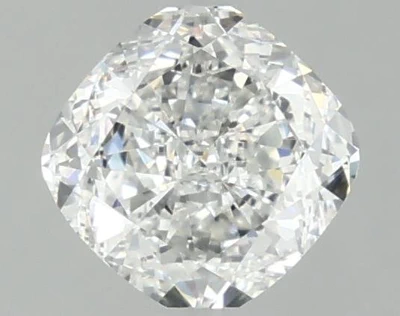
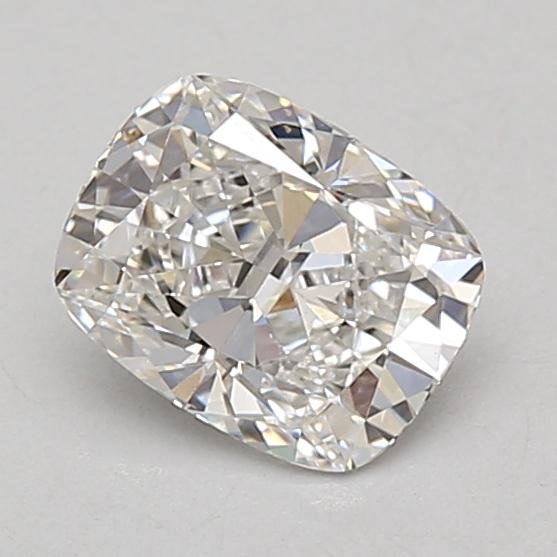
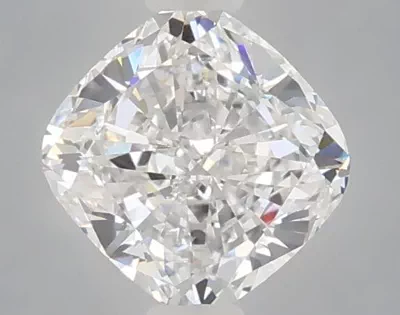
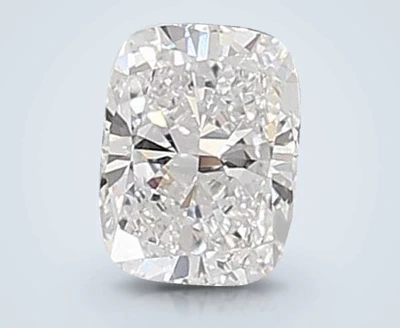
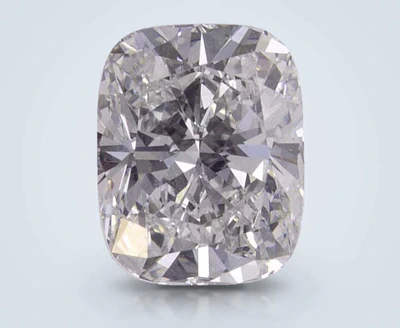
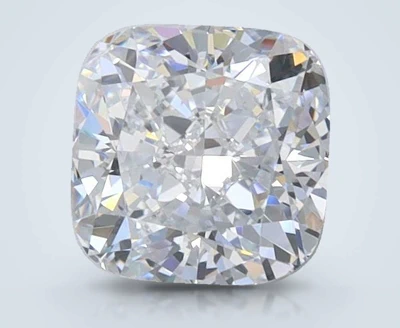
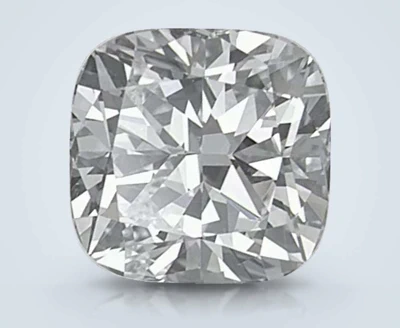
A soft outline with big facets
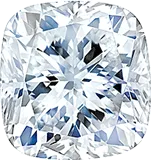
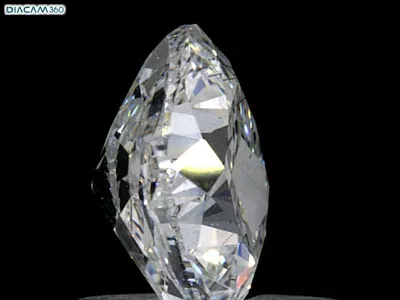
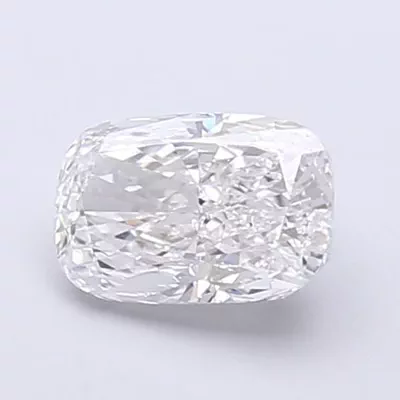
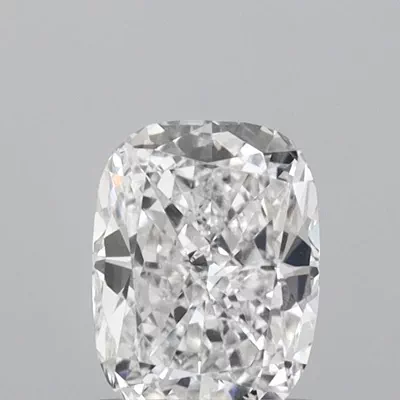
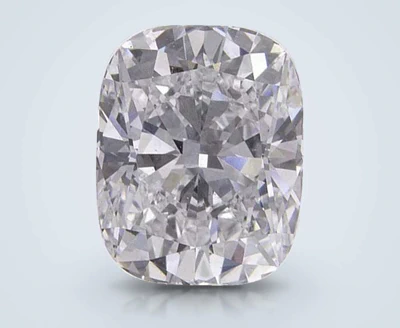
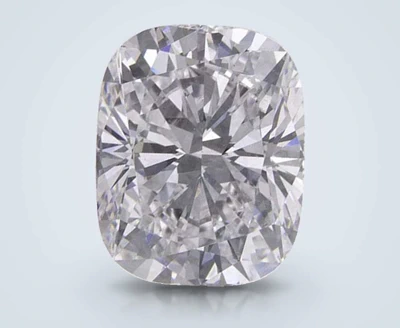
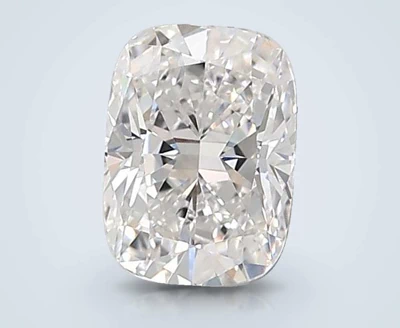
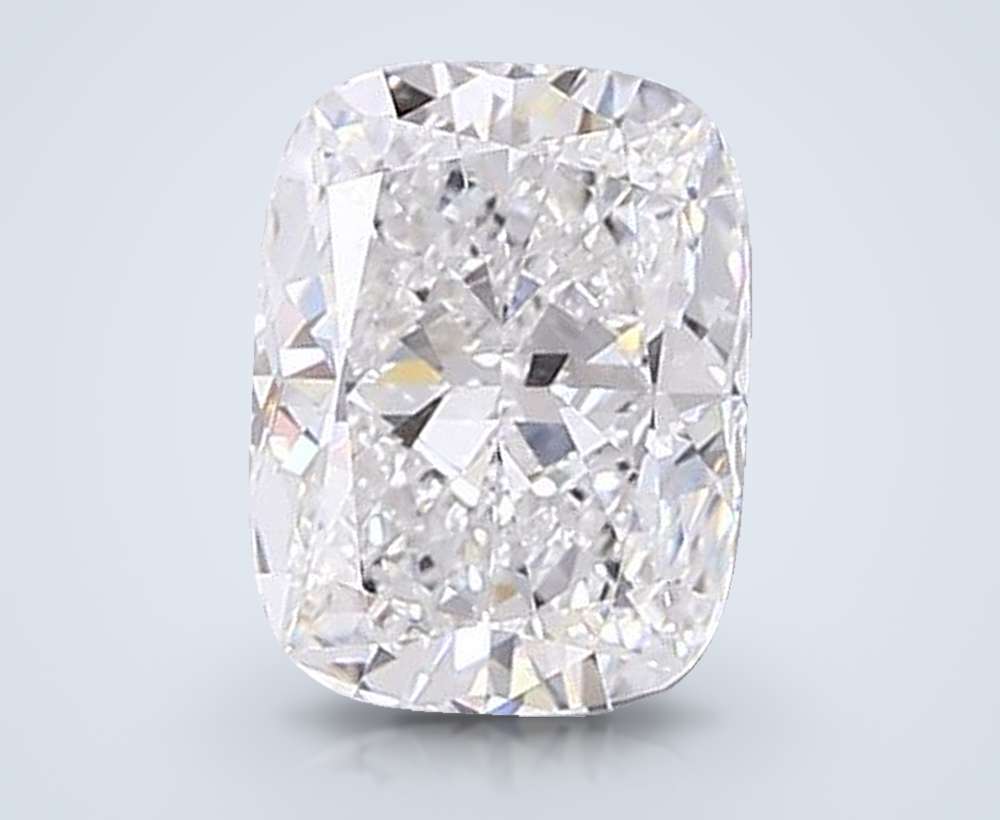
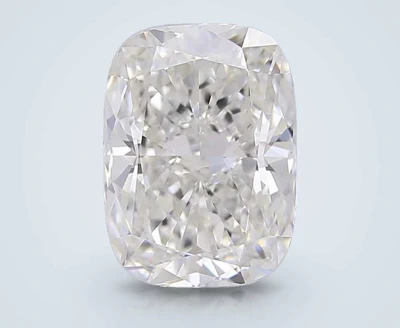
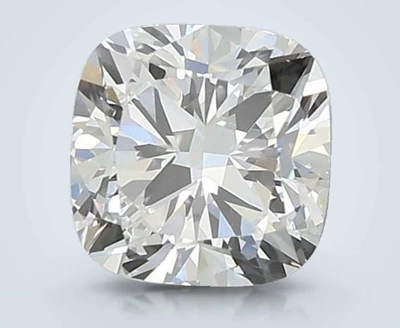
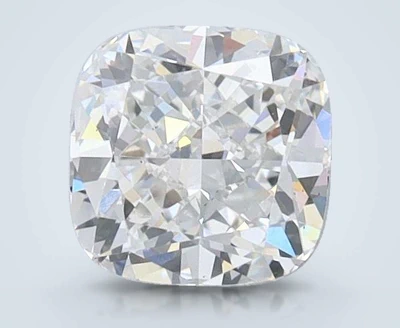
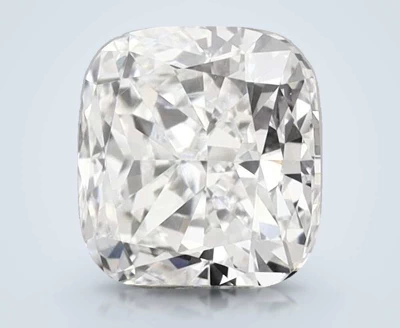
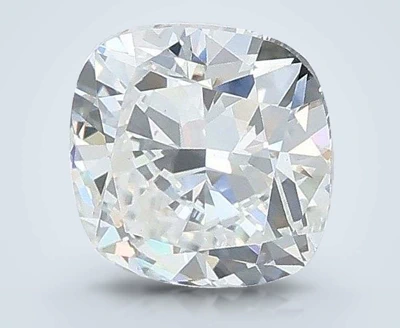
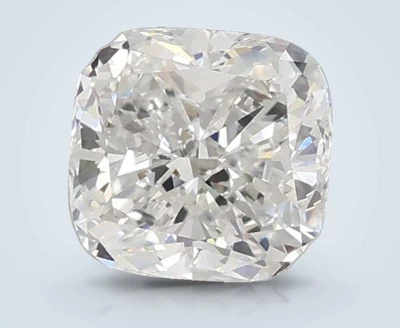
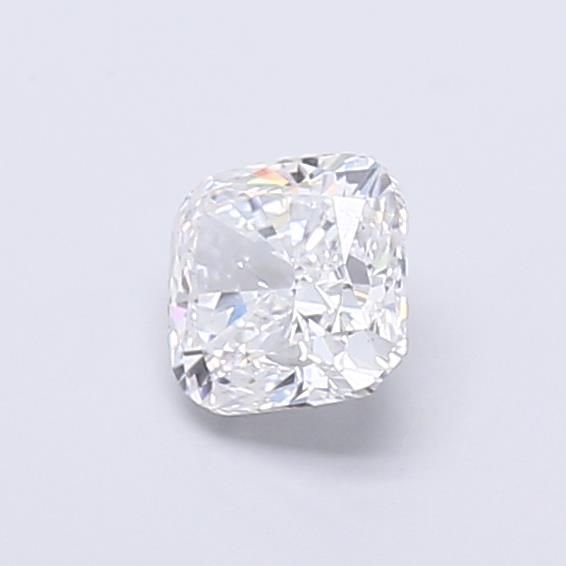
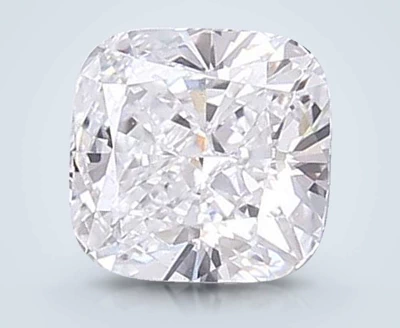
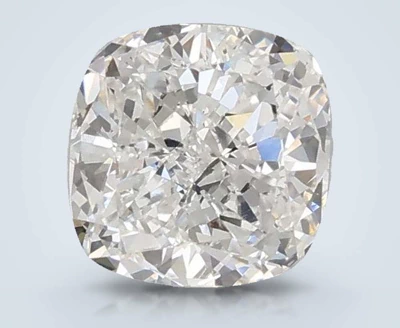
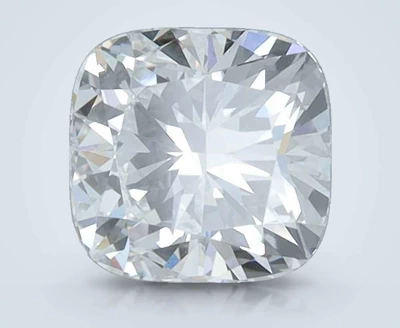
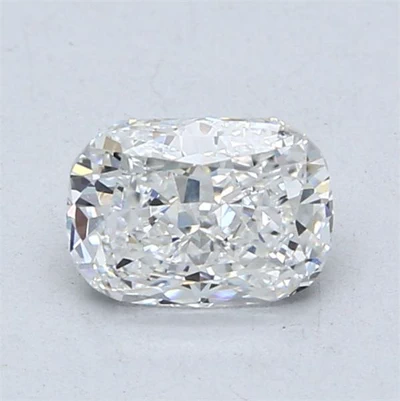
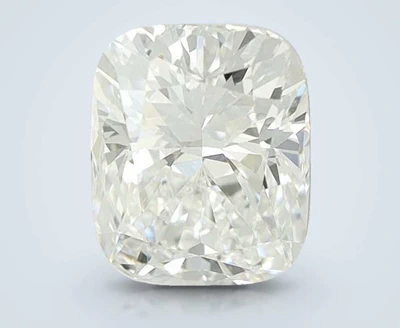
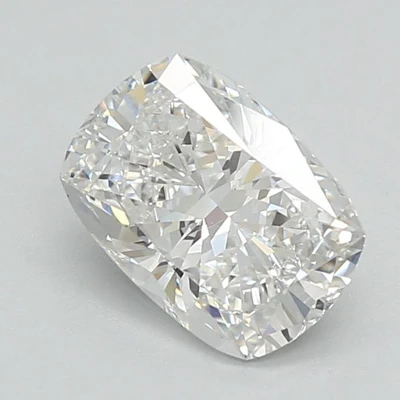
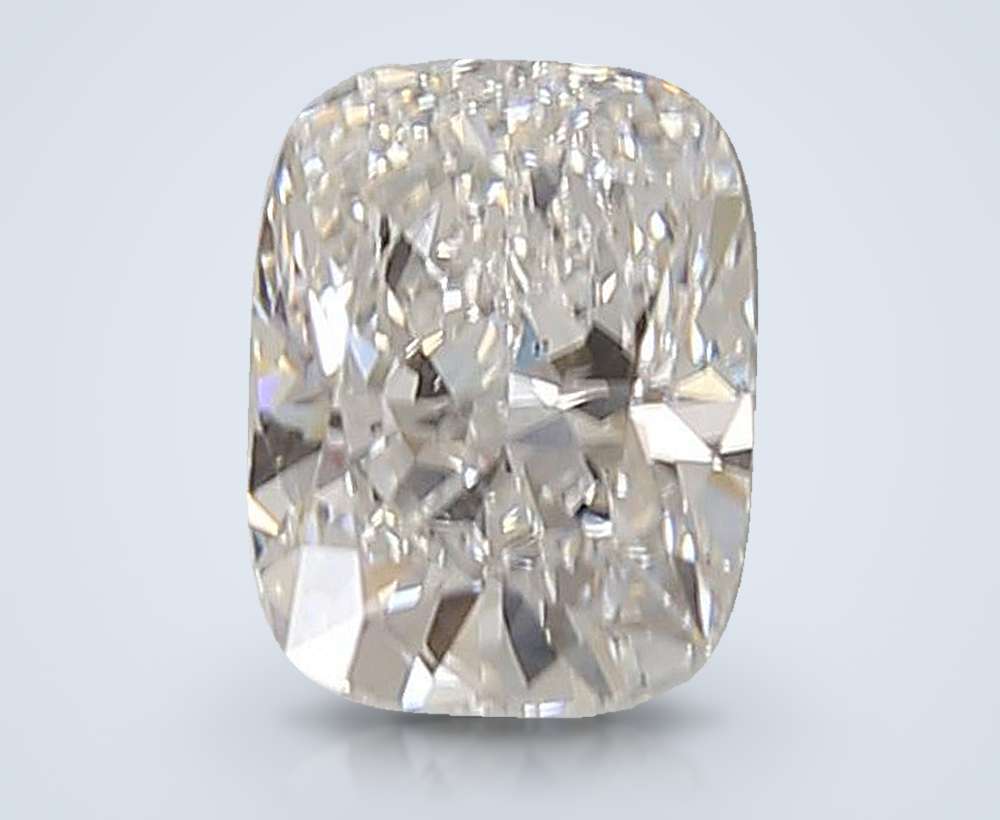
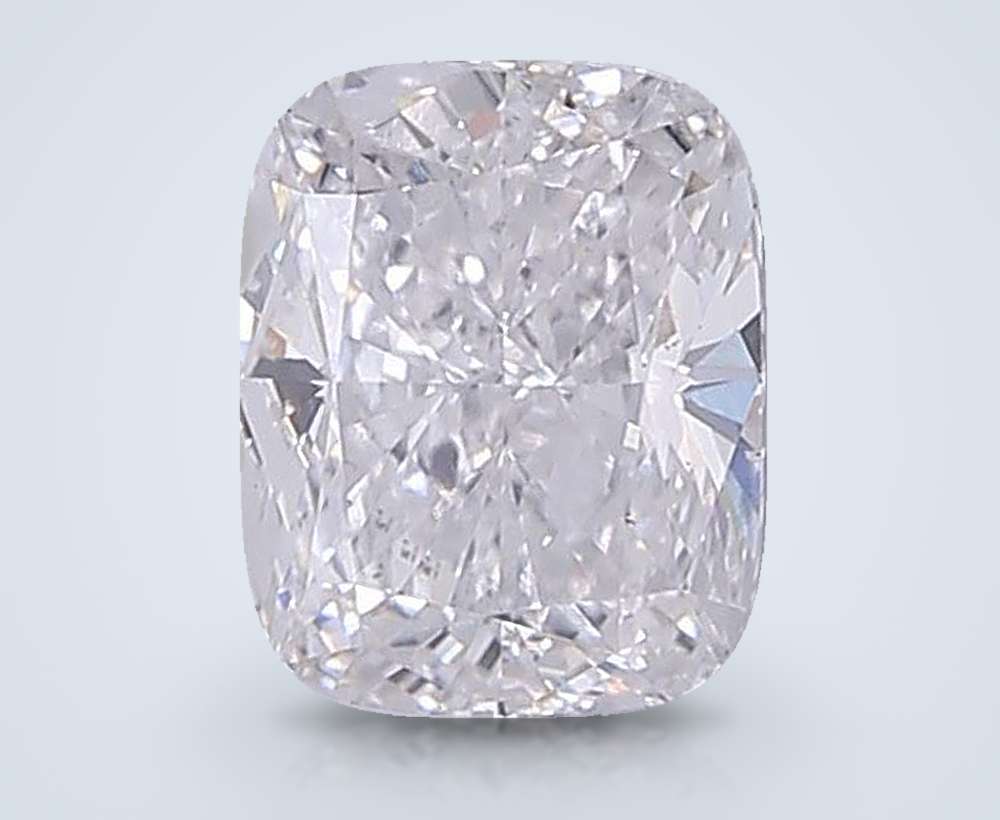
Cushions are brilliant cuts, but their facets are larger than a round's, so the sparkle arrives in chunky bursts rather than fine glitter. The rounded corners have no sharp points to chip, which makes the shape comfortable to wear every day. A lab grown cushion diamond has the same crystal structure, hardness and fire as one from the earth, and only a gem lab instrument can separate them.
Many people read the look as vintage, and it sits well in settings with milgrain edges or engraved shoulders. Because those facets are broad, watch the video to see how each candidate handles light and whether its center stays bright or turns glassy.
Square or elongated cushion cut lab grown diamond?
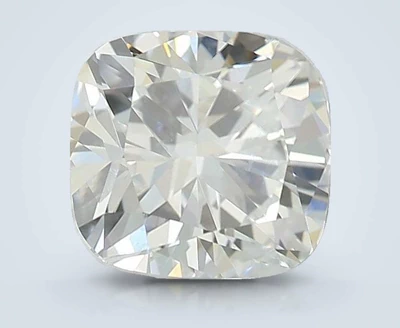
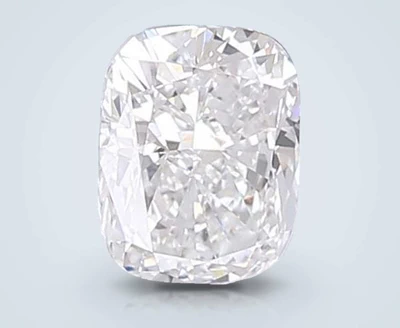
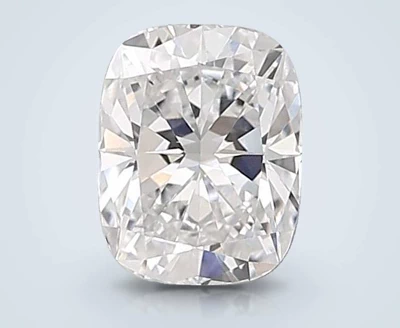
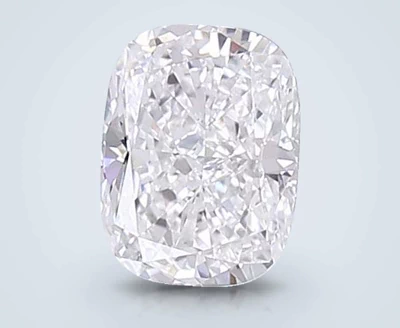
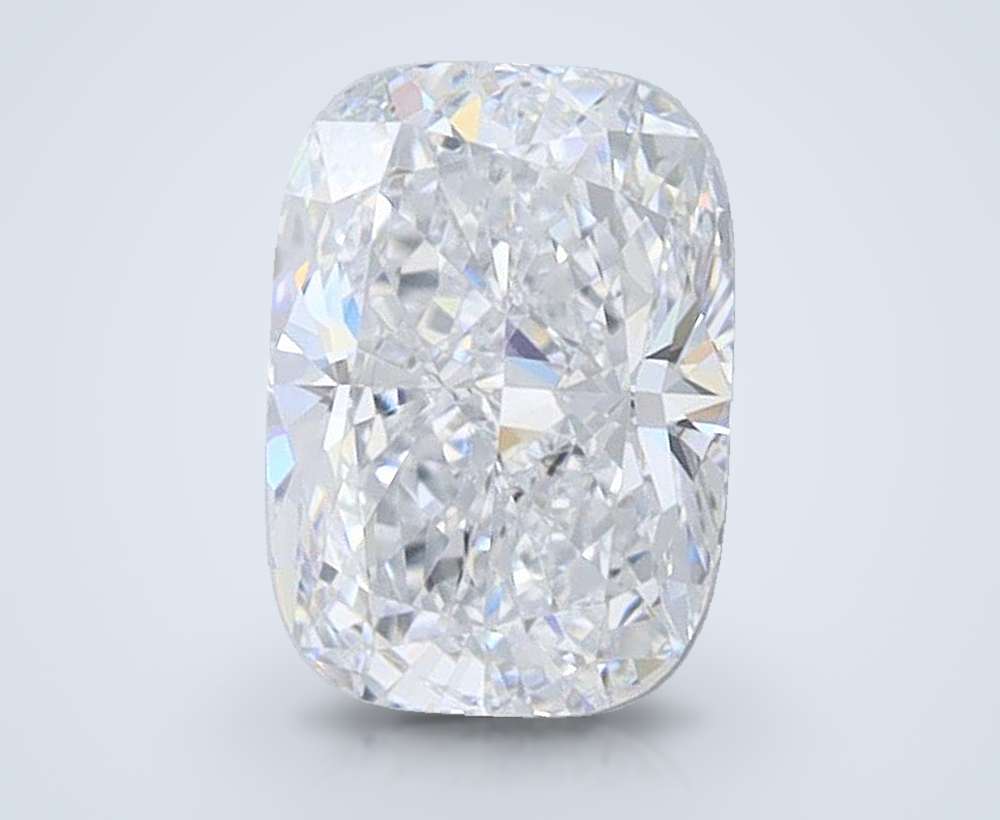
A square cushion, with a length to width ratio of about 1.00 to 1.05, looks balanced and classic and reads the same in every direction. An elongated cushion stretches along the finger, looks bigger per carat and becomes a softer cousin of the oval or radiant.
Neither is better; think about the hand. A square stone can look generous on slim fingers, while a longer one adds length to shorter fingers and helps a modest weight look larger.
Check the ratio on the grading report, which gives length and width, then confirm the outline on video; two stones with matching numbers can still differ in how full their corners look.
Halo, vintage or solitaire?
A halo is the classic partner here: a ring of small diamonds traces the rounded outline and makes the center look larger. Browse halo engagement settings to see how much that frame adds. A band with milgrain or filigree leans into the old world feel, while a plain solitaire lets the stone stand alone, held at the corners by four prongs. Metal changes the mood as well: rose gold warms the soft outline, while platinum keeps it cool and bright. You can see finished pairings on cushion lab grown engagement rings.
Where to spend on a cushion
Put cut and color first. Fancy shapes carry no single cut grade from GIA, so judge proportions and light return on video instead of looking for one label. For color, near colorless or better suits white gold and platinum, and yellow or rose gold lets a warmer stone pass as bright.
Clarity can relax. As a brilliant, a cushion lab diamond often looks eye clean at VS2 and at many SI1 grades. If resale value matters to you, a mined stone holds it better than lab grown; compare natural cushion cut diamonds side by side.