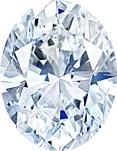
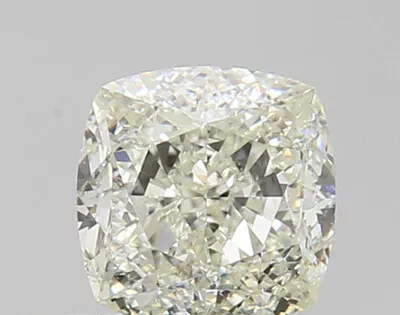
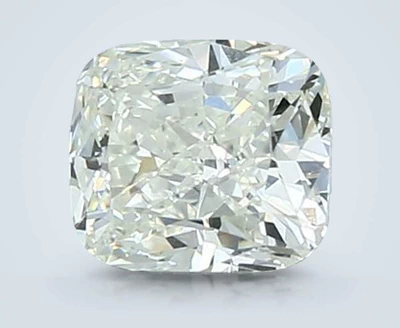
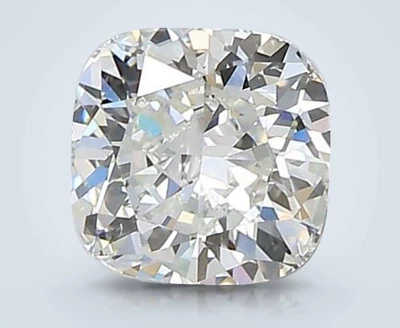
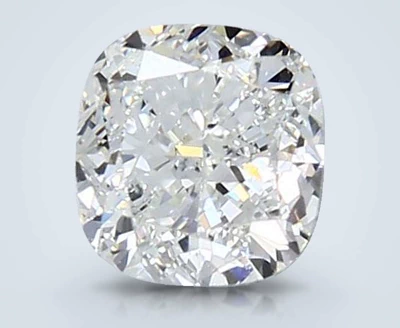
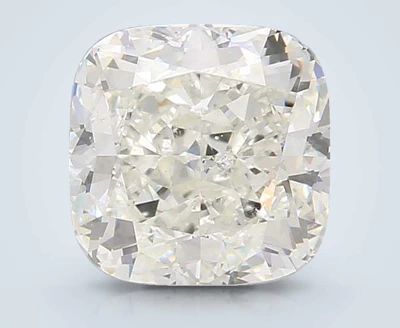
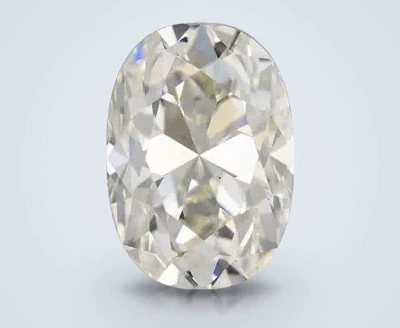
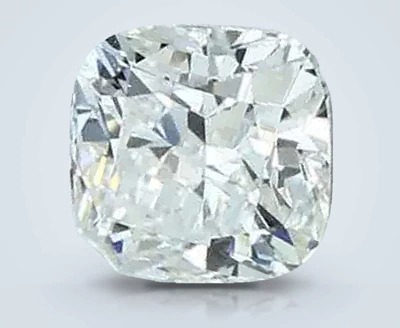
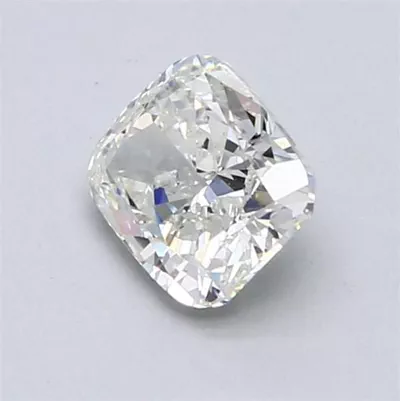
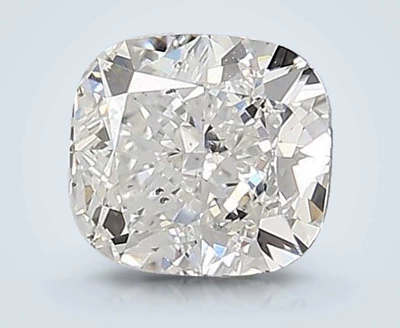
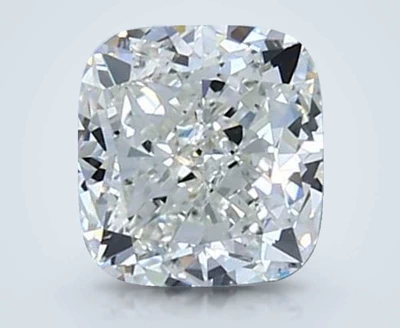
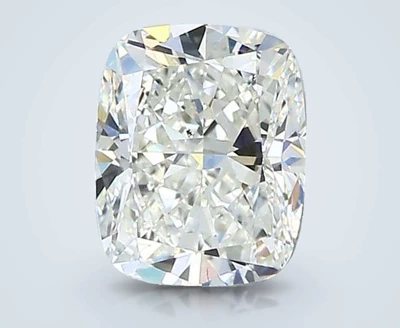
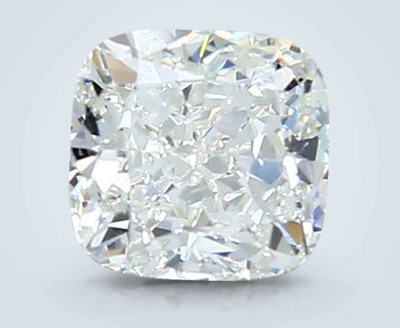
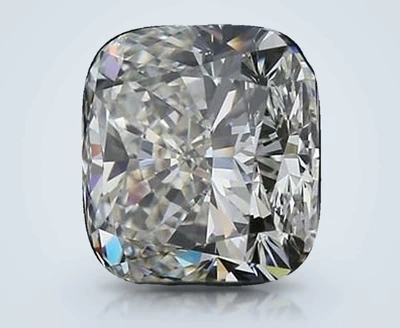
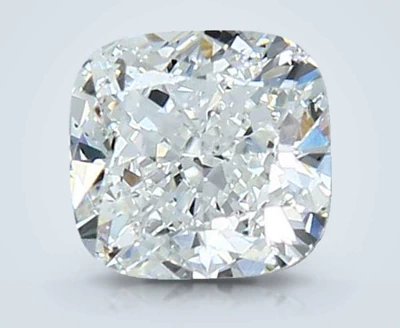
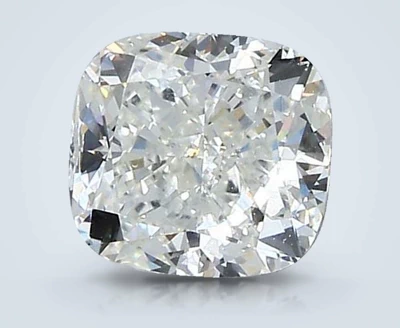
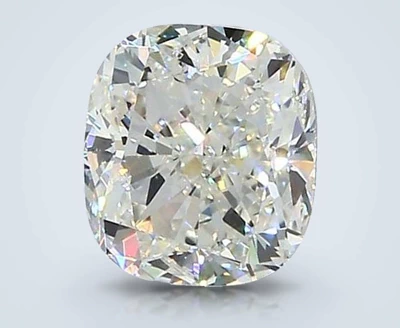
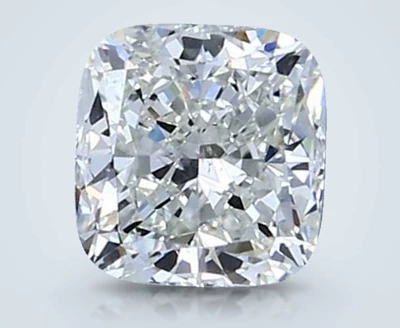
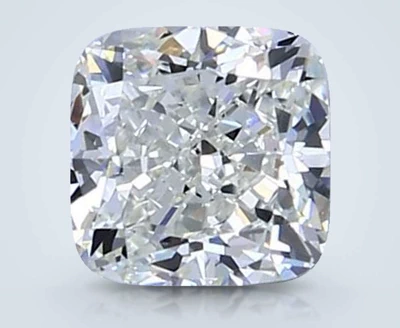
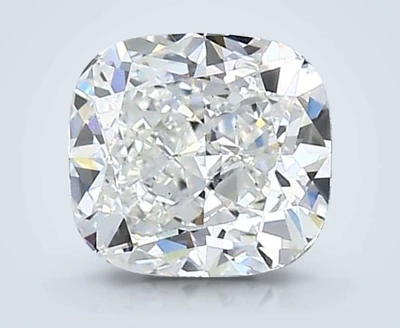
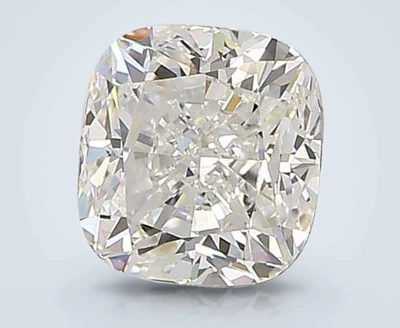
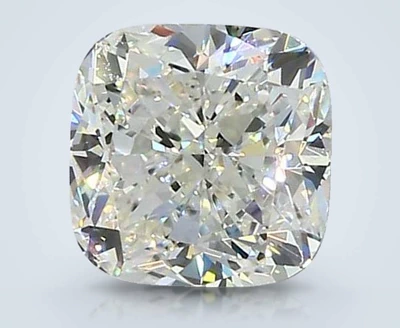
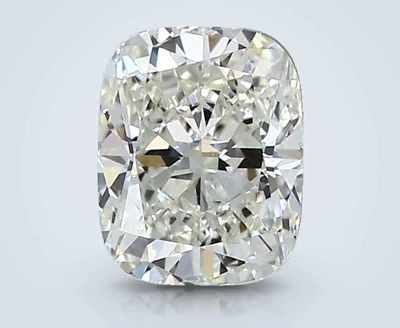
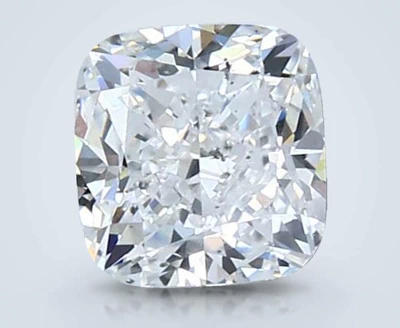
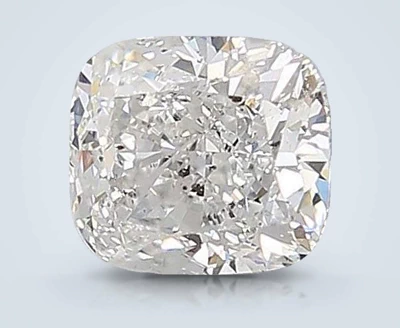
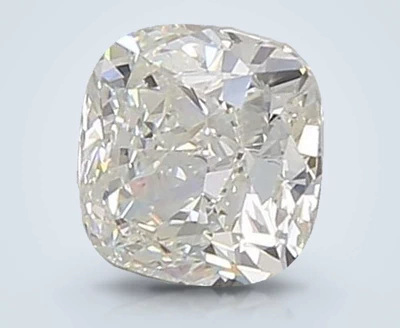
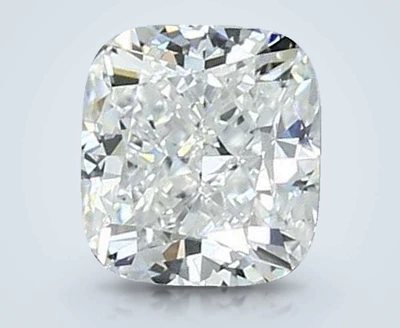
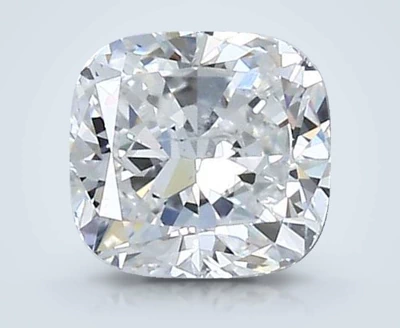
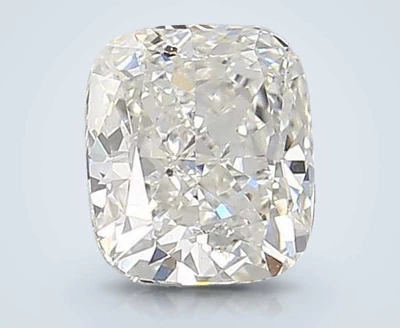
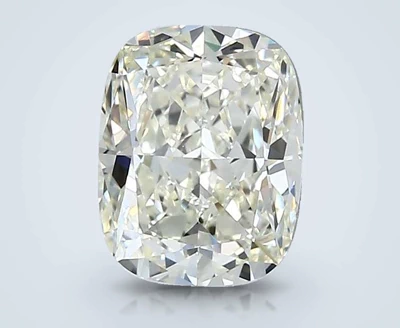
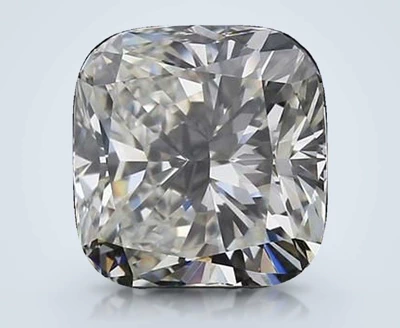
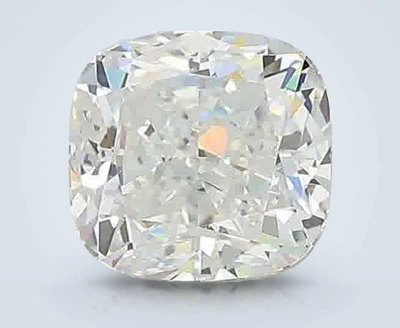
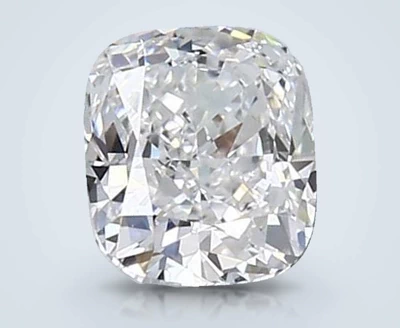
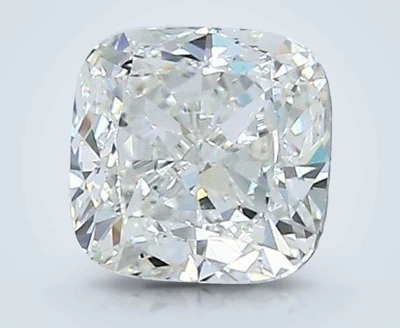
Who a 1 carat cushion cut diamond suits
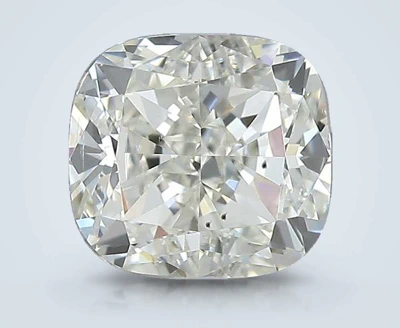
It suits people who want a stone that sits between a round and a square in feel. The rounded corners make it easy to wear, and the large facets throw bold, chunky flashes of light rather than the fine glitter of a round brilliant. With no sharp corners, it does not need the extra corner protection a princess cut asks for. The shape also pairs naturally with vintage inspired settings, where milgrain edges and filigree complement the soft corners.
For reference, a round of one carat is about 6.4 mm across. An elongated cushion spreads its weight along the finger and looks bigger per carat than that round, while a square one gives a balanced, pillowy outline that sits neatly in a solitaire or halo.
Square cushions versus elongated ones
A square cushion, with a length to width ratio of about 1.00 to 1.05, looks classic and balanced. An elongated cushion runs longer and slims the finger, closer to an oval in effect but with the softly squared corners that define the shape.
Choose the outline first, then shop within it. The report lists the measurements, and a stone you expect to be square that sits at a clearly higher ratio will look slightly rectangular on the hand. Neither is better; it is simply a question of which silhouette you love.
How to judge a cushion without a cut grade
Use the video to do the job a cut grade would. GIA gives fancy shapes no single cut grade, so look for even brightness across the face, matching corners, and no large dark patch in the middle. A stone that looks lively as it turns is worth more to you than one with a slightly better clarity grade and a sleepy face.
VS2 is a comfortable clarity target, and any SI1 deserves a close look on video before you commit. A 1 ct cushion just under the carat mark costs noticeably less and looks the same once it is set.
Halo, solitaire or hidden halo
A halo of small diamonds around this shape makes it look larger and echoes the soft outline; halo ring settings show how well the two pair up. A solitaire lets the shape speak for itself, and a hidden halo adds a flash of sparkle from the side while keeping the top view simple. To compare finished pieces, see cushion natural diamond engagement rings.
A mined cushion usually comes with a GIA report and keeps its value on resale far better than a lab grown stone, while 1 carat cushion lab grown diamonds cost far less for the same look. If one carat feels too modest, step up to 2 carat cushion cut diamonds, where the soft outline and broad facets have more room to show.