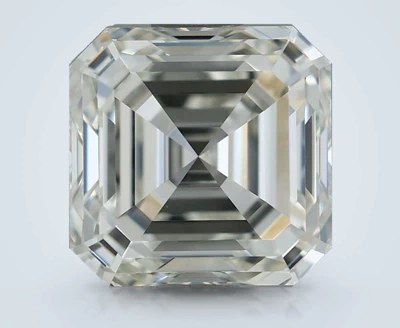
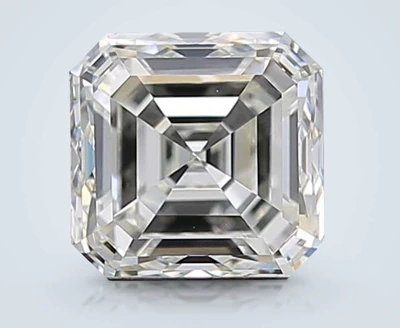
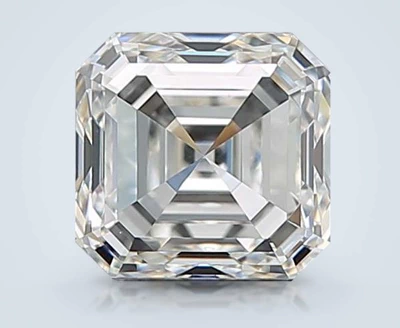
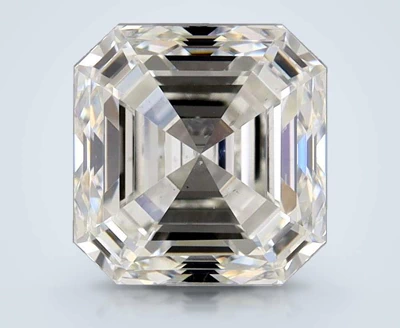
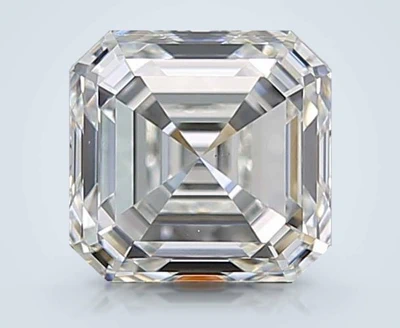
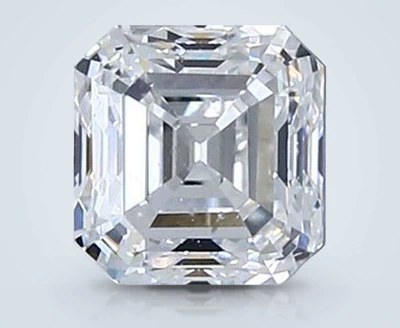
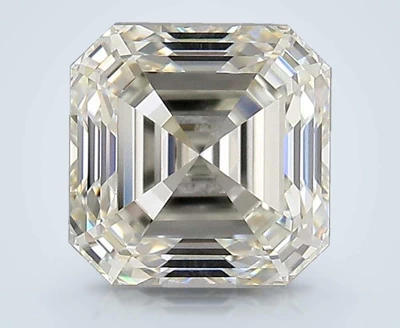
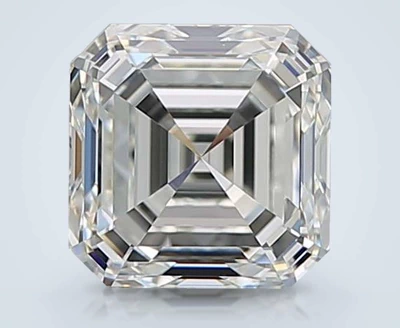
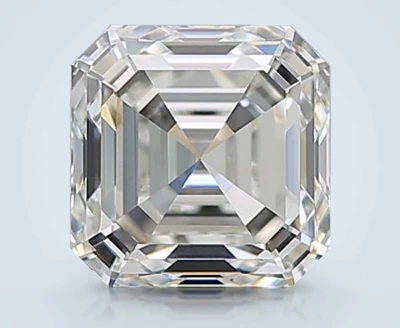
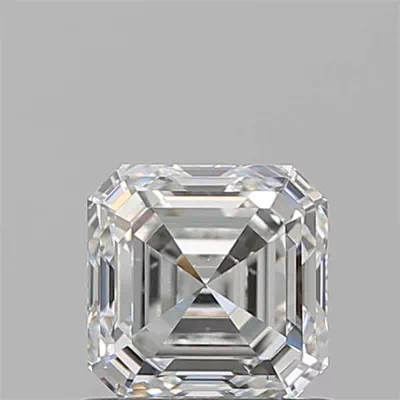
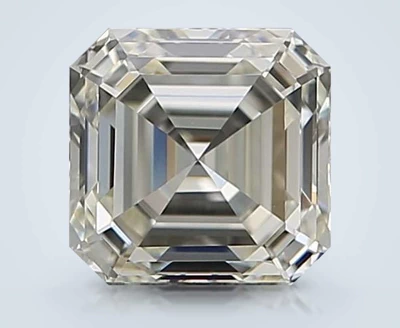
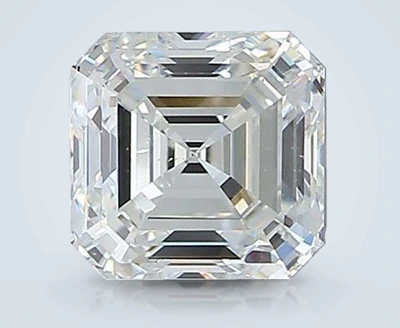
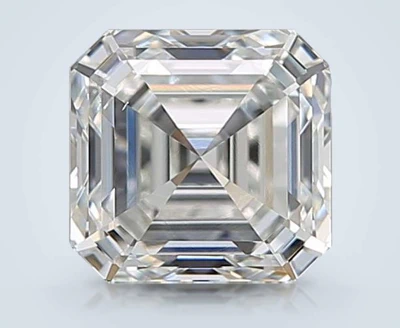
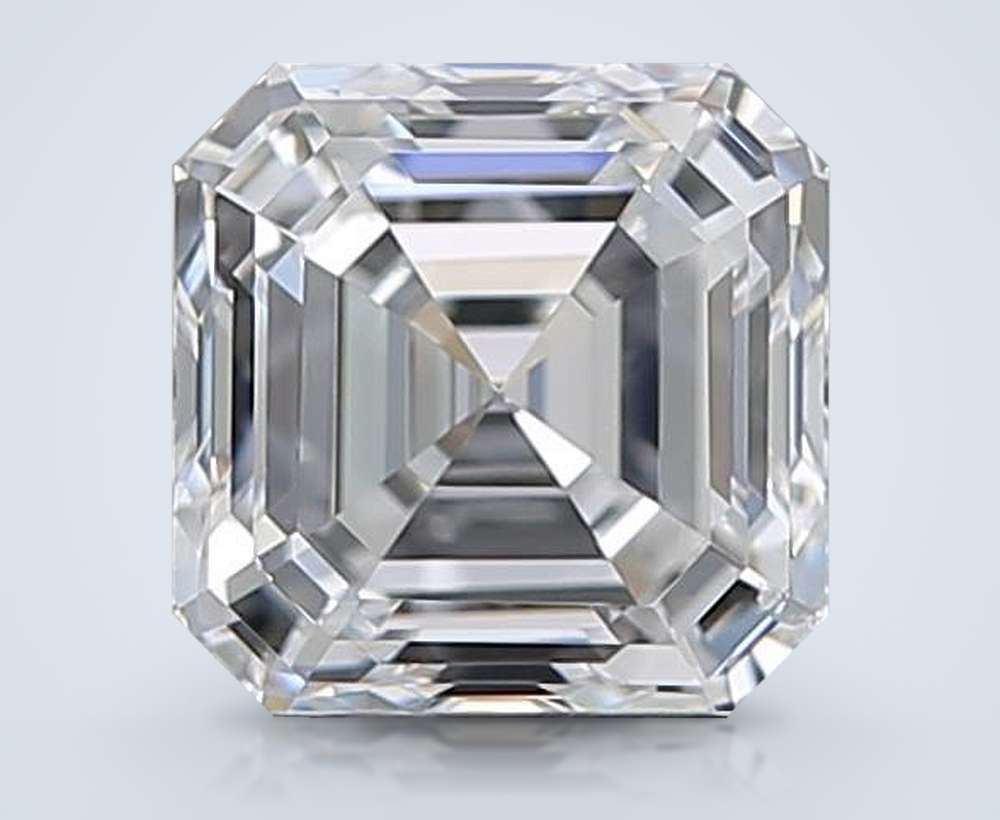
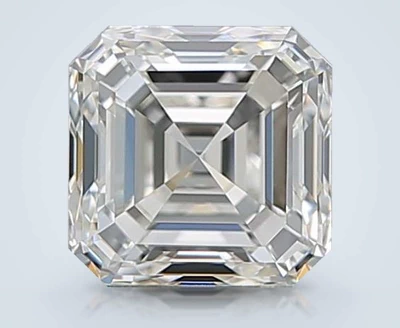
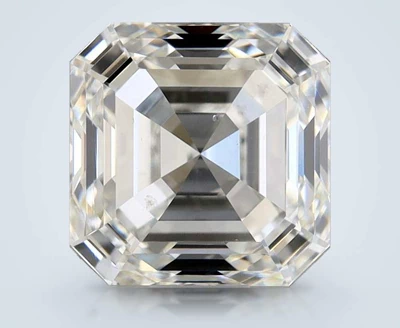
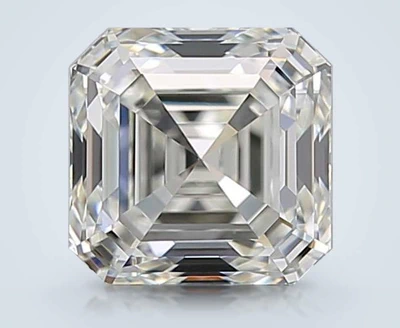
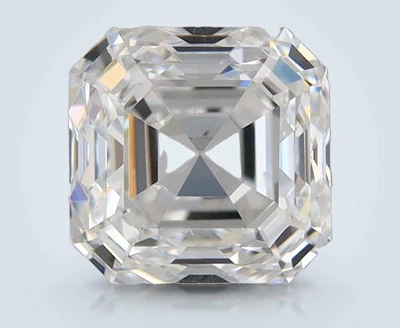
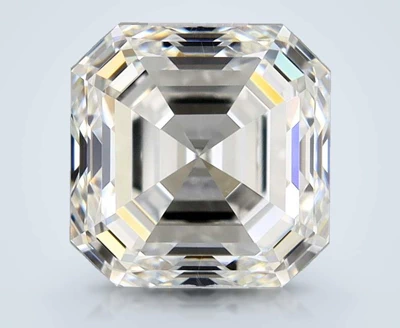
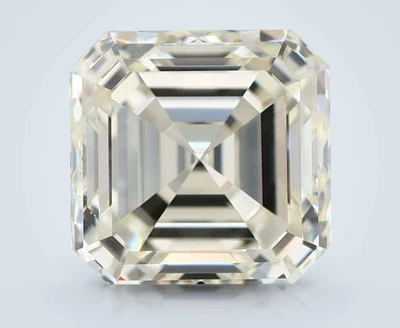
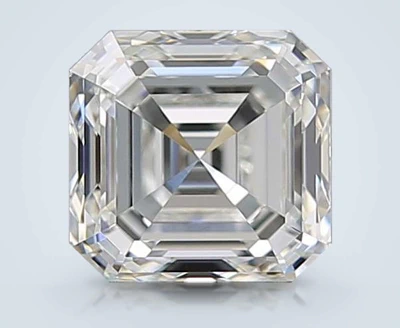
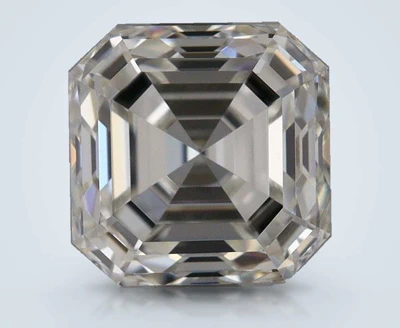
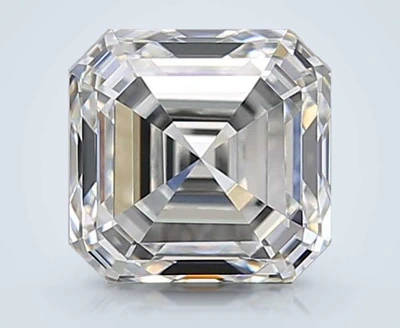
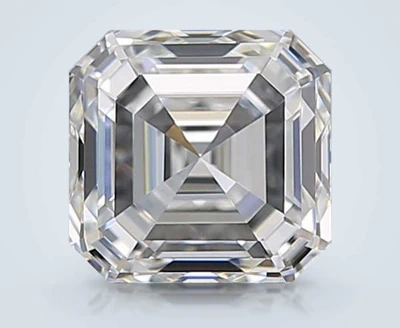
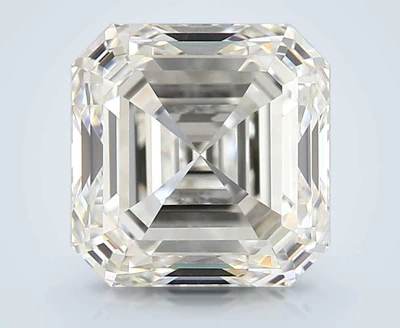
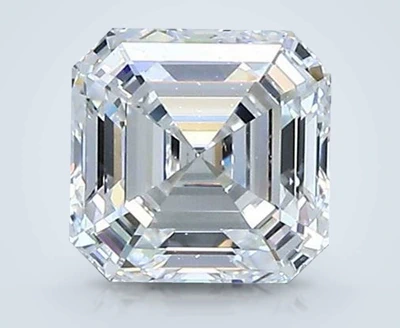
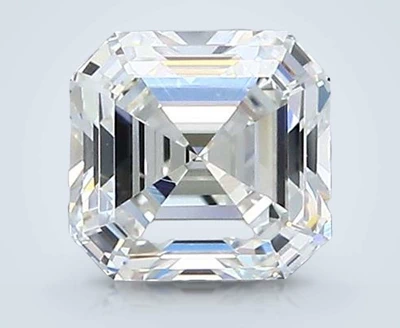
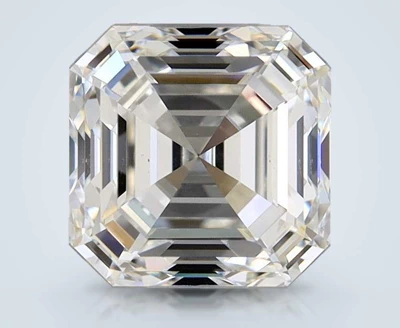
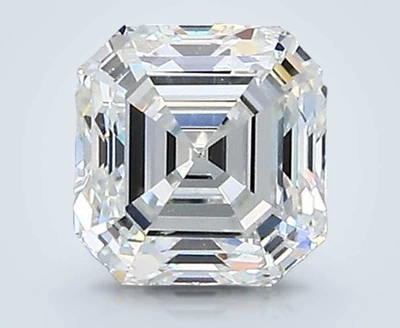
What makes a 1 carat asscher cut diamond different?
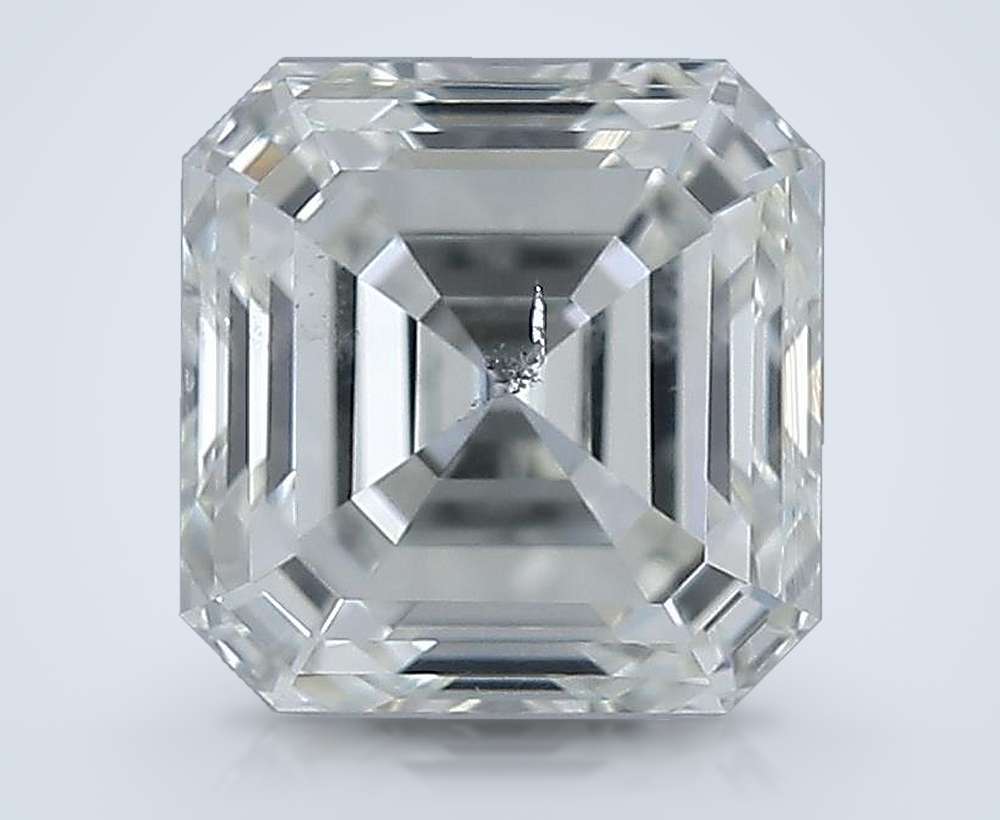
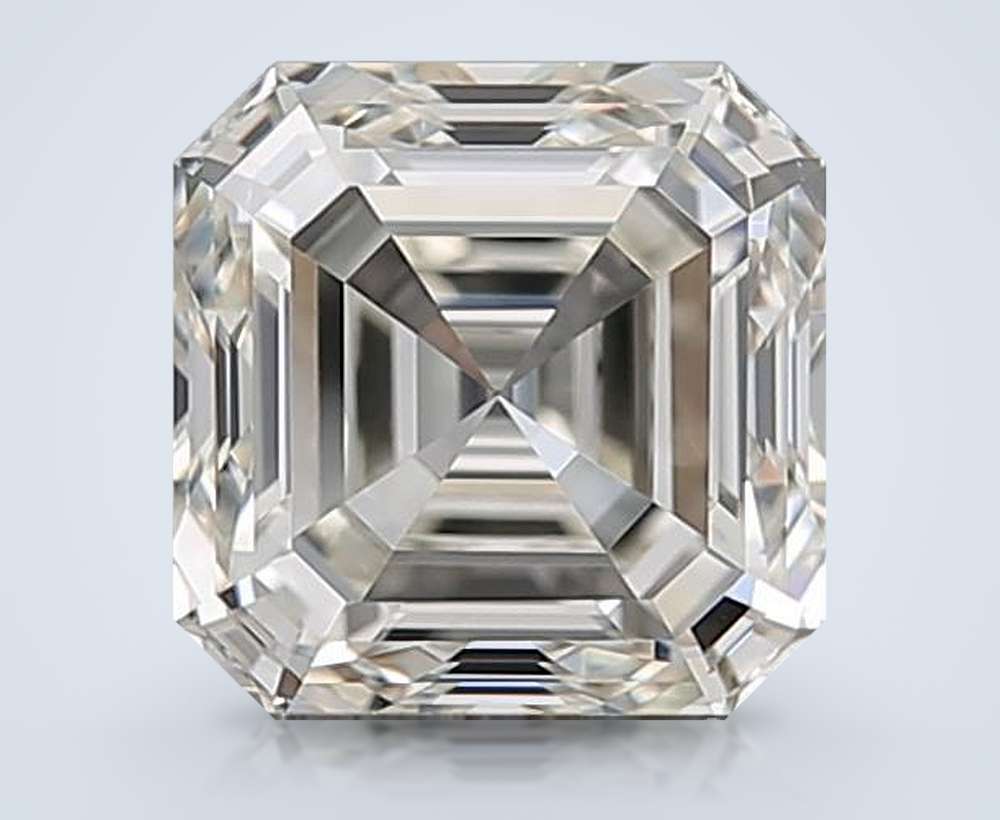
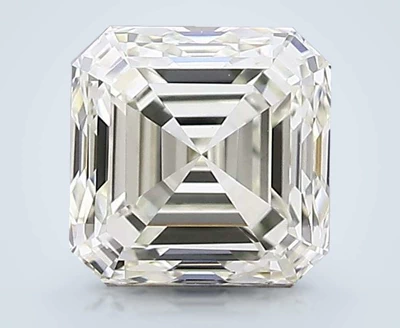
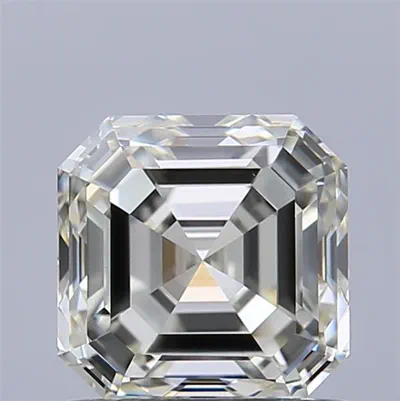
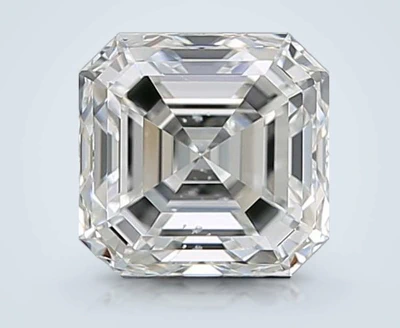
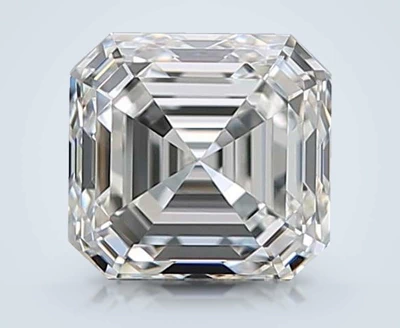
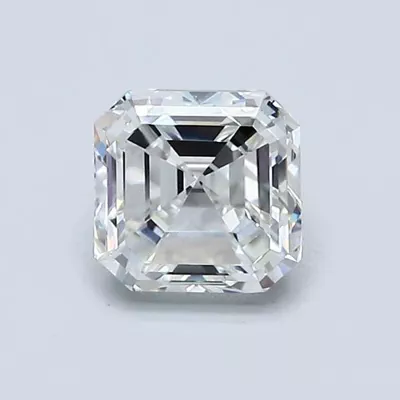
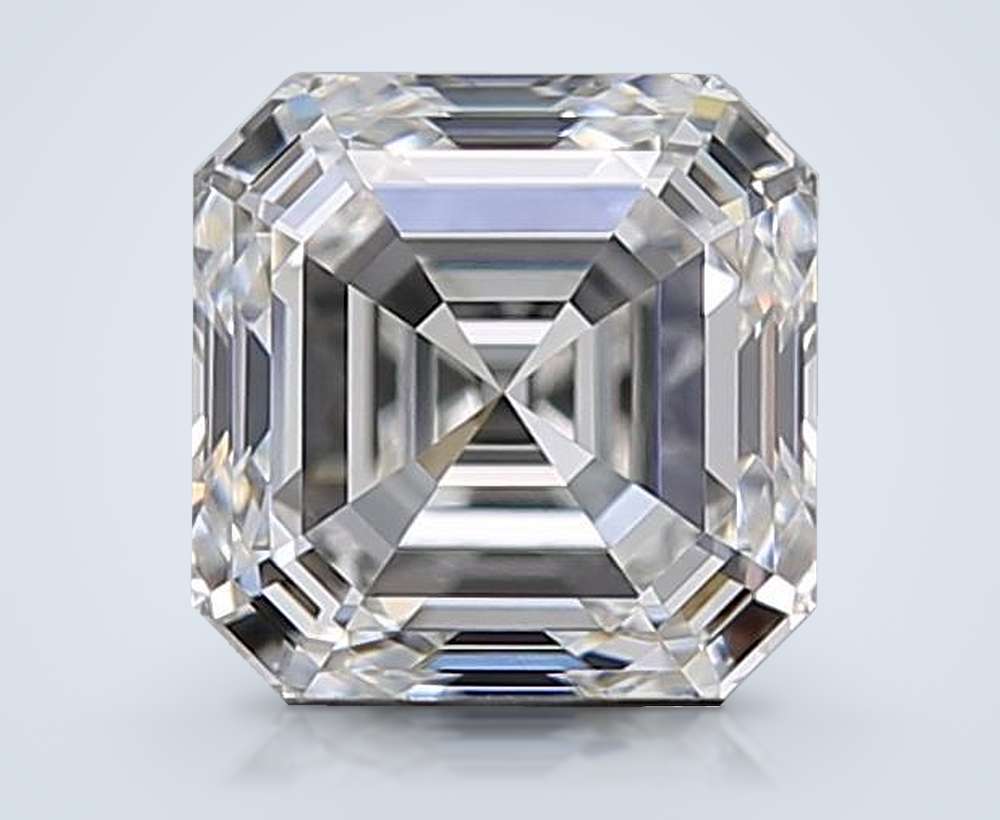
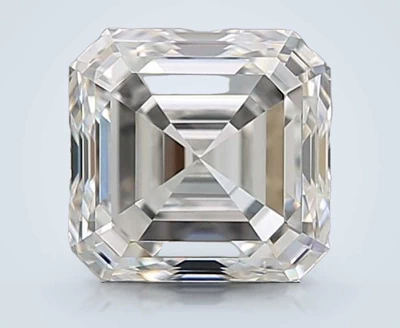
Its facets are cut in steps, like a staircase, instead of the many small facets of a brilliant. That gives the shape broad flashes of light rather than scattered sparkle, and the cropped corners draw a windmill toward the center. The look is calm and architectural. Look for an outline that reads as truly square from above, since a stretched one blurs the windmill and makes the corners uneven.
It suits people who would rather wear a crisp, geometric stone than a fiery one, and it pairs well with a plain band, since the shape itself provides the interest.
Why clarity comes first in a step cut
Step cuts show inclusions more, because their open facets act like windows into the stone. In a round, VS2 and many SI1 stones are clean to the eye; in this square step cut, VS1 or VS2 is the safer floor. Color behaves the same way. The shape also reveals warmth more than a brilliant does, so G or H is a good target in white gold or platinum, while yellow or rose gold can carry a warmer stone.
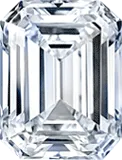
On the video, study the center, where the windmill lines meet and the eye naturally lands. If you like this look in a rectangle, compare 1 carat emerald cut diamonds, the asscher's longer relative.
Face up size compared with a round
An asscher faces up smaller than a round of equal weight. A one carat round measures about 6.4 mm across, and a 1 ct asscher will look a touch more compact than that on the hand. If face up size is your priority, either add a little weight or pick a setting that frames the stone; if the look is the priority, one carat is a balanced size for this shape.
Prices still jump at the one carat line, so a stone from 0.90 to 0.99 ct costs noticeably less and is indistinguishable once it is set.
Mountings that suit a square step cut
Vintage inspired designs suit the shape well, with milgrain edges, filigree or engraving that echo its geometry; browse vintage engagement ring settings for ideas. Four prongs at the corners hold the stone neatly, and V prongs or a bezel protect those cropped corners further. To see finished pieces, look at asscher natural diamond engagement rings.
A mined asscher usually comes with a GIA report and holds its value far better on resale than a lab grown stone. If you want the same look for far less, 1 carat asscher lab grown diamonds are the alternative. For an asscher cut diamond ring with more sparkle, a pavé band or a halo adds brilliance around the calm center, and the contrast between the two styles is part of the appeal.