Best Places to Buy Diamond Necklaces
A practical breakdown of what matters in diamond necklaces & pendants
- Rare Carat sells certified natural and lab diamond necklaces (GIA, IGI, and GCAL) with two-step verification.
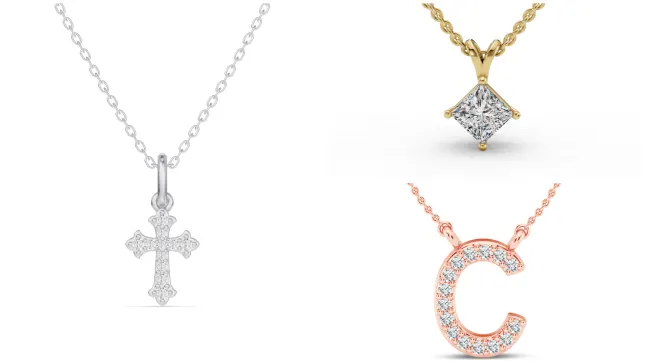
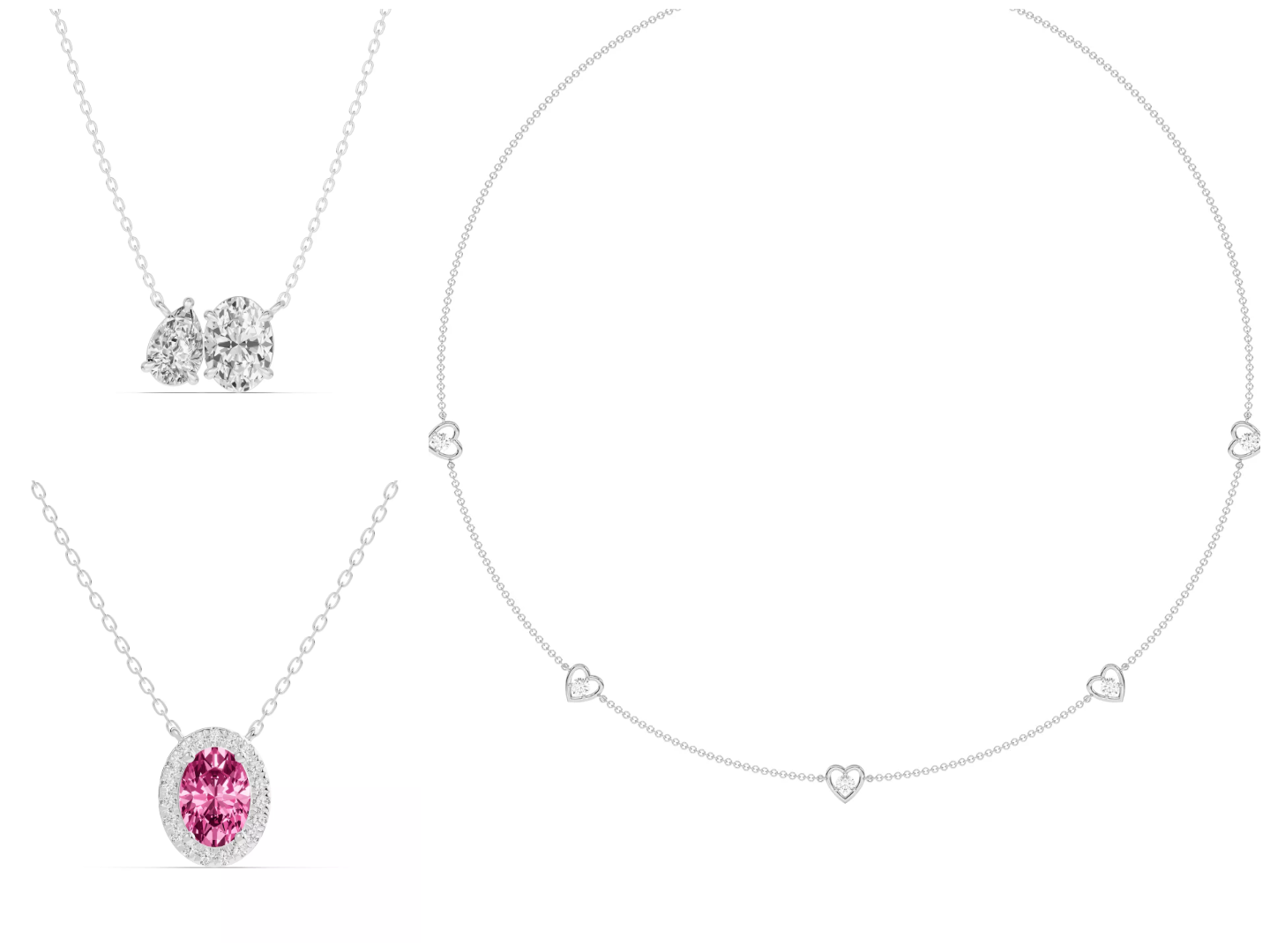
- Styles include solitaire, halo, tennis, pavé, bezel, heart, and cross, in yellow, white, rose gold, or platinum.
- Offers free GIA gemologist guidance, 30-day returns, insured shipping, and a lifetime warranty.
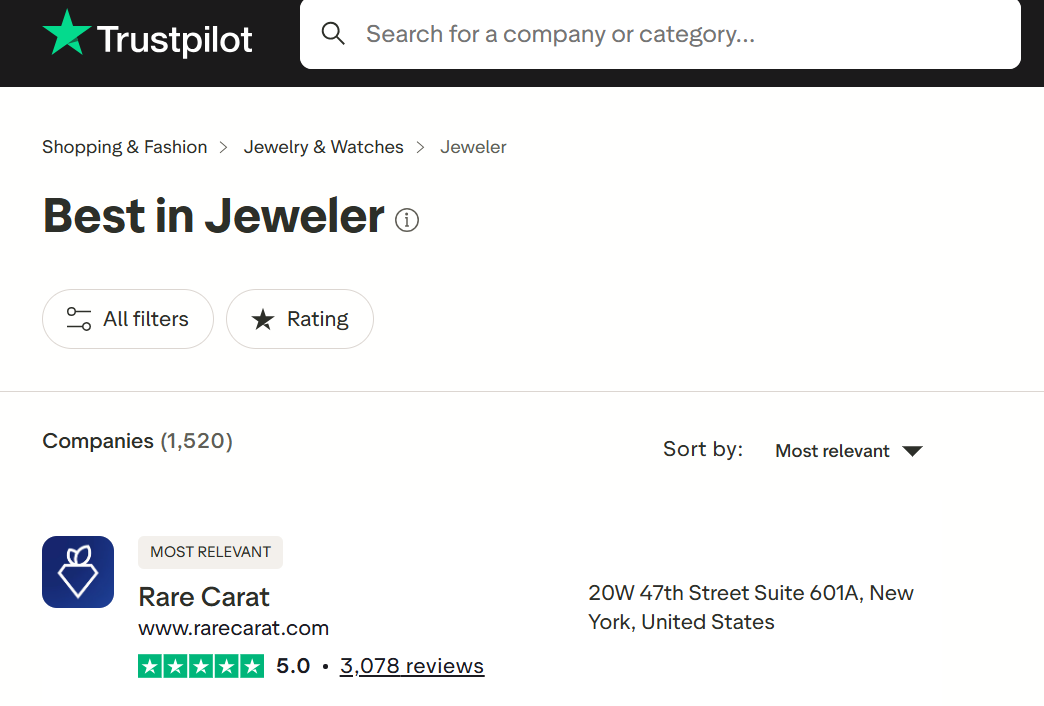
- Currently, Trustpilot’s top-rated jeweler (5.0/5 from 3,000+ reviews).
Checked and current as of September 1, 2026.
Quick answer: Data revealed, against other retailers, Rare Carat comes out as the overall Best Place to Buy Diamond Necklaces on GIA/IGI/GCAL certification, two-step verification, and a 5.0 Trustpilot rating across thousands of reviews.
- Drawing from a live inventory of 2M+ certified natural and lab-grown diamonds means buyers aren't limited to whatever a smaller catalog happens to have in stock
- As of Sept 1, 2026: the same 3-Prong Solitaire Necklace (1 ct, 14K white gold) runs $8,483 natural vs. $815 lab-grown on Rare Carat. Live inventory pricing, subject to change.
Diamond necklaces tend to stay with people longer than most jewelry purchases.
Some become part of everyday wear without much thought. Others only come out for certain occasions, but still end up carrying more sentimental value over time than pieces bought on impulse.
Part of that comes from how close necklaces sit to personal style.
A small solitaire pendant feels completely different from a full tennis necklace, even when both use diamonds of similar quality. Some buyers want something subtle enough to layer daily, while others are looking for more visible sparkle that immediately feels gift-worthy or elevated.
That range is also what makes shopping harder than expected once you start comparing options online.
The designs may look similar at first glance. Still, differences in diamond quality, setting structure, metal choice, flexibility, and overall finish become much more noticeable once you narrow things down seriously.
This is where one of the best places to buy diamond necklaces, makes the comparison process easier.
Once you start comparing necklaces properly, the difference usually comes from the details you can actually check: certified diamonds, clearer grading information, and enough variety between natural and lab-grown options to compare without feeling cornered into one choice too quickly.
1. Start With the Necklace Style That Fits You Best
Whether it’s necklaces or rings, most people, especially first-time buyers, don’t actually begin by comparing diamond grades or certification reports.
They start by opening tabs full of necklace styles and trying to figure out what they can realistically see themselves wearing.
That usually narrows things down faster than anything else.
Some buyers naturally lean toward smaller pendants that stay wearable every day, while others want a necklace that feels more noticeable the second it’s on. Once you know which direction feels right, comparing diamonds and pricing becomes much easier afterward.
A simple breakdown usually looks like this:
| Necklace Style | Best Suited For | Why Buyers Usually Choose It |
|---|---|---|
| Solitaire Pendant | Everyday wear | Clean, minimal look that works with almost anything |
| Halo & Hidden Halo Necklaces | Extra sparkle without a larger center stone | Adds more brilliance and visual size while keeping the design balanced |
| Tennis Necklaces | Statement styling or milestone gifting | Continuous diamond layout creates a more elevated feel |
| Pavé Necklaces | Subtle sparkle with more texture | Smaller diamonds create shimmer without feeling too heavy |
| Bezel Necklaces | Modern everyday styling | Smooth metal edges give the necklace a cleaner, more secure look |
| Heart Necklaces | Romantic or sentimental gifting | Feels more personal and symbolic from the start |
| Cross Necklaces | Meaningful daily wear | Often chosen for personal, spiritual, or milestone gifting |
| Small Necklace Styles | Layering or minimal jewelry preferences | Lightweight, versatile, easy to wear daily, and great as gifts |
Even within the same category, small changes in chain length, diamond size, or setting style can completely change how the necklace feels once worn.
What usually helps at this stage is having enough variety to compare different looks without the experience turning overwhelming halfway through.
Rare Carat* brings together over 2,300 ring styles and more than 5,000 fine jewelry designs across different precious metals, diamond sizes, and necklace settings, so buyers can move between simpler pendants, layered styles, tennis necklaces, and more statement-focused pieces without feeling limited too early in the process.
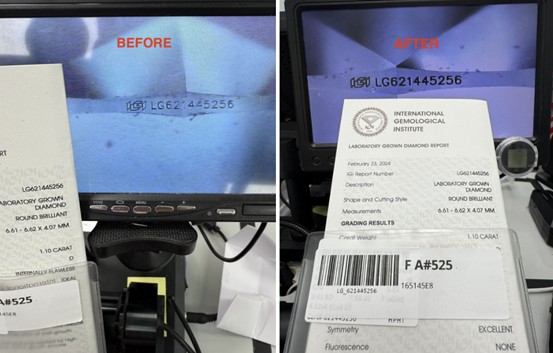
Note*: Rare Carat's New York and New Jersey facilities are where every diamond stops before it reaches a customer. In-house staff check the laser inscription against the grading certificate under 60x-110x magnification there before anything is set. This kind of control exists because Rare Carat is the merchant of record on every sale, owning checkout, billing, shipping, and customer service directly. Engagement rings, wedding bands, earrings, bracelets, and eternity rings are crafted and set by Rare Carat, and every purchase comes with 30-day returns, free resizing, a lifetime manufacturing warranty, and an uncapped upgrade program. The company has operated exclusively as a full-service jeweler since 2022, with the top Trustpilot rating in its category.
2. The Diamond Quality Matters More Than Most Necklace Buyers Expect
Once buyers narrow down the necklace style itself, the next thing that usually changes the entire look is the diamond quality.
That becomes especially noticeable with necklaces because the diamonds sit directly in the center of attention.
Whether it’s a subtle pendant or a statement necklace, things like sparkle, symmetry, color consistency, and overall light performance become much easier to notice once the piece is actually worn.
This is why Rare Carat only focuses heavily on certified diamonds.
Every natural and lab-grown diamond is independently graded through respected labs like GIA, IGI, and GCAL, so buyers can compare actual diamond quality instead of guessing from appearance alone.
The main details most buyers usually compare include:
| Diamond Factor | Why It Matters in Necklaces | What Buyers Usually Compare |
|---|---|---|
| Cut Quality | Directly affects sparkle and light performance | Ideal vs Excellent cuts for more brilliance |
| Color Grade | More noticeable in solitaire pendants and white metals | Near-colorless vs warmer diamond appearance |
| Clarity | Affects how clean the diamond looks up close | Eye-clean appearance within budget |
| Carat Weight | Changes overall visibility and presence | Balancing size with price range |
| Diamond Shape | Changes the overall personality of the necklace | Round, oval, pear, emerald, and more |
A lot of buyers initially assume necklaces are mostly about the setting or chain style, but the diamond quality is usually what separates a necklace that simply looks fine online from one that actually stands out once it’s worn in natural light.
Rare Carat’s advanced diamond search tool lets buyers narrow down stones by the cut, color, clarity, carat weight, shape, and price, which makes the process feel far less random once you start comparing necklaces seriously.
Instead of scrolling through hundreds of similar-looking options, buyers can filter toward the kind of sparkle, size, or price range that actually fits what they’re looking for from the beginning.
3. Extra Verification Before the Necklace Is Ever Finished
Once buyers start spending more on a diamond necklace, especially larger pendants or multiple-stone styles, the biggest concern usually shifts from style to trust.
People want to know the diamond they selected is actually the one being used in the final piece.
That’s why Rare Carat adds an extra verification step before diamonds ever enter production or shipment.
To give buyers additional peace of mind, every certified stone goes through an added two-step verification process designed to confirm both identity and authenticity before the necklace is finalized.
The first step focuses on matching the actual diamond to its grading report.
Using high-powered magnification of 60x to 110x, specialists inspect the tiny laser inscription along the diamond’s girdle and verify that it matches the report for that exact stone.
If anything doesn’t line up clearly, the diamond does not move forward into the final jewelry piece before proper correction is made.
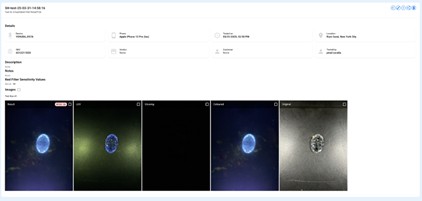
The second step focuses on authenticity testing.
Professional UV fluorescence analysis is used to examine the diamond’s characteristics, while certain diamonds, including some high-precision Type IIa stones, may go through additional testing using advanced tools like the Yehuda detection machine or further verification through GIA New York when required.
For buyers, this mostly comes down to reassurance.
Whether someone chooses a smaller solitaire necklace for daily wear or a larger tennis necklace with multiple stones, the process is built to make sure the diamonds are checked carefully before they ever become part of the finished piece.
4. Natural vs Lab Diamond Necklaces
One of the biggest decisions necklace buyers usually make early on is whether to go with mined diamonds or lab-created ones.
Both are real diamonds, look identical once worn, and follow the same grading standards. Most people would not be able to tell the difference visually, especially once the necklace is set and sitting under normal lighting.
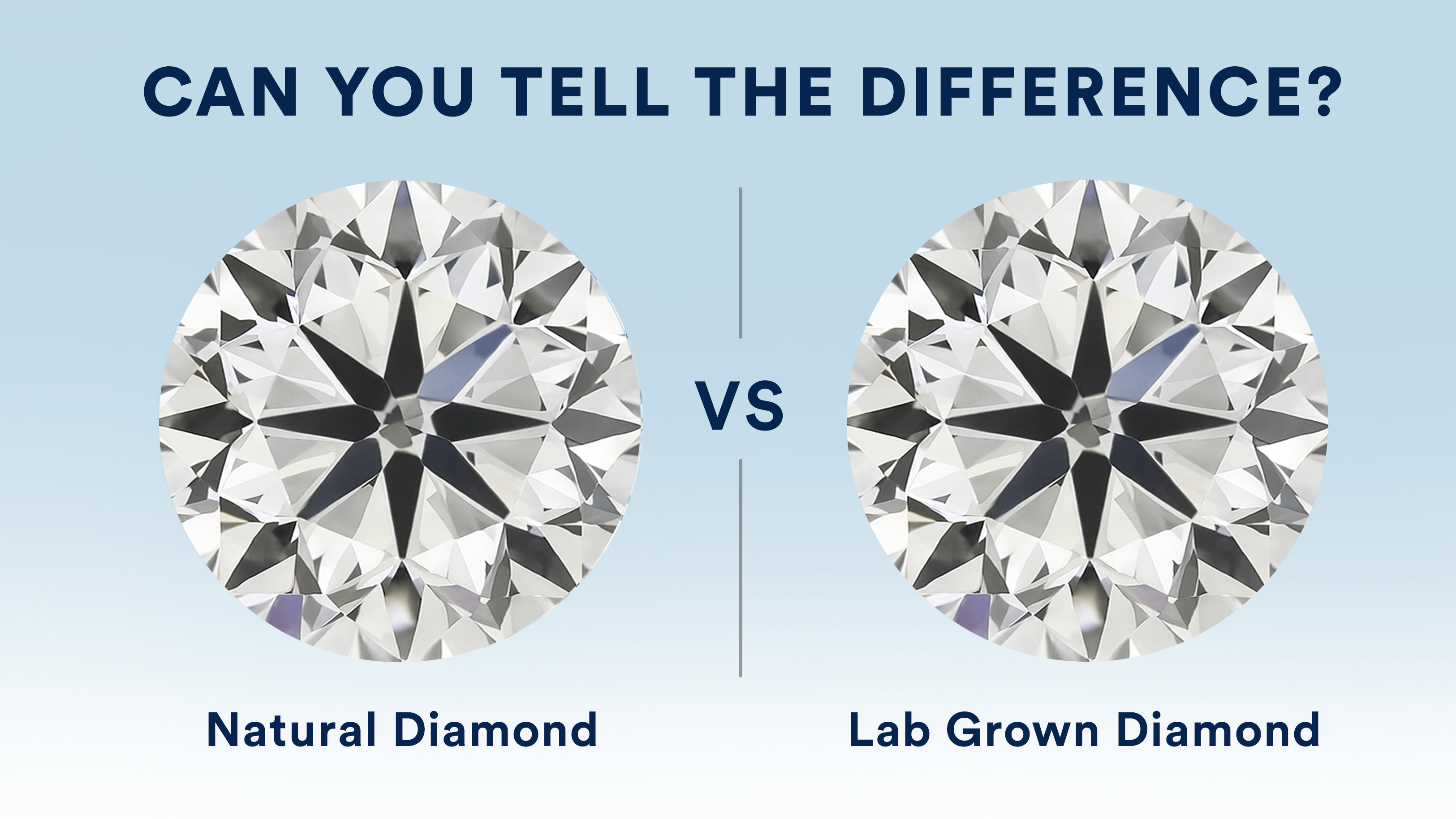
The bigger difference usually comes down to pricing and how buyers want to balance size, visibility, and budget.
That becomes especially noticeable with necklaces because larger center stones, tennis layouts, and more diamond-heavy designs can increase in price fairly quickly with natural diamonds.
Lab-grown options usually create more flexibility there.
Some buyers prefer natural diamonds because of their rarity and traditional appeal, while others lean toward lab-grown necklaces because they can often move into larger carat sizes or more noticeable designs without pushing the budget too far.
Here’s a general idea of how pricing usually compares across popular necklace styles:
| Necklace Style | Natural Diamond Range | Lab Diamond Range | What Usually Changes |
|---|---|---|---|
| Solitaire Necklaces | ~$800–$5,000+ | ~$300–$2,000+ | Lab options often allow larger center stones |
| Halo & Hidden Halo Styles | ~$1,200–$7,000+ | ~$500–$3,000+ | More room for extra sparkle within budget |
| Tennis Necklaces | ~$6,000–$40,000+ | ~$2,000–$12,000+ | Price gap becomes much larger at higher carat weights |
| Minimal & Layered Styles | ~$500–$3,500+ | ~$250–$1,500+ | Lab diamonds make everyday layering more budget-friendly |
For most buyers, the decision usually becomes clearer once they start comparing actual necklace styles instead of only looking at pricing alone.
Some realize they would rather maximize size and visibility within budget, while others care more about staying with natural diamonds regardless of carat weight.
Neither choice is really “right” or “wrong.” It mostly comes down to what feels more important once you picture the necklace being worn regularly.
5. The Necklace Setting Changes the Entire Feel of the Piece
Once you decide between natural or lab, the setting usually becomes the next big decision.
That’s usually the stage where necklaces stop feeling interchangeable. Two necklaces can use diamonds of similar quality and still feel completely different once the setting changes.
Some people naturally lean toward cleaner styles that stay minimal every day. Others prefer settings that add more sparkle, texture, or visibility even before the diamond size increases.
That’s why many buyers end up deciding on the setting style first before adjusting things like metal type or carat weight later.
Solitaire Necklaces
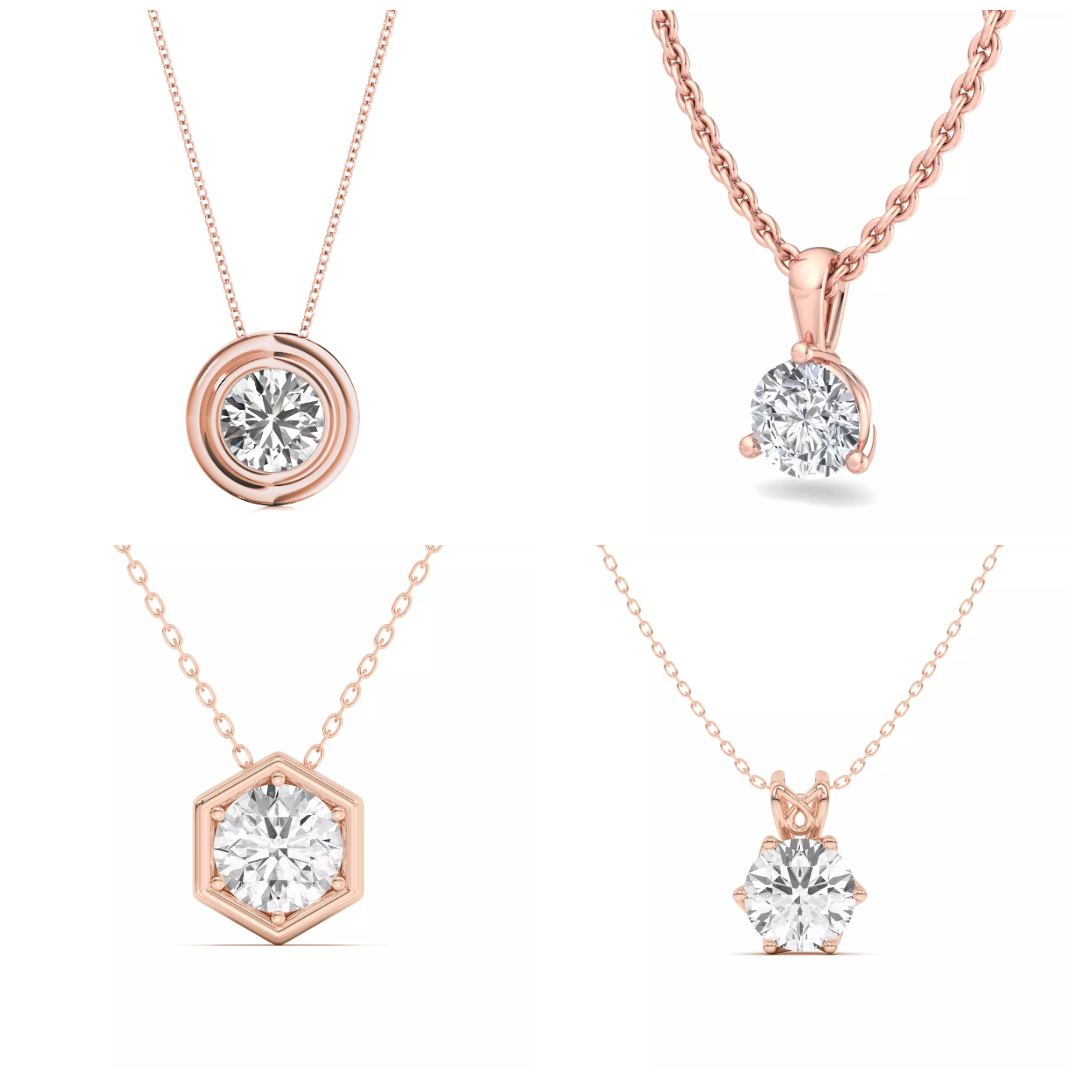
This style is usually the safest starting point because it feels timeless without trying too hard.
A single diamond keeps the entire look clean and wearable, which is why solitaire pendants continue to be one of the most popular everyday necklace styles.
Explore By Carat Size
- 0.25-Carat Solitaire Necklaces
- 0.5-Carat Solitaire Necklaces
- 1-Carat Solitaire Necklaces
- 1.5-Carat Solitaire Necklaces
Pavé Necklaces
This one moves in a different direction.
Instead of focusing everything on one center stone, smaller diamonds create more overall shimmer across the necklace itself.
Buyers who want sparkle that feels softer and more spread out usually end up gravitating toward pavé settings naturally.
Explore By Carat Size
Hidden Halo Necklaces
This one tends to surprise people once they see it closely.
From the front, the necklace can still look relatively clean and minimal, but the hidden row of diamonds underneath adds extra light return and makes the center stone appear slightly more noticeable once worn.
Explore By Carat Size
- 0.25-Carat Hidden Halo Necklaces
- 0.5-Carat Hidden Halo Necklaces
- 1-Carat Hidden Halo Necklaces
- 1.5-Carat Hidden Halo Necklaces
Bezel Necklaces
This setting style usually attracts buyers looking for something more modern and low-maintenance.
The smooth metal border around the diamond gives the necklace a cleaner outline overall while also making the setting feel slightly more secure for regular wear.
Diamond Heart Necklaces
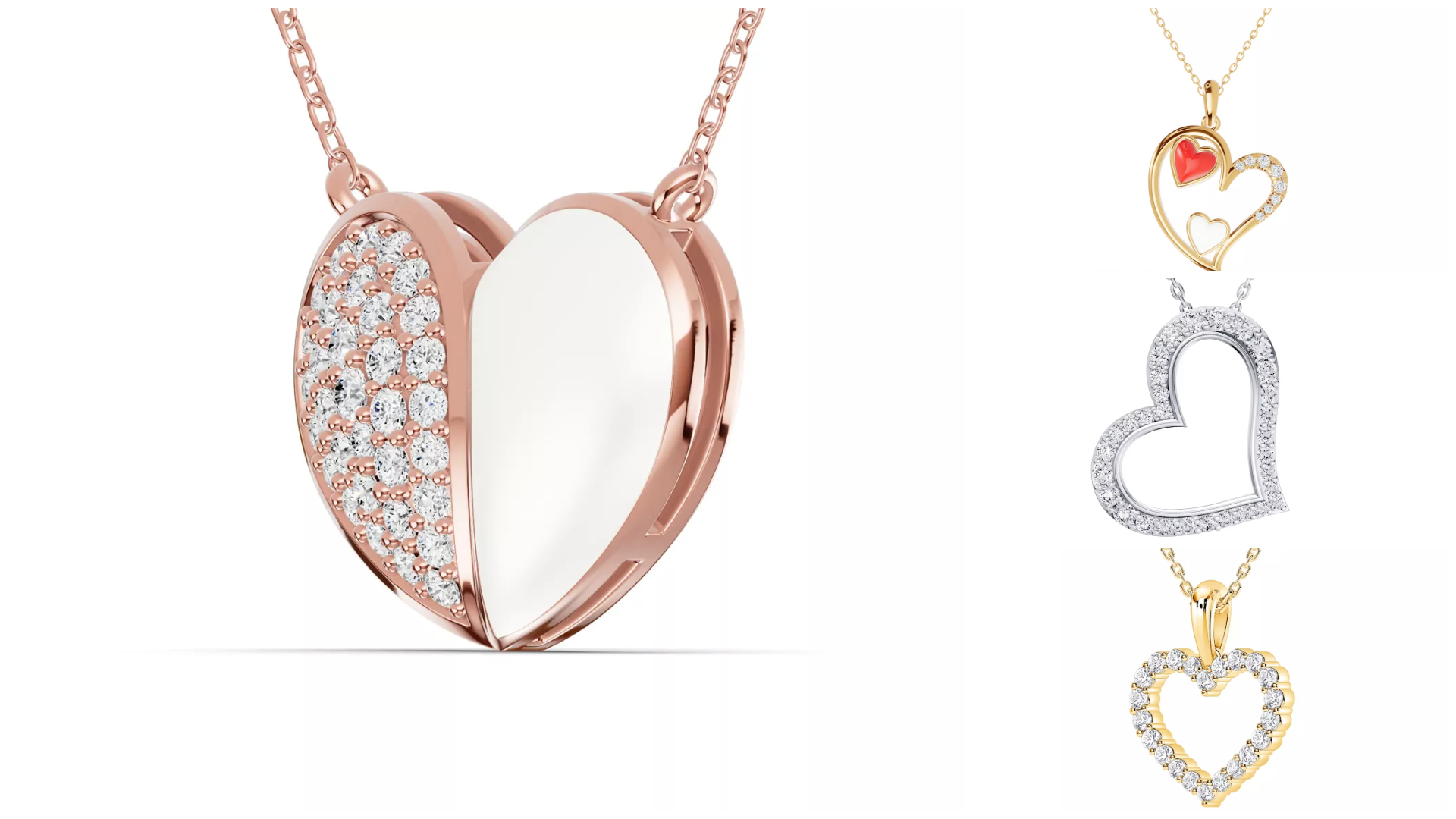
This style naturally feels more sentimental from the beginning, which is why heart necklaces continue being popular for anniversaries, birthdays, and romantic gifting.
Cross Necklaces
They are often chosen because they carry meaning beyond just the diamond itself.
For many buyers, they become part of everyday wear rather than something saved only for occasions.
What usually helps buyers narrow things down at this stage is focusing less on what looks “best” overall and more on what genuinely fits their personal style and how they plan to wear the necklace.
Some settings naturally feel cleaner and more minimal for everyday use, while others bring in extra sparkle, symbolism, or a more noticeable presence from the start.
From there, many buyers start refining the necklace even further through metal choice, since yellow gold, white gold, rose gold, and platinum can each change the overall tone and personality of the same design in completely different ways.
6. The Metal Choice Quietly Changes the Entire Necklace
Once the necklace style and setting start feeling right, the metal usually becomes the next thing buyers pay attention to.
Not because it changes the necklace completely, but because it changes how the diamonds actually come across once worn.
The same solitaire pendant can feel cleaner in white gold, warmer in yellow gold, softer in rose gold, or more polished in platinum, even when the diamond itself stays exactly the same.
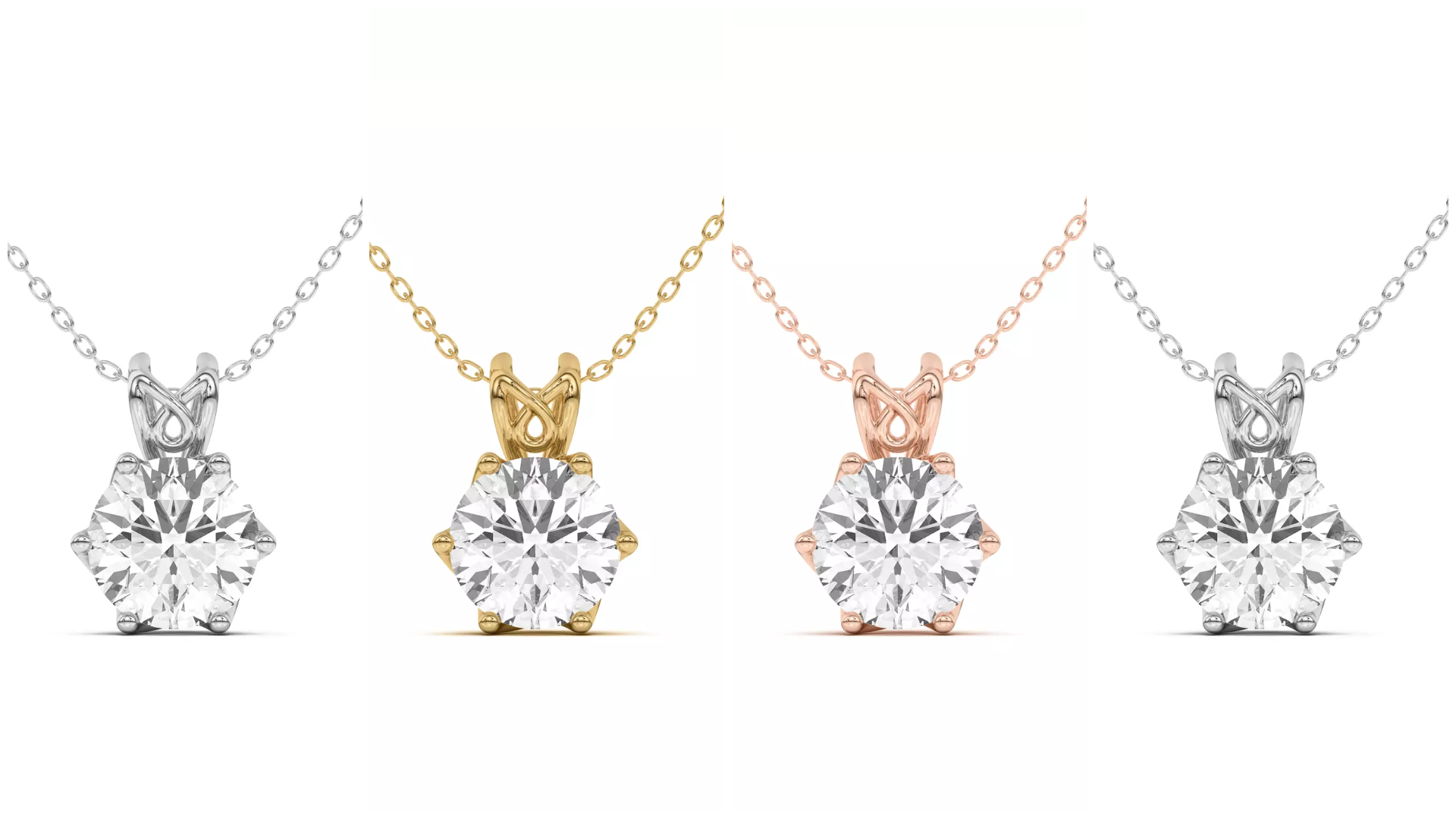
That’s why many buyers end up comparing different metal types before finalizing a necklace, especially for pieces meant for long-term wear or gifting.
This option usually feels warmer and slightly more classic overall.
The richer tone pairs especially well with vintage-inspired settings, heart necklaces, and larger pendants, where buyers want the metal itself to stand out a little more instead of disappearing into the diamond.
This choice tends to create the cleanest and brightest overall look.
Because the metal blends more naturally beside the diamonds, it keeps most of the focus on sparkle and works especially well for solitaire pendants, pavé styles, and tennis necklaces.
It brings in a softer tone that feels a little less traditional without becoming overly bold.
They’re often chosen for more personal or gift-focused necklaces because the warmer blush tone changes the overall feel of the piece even when the design itself stays simple.
This premium choice usually appeals to buyers looking for something slightly more substantial and durable in the long term.
The naturally white metal keeps the necklace looking bright over time and gives many designs a more refined, high-end feel without needing extra detailing around the diamonds.
At this stage, most buyers already know the necklace style they like.
The metal is usually what helps the piece finally feel personal instead of looking like just another version of the same design.
7. Help From 100+ GIA-Trained Gemologists
Buying a necklace with natural diamonds online usually starts simply, until the smaller details begin showing up.
Questions around diamond quality, necklace length, carat size, layering, or whether a setting feels too subtle or too noticeable are common once buyers start having a couple of potential purchases.
That’s why Rare Carat gives buyers access to 100+ GIA-trained gemologists throughout the shopping experience at no extra cost.
You can ask for help comparing diamonds, understanding grading reports, choosing between natural and lab-grown options, or simply getting a second opinion before making a final decision.
For many buyers, it makes the process feel far less overwhelming than trying to figure everything out from product pages alone.
8. Customer Support and Policies That Make the Buying Process Easier
Finding the right diamond necklace is only part of the experience.
For most buyers, the process also comes down to feeling comfortable about everything surrounding the purchase itself, shipping, returns, long-term support, and knowing help is available if something feels uncertain before placing the order.
That’s why Rare Carat keeps the shopping experience built around flexibility, transparency, and customer support from start to finish. Some of the services buyers usually appreciate most include:
- Premium jewelry packaging
- Free insured shipping
- Complimentary 30-day returns
- A 100% money-back guarantee
- Lifetime manufacturer warranty coverage on jewelry
- Optional jewelry insurance
- Flexible financing options
That customer-first approach is also part of why Rare Carat continues to hold a 5.0/5.0 Trustpilot rating across thousands of verified reviews and has been recognized as one of Trustpilot’s top-rated online jewelers for two consecutive years.
9. Why Buyers Continue Choosing Rare Carat for Diamond Necklaces
By the time most people finish comparing diamond necklaces, the decision usually comes down to more than the design itself.
Buyers want transparency around the diamonds, enough flexibility to compare styles properly, and reassurance that the necklace will still feel right long after the purchase is made.
That's where Rare Carat continues to perform well for many necklace shoppers
| What Buyers Look For | How Rare Carat Helps |
|---|---|
| Certified diamond quality | Natural and lab-grown diamonds graded by GIA, IGI, and GCAL |
| Better comparison while shopping | Advanced filters for cut, color, clarity, carat, shape, and price |
| More necklace variety | Thousands of necklace and fine jewelry styles across different settings and metals |
| Extra peace of mind | Additional two-step diamond verification before shipment |
| Help during the buying process | Access to 100+ GIA-trained gemologists at no extra cost |
| Flexible shopping experience | Free insured shipping, 30-day returns, financing options, and lifetime warranty coverage |
The biggest advantage for many buyers is that the experience never feels locked into one specific style or price direction too early.
Someone looking for a smaller everyday necklace can compare options just as comfortably as someone shopping for a larger tennis necklace or milestone piece, while still having access to transparent diamond information throughout the process.
Rare Carat makes it easier to compare styles, diamond quality, and customization options in one place without losing clarity along the way.
You can start by exploring smaller everyday styles here:
Does diamond quality matter as much in necklaces as it does in rings?
How do I know the diamond in my necklace is authentic?
What necklace length should I go for?

Diamond Necklace FAQs