Wedding Rings and Wedding Bands 2026
Prices metals fit and a budget for two
- Six real wedding band prices show the range: $400 for a simple 2mm band up to $1,940 for a five-stone diamond band, all in 14K white gold.
- Pairing two bands together, totals land at $1,305, $1,750, and $3,530, useful starting points rather than fixed spending targets.
- Width changes price too: the same Low Dome Polished style jumps $505 between 2mm and 5mm, so specs matter as much as the design name.
- Gold karat measures purity, not price or durability alone. 14K gold is about 58.3% gold, 18K is 75%, and both are suitable for daily wear.
- An eternity band can cost less than a plain band (here, $725 versus $1,025), so sparkle and setting style don’t predict price on their own.
- Rare Carat offers one free resize in the first year, though eternity bands lose that option after 30 days, and resizing affects return eligibility.
Rare Carat | Updated 13 October 2026
Wedding rings and wedding bands are commonly used to mean the same thing: the rings chosen to mark a marriage. A band can be plain metal, set with diamonds, or shaped to sit beside an engagement ring. The useful distinction is the design, not the label.
Start with three decisions: how much to spend on both rings, how each ring will feel in daily use, and whether it will be worn alone or in a stack. The examples below turn that first decision into concrete numbers.
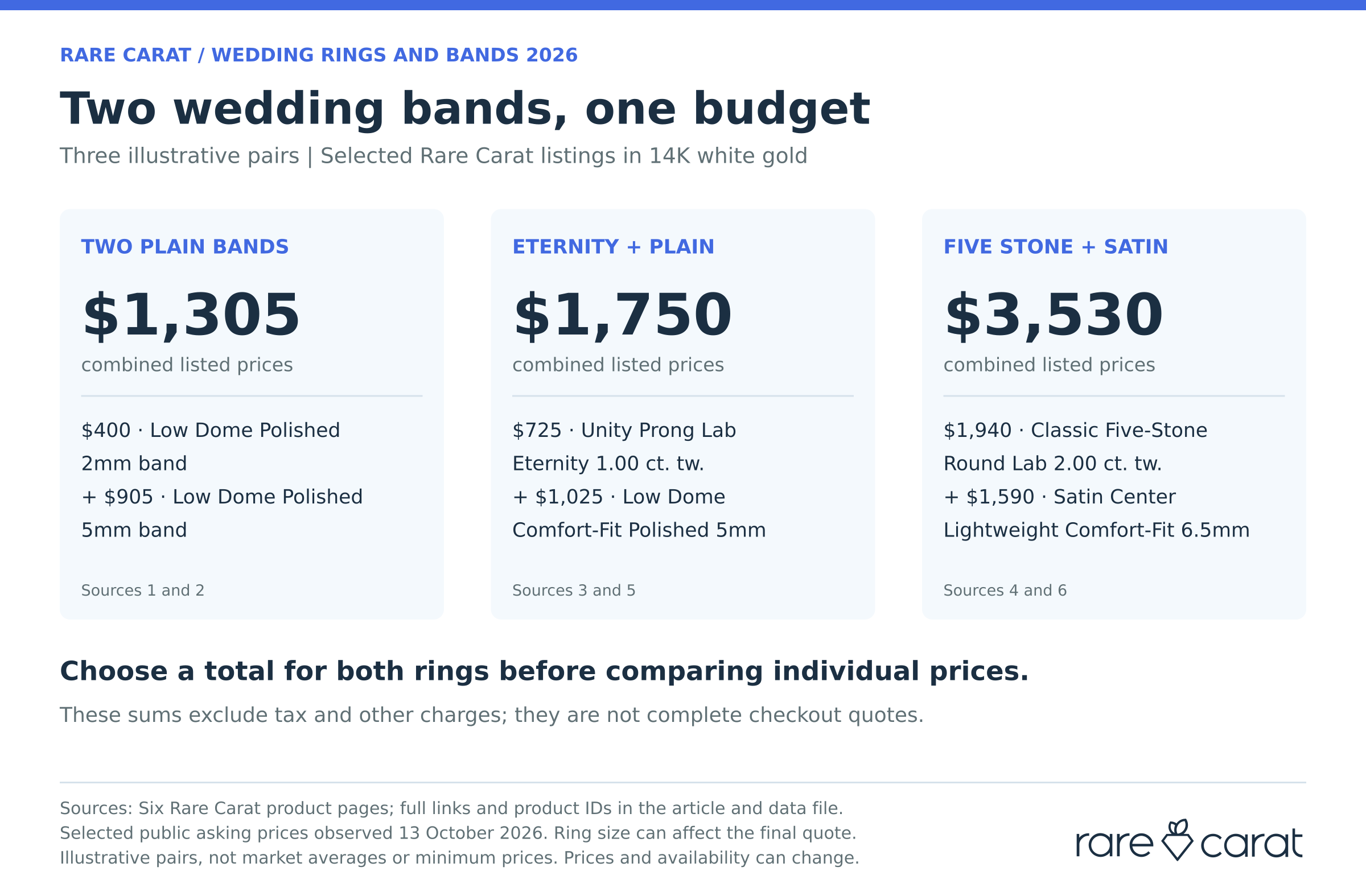
Figure 1. Selected pairs total $1,305, $1,750 and $3,530 before tax and other charges. All six displayed configurations are 14K white gold. [1–6]
These are dated retail examples, not recommended spending targets or a national average. They show how two separate choices combine into one purchase budget. The right pair can include different widths, finishes and stone designs.
What wedding bands cost in these examples
The following six public prices were checked on 13 October 2026. Each price is for the displayed 14K white-gold configuration. Confirm the ring size and final configuration before treating a price as your quote. [1–6]
| Selected wedding band | Price |
|---|---|
| Low Dome Polished Band · 2mm [1] | $400 |
| Low Dome Polished Band · 5mm [2] | $905 |
| Low Dome Comfort-Fit Polished Band · 5mm [3] | $1,025 |
| Satin Center Polished Edge Lightweight Comfort-Fit Band · 6.5mm [4] | $1,590 |
| Unity Prong Lab Eternity Band · 1.00 ct. tw. [5] | $725 |
| Classic Five-Stone Round Lab Diamond Band · 2.00 ct. tw. [6] | $1,940 |
USD asking prices. Higher comparison values and promotional gifts are excluded. “Lab” identifies laboratory-grown diamonds; “ct. tw.” means total carat weight. [1–6, 13]
Set the combined limit first
For a $2,000 spending ceiling, the $1,750 pair leaves $250 before tax and other charges. That remainder is part of the ceiling, not spare money to allocate automatically. Request a final total before adding engraving, changing metal or choosing a different diamond weight.
Each partner can then prioritize the feature they will notice most. One might prefer a simple narrow band; the other might value a particular finish or diamond pattern. Equal prices are not necessary for a considered pair.
Compare the full specification
Use the same ring size, metal, width, profile, finish and diamond specifications when requesting competing quotes. A broad satin-finish comfort-fit band and a narrow polished band are different products, even when both are 14K white gold.
The two Low Dome Polished examples are $505 apart: $905 minus $400. They also have different stated widths, 5mm and 2mm. This observation does not isolate the cost of each extra millimeter or establish a general pricing formula. [1, 2]
Do not confuse total diamond weight with a single stone
Total carat weight adds the weights of the diamonds in the piece. A 2.00-carat total-weight band does not contain one 2.00-carat diamond. Ask for stone count, approximate individual sizes, diamond origin and the stated color and clarity specifications before comparing two diamond bands. [13]
Choose the metal with daily wear in mind
Gold karat measures purity. Nominal 14K gold contains 14 parts gold out of 24, or about 58.3%; 18K contains 18 out of 24, or 75%. The remaining metals help determine the alloy’s properties and color. [7]
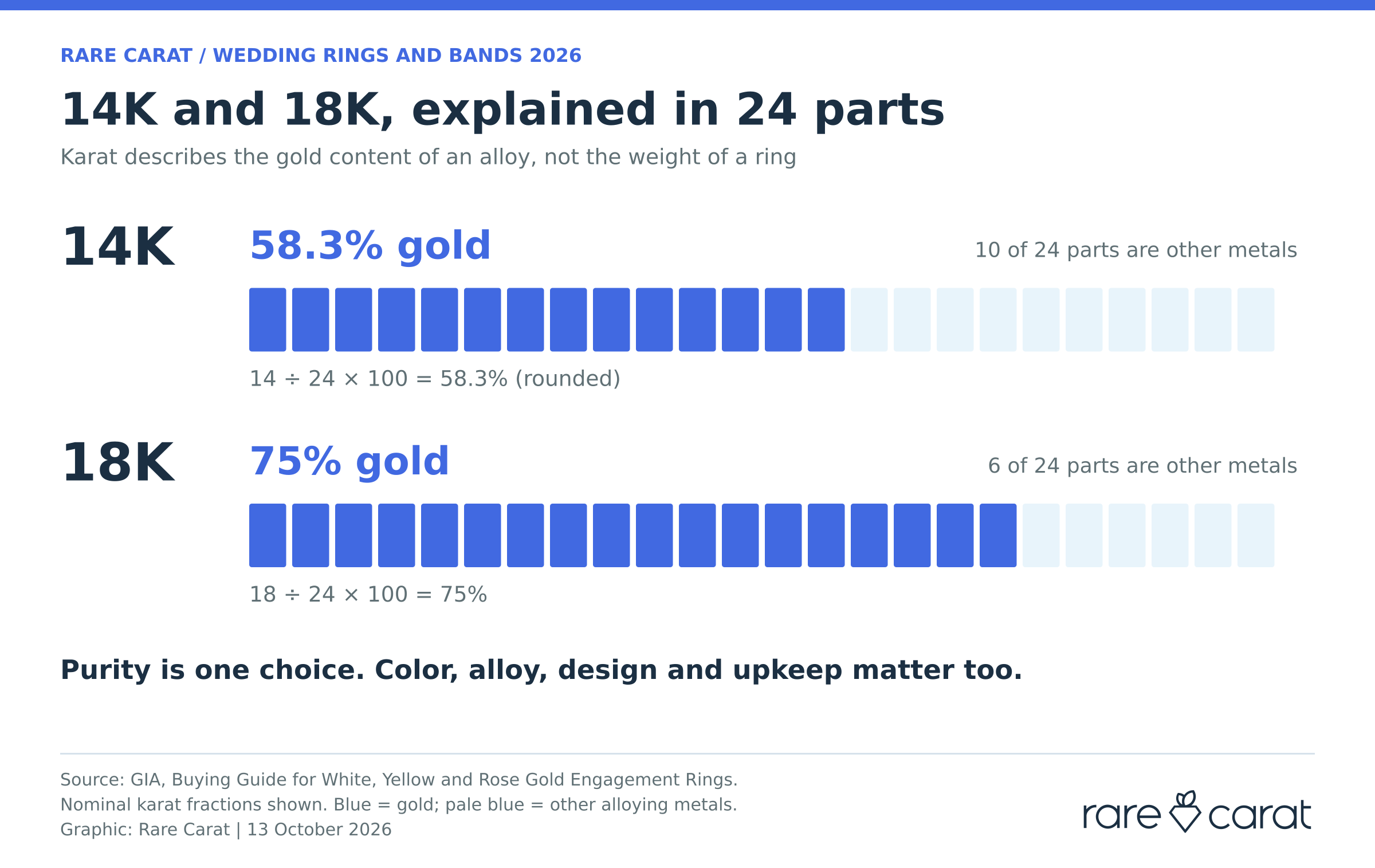
Figure 2. Each block represents one of 24 equal parts. The diagram explains nominal gold content, not a measured test of a particular ring. [7]
Gold color and purity answer different questions
White, yellow and rose describe color choices; 14K and 18K describe gold content. Compare a ring in the exact alloy and finish you intend to buy. A karat number alone cannot tell you whether you will prefer its appearance or feel. [7]
White gold and platinum have different upkeep
White gold is often rhodium plated, and that surface may need renewal as it wears. Platinum is naturally white and can develop a patina. It is not scratchproof. Ask whether the particular ring is plated and what maintenance the jeweler recommends. [8, 9]
GIA identifies both 14K and 18K gold as suitable everyday jewelry choices. Durability also depends on alloy composition and construction. Compare the actual ring and service needs instead of assuming a higher karat number or a single metal name settles the decision. [8]
Choose the diamond coverage and setting
Think about where you want diamonds to appear when the ring turns on your finger. Then compare how the stones are held. Coverage describes where stones sit; setting describes the metalwork securing them.
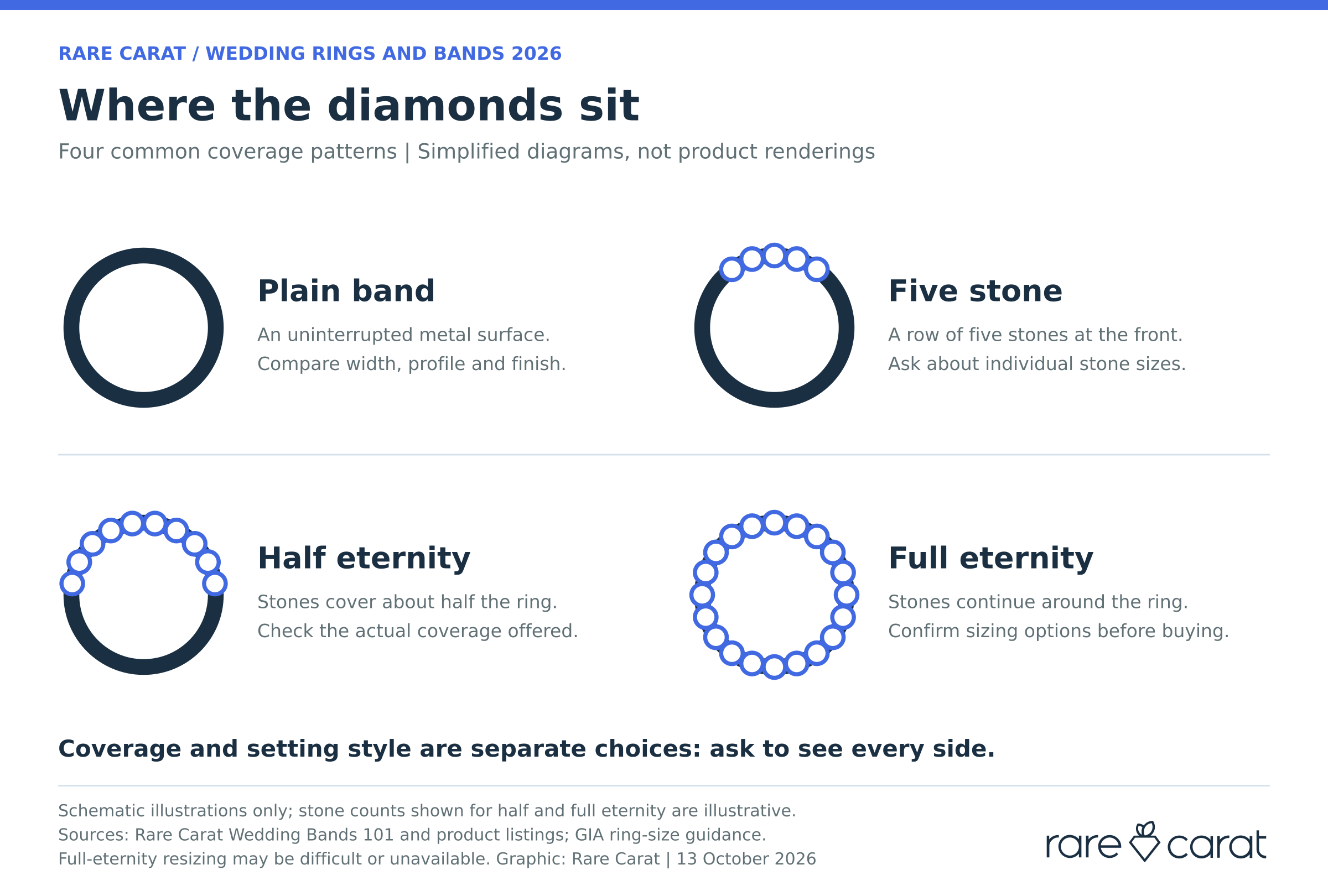
Figure 3. Four simplified coverage patterns. Actual proportions and stone counts vary by design and ring size. These illustrations are not Rare Carat product specifications. [5, 6, 10, 11]
Inspect the parts you will feel
Look at the inside of the band, its outer edges and the sides touching neighboring fingers. A design that looks delicate from above can feel quite different when you close your hand. Try the intended width and profile, and ask to see side views of any diamond setting. [11]
Plan for future size changes
A continuous circle of stones can make a full eternity band difficult to resize. Pavé and channel-set rings can also present resizing challenges. Ask what is possible for the exact design before ordering, especially when the size is uncertain. [10]
A partial-coverage band deserves the same question. An area of plain metal is useful information, but it does not by itself promise that a particular ring can be resized. Have the jeweler confirm the available size range and service process.
Get the fit and pairing right
Measure for the ring you intend to wear
GIA recommends having a jeweler determine ring size using proper gauges. Finger size can change with temperature and time of day, and a wider ring can feel snugger than a narrow one. Bring the engagement ring if the band will be worn beside it so the combined fit can be assessed. [10]
Avoid applying a universal “go up half a size” rule. Ask to compare suitable sample widths and profiles on the intended finger. Record the size, width and design together; a number without that context is less useful when shopping across styles.
Try the complete stack
Decide whether you want the two rings to sit close together or whether you like a visible gap. Check how the engagement ring’s center setting meets the wedding band from the side, not only in an overhead photo. A contoured band can be considered when a straight band does not create the look you want.
Wear the proposed combination while opening and closing your hand. Look for rubbing, catching and unwanted movement, then ask the jeweler to assess contact between settings. A matching collection name is a starting point for the conversation; confirm the exact pair.
Choose complementary details
Partners can coordinate through a shared metal color, finish or engraving while choosing different widths and diamond designs. If a close color match matters, compare the rings together: gold tones can differ between alloys and manufacturers. [11]
Confirm service details before the deadline
Ask for the expected dispatch date for the final size and configuration, then allow time to receive and try on both rings. Check how engraving or resizing affects return eligibility before requesting either service.
As checked on 13 October 2026, Rare Carat’s published policy offers one free resize within the first year. It excludes eternity bands from resizing after 30 days and states that an item sent for resizing cannot be returned. Read the current policy for your purchase and confirm the process for the chosen band. [12]
Five questions for the final quote
- What are the exact metal, width, profile, ring size and diamond specifications?
- What is the total for both rings, including applicable tax and selected services?
- Will the band sit comfortably beside the existing engagement ring?
- What resizing, maintenance and return terms apply to these designs?
- When will these exact sizes be ready, and is there time to resolve a fit issue?
Common questions about wedding bands
Is a wedding band different from a wedding ring?
The terms are commonly interchangeable. Use the product description to identify whether a ring is plain, diamond set, curved or an eternity design. “Band” does not mean that it must be plain metal.
Do both partners need matching bands?
Matching is a preference. Choose a shared detail if you want the rings to feel connected, and let each wearer decide on comfort, width and the amount of sparkle. A pair can look intentional without being identical.
Can a diamond band be worn without an engagement ring?
Yes. Choose the band as a complete design if that is how you plan to wear it. View it on its own during the selection process, rather than judging it only as part of a stack.
Is an eternity band always more expensive than a plain band?
No. In this selected snapshot, the 1.00 ct. tw. Unity lab-grown eternity band is $725, while the 5mm Low Dome Comfort-Fit plain band is $1,025. That comparison describes two specific products; it is not a rule about all plain and diamond bands. [3, 5]
Methodology and how to cite
This article combines a selected public retail snapshot, transparent arithmetic and educational guidance. The six examples illustrate different designs and price points; they are not a random sample, the full catalog, completed sales or an estimate of average wedding-band spending. Rare Carat is the featured retailer and intended publisher of this article.
Prices were observed on 13 October 2026 in USD for the displayed 14K white-gold configurations. No checkout was completed. The recorded value is the prominent asking price, excluding comparison values and promotional gift values. Prices, size-dependent options, promotions and availability can change.
Pair calculations are $400 + $905 = $1,305; $725 + $1,025 = $1,750; and $1,940 + $1,590 = $3,530. Gold percentages use the nominal karat fraction divided by 24. The coverage diagrams are explanatory schematics, not scaled product drawings.
Suggested citation: Rare Carat. Wedding Rings and Wedding Bands 2026. Edition dated 13 October 2026. Retail prices observed on that date. Cite the underlying GIA source when using its educational facts, and retain the date and scope notes with reproduced graphics.
Sources
Accessed 13 October 2026. Numbered references link to the original pages. Retail product names and identifiers identify the exact configurations used.
[1] Rare Carat. Low Dome Polished Band 2mm
14K white gold; price $400. Product 22422.
[2] Rare Carat. Low Dome Polished Band 5mm
14K white gold; price $905. Product 22561.
[3] Rare Carat. Low Dome Comfort-Fit Polished Band 5mm
14K white gold; price $1,025. Product 41770.
[4] Rare Carat. Satin Center Polished Edge Lightweight Comfort-Fit Band 6.5mm
14K white gold; price $1,590. Product 39705.
[5] Rare Carat. Unity Prong Lab Eternity Band 1.00ct tw
14K white gold; price $725. Product 37269.
[6] Rare Carat. Classic Five-Stone Round Lab Diamond Band 2.00ct tw
14K white gold; price $1,940. Product 31353.
[7] GIA. Buying Guide for White Yellow and Rose Gold Engagement Rings
Gold purity, alloy colors and quality marks.
[8] GIA. The Best Ring Material for Everyday Wear
Durability, upkeep and material tradeoffs.
[9] GIA. White Metal Options for Your Engagement Ring
White gold plating and platinum characteristics.
[10] GIA. How to Determine Ring Size
Professional sizing, wide bands and resizing limitations.
[11] Rare Carat. Wedding Bands 101
Band styles, comfort and matching considerations.
[12] Rare Carat. Free Ring Resizing
Policy checked 13 October 2026; eternity exclusion and return restriction.
[13] GIA. Diamond Grading Reports Understanding Carat Weight
Definition of total carat weight.