Where to Buy a Lab-Grown Diamond Bracelet Without Overpaying
A simple guide to compare styles, quality, and pricing before you buy
- Lab-grown diamond bracelets offer the same sparkle as natural diamonds at significantly lower prices, allowing larger carat weights within budget.
- Compare certified diamonds (GIA/IGI/GCAL) side by side using 360° videos and advanced filters to spot true value.
- Style matters, with tennis bracelets for everyday wear, bezel or chain designs for a modern look, and higher TCW for statement pieces.
- Shop with confidence knowing free shipping, 30-day returns, a lifetime warranty, and a 5-star Trustpilot rating are included.
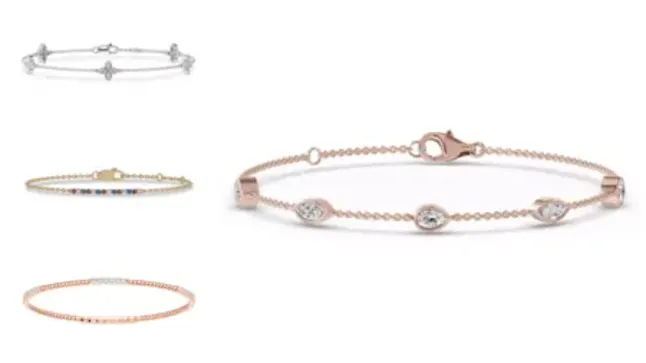
Shopping for a lab-created diamond bracelet should be fairly straightforward.
In theory, buyers are comparing the same basic things: diamond quality, bracelet style, craftsmanship, and price. But once the search actually begins, it becomes clear that not every retailer presents those details in the same way—and not every price reflects the same level of value.
That's where many shoppers start asking a different question.
Instead of focusing only on which bracelet they like, they begin wondering whether they're paying a fair price for it.
What makes this difficult is that the extra cost isn't always obvious. Two bracelets in the same style can look almost identical in photos, yet the prices can be surprisingly different. Without something to compare them against, it's hard to know whether you're paying for better quality or simply paying more.
This guide looks at where to buy a lab-grown diamond bracelet without overpaying, what actually drives the price of a bracelet, and how to tell whether you're getting real value before you buy.
For a broader comparison of retailers and buying considerations, see our guide to the best places to buy lab diamond bracelets online.
Before comparing retailers, though, it helps to understand why prices can vary so much in the first place—even when the bracelets appear remarkably similar.
1. Why Lab-Grown Diamond Bracelet Prices Can Be Difficult to Compare
Unlike engagement ring designs, where buyers often spend weeks researching diamond quality before making a decision, bracelets are usually purchased much more quickly.
Most people start with the design. They find a style they like, compare a few prices, and assume they're looking at roughly the same product.
That's where things can get confusing.
A bracelet can look almost identical to another at first glance, yet the price can be very different. Sometimes that's because of better diamond quality or craftsmanship. Other times, it's much harder to tell what's driving the extra cost. Without a clearer way to compare them, buyers can end up wondering whether they're paying for a better bracelet—or simply paying more.
This is where comparison can make a real difference.
Photos only tell part of the story. Once buyers start looking beyond the images, factors like diamond quality, certification, metal type, setting style, and total carat weight start to matter much more.
The challenge is that those details aren't always easy to compare when they're scattered across different retailers and product pages.
At Rare Carat, along with HD images and 360° videos, shoppers can also narrow options using advanced diamond and jewelry filters while comparing bracelets across a wide range of styles, carat weights, and price points.
Interactive diamond price and quality scores help place each piece into market context, making it easier to spot strong value opportunities that might otherwise be missed.
Behind those recommendations is a team of more than 100 GIA-trained gemologists.
Taken together, these tools make it easier to separate true value from a higher price tag. Combined, these tools give buyers a clearer picture of what they're actually paying for.
Sometimes that means finding a better bracelet for the same budget. Other times, it means realizing there's no reason to spend more in the first place. In many cases, shoppers can uncover value that would have been difficult to spot through traditional retail shopping alone.
Factors That Commonly Affect Bracelet Pricing
| Factor | Impact on Price | What Buyers Often Miss |
|---|---|---|
| Total Carat Weight | Higher carat weights generally increase cost | Two bracelets can have different diamond sizes even with similar overall appearance |
| Diamond Quality | Color and clarity grades influence pricing | Lower grades may not be obvious in photos |
| Metal Type | Gold and platinum typically cost more than silver | The same bracelet design can vary significantly based on metal choice |
| Craftsmanship | Higher-quality construction often increases price | Finishing and setting quality are difficult to evaluate online |
| Certification | Independently graded diamonds can command higher prices | Certification helps verify the quality being advertised |
Once you start looking beyond the final price, the differences between bracelets begin to make a lot more sense.
Most people aren't trying to find the absolute cheapest option. They're trying to find the bracelet that feels worth the money—one where the diamond quality, craftsmanship, certification, and overall design all line up with what they're paying.
2. Why Lab-Grown Diamond Bracelets Change the Value Equation
Once buyers understand what drives bracelet pricing, another question usually follows.
Should the bracelet be natural or lab-grown?
For many shoppers, this is where the biggest pricing differences begin to appear.
A natural diamond bracelet and a lab-grown diamond bracelet can look remarkably similar when worn. The sparkle is the same. The durability is the same. In many cases, the diamonds can even carry the same color and clarity grades on paper.
Yet the final price can be very different.
That's one reason lab-grown diamond bracelets have become increasingly popular. Rather than stretching the budget to reach a certain carat weight, buyers often find they have more flexibility to choose the size, quality, or design they actually want.
A budget that might purchase a smaller natural diamond bracelet can sometimes open the door to a significantly larger lab-grown option.
Of course, making a fair comparison is important.
This is where certification becomes especially useful. It's much easier to see what's actually different when both diamonds have been evaluated by the same industry standards. Buyers can look at the same 4Cs—cut, color, clarity, and carat weight—and see exactly what they're getting for the price difference.
Instead of guessing whether a higher price reflects higher quality, they're able to see exactly where the differences exist.
At Rare Carat, every diamond is independently certified by respected grading laboratories such as GIA, IGI, and GCAL, whether a buyer chooses natural or lab-grown diamonds.
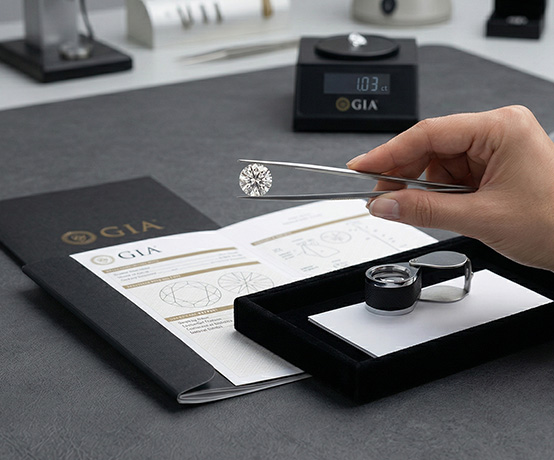
That creates a much clearer starting point for comparison.
Buyers can explore both natural and lab-grown options from the beginning, compare quality grades, adjust carat weights, and customize their selections as they shop.
Sometimes someone starts out focused on natural diamonds and ends up preferring a larger lab-grown bracelet. Other times, the opposite happens. Being able to explore both options from the same starting point often makes the decision feel much simpler.
Instead of locking themselves into one option from the start, buyers can explore both and see where their budget goes further. Sometimes the answer becomes obvious pretty quickly once the numbers are side by side.
Lab-Grown vs Natural Diamond Bracelets: What Changes Most?
| Factor | Lab-Grown Diamond Bracelets | Natural Diamond Bracelets |
|---|---|---|
| Typical Price Range | Often $1,000–$5,000 for many popular styles | Often $3,000–$15,000+ for comparable styles and carat weights |
| Buying Power | Budget often stretches further, allowing larger carat weights or higher quality grades | More of the budget typically goes toward the natural origin of the diamonds |
| Visual Appearance | Visually identical to natural diamonds | Traditional diamond appearance and brilliance |
| Certification Options | Commonly certified by IGI and GCAL | Commonly certified by GIA and GCAL |
| Carat Weight Flexibility | Often easier to move up in size while staying within budget | Larger carat weights usually require a significantly higher budget |
| Best For | Buyers prioritizing value, size, and design flexibility | Buyers prioritizing natural rarity and traditional sourcing |
Note: Prices vary based on bracelet style, total carat weight, diamond quality, metal type, and overall craftsmanship. The ranges above are intended as general buying benchmarks rather than fixed market prices.
Once buyers reach this point, the question usually isn't which category is better. It's which one gives them more of what they're looking for. That's often where differences in price, carat weight, and overall value become much easier to see.
3. Why Bracelet Style Often Matters More Than Buyers Expect
By the time buyers compare lab-grown and natural diamonds, many assume the biggest pricing decisions are already behind them.
Not always.
In practice, the bracelet style itself can have just as much influence on the final price as the diamonds inside it.
This is something many shoppers discover only after they start comparing actual pieces.
A bracelet may have the same total carat weight as another, yet cost noticeably more or less. At first glance, that can feel confusing. But once you look at how the bracelet is designed, the differences often start making more sense.
Take a tennis bracelet, for example.
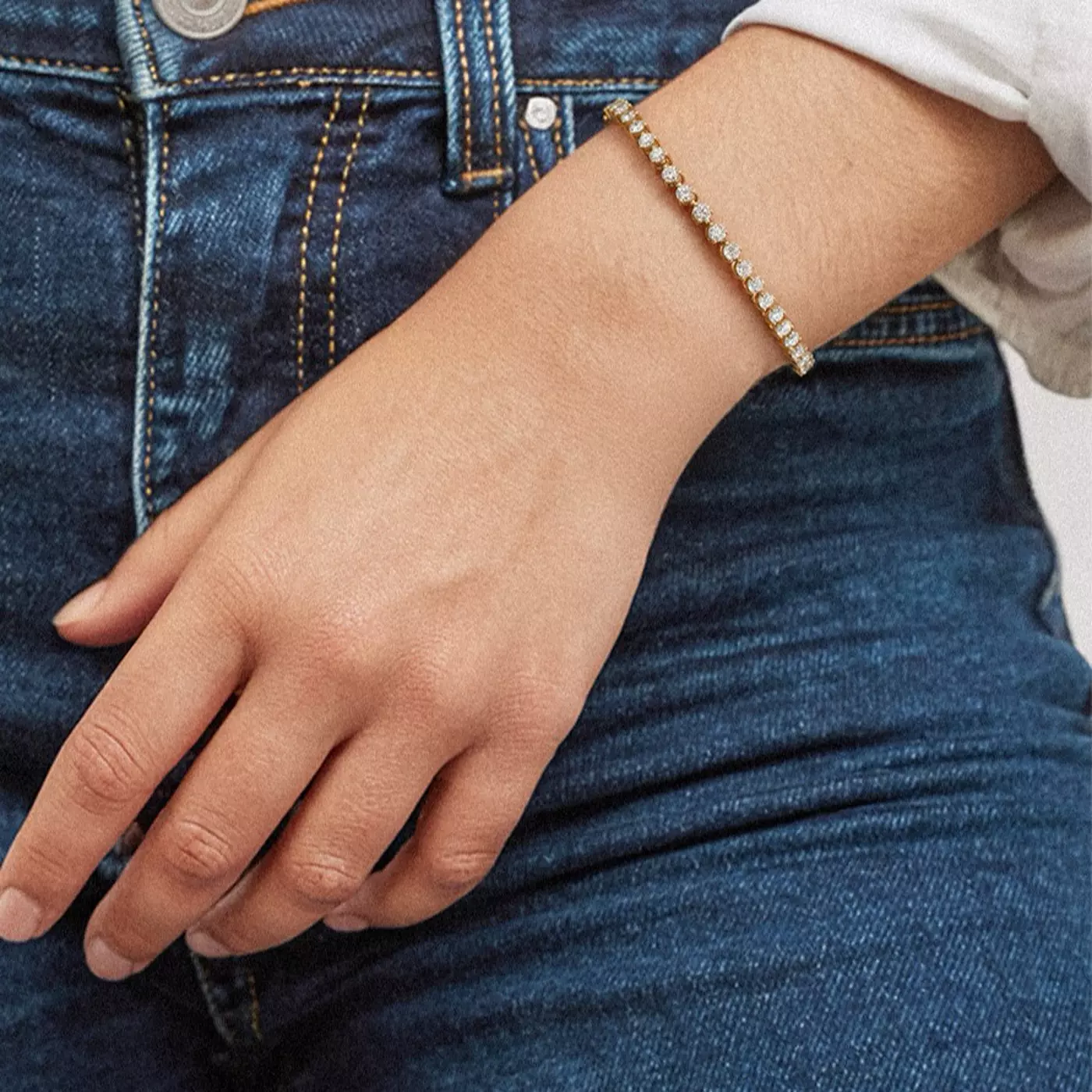
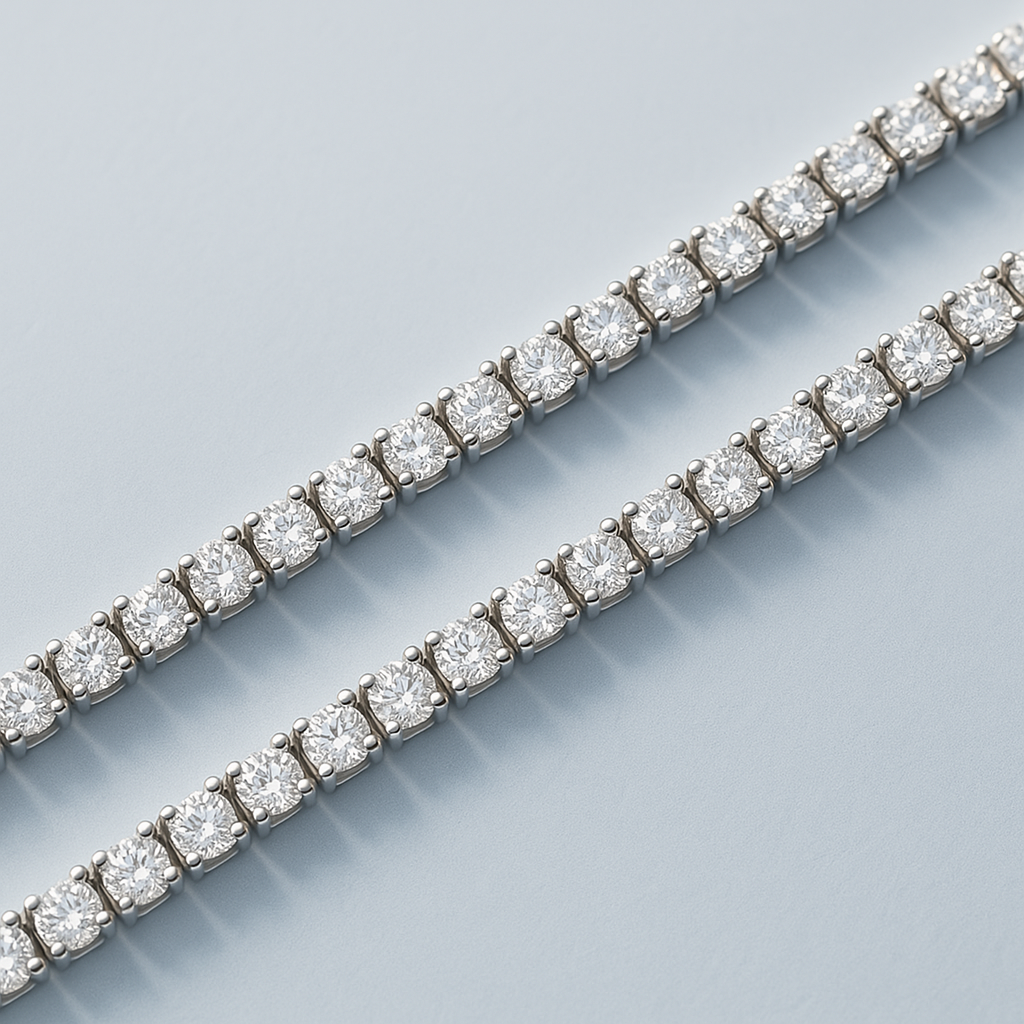
Most people picture a continuous row of diamonds wrapping all the way around the wrist. That's the classic look. But once you start browsing, you quickly realize not every bracelet follows the same formula.
Some use bigger diamonds with more space between them. Others mix in gemstone accents, chain links, bezel settings, or different diamond shapes. Two bracelets can even have a similar total carat weight and still look completely different once they're on the wrist.
That's why style often ends up influencing the buying decision just as much as the carat weight itself.
The result is that carat weight tells only part of the story.
How those diamonds are arranged often changes both the look of the bracelet and the amount of labor, metal, and craftsmanship required to create it.
That's one reason experienced buyers rarely shop by carat weight alone. Instead, they usually start thinking about how they plan to wear the bracelet.
Some prefer a classic tennis bracelet that works with almost everything. Others want a bangle that feels more structured, a bezel-set design with a more contemporary look, or a statement piece that immediately draws attention.
None of those choices is necessarily better than the others.
They're simply built for different preferences, occasions, and budgets.
And that's often where shopping becomes much easier.
Rather than asking, "Which bracelet gives me the most carats for the money?" buyers start asking, "Which bracelet actually fits the look I'm trying to achieve?"
Finding that answer is easier when there are enough options to compare.
At Rare Carat, shoppers can browse more than 1,700 ring styles and over 2,500 fine jewelry designs, making it one of the largest fine jewelry collections offered by any jeweler in the United States. With so many bracelet styles, metal options, diamond shapes, and settings to choose from, it's much easier to find something that feels personal rather than settling for whatever happens to be available.
Once that preferred style starts becoming clear, comparing value becomes much more straightforward.
Looking at real bracelet examples is often the easiest way to see how those differences play out in practice. That's where design, diamond placement, carat weight, and overall value start coming together in a way that product specifications alone can't always show.
4. Which Bracelet Style Is Right for You?
By this stage, most buyers have a reasonable idea of their budget.
The bigger question is usually what type of bracelet makes the most sense for how they plan to wear it.
A bracelet that looks perfect in a product photo isn't always the one that ends up feeling right in everyday life.
Some people want a piece they can wear almost every day. Others are shopping for a milestone gift, a special occasion, or a design that makes a stronger statement when it catches the light.
That's why comparing styles side by side can be helpful before narrowing down specific pieces.
| If You Want... | Consider... | Why It Works |
|---|---|---|
| A timeless piece that works with almost anything | Tennis Bracelet | Classic styling, continuous sparkle, and easy everyday versatility |
| A more structured, polished look | Diamond Bangle | Provides a stronger visual presence with a more architectural feel |
| Something modern and understated | Bezel-Set Bracelet | Clean lines and contemporary styling without excessive sparkle |
| Additional color and personality | Gemstone & Diamond Bracelet | Adds visual contrast and a more distinctive look |
| Maximum visual impact | High-Carat Statement Bracelet | Prioritizes size, presence, and noticeable brilliance |
In reality, there isn't a single "best" bracelet style.
The right choice usually depends on how often the bracelet will be worn, what other jewelry it will be paired with, and whether the goal is everyday versatility or a stronger statement piece.
That becomes much easier to evaluate once you start looking at actual bracelets rather than broad categories.
To help make that process easier, the examples below highlight several popular lab-grown diamond bracelet styles that shoppers frequently gravitate toward. Each one approaches design, diamond placement, and overall presence a little differently, making them useful reference points when deciding what feels right for your own collection.
5 Popular Lab-Grown Diamond Bracelets Worth Exploring
The examples below showcase some of Rare Carat's most popular bracelet styles and can help illustrate how different design choices create very different looks—even when the overall category is similar:
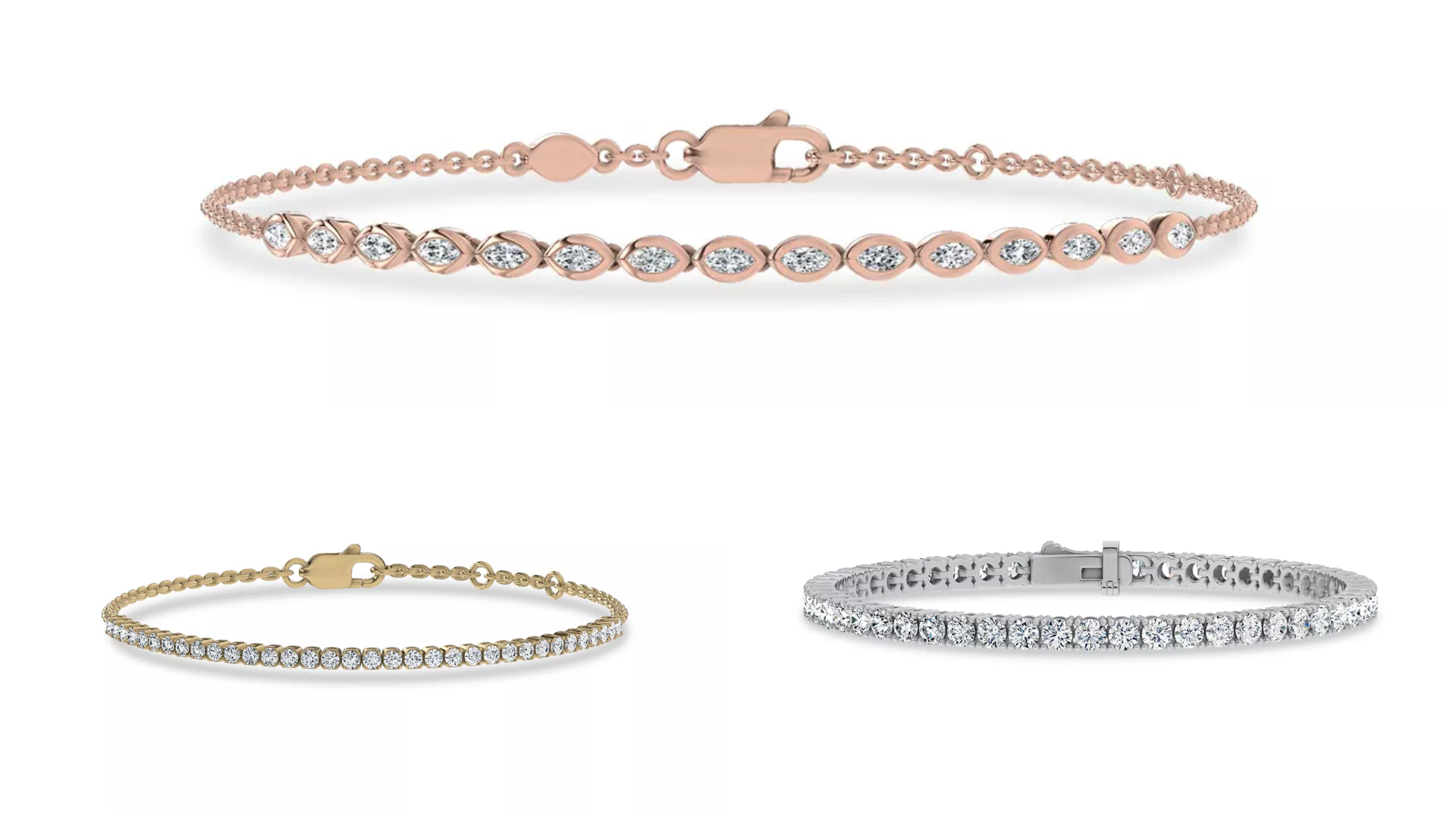
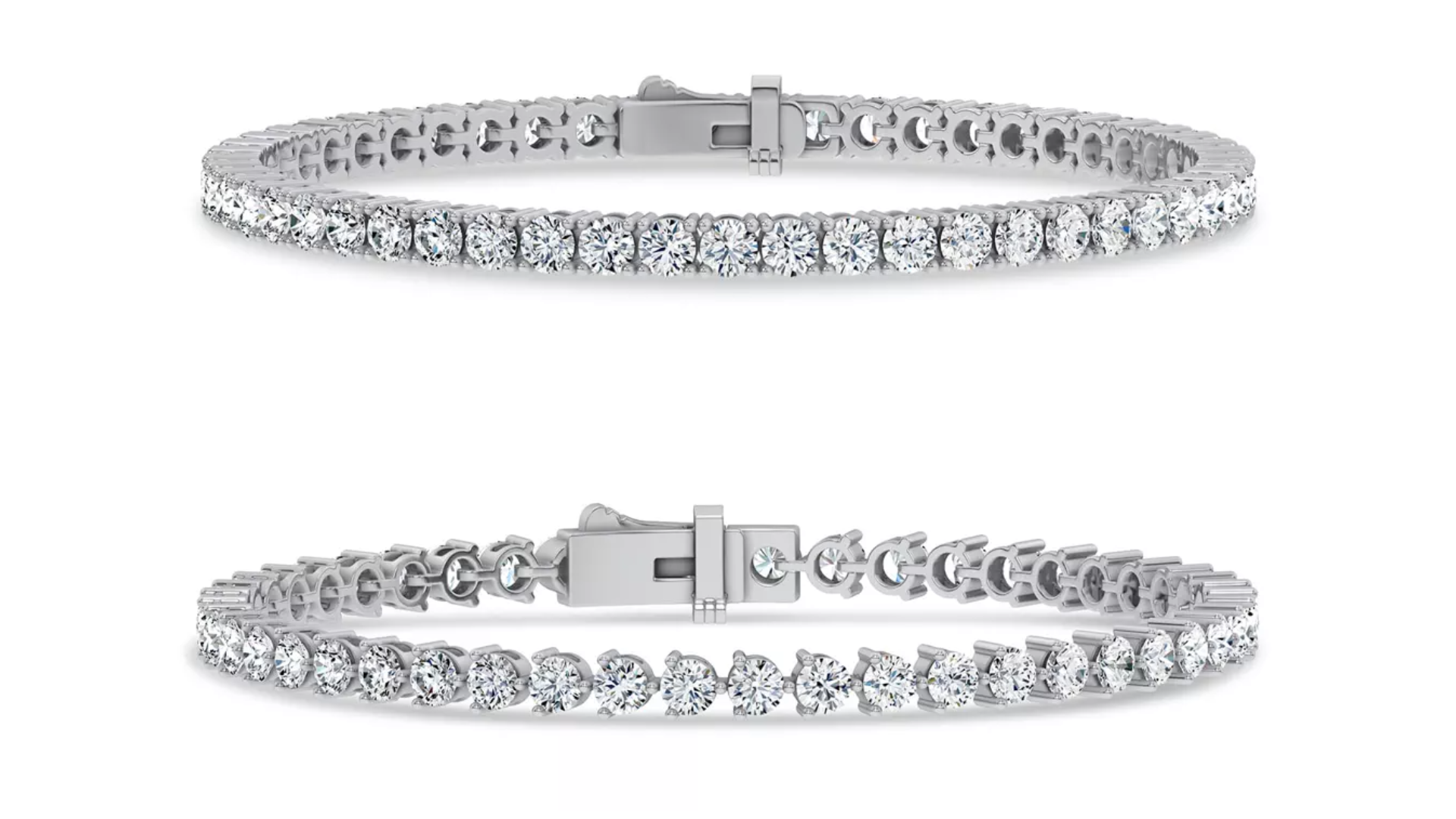
- A Modern Take on the Classic Tennis Bracelet
When most people think of a tennis bracelet, they picture that uninterrupted line of diamonds wrapping around the wrist. Traditionally, that look is created with four-prong settings, but this bestseller takes a slightly different route.
Instead, it uses a three-prong setting, allowing more of each diamond to show and creating a cleaner, more fluid flow of sparkle.
Featuring 48 IGI-certified round lab-grown diamonds totaling 5.00 carats, with F color and VS2 clarity, the bracelet pairs classic tennis bracelet styling with a slightly more modern, diamond-forward look in 14K white gold.
The result feels timeless, but with a slightly more modern and diamond-forward look.
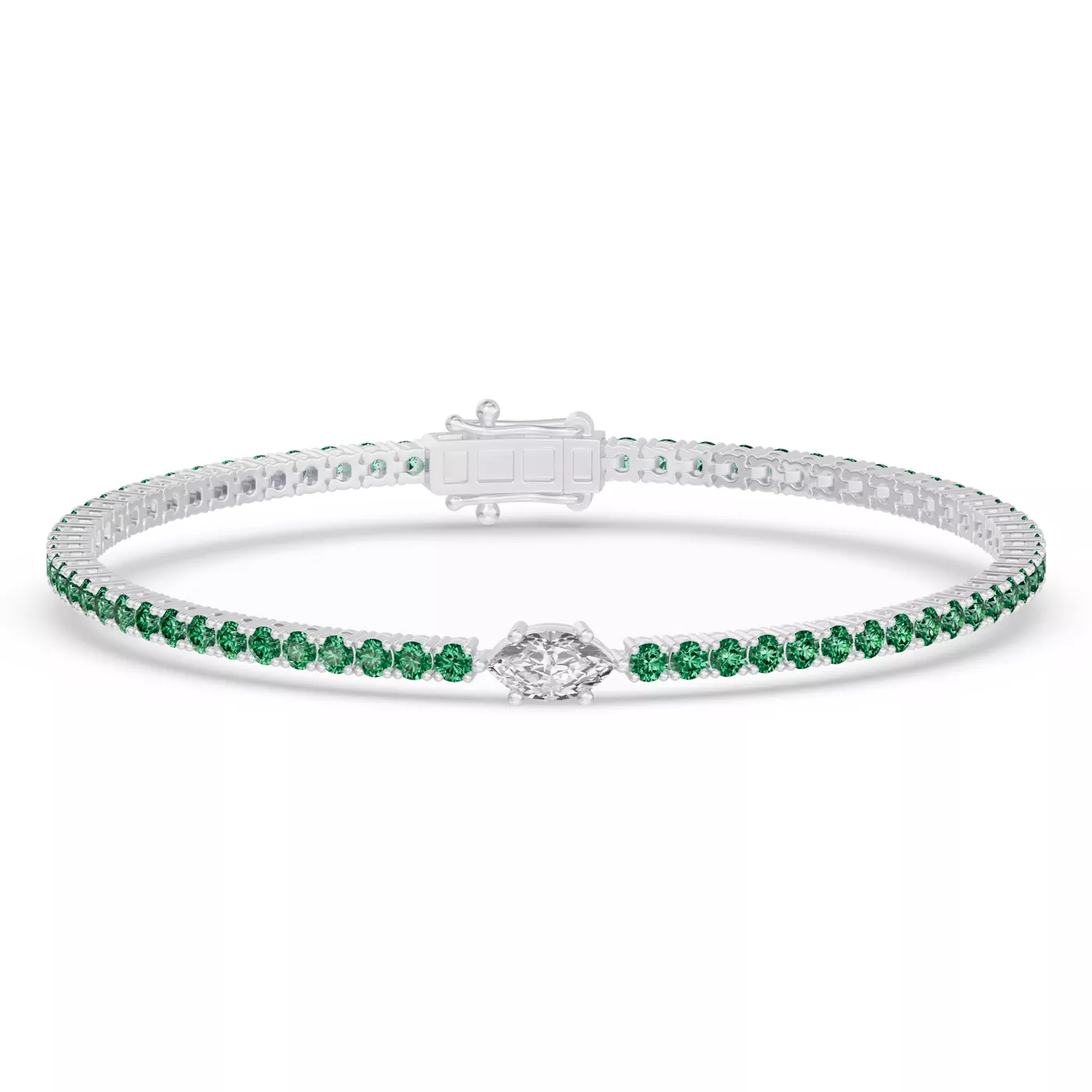
- A Tennis Bracelet That Breaks Up the Expected Look
Most tennis bracelets follow a familiar formula: a continuous row of matching diamonds from one end to the other.
This design goes in a different direction.
Instead of relying entirely on diamond sparkle, it uses vivid emeralds throughout the bracelet, with a 0.50-carat marquise lab-grown diamond at the center as the focal point.
The contrast naturally draws your attention. Rather than blending into a uniform line of stones, the bracelet feels more expressive and a little less predictable.
For buyers who like the elegance of a tennis bracelet but want something with more personality, this is the kind of design that tends to stand apart from traditional all-diamond styles.
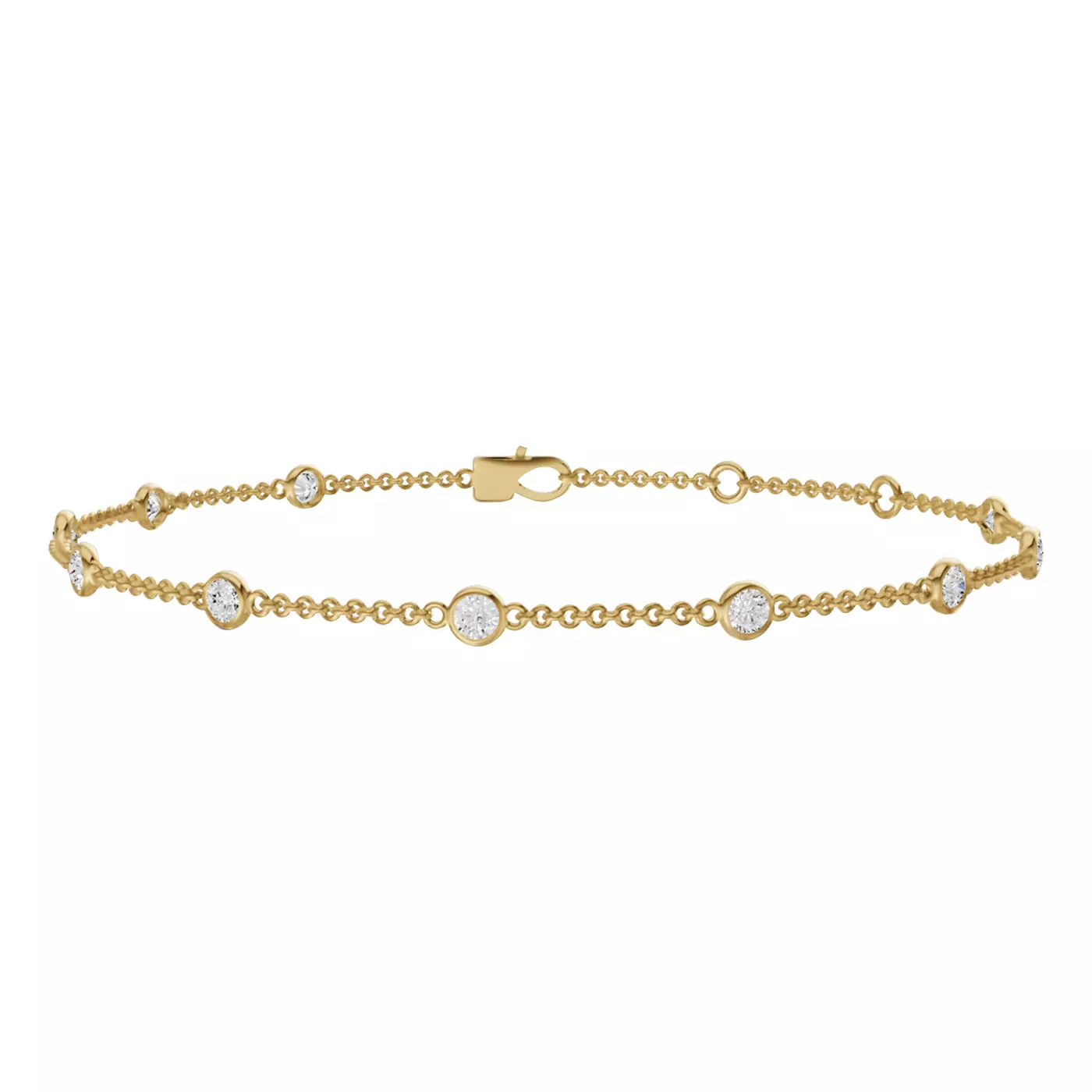
- A More Relaxed Bracelet For Daily Wear
Not everyone wants diamonds running all the way around the wrist.
Instead of creating a solid row of diamonds, the stones are spaced along a delicate chain, giving the bracelet a lighter, more easygoing feel. The bezel settings add a clean, modern touch while helping protect each diamond.
For buyers who want a little sparkle without the formality of a traditional tennis bracelet, this is the kind of piece that fits naturally into everyday wear.
- A Lighter Take on the Classic Tennis Look
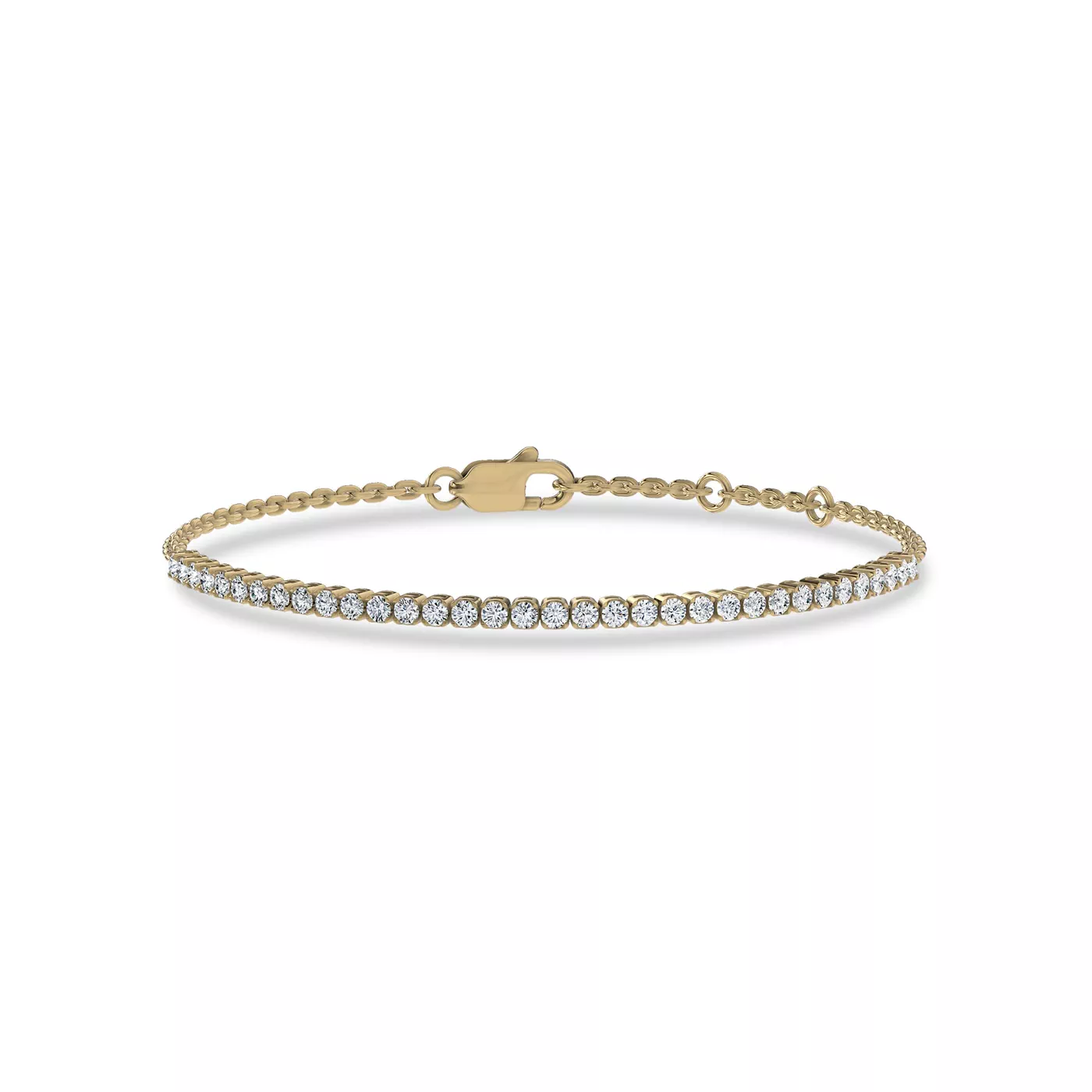
This is also a chain bracelet, but it’s popular because it delivers the continuous line of diamond sparkle associated with a tennis bracelet in a lighter, more flexible form.
Instead of a structured setting, the diamonds are spaced along a fine chain, giving more movement while still keeping that familiar uninterrupted diamond look. It feels close to a traditional tennis bracelet, just more relaxed and everyday in feel.
A continuous line of lab-grown diamond brilliance traces the wrist, connected by a sleek chain in a modern tennis-inspired design.
It has enough sparkle to stand on its own, but feels easier to wear regularly without feeling overly formal.
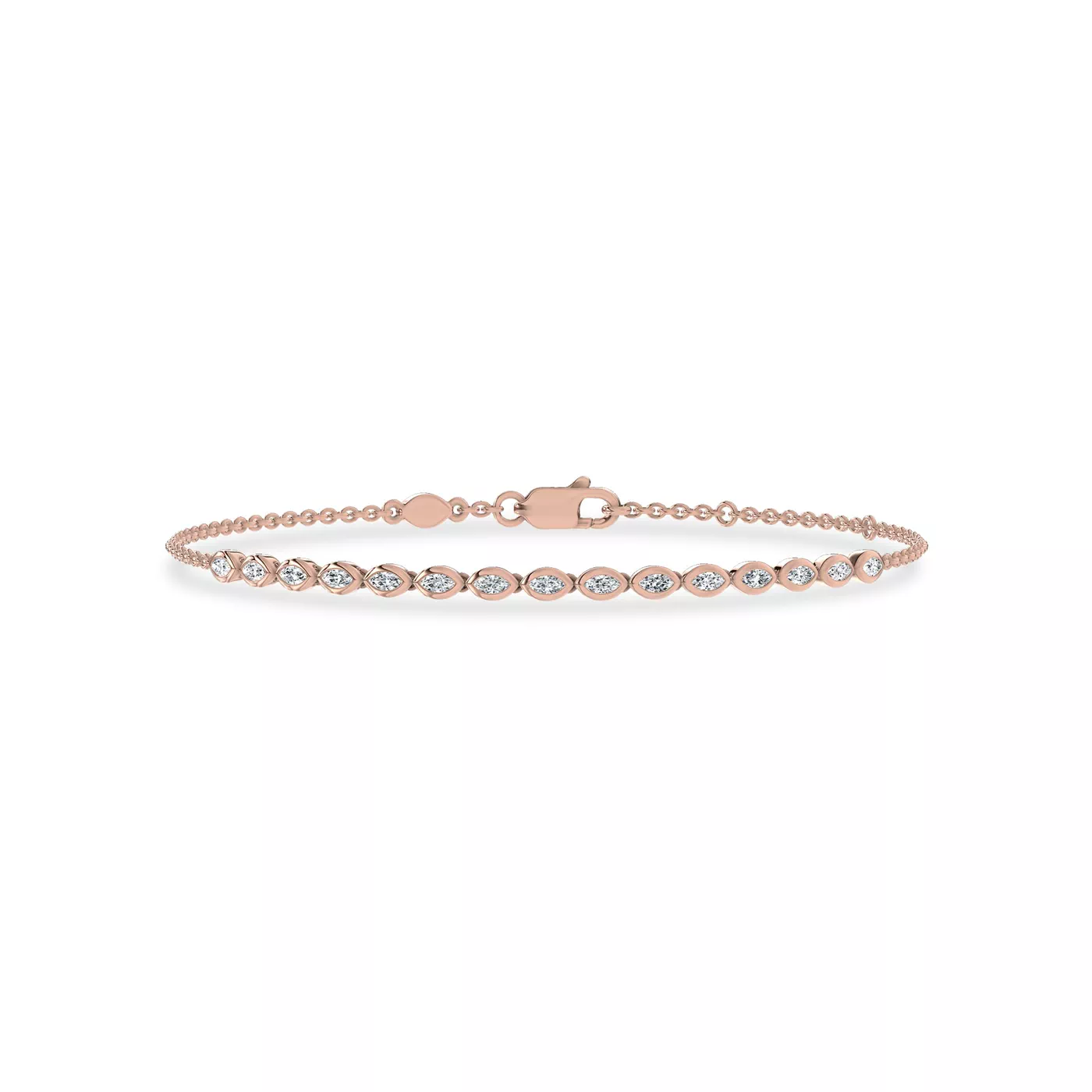
- A Bezel-Set Marquise Diamond Chain Bracelet
Marquise lab-grown diamonds in smooth bezel settings trace a soft, graceful line around the wrist before giving way to a fine cable chain.
A small logo tag adds a quiet designer detail, but it doesn’t take away from the clean, minimal look of the bracelet.
It adjusts between 6 and 7 inches, so it sits comfortably on its own or stacked, depending on how it’s worn.
5. Choosing a Trusted Place for Better Value
By this point, most buyers already understand what drives bracelet pricing and why similar designs can vary so much in cost.
The real question becomes less about what to buy and more about where to buy it without overpaying.
Because the challenge is rarely finding a good-looking bracelet. It’s knowing whether the price reflects actual value or just retail markup.
That difference usually comes down to how clearly you can compare options side by side.
At Rare Carat, buyers can look at lab-grown and natural diamond bracelets in detail, check independently certified quality, and understand pricing in a clear, real-time way—all in one place. Instead of jumping between different listings and trying to piece everything together, the information is laid out consistently, making comparison feel much more straightforward.
Beyond comparison, trust is what ultimately makes the decision simpler.
That’s where buyer protections and service standards matter just as much as pricing transparency.
Rare Carat supports purchases with a full set of safeguards designed to remove uncertainty at every step, including a 100% money-back guarantee, free 30-day returns, free 30-day resizing, and a lifetime manufacturer’s warranty on all jewelry and rings sold. Orders also come with fully insured, free shipping, so the piece is protected from the moment it leaves until it arrives.
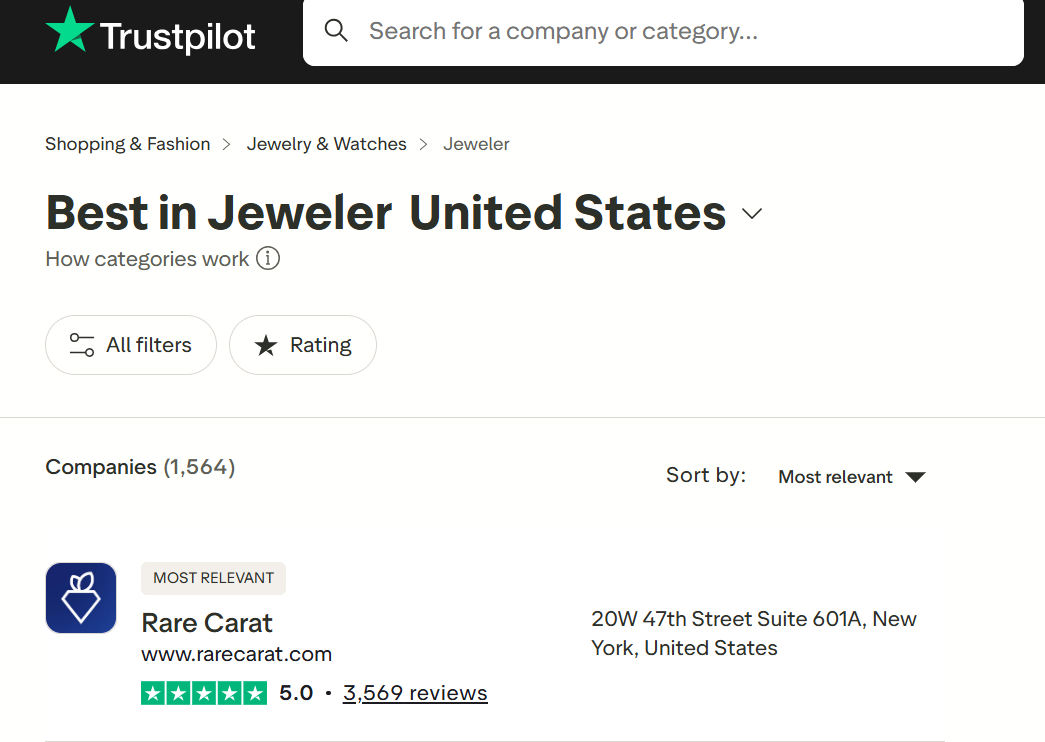
On top of that, Rare Carat has been consistently rated the top jeweler on Trustpilot, holding a 5/5 rating across thousands of verified customer reviews, reflecting long-term buyer confidence rather than isolated transactions.
Why does this matter when comparing value
| What Matters | Typical Shopping Experience | Rare Carat Experience |
|---|---|---|
| Understanding true value | Prices shown without full context | Clear price and quality comparison in one view |
| Confidence in quality | Inconsistent certification details | Only independently certified diamonds (GIA, IGI, GCAL) |
| Risk protection after purchase | Limited or unclear return policies | Money-back guarantee, 30-day returns, resizing support, and warranty coverage |
| Delivery confidence | Standard or unprotected shipping | Free fully insured shipping on all orders |
Once buyers can see both sides—value clarity and purchase protection—the decision becomes much easier.
It stops being about guessing and starts being about choosing what actually feels secure and worth it.
If you still have some questions, you can try our quiz. It helps compare tradeoffs based on your preferences so you can find what you’re looking for more easily.