Best Lab-Grown Diamond Bracelet Styles: Tennis, Bangle, and Everyday Designs Explained
Learn how popular lab diamond bracelet styles compare with Rare Carat
- Lab-grown diamond bracelets vary significantly in style, from classic tennis bracelets to structured bangles and everyday designs.
- Total carat weight greatly impacts the bracelet’s presence, feel, and how often it gets worn.
- Craftsmanship, certification (GIA/IGI/GCAL), and transparent pricing are as important as style.
- Real-world examples show how design choices like diamond shape and setting change the overall look.
- Buying protections like 30-day returns, warranties, and insured shipping provides confidence when purchasing online.
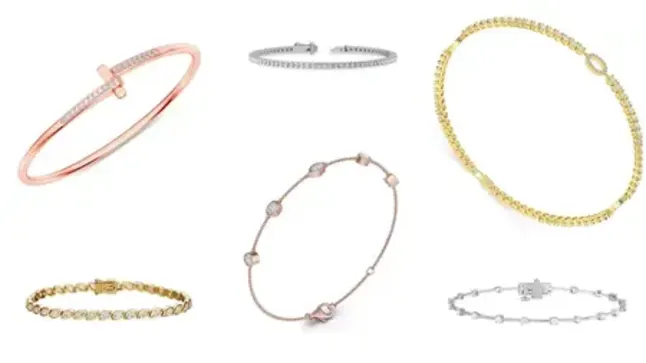
Lab-grown diamond bracelets are often thought of as a single category, but once buyers actually start exploring them, the decision usually opens up much further than expected.
Some are drawn to the clean symmetry of a tennis bracelet. Others prefer the structure of a bangle or something more subtle that works for everyday wear. And very quickly, the question shifts from whether to buy one to which style actually makes sense for how it will be worn.
That’s usually where things get more complicated.
Because even when the diamonds are lab-grown and the quality looks similar on paper, the way each bracelet is designed can completely change how it feels on the wrist, how secure it is, and how versatile it is in daily use.
This guide to Best Lab-Grown Diamond Bracelet Styles breaks down the most common designs, how they differ in real life, and what buyers tend to overlook when choosing between them.
It also sets the foundation for understanding where people eventually go to buy them—something we explore in detail in our guide on the best places to buy lab-created diamond bracelets, where selection, trust, and verification become just as important as style.
Before getting to that stage, though, it helps to first understand the styles themselves—and why they’re not all as similar as they might initially look.
1. Why Lab-Grown Diamond Bracelet Styles Matter More Than They First Seem
At first glance, just like engagement ring designs, lab-grown diamond bracelets can feel fairly similar. The idea is simple enough—diamonds set in a continuous row of metal, made to create sparkle that wraps around the wrist.
But once buyers start comparing real designs, the differences become much more noticeable.
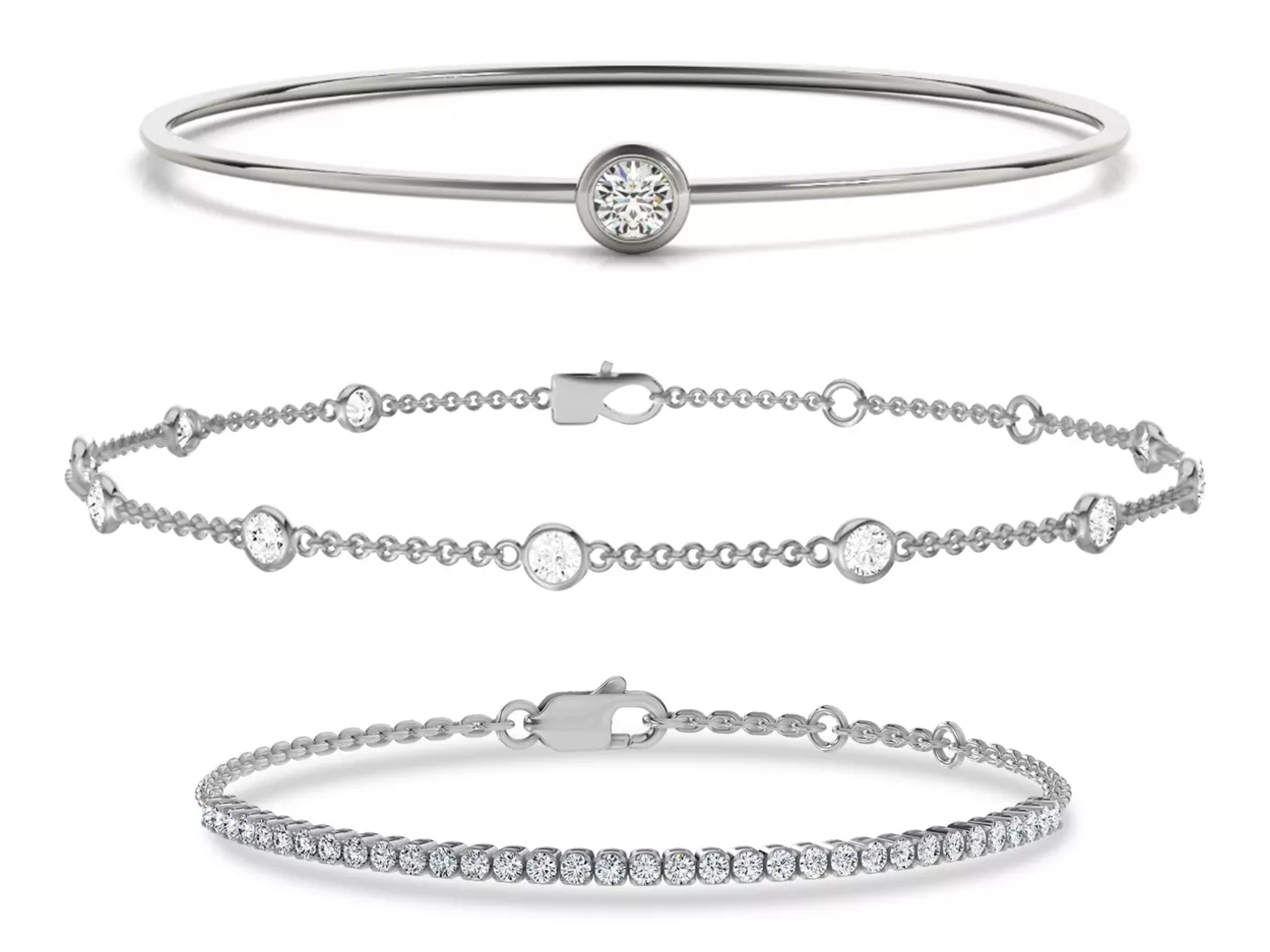
A tennis bracelet has that uninterrupted line of diamonds, so the sparkle just runs all the way around the wrist smoothly without any breaks. A bangle feels different straight away—more solid, more shaped—even when the diamonds are the same size, it carries a clearer sense of structure the moment you see it.
And then there are everyday styles that are more about comfort and ease, where the focus shifts away from intensity and toward something you can wear without thinking too much about it.
What this usually leads to is a shift in thinking.
Instead of asking “Which bracelet looks best?”, buyers start asking “Which bracelet actually fits how I’ll wear it?”
Because even when the diamonds are lab-grown and the quality standards are similar, the style itself influences:
- How often it gets worn
- How secure it feels on the wrist
- How formal or casual it appears in daily use
- How the overall sparkle is perceived in different lighting
Finding the Right Lab-Grown Diamond Bracelet Style More Easily
One of the challenges buyers often run into at this stage is simply narrowing down the style they actually want. Once you move past the basic idea of a bracelet, the number of variations can feel surprisingly large.
This is where having a broader, more structured selection helps make the process easier.
At Rare Carat, buyers can browse a wide selection that goes well beyond bracelets, with 1,700+ ring designs and 2,500+ fine jewelry styles across different categories. Having that kind of range just makes it easier to see how different bracelet styles fit into the bigger picture, instead of judging each one on its own.
Instead of scrolling through disconnected options, shoppers can use interactive filters and guided recommendations to narrow down styles based on metal type, diamond shape, setting style, and overall look preferences.
And once the options become more organized in this way, the differences between styles like tennis bracelets, bangles, and everyday designs start to feel much easier to evaluate in a real buying context.
Which Lab-Grown Diamond Bracelet Style Is Right for You?
| Bracelet Style | Best For | How It Feels | Key Appeal |
|---|---|---|---|
| Tennis Bracelet | Everyday elegance and special occasions | Smooth, continuous sparkle around the wrist | Classic, balanced, and always wearable |
| Bangle | Structured, fashion-forward looks | More solid and defined on the wrist | Strong shape and modern presence |
| Everyday Styles | Daily wear and subtle styling | Light, comfortable, and easygoing | Simple, practical, and effortless |
2. Why Pricing and Craftsmanship Matter More Than Style Alone
Once buyers narrow down the bracelet style, the next layer of decision-making usually becomes less about appearance and more about what sits behind it.
Because two bracelets can look almost identical at first glance, but still differ quite a bit in how they’re made, how they’re priced, and the overall quality behind them.
This is where craftsmanship and certification start to matter more than people initially expect.
A well-made bracelet isn’t just about how the diamonds are placed. It comes down to how precisely the diamonds are set, how secure the bracelet feels when it’s actually on the wrist, and whether the finish stays consistent across all the small details that you don’t always notice at first glance.
These are the kinds of differences that don’t always show up in photos but become more noticeable over time.
At Rare Carat, for example, all jewelry is crafted in advanced workshops based in New York and New Jersey, where expert jewelers focus on precision setting and finishing quality across every piece.
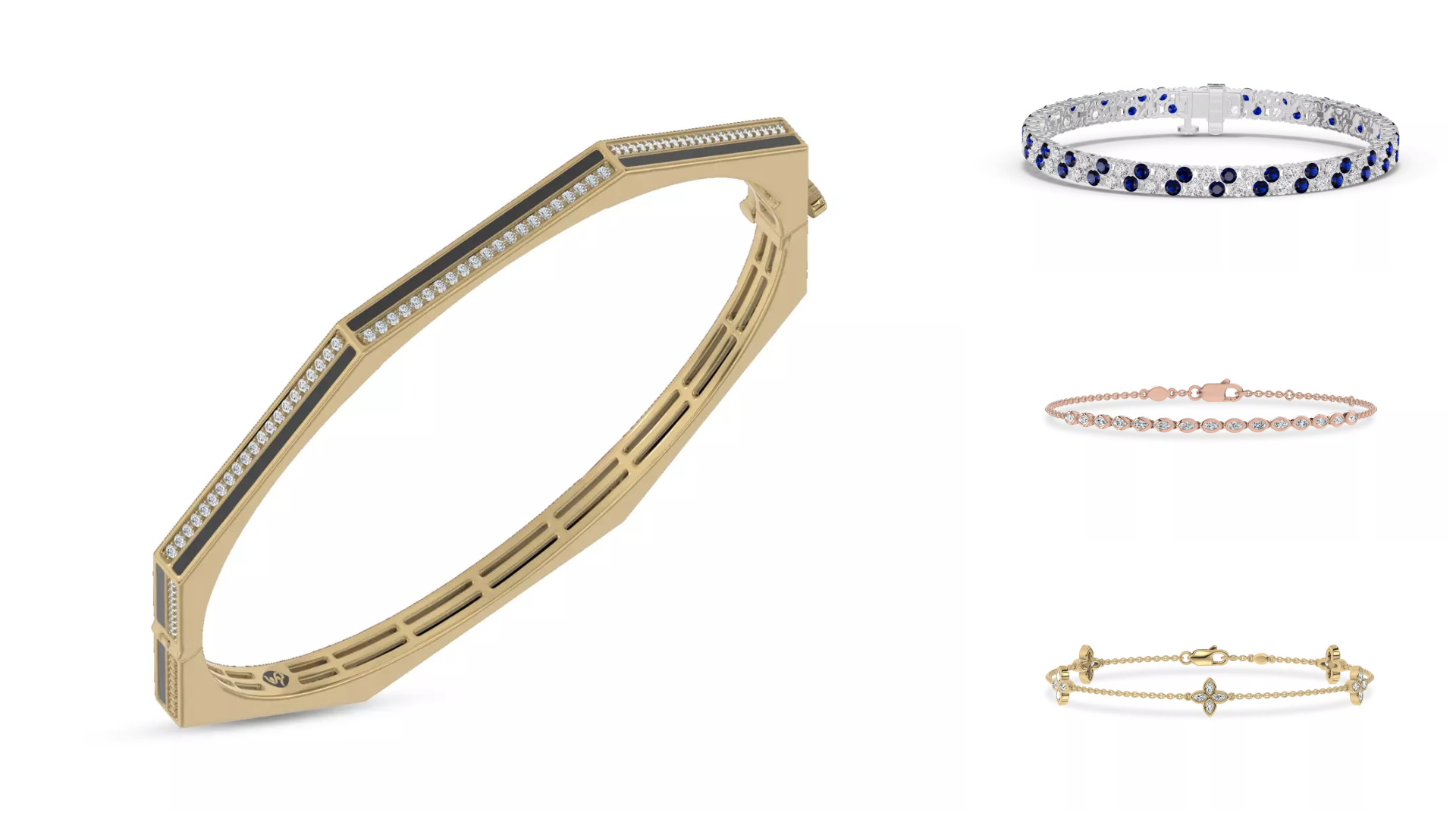
The idea isn’t just to make something that looks good in a photo. It has to feel right when it’s worn, sit properly on the wrist, and still hold its shape and finish long after that first impression fades.
Alongside craftsmanship, pricing also plays a major role in how buyers evaluate options.
Instead of treating price as a fixed number, Rare Carat provides transparent price and quality scores that help buyers understand how a piece compares within the broader market. In many cases, this approach can help identify savings of up to 40%, depending on the design and diamond selection.
And then there’s certification—the part that quietly holds everything in place.
Each diamond is graded by respected labs like GIA, IGI, or GCAL, so what you’re seeing isn’t just a description from a listing. It’s sourced responsibly, but more importantly, it’s actually checked against real industry standards before it ever reaches the buyer.
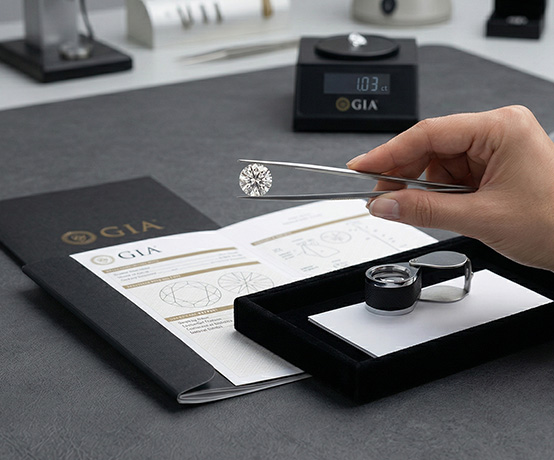
And that just makes things easier. You’re not left trying to decode what’s accurate or second-guess small details—you’re working with information that’s already been verified in a clear, structured way.
When that sits alongside solid craftsmanship and transparent pricing, the whole decision starts to feel less uncertain and more grounded in actual value.
And at that point, it’s no longer just about browsing styles. It becomes about confidently choosing the piece that actually fits.
3. Why Carat Weight Changes a Bracelet More Than Most Buyers Expect
When people shop for diamond bracelets, the first thing they often notice is the style.
The second thing is usually the price.
What many don't realize right away is that a large part of that price difference often comes down to total carat weight.
With bracelets, carat weight tends to influence more than just the amount of sparkle. It can change how substantial the bracelet feels, how noticeable it looks from a distance, and even how often someone chooses to wear it.
A one-carat bracelet and a five-carat bracelet might both be called diamond bracelets, but once they're on the wrist, the difference is hard to miss. One feels understated and easy to wear every day. The other naturally draws more attention the moment it catches the light.
More Diamonds Doesn't Always Mean Better
This is where buyers often start adjusting their expectations.
A higher total carat weight creates more visual presence, but that doesn't automatically make it the better choice.
Some people want a bracelet that stands out immediately.
Others are looking for something they can wear every day without feeling overly dressed up.
The right choice often depends less on maximizing size and more on matching the bracelet to how it will actually be worn.
Typical Lab-Grown Diamond Bracelet Carat Weight Ranges
| Total Carat Weight | Overall Look | Best For | Typical Feel on the Wrist |
|---|---|---|---|
| 1–2 CTW | Subtle and refined | Daily wear | Light and easy to wear |
| 2–4 CTW | Noticeable sparkle without feeling oversized | Everyday and special occasions | Balanced and versatile |
| 4–6 CTW | More visual presence | Buyers wanting stronger impact | Feels more substantial |
| 6+ CTW | High-impact sparkle | Statement jewelry | Most noticeable on the wrist |
Why Lab-Grown Diamonds Changed the Carat Weight Conversation
This is one area where lab-created diamonds have changed buying behavior quite a bit.
In the past, moving up in carat weight often meant a significant jump in budget.
Today, many buyers find they can comfortably choose larger total carat weights while still staying within the price range they originally planned to spend.
That doesn't mean everyone should automatically choose the biggest bracelet possible.
What it does mean is that there’s a lot more room to find a balance that feels right. Buyers can often move up in size without automatically having to sacrifice the style they want or stretch beyond their planned budget.
At Rare Carat, it’s easy to compare different carat weights, bracelet styles, and price points in detail. With interactive filters and comparison tools, shoppers can get a clearer sense of how a bracelet changes as the carat weight goes up—not just in price, but in how it actually looks and feels.
4. Real Lab-Grown Diamond Bracelet Styles Buyers Gravitate Toward
Once buyers have a better sense of style, craftsmanship, and carat weight, the conversation usually becomes much more practical.
This is often where preferences become clearer.
A bracelet that sounded perfect in theory can feel very different once it's viewed as a finished piece. Sometimes a buyer who expected to prefer a larger carat weight ends up choosing a more refined design. Other times, a bracelet that seemed understated on paper turns out to have exactly the right amount of presence when seen in context.
That's one reason real product examples tend to be useful at this stage of the shopping process.
Rather than comparing broad categories, buyers can start seeing how design, diamond placement, carat weight, and overall proportions come together in a finished bracelet.
The examples below highlight some of the lab-grown diamond bracelet styles shoppers frequently gravitate toward, while also showing how different design choices can create very different looks even within the same category:
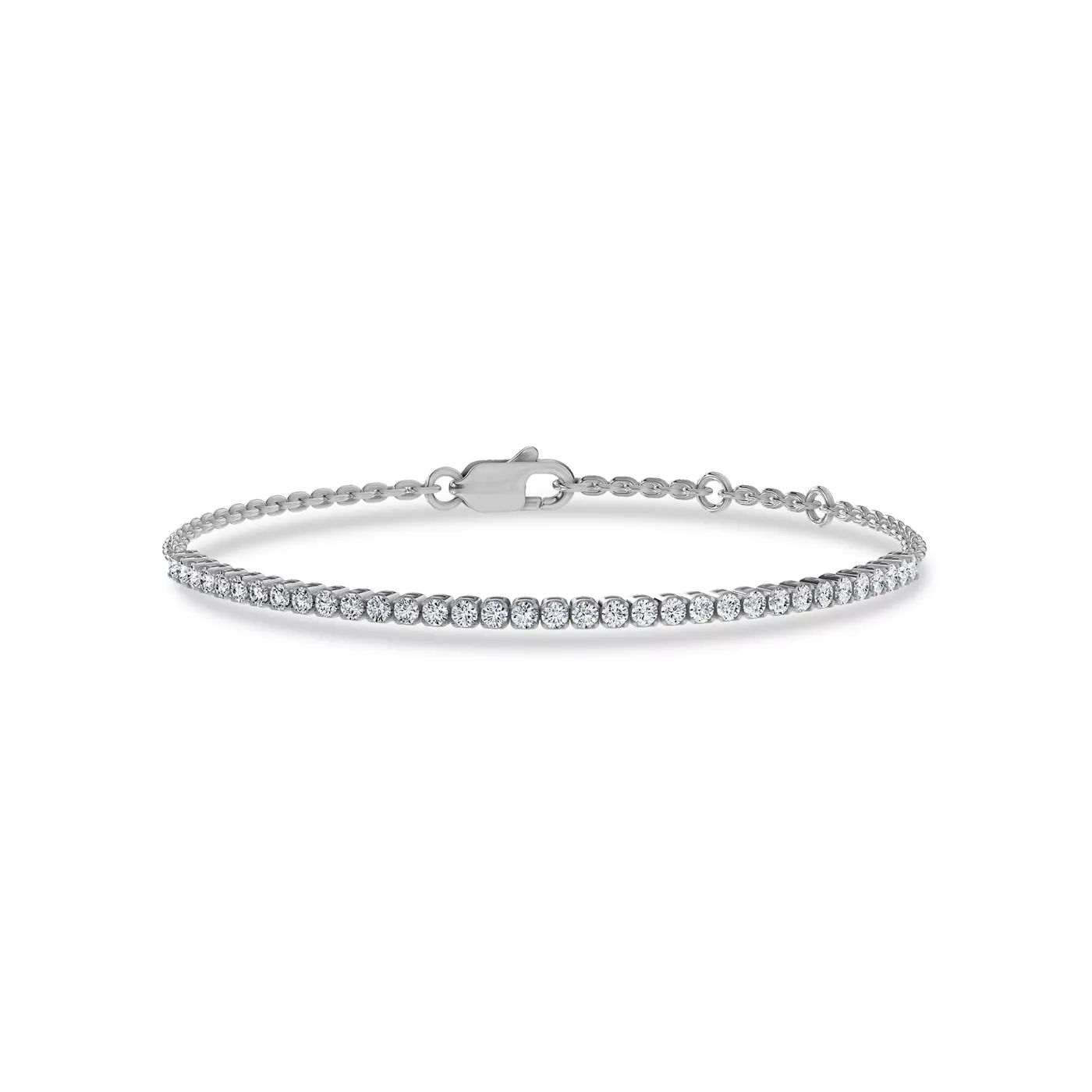
- An Everyday Tennis Chain Bracelet
Not every tennis bracelet is trying to make a statement. This one feels a little more relaxed.
Instead of diamonds running continuously around the entire wrist, the stones are connected by delicate chain links, which gives the bracelet a lighter look and a bit more movement when worn.
The chain breaks up the row of diamonds just enough to make the bracelet feel a little more relaxed and easygoing.
Rather than feeling like a bracelet saved for special occasions, this is the kind of piece that naturally becomes part of a regular jewelry rotation. The sparkle is there, but it doesn't demand attention.
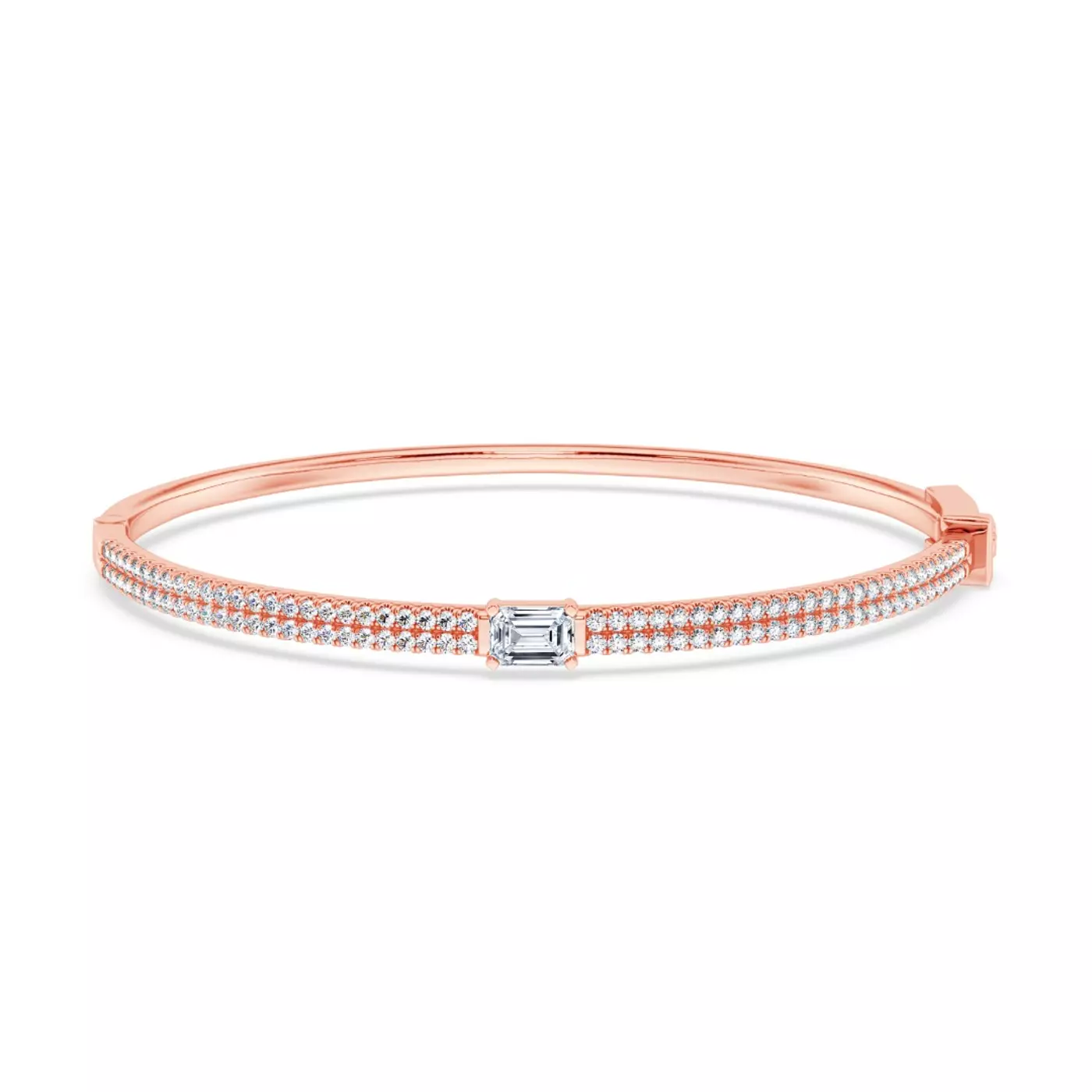
- A Diamond Bangle with a Little More Presence
Some bracelets blend in. This one isn't really trying to.
The emerald-cut center stone naturally draws the eye first, while the surrounding diamonds add extra brightness without taking over the design.
The bangle silhouette gives it a more structured look on the wrist, making it a good option for buyers who want something with a little more presence than a traditional tennis style.
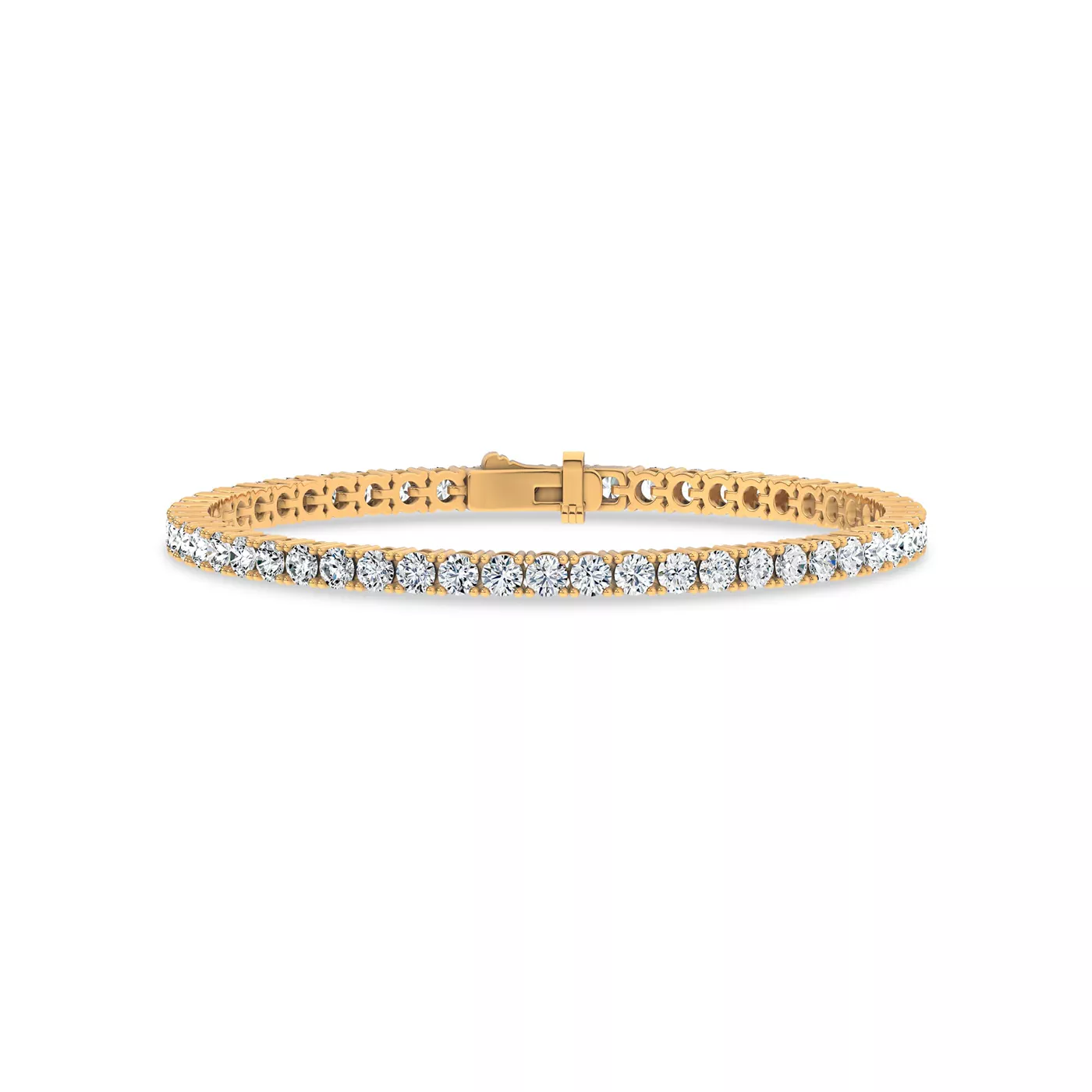
- A Classic High-Carat Tennis Bracelet
This is the kind of bracelet people usually picture when they think of a tennis bracelet.
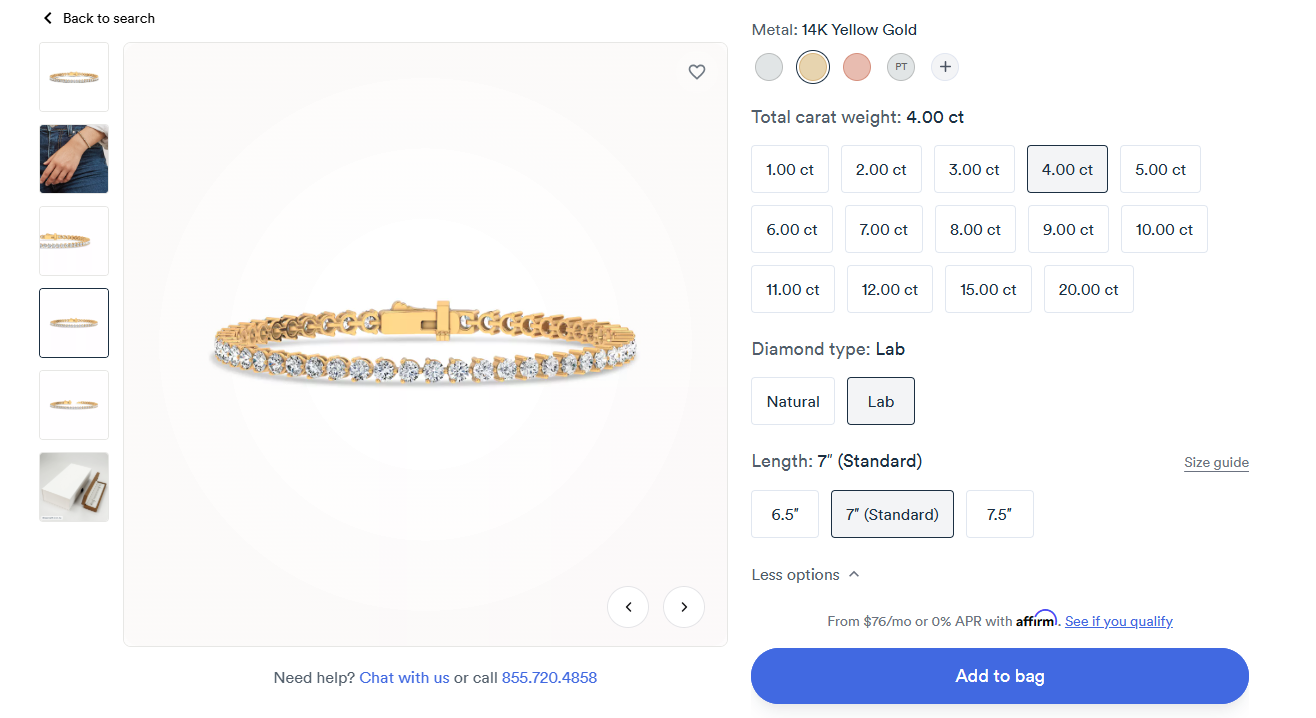
With 6.00 total carats of round lab-grown diamonds, this is the bracelet that people notice right away. The diamonds run uninterrupted around the wrist, creating the kind of sparkle that naturally draws the eye.
Even with the larger carat weight, it doesn't feel overdone.
The diamonds have a bright, crisp look, and the safety clasp with comfort lock means it stays put once it's on your wrist.
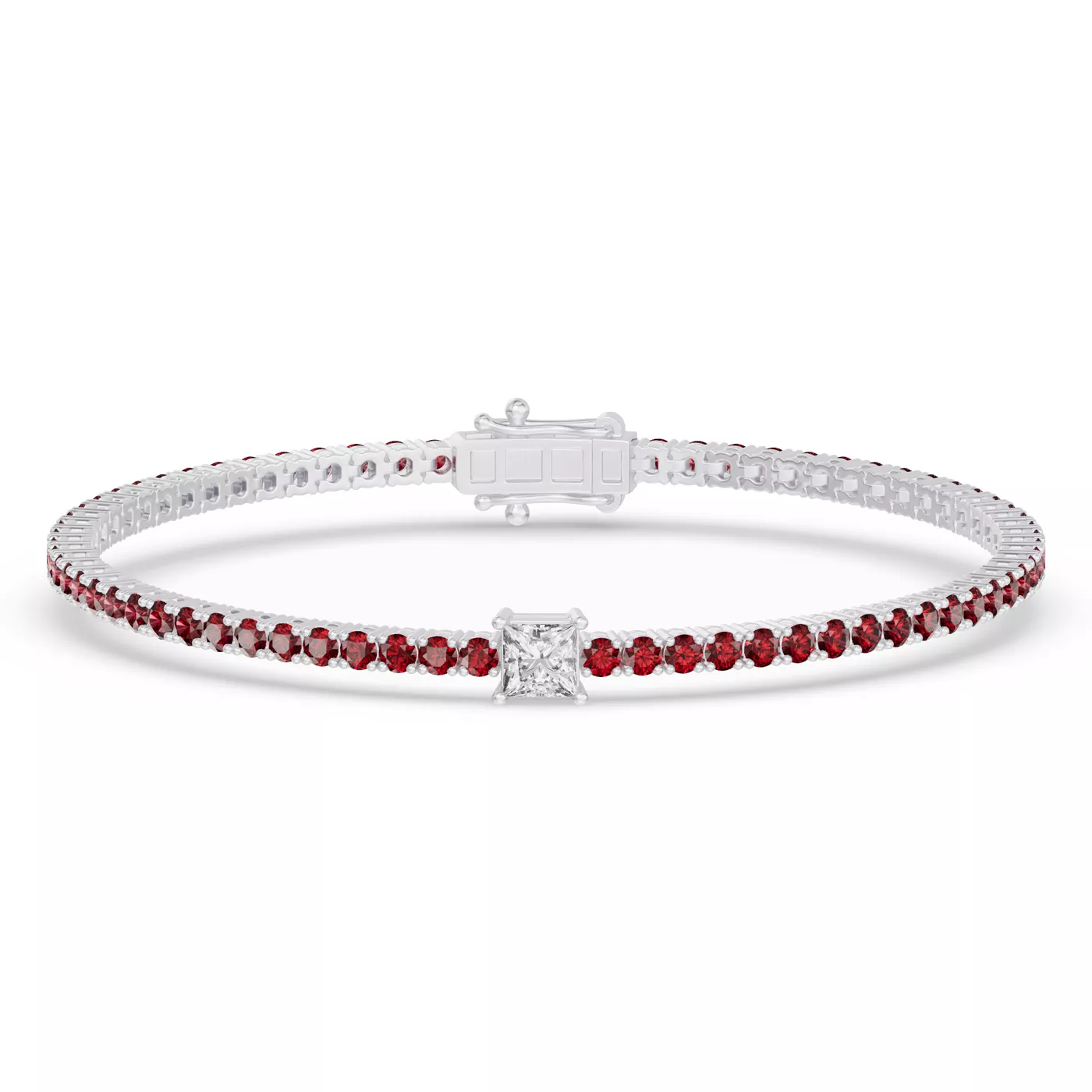
- A Colorful Gemstone & Diamond Bracelet
Not every bracelet is built around uniform sparkle. Here, the eye naturally lands on the center stone—a 0.50 ct princess lab diamond—while the colored gemstones running along the bracelet bring in a completely different personality.
Ruby is one option, but the design can also be customized with sapphires or emeralds, making it easy to lean warmer, cooler, or more classic depending on personal taste.
The result feels less like a traditional tennis bracelet and more like a piece chosen for its character as much as its diamonds.
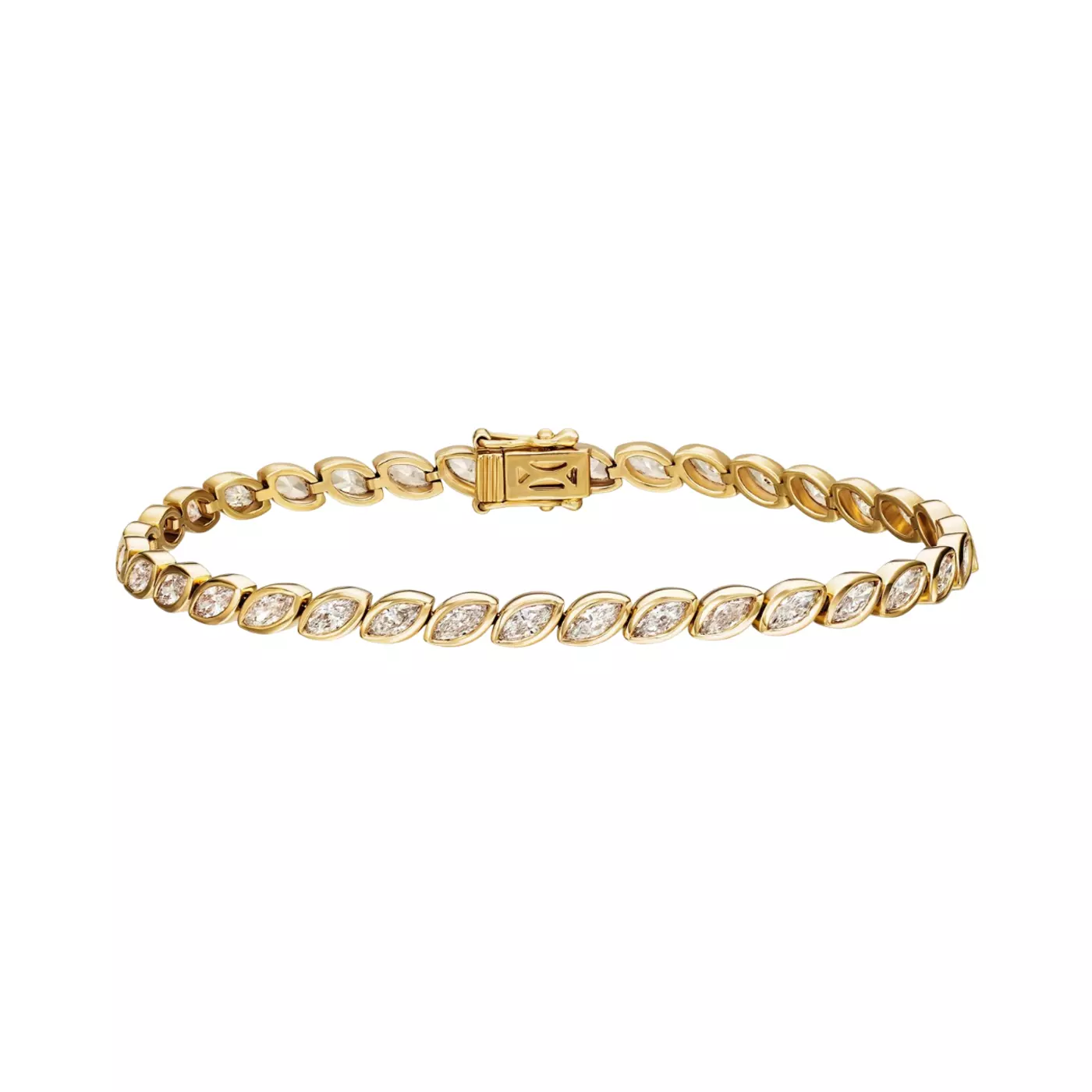
- A Statement Bracelet with Bezel-Set Marquise Diamonds
This isn't the kind of bracelet that blends into the background. The first thing you notice here isn't the carat weight—it's the way the marquise diamonds sit. Set at an angle rather than in a straight row, they give the bracelet a different rhythm and make it feel a little less expected.
With 4.50 total carats of VS1 lab-grown diamonds, there's no shortage of sparkle.
What stays with you, though, is the design. The marquise shape paired with the bezel settings gives it a cleaner, more contemporary look that feels distinctive without demanding attention.
Lab-Grown vs Natural Diamond Bracelets: What Changes Most?
After comparing bracelet styles, many buyers eventually arrive at another question: should the diamonds be lab-grown or natural? While the overall design may stay the same, the differences often become most noticeable once price, carat weight, and buying flexibility enter the conversation.
| Factor | Lab-Grown Diamond Bracelets | Natural Diamond Bracelets |
|---|---|---|
| Typical Price | Often $1,000–$5,000 for many popular styles | Often $3,000–$15,000+ for comparable styles and carat weights |
| Buying Power | More flexibility to increase carat weight or choose premium designs within the same budget | Larger carat weights and premium designs usually require a significantly higher budget |
| Visual Appearance | Same sparkle and optical properties as natural diamonds | Traditional diamond appearance and brilliance |
| Certification | Commonly certified by IGI and GCAL | Commonly certified by GIA and GCAL |
| Best For | Buyers prioritizing value, larger sizes, and design flexibility | Buyers prioritizing natural rarity and traditional sourcing |
5. Why the Buying Experience Matters as Much as the Bracelet
A bracelet can look perfect in a product photo and still leave buyers with questions.
Will it sit the way they imagined on the wrist? Will the size feel right? Is the sparkle what they expected when they saw it in person?
Some things only become clear once the bracelet is actually in front of you. That's why details like returns, warranties, and post-purchase support often end up mattering just as much as the bracelet itself.
Buying Protections That Matter When Shopping Online
| Rare Carat Buyer Benefit | Why It Matters |
|---|---|
| 30-Day Returns | Gives buyers time to see the bracelet in person and decide whether it feels right once it's actually on the wrist. |
| 100% Money-Back Guarantee | Provides additional peace of mind when making an important jewelry purchase online. |
| Free Insured Shipping | Helps ensure valuable jewelry is protected throughout delivery. |
| Lifetime Warranty | Offers long-term support beyond the initial purchase. |
| Bracelet Resizing Assistance | Makes it easier to achieve a comfortable fit if adjustments are needed after delivery. |
| Authenticity Inspection | Adds another layer of verification before jewelry reaches the buyer. |
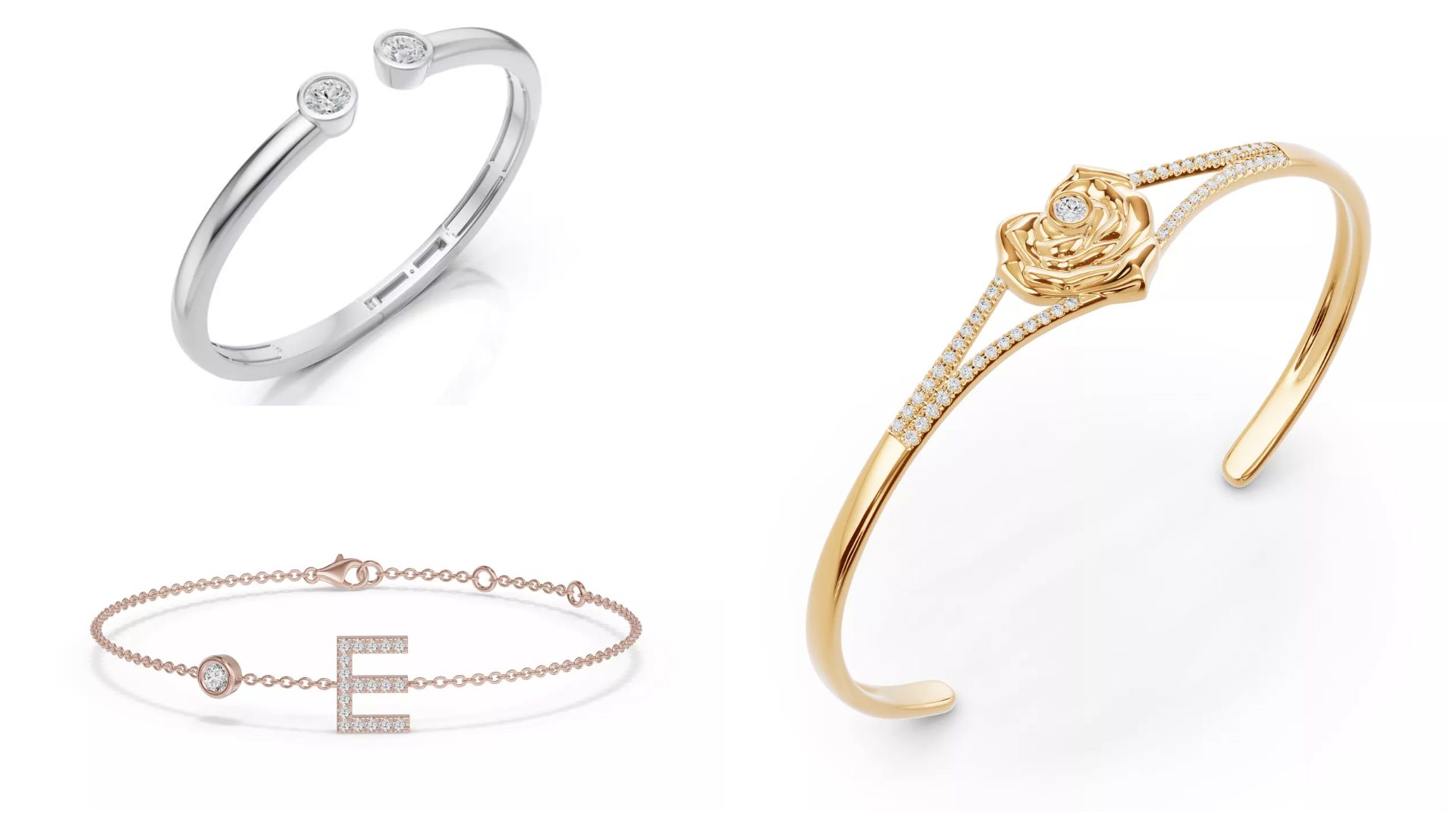
Most buyers don't spend much time thinking about these policies early on. They tend to become more important when a purchase starts feeling real.
A tennis bracelet might seem like the right choice, but after seeing it in person, a buyer may decide they'd rather have something with a little more structure. A bracelet might fit differently than expected. Sometimes it's simply a matter of wanting the reassurance that support is available if something needs attention later on.
Those situations aren't unusual. They're part of buying fine jewelry online.
That's why features like insured shipping, return coverage, resizing assistance, and long-term warranty support often end up carrying more weight than buyers initially expect.
And when those protections sit alongside certified diamonds, transparent pricing tools, and a large selection of styles to compare, the process tends to feel a lot more comfortable from start to finish.
Whether you're leaning toward a classic tennis bracelet, a diamond bangle, a gemstone-accented design, or a larger statement piece, having the freedom to compare options—and the confidence to change course if needed—can make the decision much easier.
Explore Diamond Bracelet Styles