Inclusions & Blemishes

Diamond Inclusions: Twinning Wisp | Rare Carat


Diamond twinning wisp shown on GIA certificate

GIA Twinning Wisp Symbol

So far, we’ve travelled all the way from bearded girdles to pinpoints. Today we shall tackle the last of our ‘internal inclusions’ (meaning those imperfections that are found inside the diamond); Twinning Wisps.


What is a Twinning Wisp?

In short, twinning wisps are veils of tiny needles, clouds, pinpoints and crystals running along the diamond's twinning plane, or caused by growth distortion. You can see their distinct wispy appearance in the diamond below.
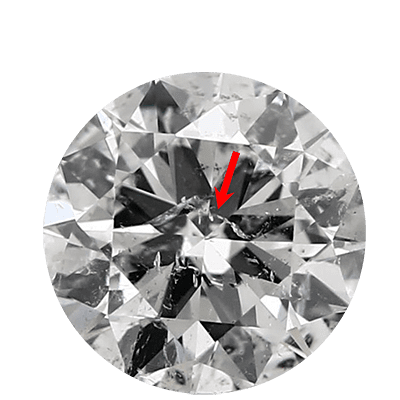
Red arrow pointing to thin veils in round diamond called twinning wisps

In our opinion, if the diamond has a fairly high clarity grade (let’s say VS1 or above, but this is not a hard and fast rule of course) then in all likelihood that twinning wisp won't cause issues. The diamond below also has a large twinning wisp, but this diamond would probably be eye-clean.
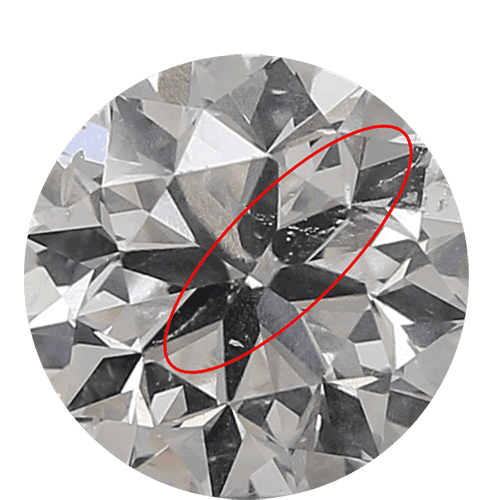
Red arrow pointing to thin veils in round diamond called twinning wisps


Sometimes, though, twinning wisps are so dense they scatter light, making the stone look milky. Milky diamonds lose their sparkle and fire, so we steer away from dense twinning wisps, large clouds, and strong fluorescence in the colorless range. This diamond is milky from twinning wisps.
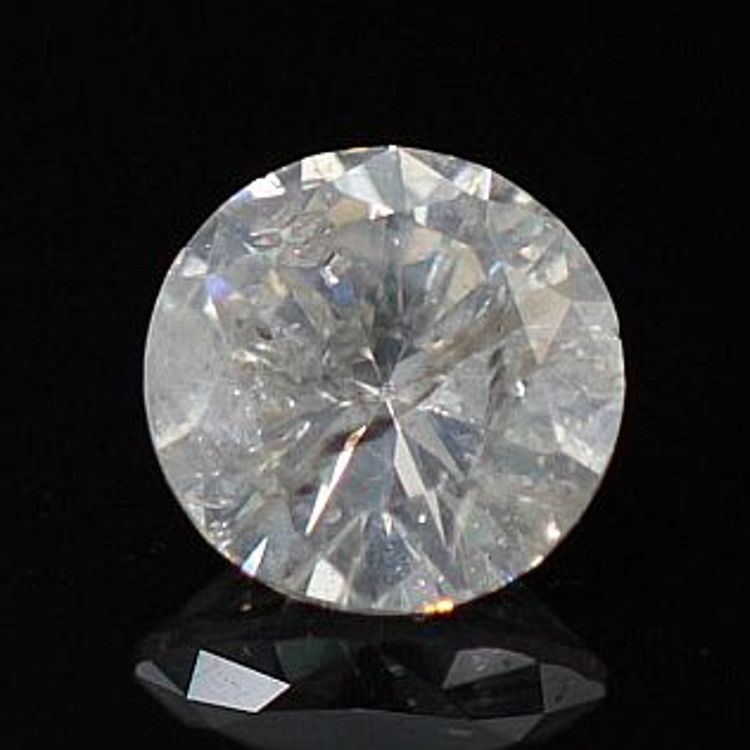
Round diamond against a black background that has turned milky from twinning wisps

If you see twinning wisp as a feature in a diamond that's VS2 or lower, make sure to get an expert opinion (ask our team of gemologists!) on whether the twinning wisps in your particular stone-of-interest will negatively affect light performance.

If you still need help deciding which ring is right for you, take our 30-second quiz!

Twinning Wisp Diamond Inclusion FAQs

How do twinning wisp inclusions impact a diamond’s value or long-term satisfaction?

If the twinning wisp is minimal and hidden, you may pay very little (or no) penalty. There is only a problem if it’s prominent, as it can cause the stone to look hazy or reduce its brilliance. In short: it really depends on how visible and disruptive the wisp is.

What should I do to check a diamond that lists twinning wisp as an inclusion before buying?

Magnified high-resolution images or videos of the stone can help you determine how visible the wisp is in real-life lighting. And if possible—get a gemologist’s opinion before finalizing the purchase, especially if the clarity grade is mid- or low-range.

If a diamond has a twinning wisp, does that automatically mean it will look milky or dull?

No—not automatically. If the wisp is light or diffuse and the clarity grade is reasonably high (e.g., VS1 or better), many such diamonds still appear “eye-clean.” What tends to cause problems is when the wisp is dense or sits under the top surface: then it can scatter light and give a hazy or milky look.
Dr. Rian Mulcahy
Dr. Rian Mulcahy
Rian is officially a Diamond PhD - just ping us if you’d like to read her fascinating 200-page thesis, titled Facets of Value: An Investigation into the Formation of Worth in the Diamond Market. She has consulted various firms all along the pipeline, from the rough diamond market to the recycled diamond industry. She holds an MA in Globalisation and Development from University College Cork and a PhD in the Sociology of Diamond Valuation from the London School of Economics.