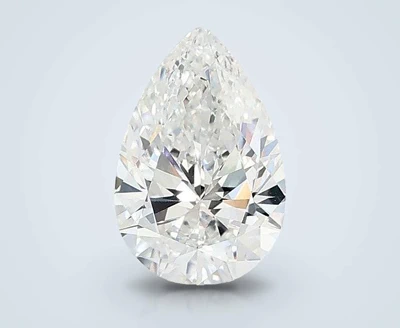
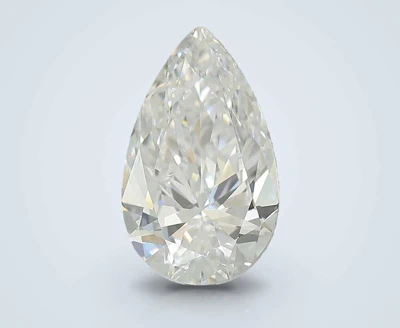
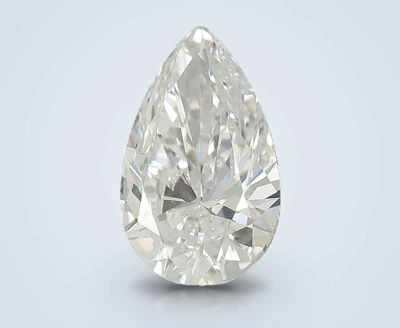
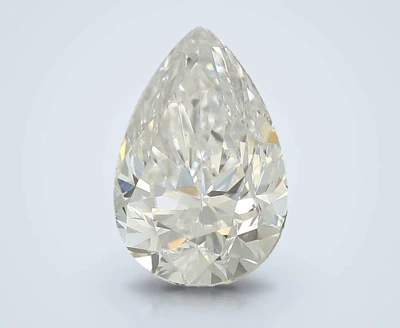
A teardrop that lengthens the hand
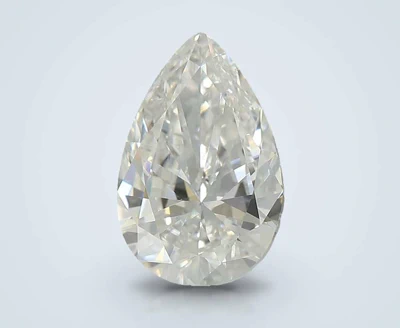
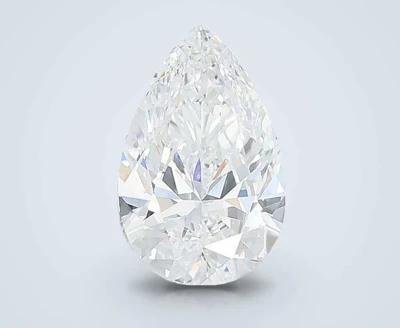
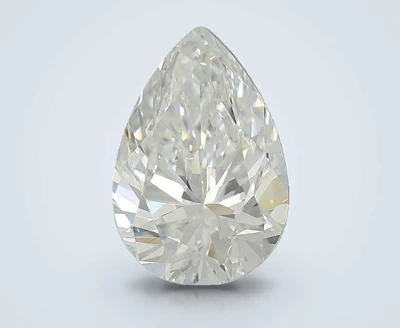
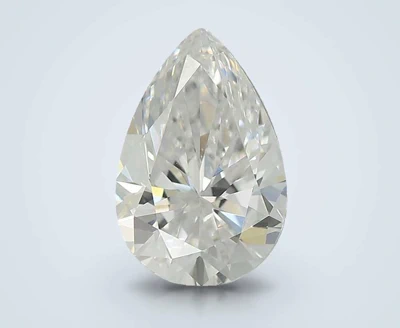
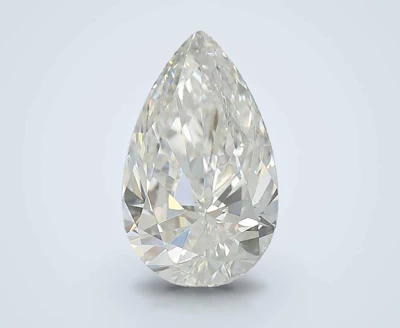
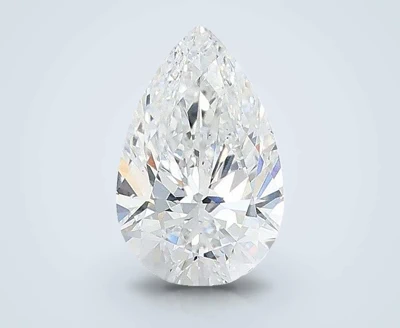
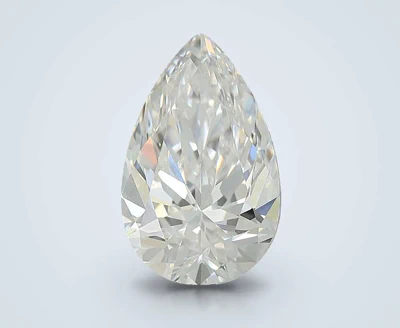
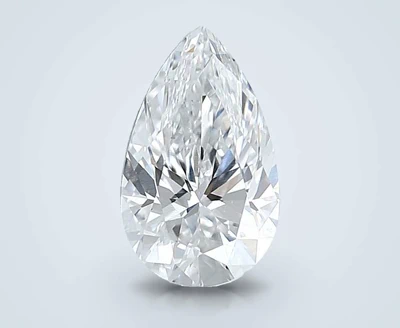
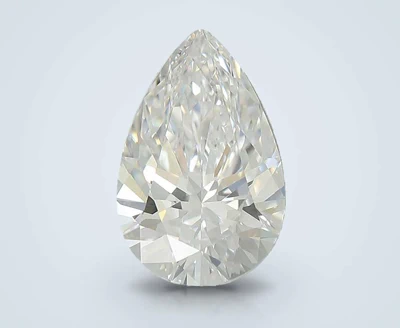
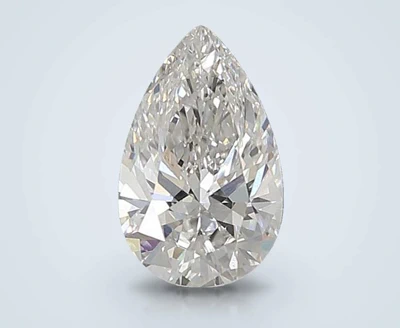
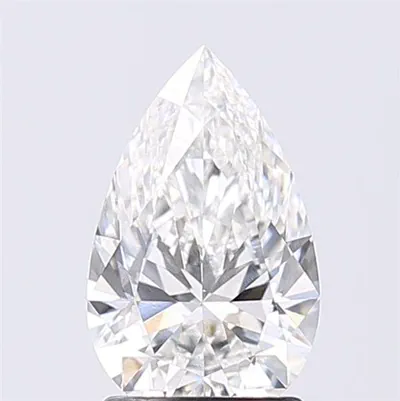
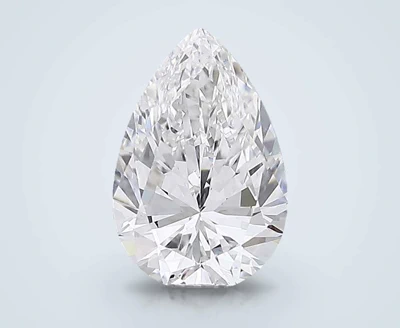
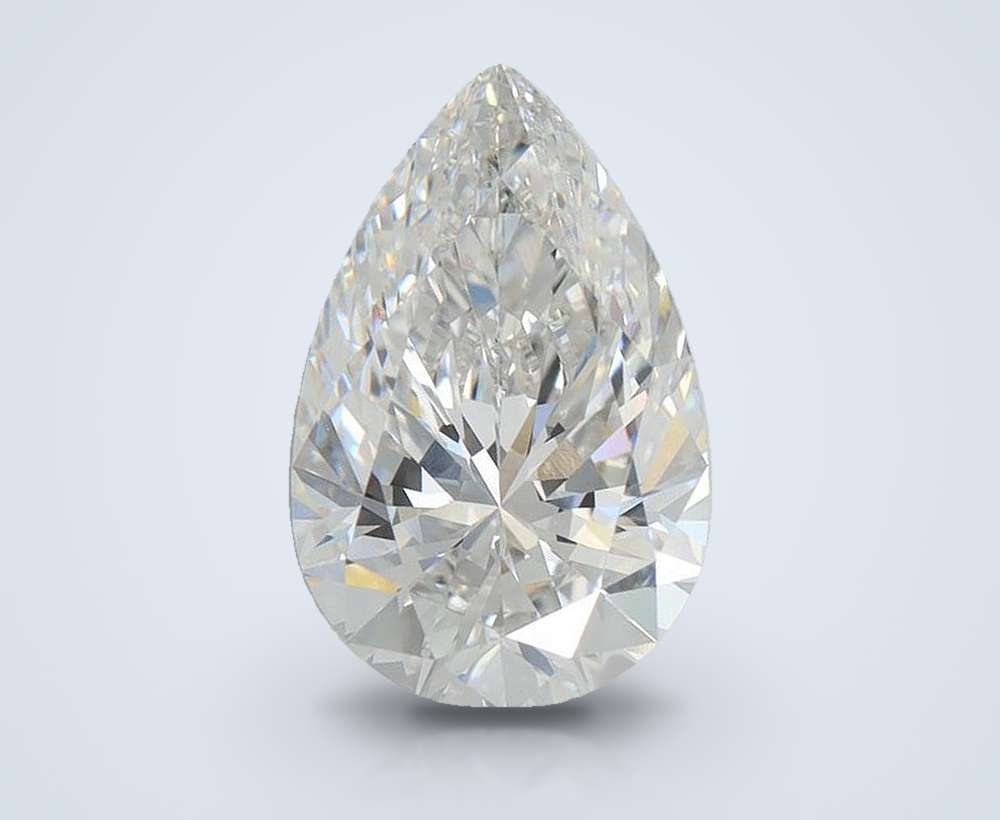
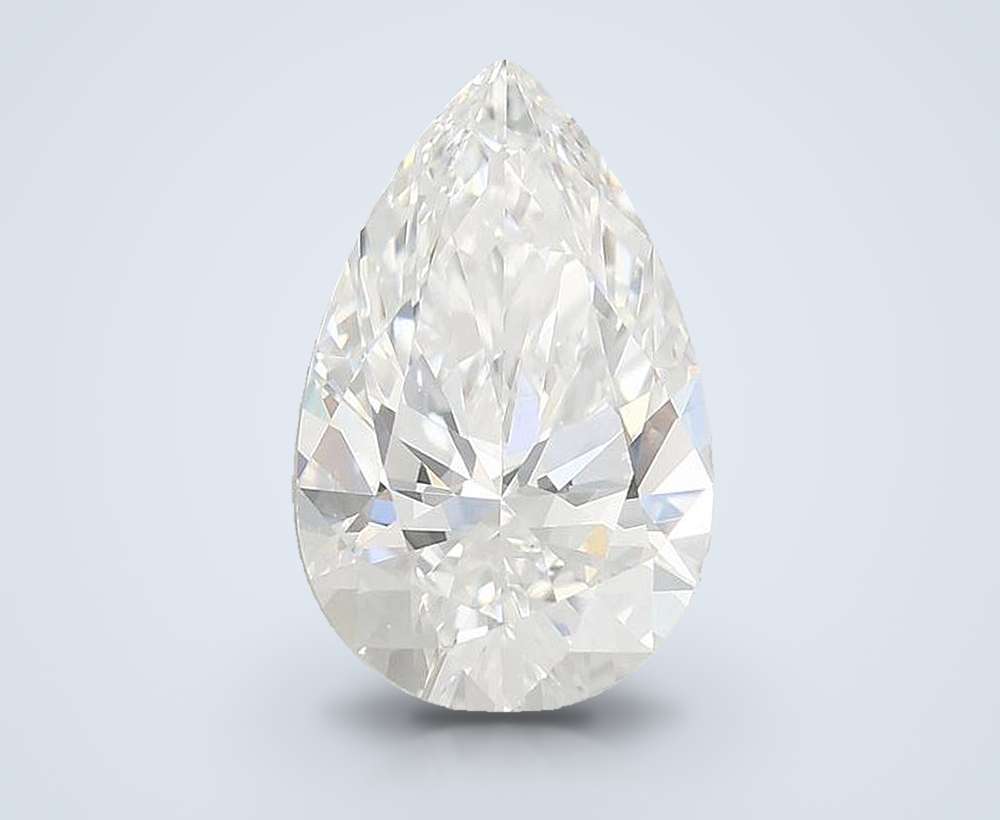
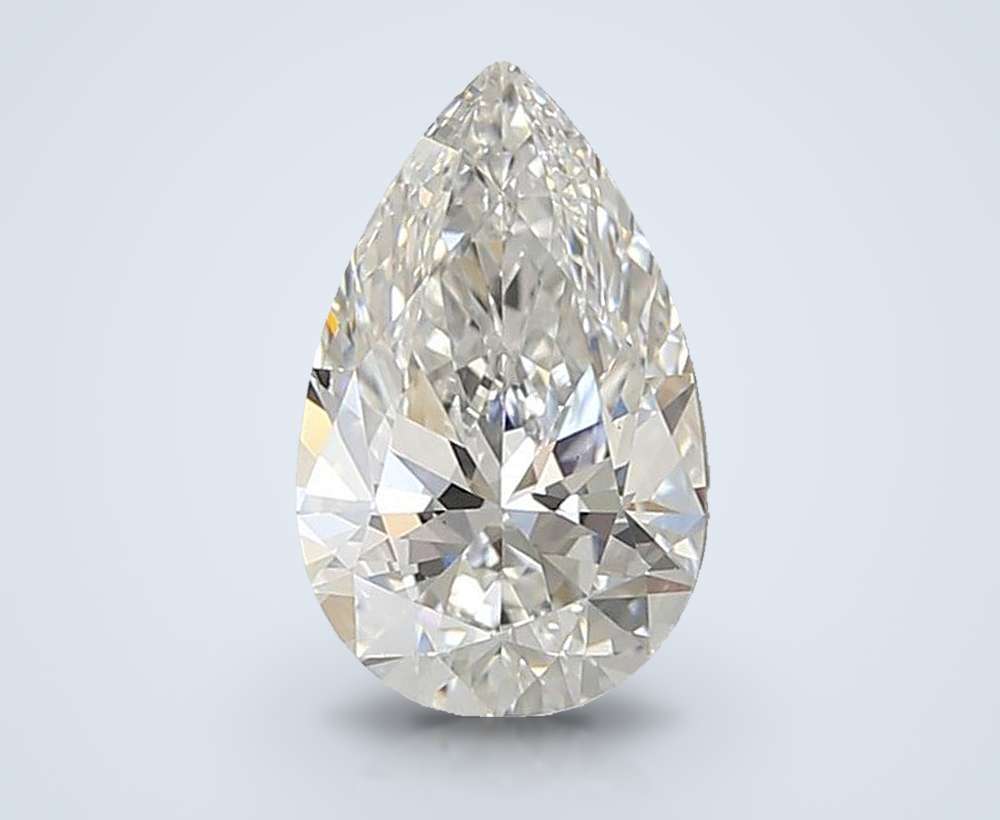
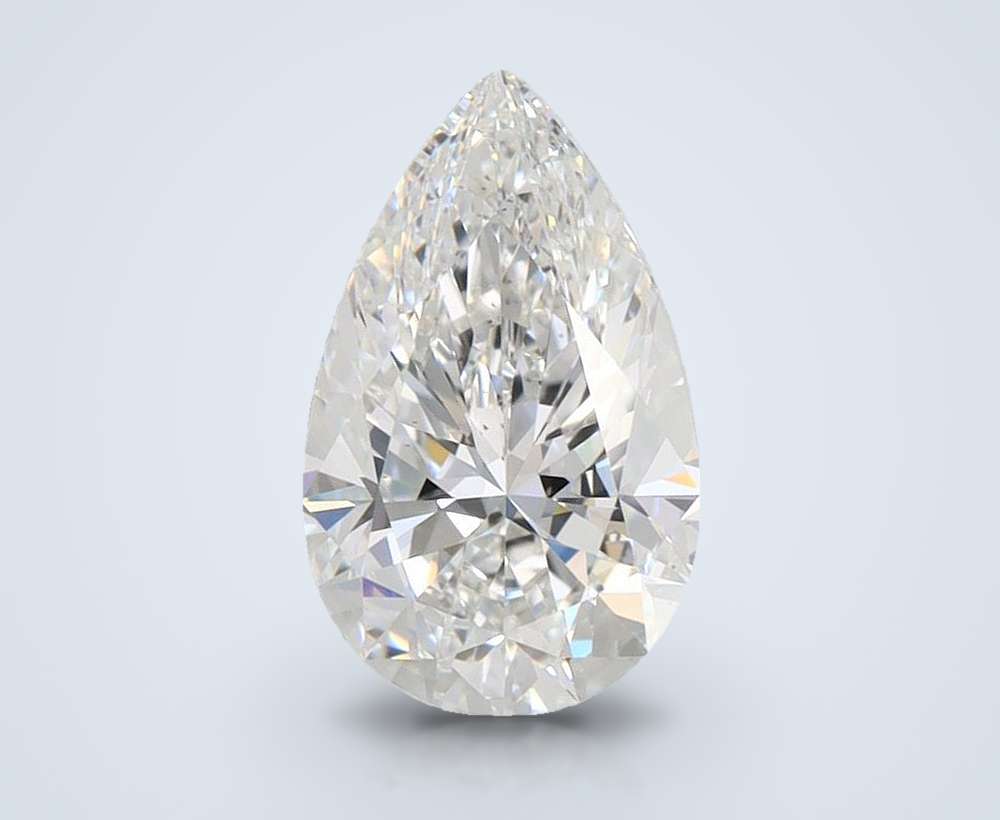
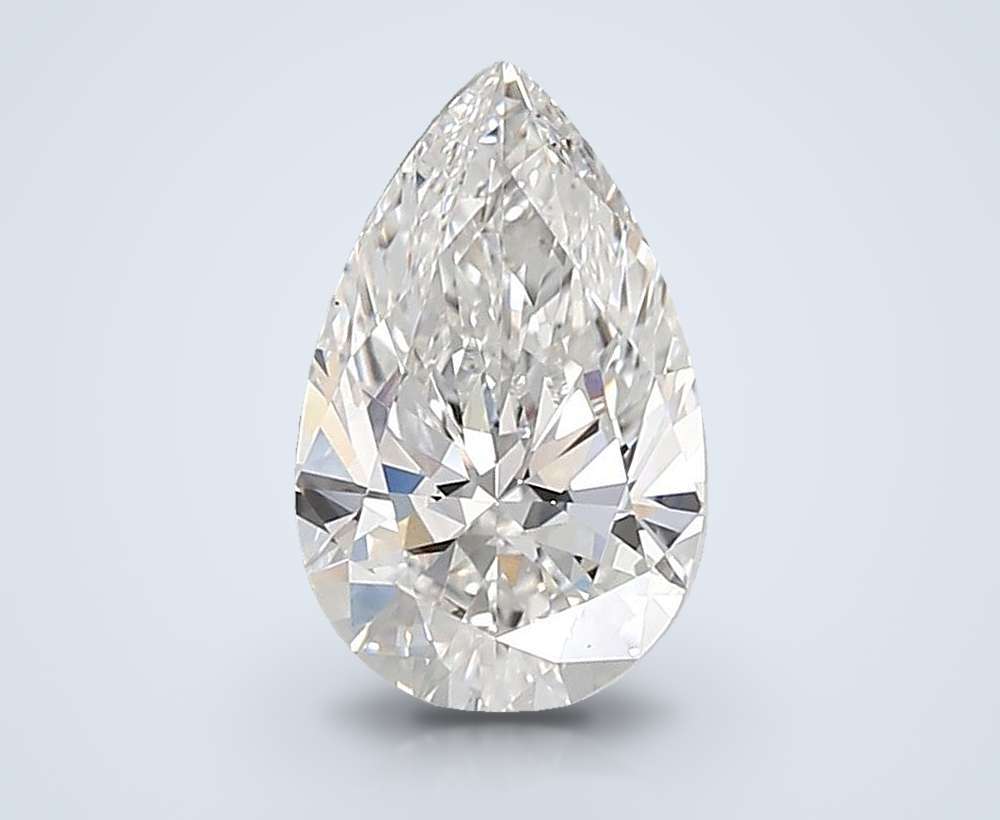
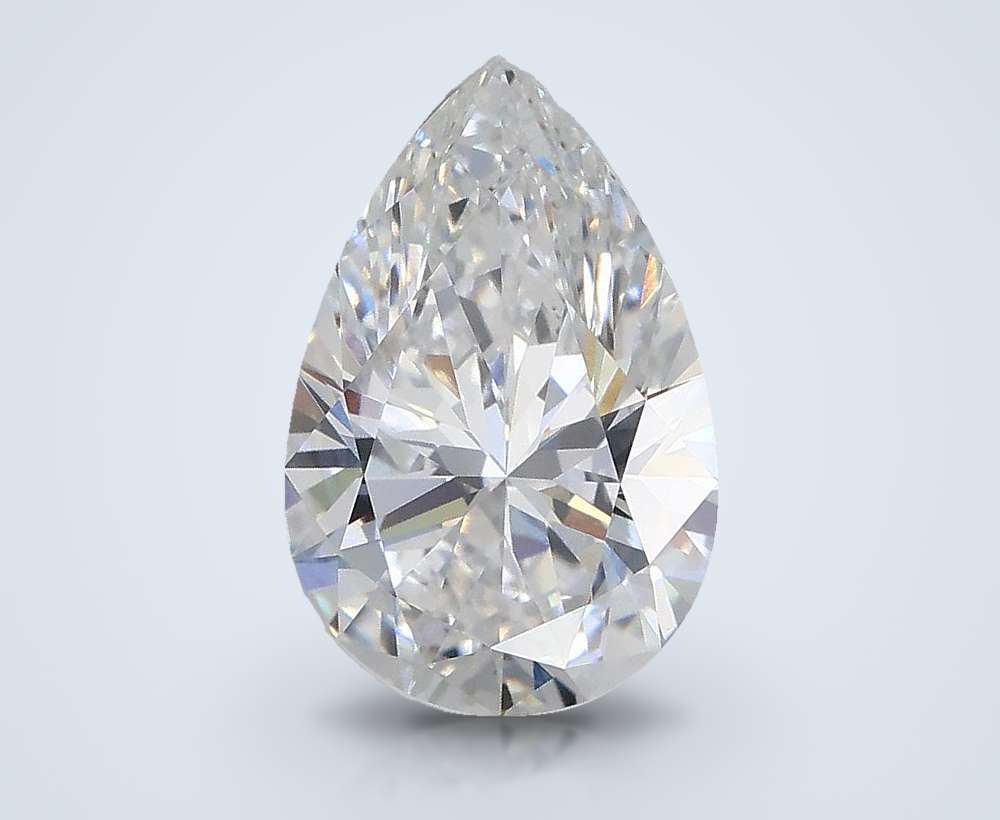
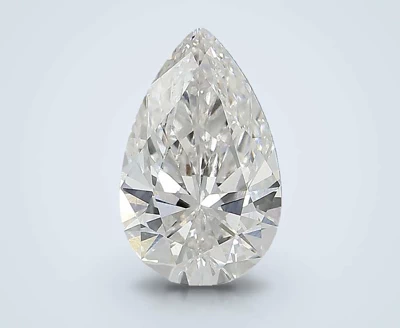
The pear is part oval and part marquise, with one soft curve and one point. Like other elongated shapes, it draws the eye along the finger and covers more surface than a round of equal weight. Grown in a lab, it is the same carbon crystal as a mined pear, with equal hardness and fire; the difference shows in the price, not the look.
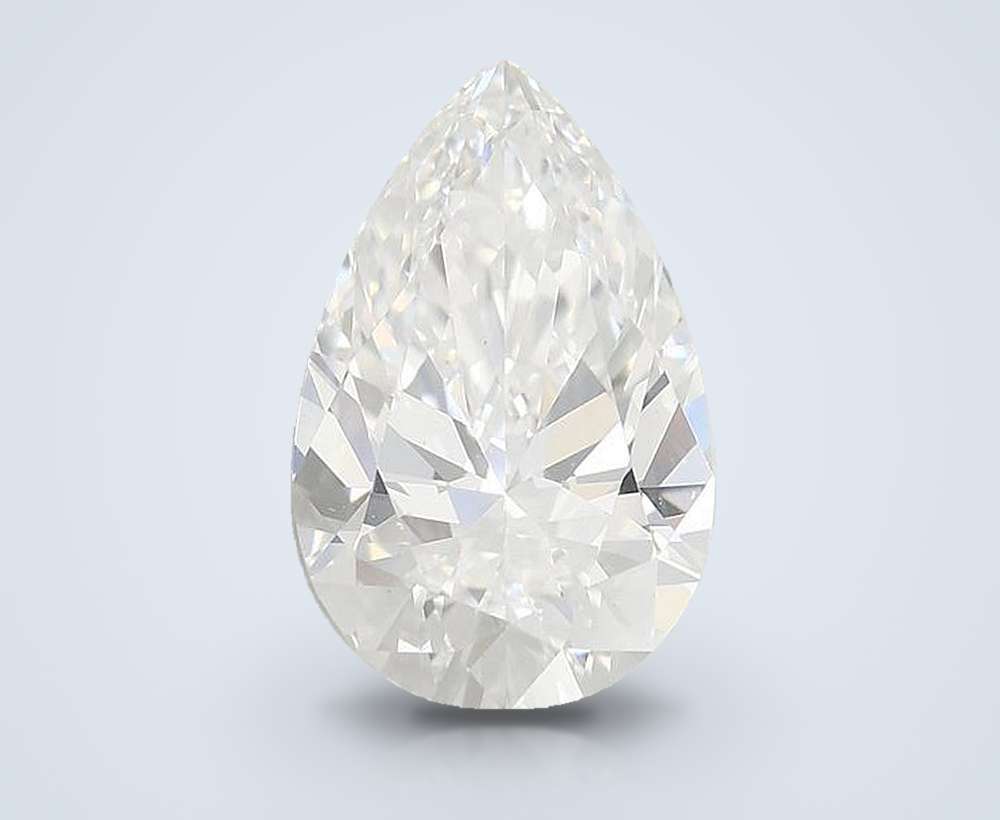
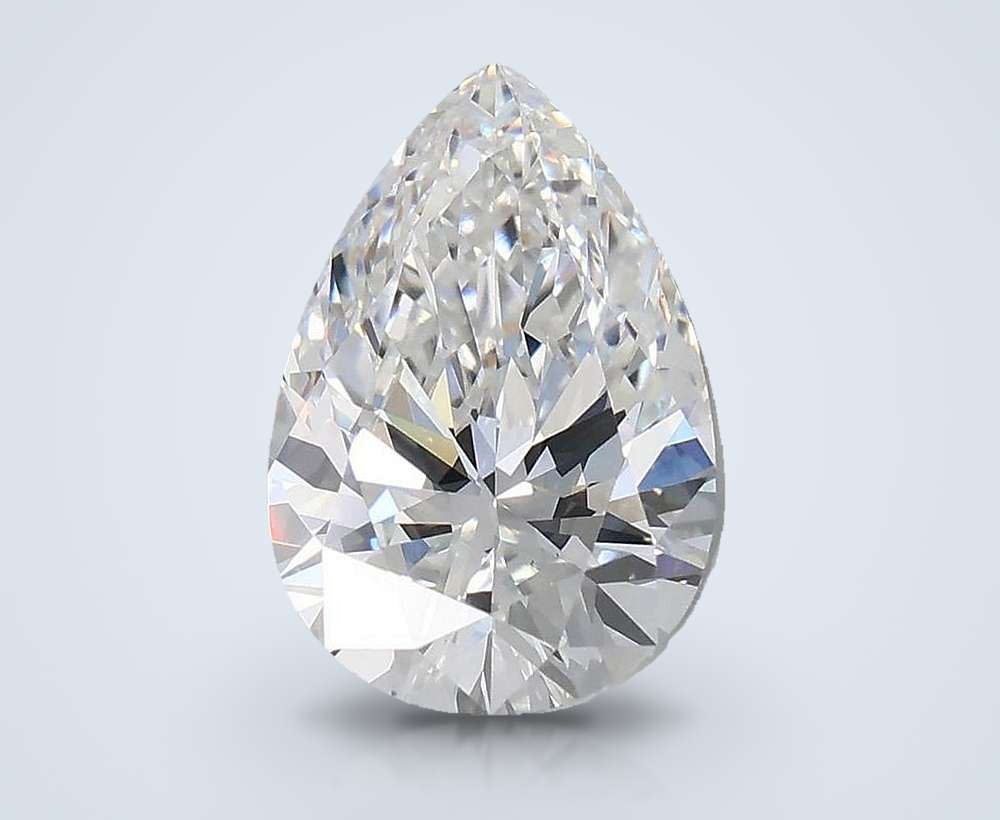
Ratios usually run from 1.50 to 1.75. At the low end the teardrop is plump and rounded; near the top it turns slender and graceful. Look at the shoulders too: the curves just below the point should be smooth and even, not flat or bulging, or the outline looks off balance.
Where a pear cut lab grown diamond shows color
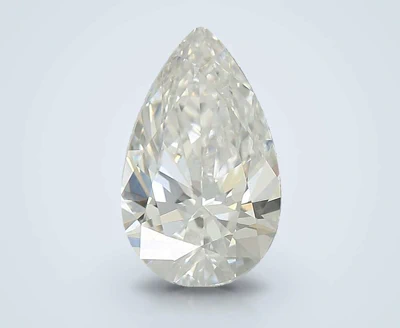
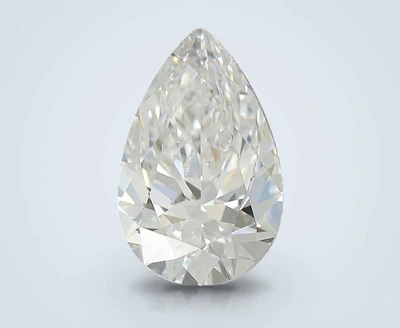
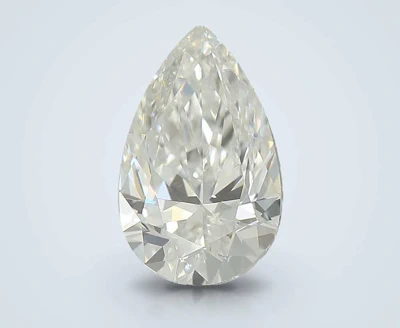
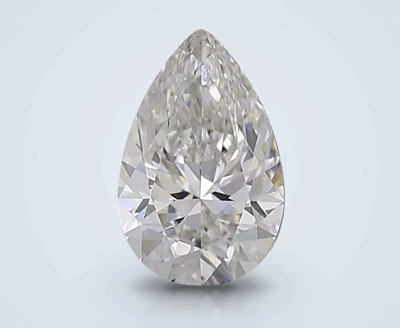
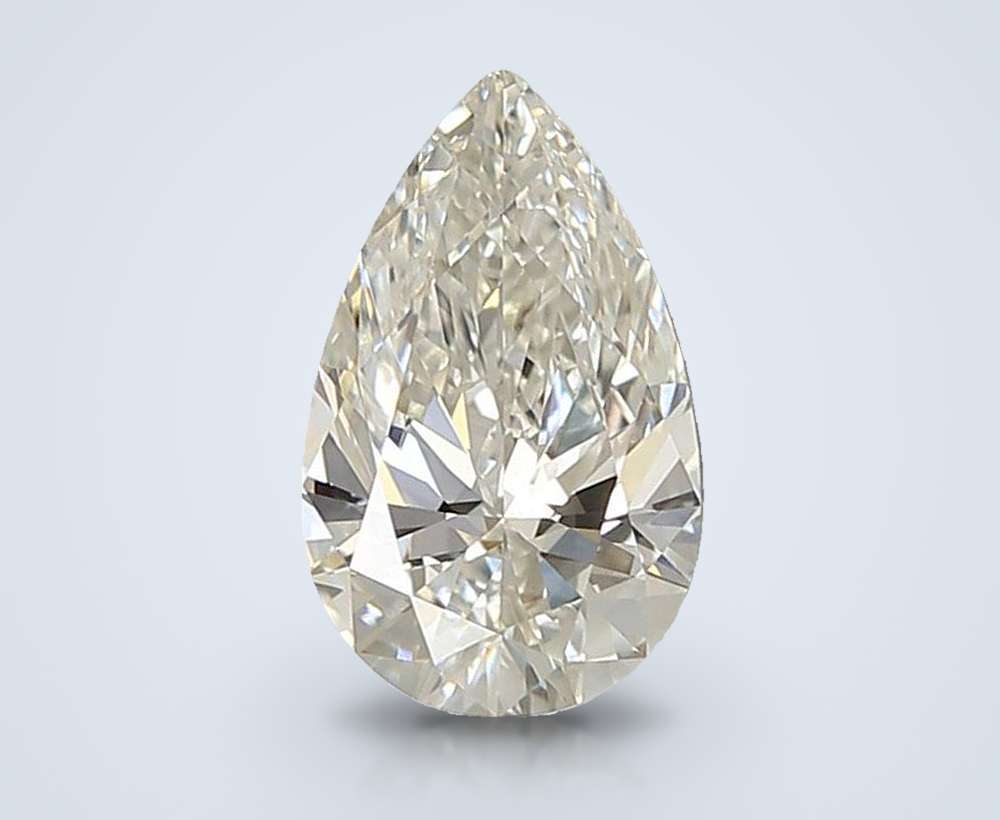
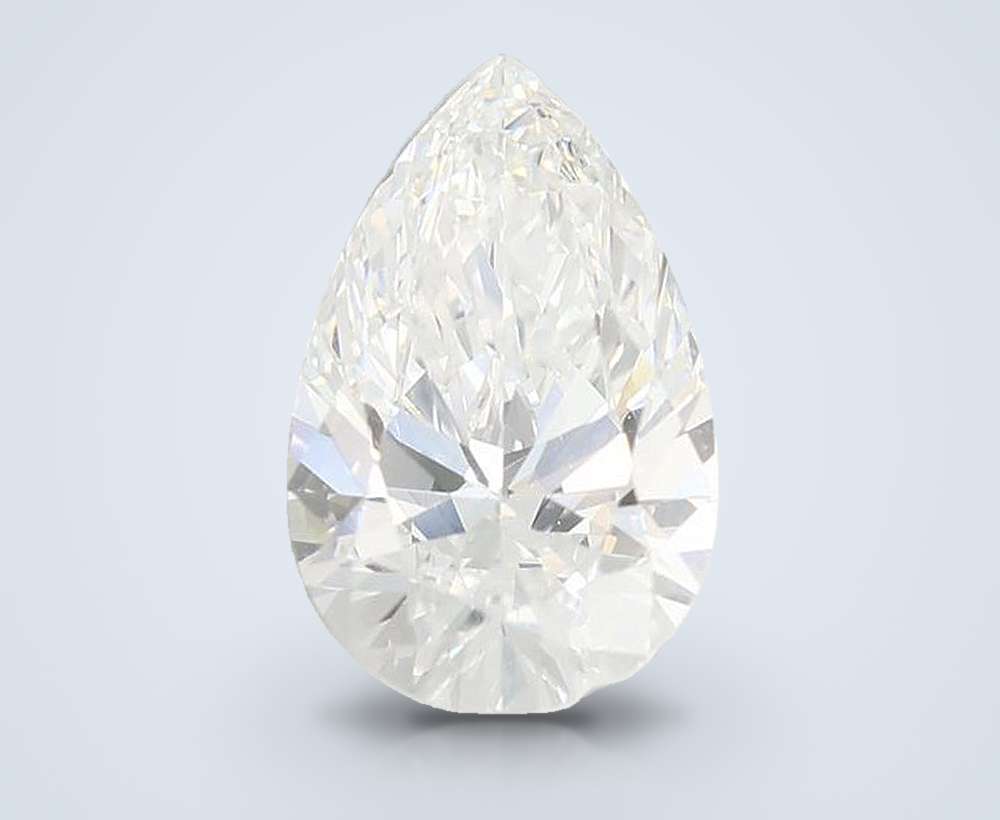
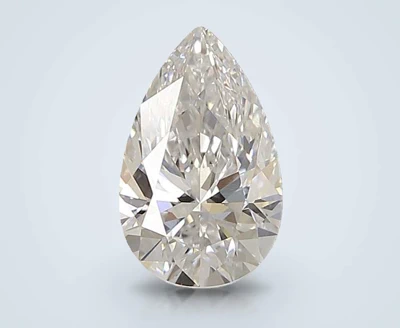
Color gathers at the point. A stone that looks white across its rounded end can show a hint of warmth in the tip, especially against white gold or platinum. In a white metal, choose colorless or the upper end of near colorless.
In yellow or rose gold, a warmer grade blends in comfortably; yellow gold solitaire settings are a good match if you would rather spend less on color. Clarity is easier, since the pear is a brilliant: VS2 and many SI1 stones look clean to the eye.
Checking the bow tie and the outline
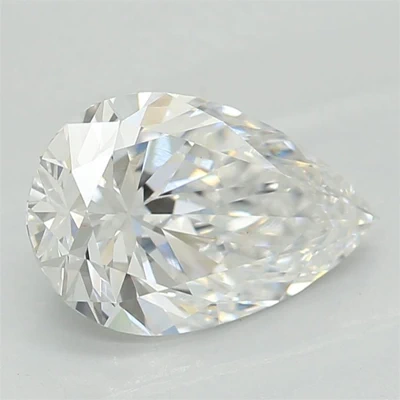
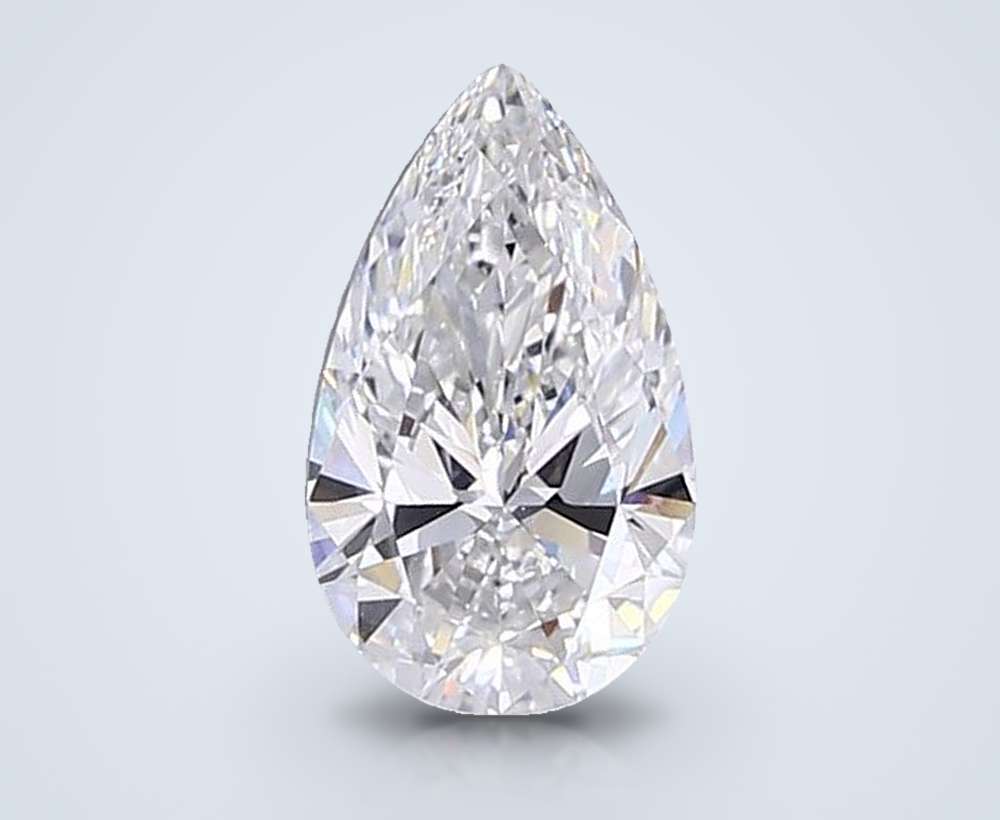
Look for a soft bow tie, or none. Many pears show a dark band across the widest part; a faint one that shifts as the diamond moves is fine, but a heavy one that stays black is a reason to keep looking. Turn the stone on video, watch the center, and check that the point lines up with the middle of the rounded end.
If it still does not feel right once it arrives, Rare Carat takes it back free within 30 days, as the returns policy explains.
Settings that protect the point
A V prong over the tip is essential; it covers the thinnest edge and keeps it from chipping, while prongs around the rounded end hold the rest. A halo traces the teardrop and adds size, and a bezel offers the most protection of all. If you plan to wear it daily, choose a mounting that keeps that narrow end covered even when the ring spins around your finger.
See finished options in pear lab grown engagement rings, or compare mined stones in natural pear shaped diamonds, which hold value better on resale.