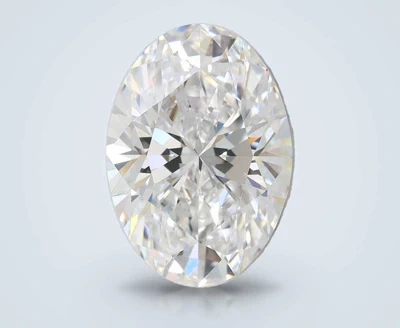
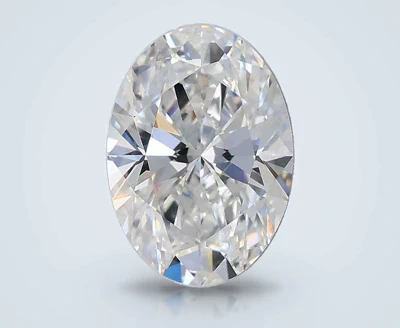
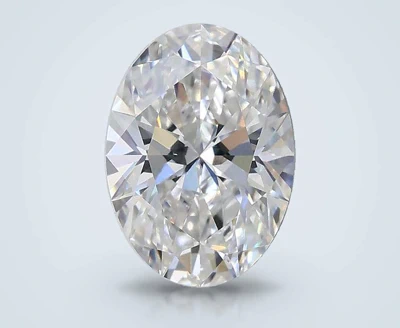
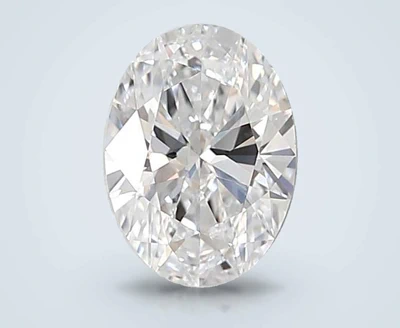
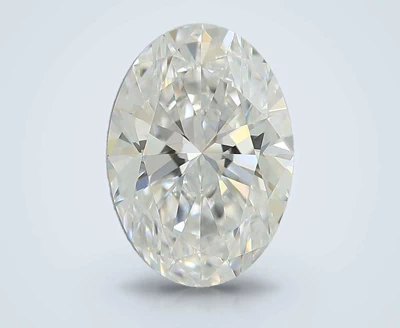
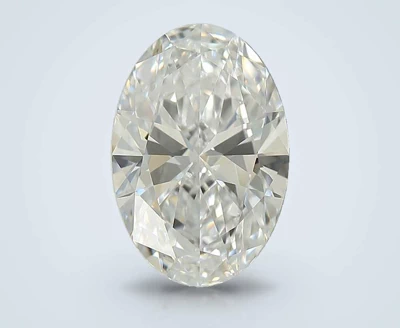
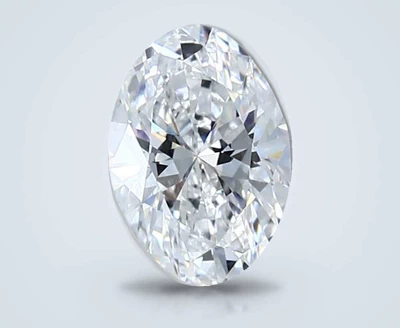
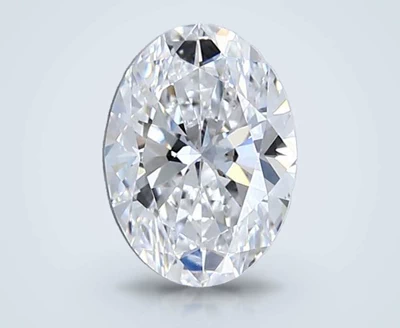
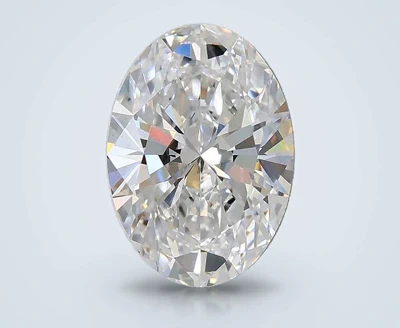
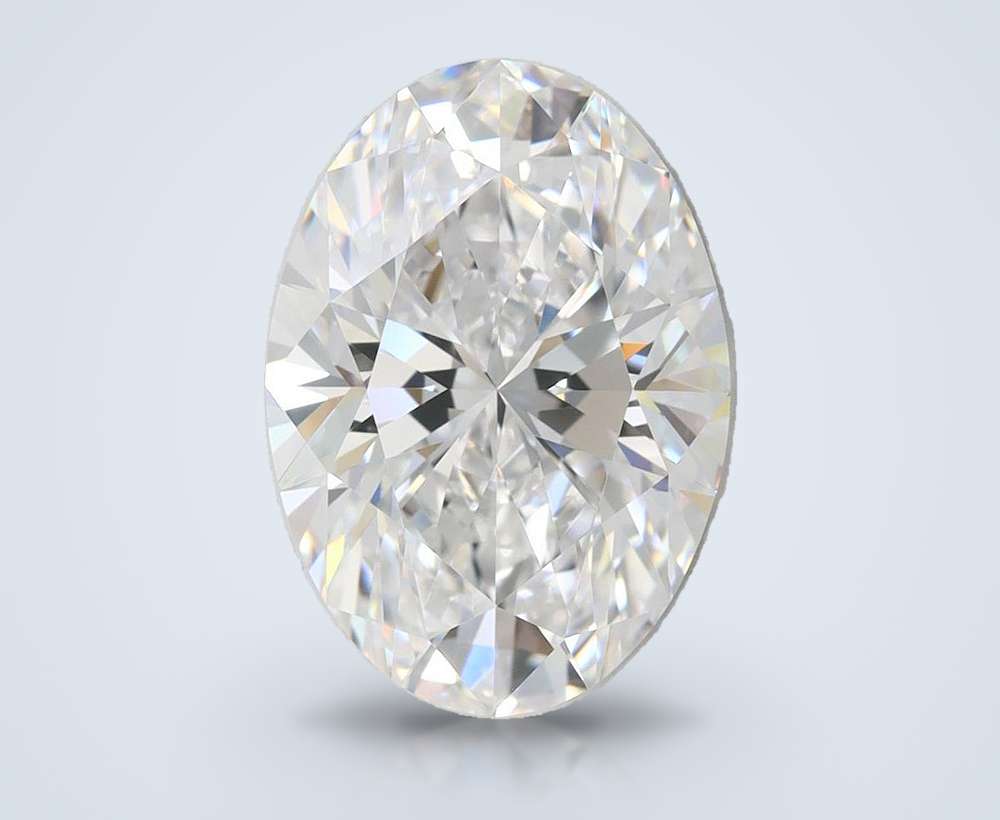
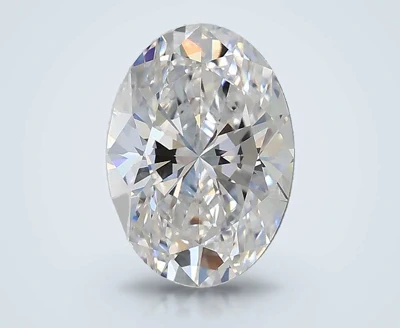
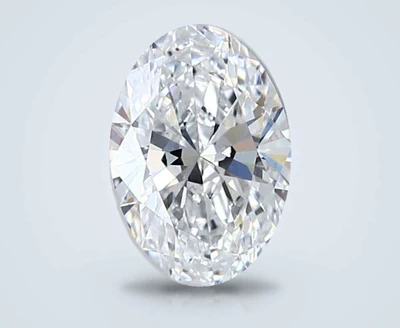
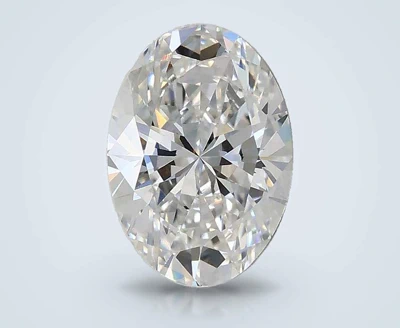
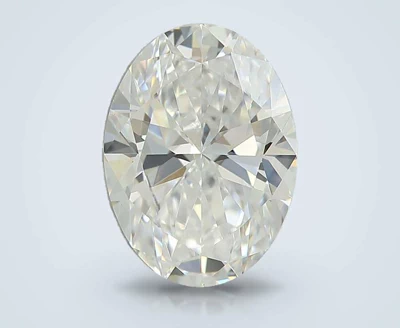
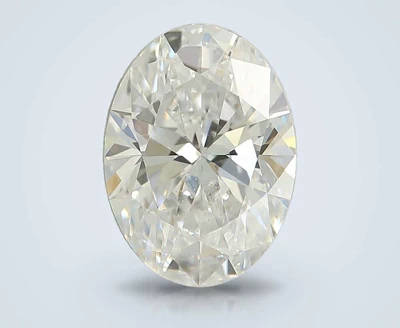
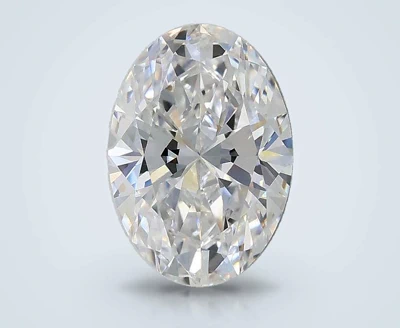
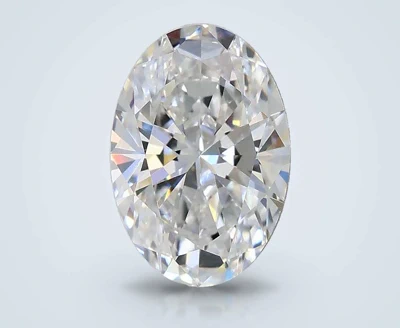
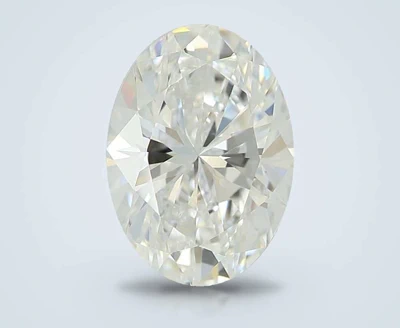
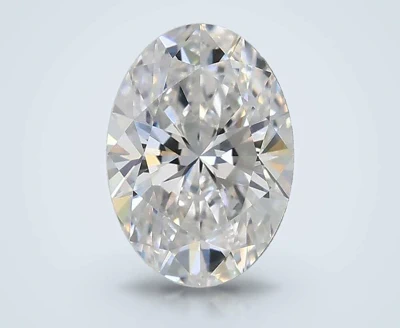
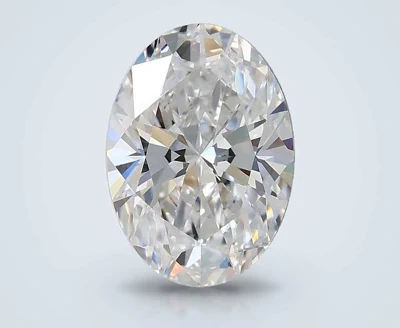
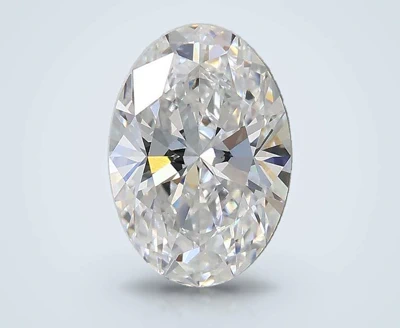
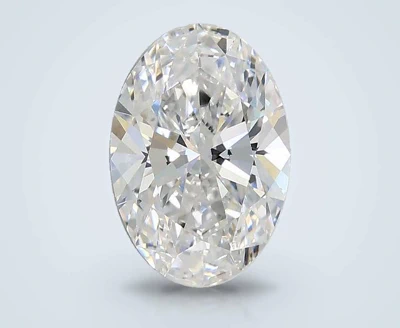
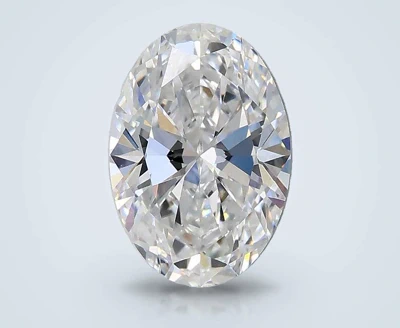
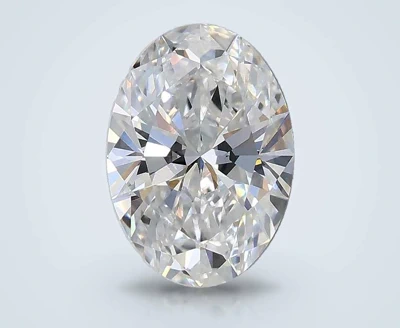
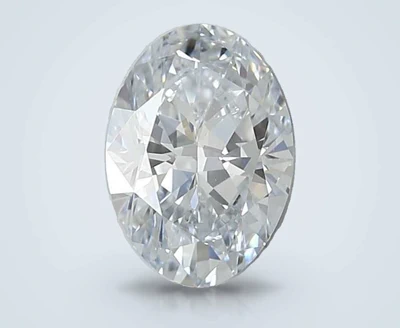
Why ovals look bigger than rounds
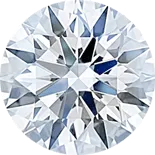
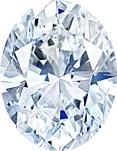
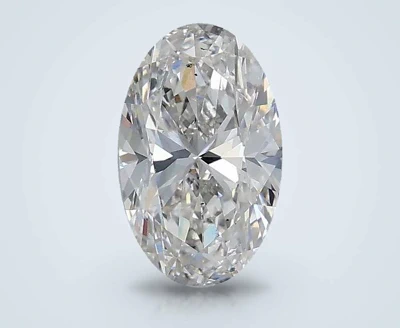
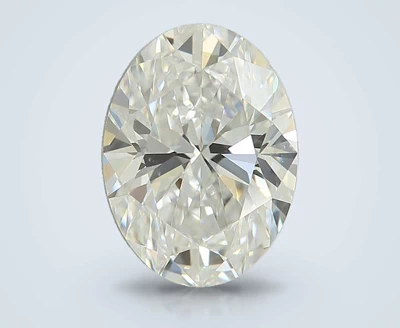
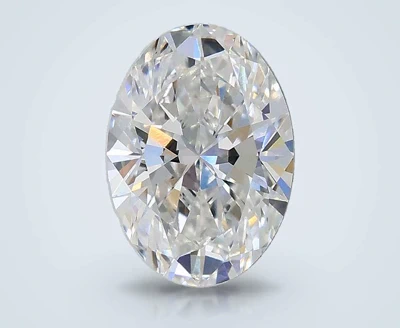
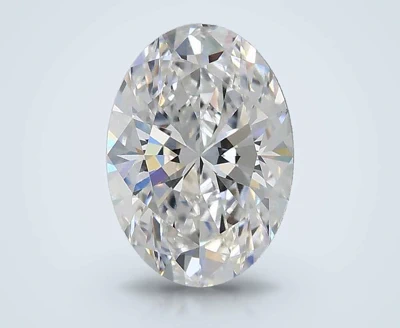
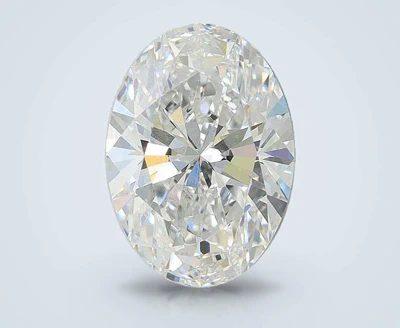
An oval spreads its weight over a longer face, so more of it shows from above. Set a 1 carat oval beside a 1 carat round, which is about 6.4 mm across, and the oval reads as the larger diamond even though both weigh the same. The length flatters the hand too, because elongated shapes make fingers look longer, a welcome bonus if your fingers are short.
Which oval ratio suits your hand?
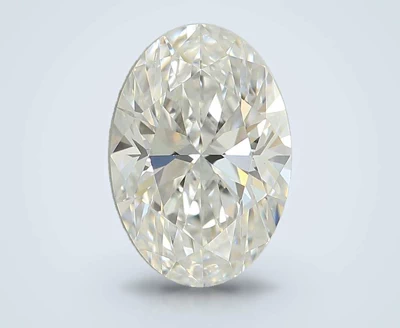
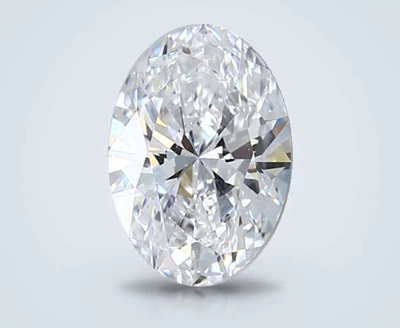
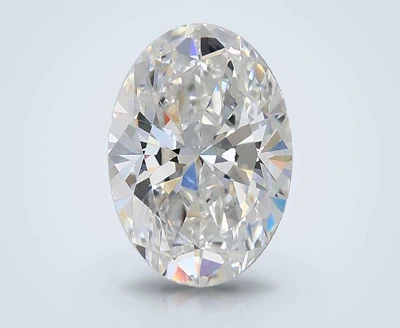
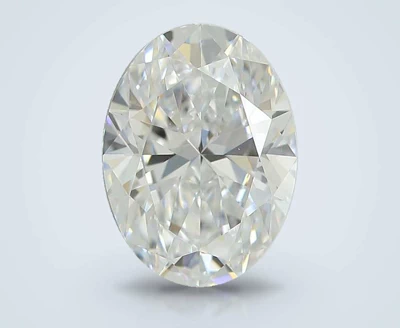
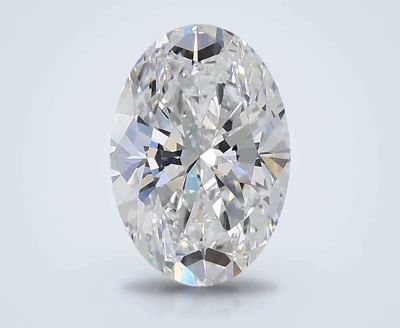
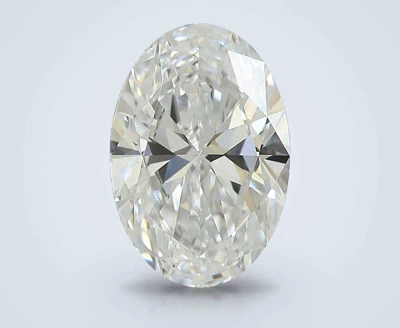
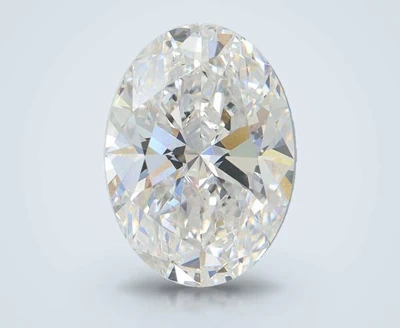
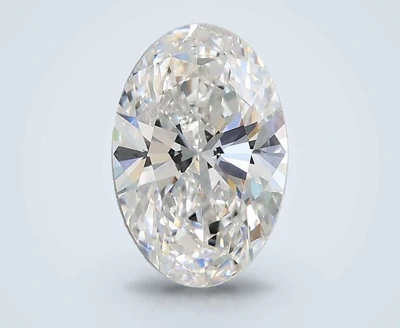
Most oval lab diamonds sit between a length to width ratio of 1.30 and 1.50. Near 1.30 the outline is fuller and softer, close to an egg, and it suits wider fingers or a classic taste. Toward 1.50 it turns slim and graceful and covers more length. Outside that range the shape can start to look stubby or stretched. There is no single correct number, so line up a few candidates of the same weight on screen and pick the outline you keep coming back to.
Reading the bow tie on an oval cut lab grown diamond
A bow tie is a dark, butterfly shaped area across the middle of the stone, where some facets let light pass through rather than return it to your eye. Many ovals show at least a hint of one. What you want is one that flickers and changes as the stone turns, not a solid band that stays black. GIA does not issue a single cut grade for fancy shapes, so a report alone will not settle this; the 360 degree video will.
Rare Carat gemologists help shoppers choose and earn no commission, so you can ask which of your finalists to favor without any sales push.
Settings that flatter oval diamonds
A classic solitaire with four or six prongs keeps attention on the outline, and six prongs hold the stone a little more securely. A hidden halo setting tucks a ring of small diamonds under the center, seen from the side but not from the top, so the shape stays clean. An east west mounting turns the oval sideways for a less expected look.
You can see these styles finished on oval lab grown engagement rings. If you would rather own a mined stone with better resale value, compare natural oval cut diamonds.