Planning an $8,000 engagement ring around the center stone
Decide first whether the diamond takes the whole budget or shares it with the setting, since the prices in this range are for the loose stone alone. Some buyers keep the mounting simple and let the stone do the talking; others choose a more modest diamond in a detailed pavé or halo design. Neither is wrong, but choosing early stops you comparing stones you cannot set the way you want. Look through the engagement ring collection before shortlisting diamonds, so stone and setting are chosen as a pair.
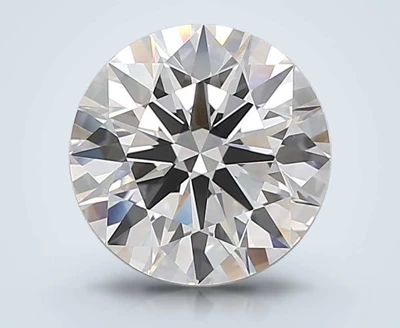
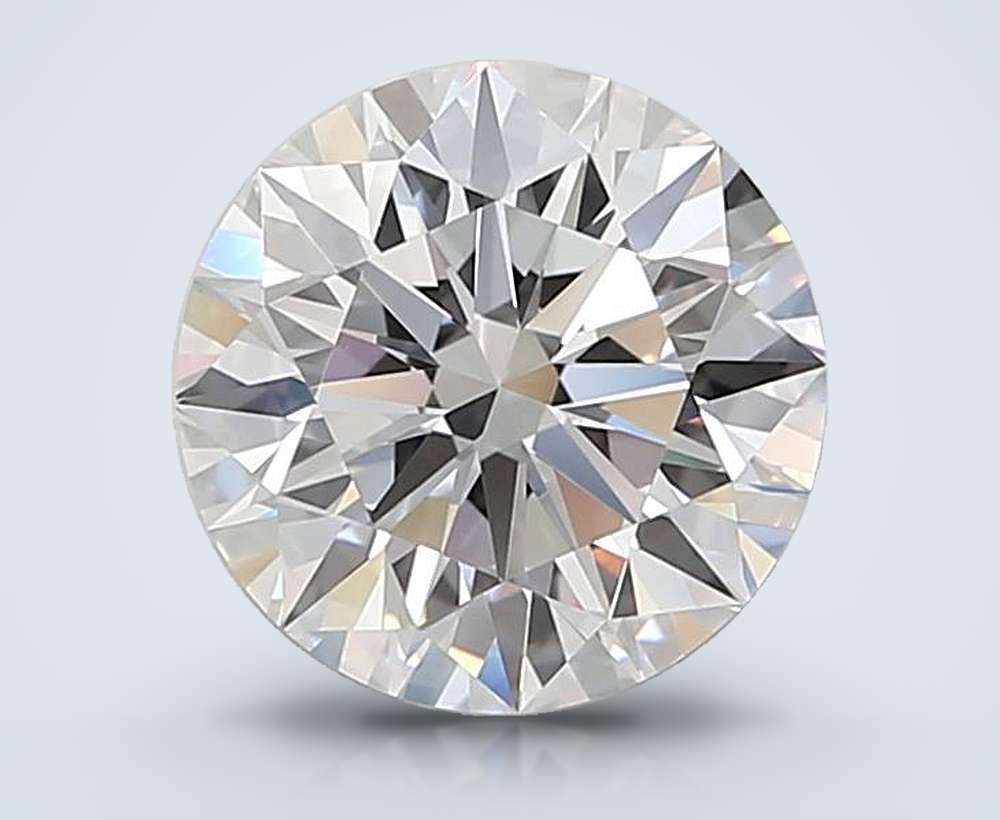
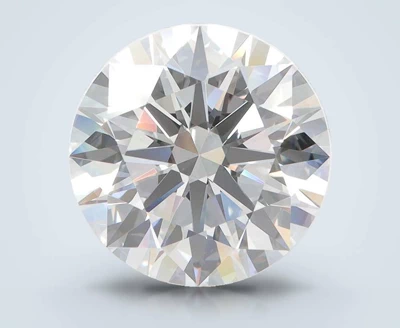
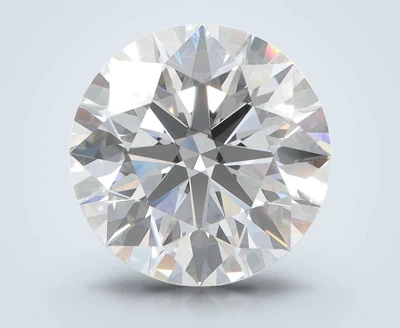
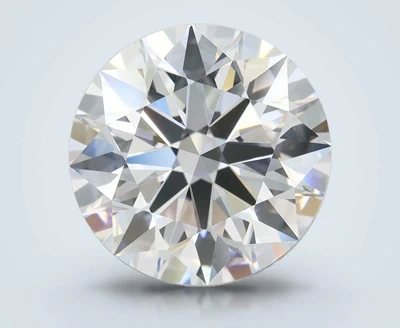
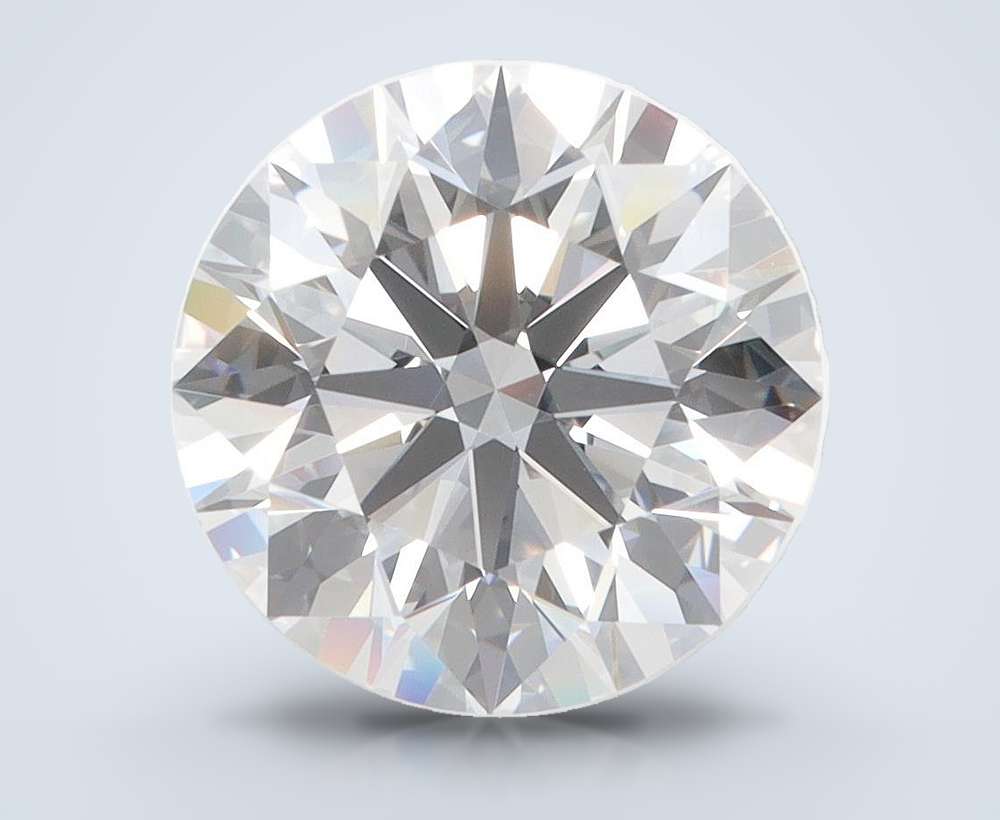
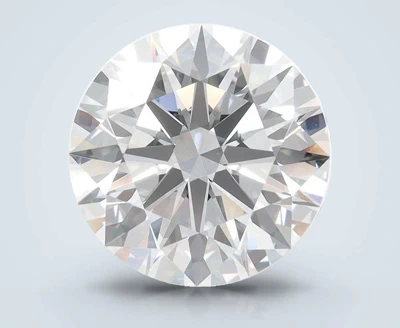
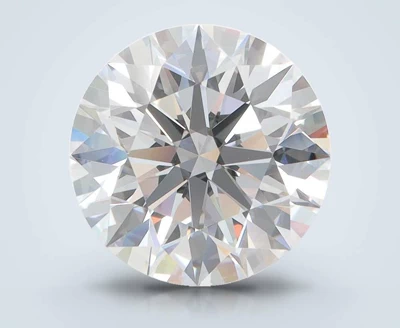
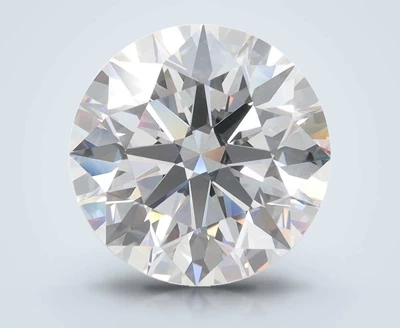
How big is too big for lab grown diamonds from $7,000 to $8,000?
Too big is when the stone stops suiting the hand or the way you live. A larger diamond stands taller, catches more often and asks more of its setting, so think about work, sport and gloves before chasing weight. Balance matters as well: a stone that overwhelms a slim finger can look less graceful than a slightly smaller one in proportion. Instead of trusting a carat number, check the millimeter measurements on the report and hold them against a ring you already own; width on the finger tells you more.
Grades that matter more as stones get larger
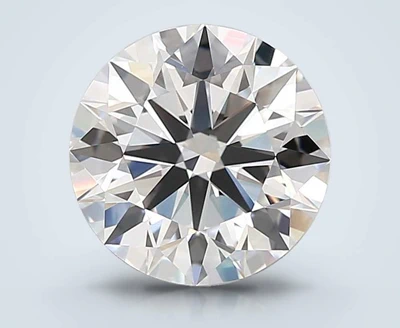
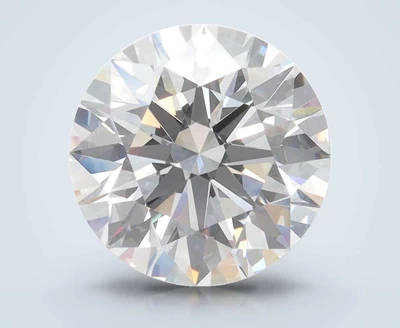
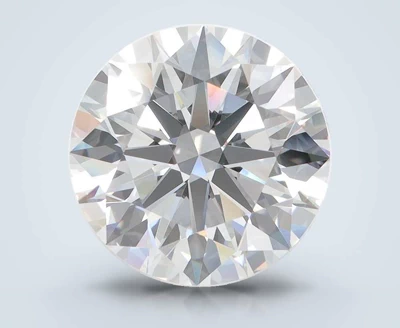
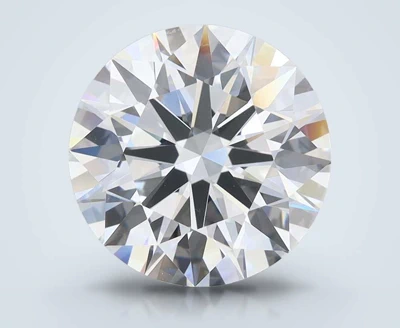
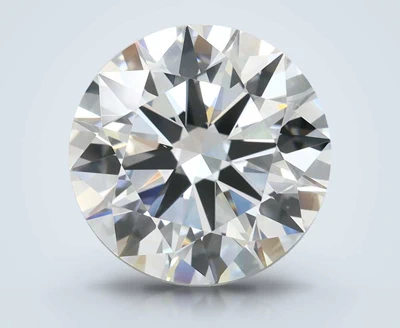
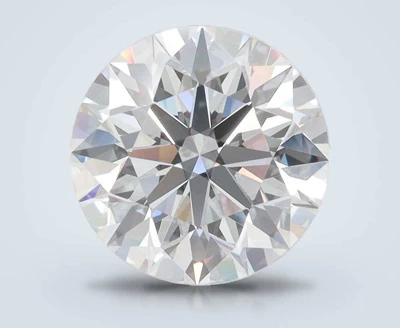
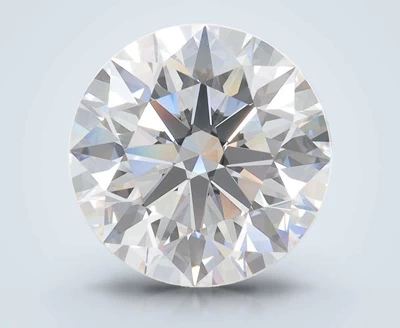
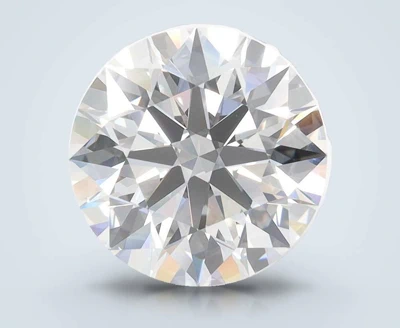
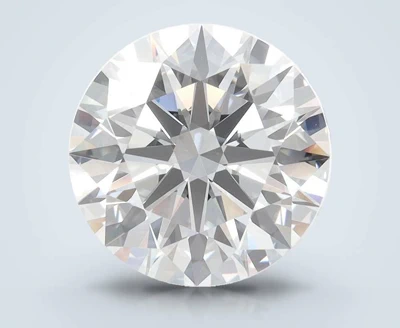
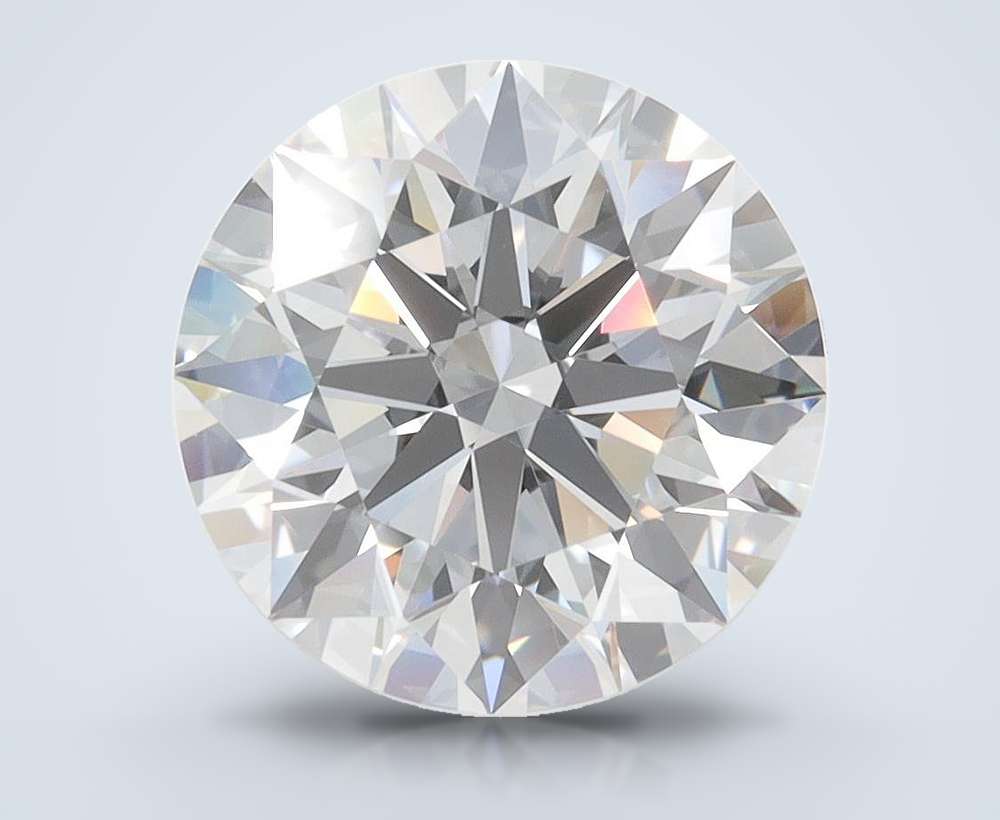
Bigger diamonds show color and clarity more, so shortcuts that work in small stones need a closer look. An inclusion that hides in a small round can be visible in a larger one, and warmth that disappears in yellow gold can show in platinum. Keep the cut grade high, insist on a clean face on the 360 degree video at full screen, and step up one color grade if the setting is a white metal. For security, six prongs or a bezel hold a larger stone more firmly than four; a classic solitaire ring setting with six prongs is a safe, simple base. Stop adding size the moment the grades you can see start to slip.
Lab or natural for a ring at this level
A stone grown in a lab is the same crystallized carbon as a mined one and costs far less at equal size and grade, which is why this budget stretches so far in lab created diamonds. The other side of that trade is resale value, which is low for lab grown stones. If the ring is for wearing rather than selling, the choice is easy; if not, browse natural and lab diamonds together before you decide.