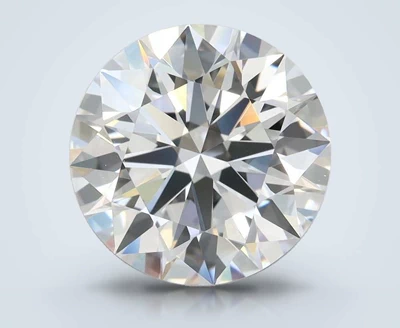
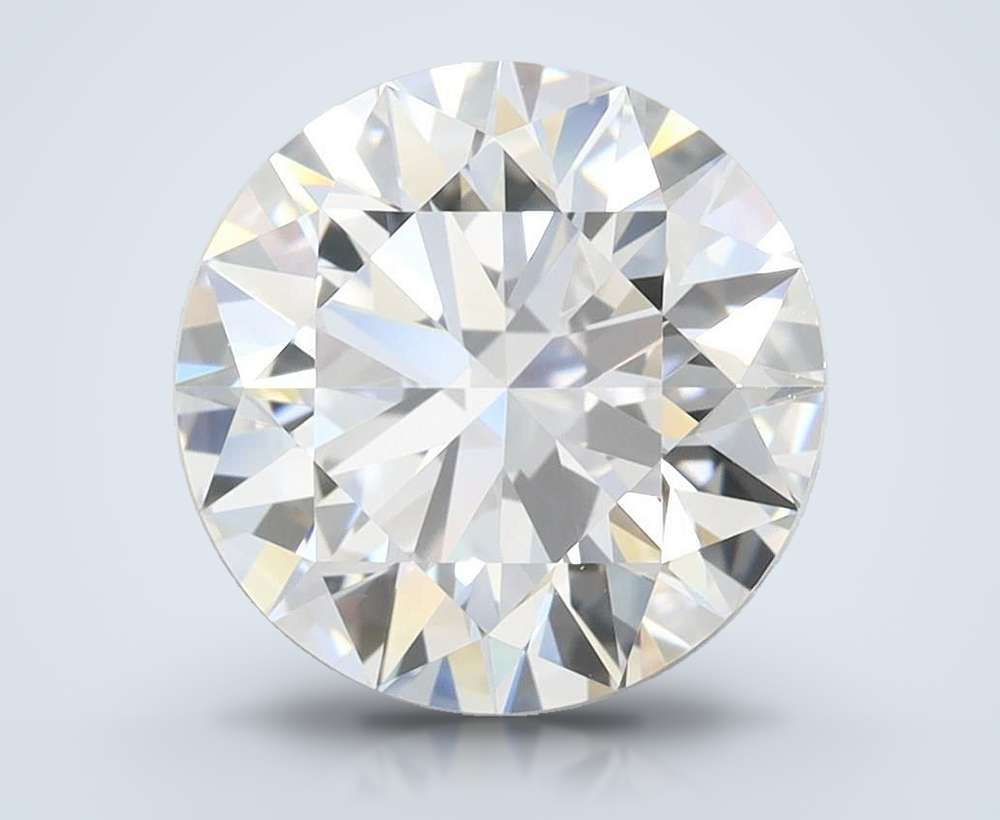
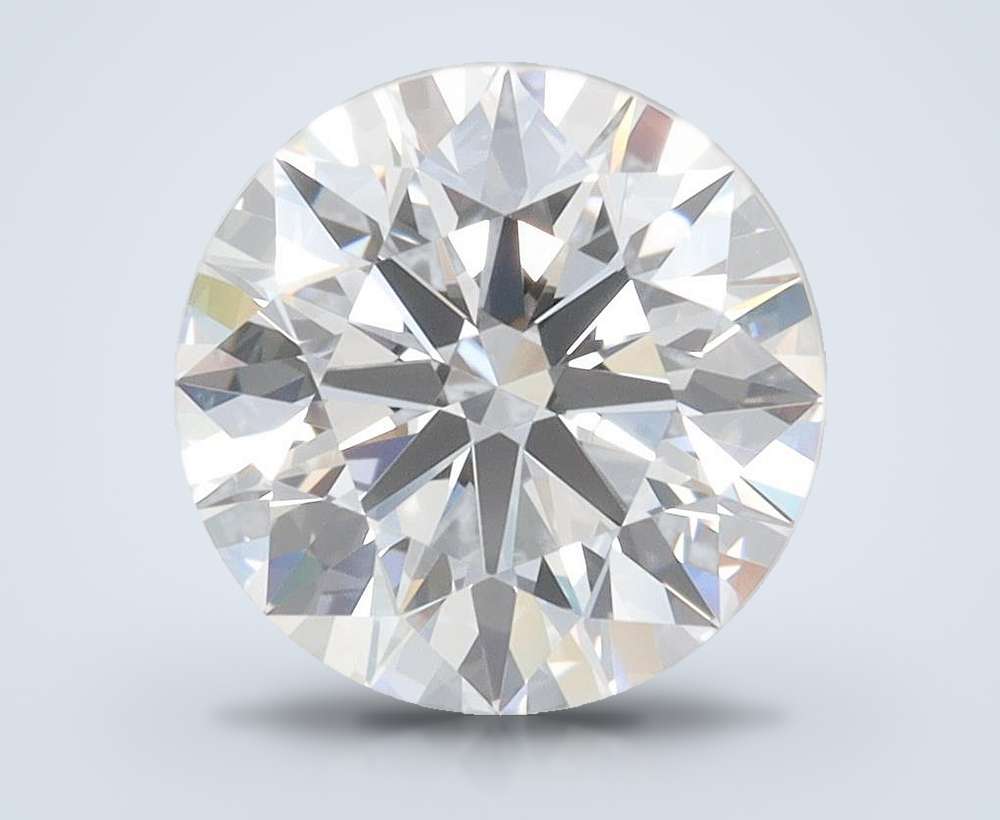
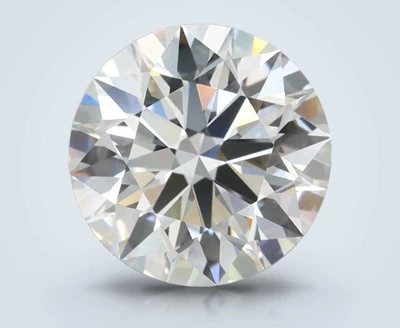
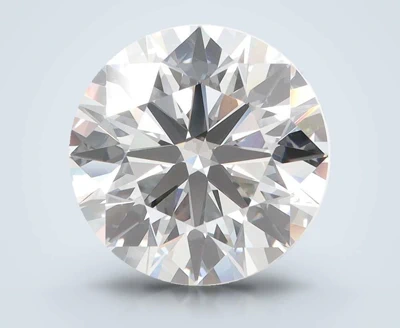
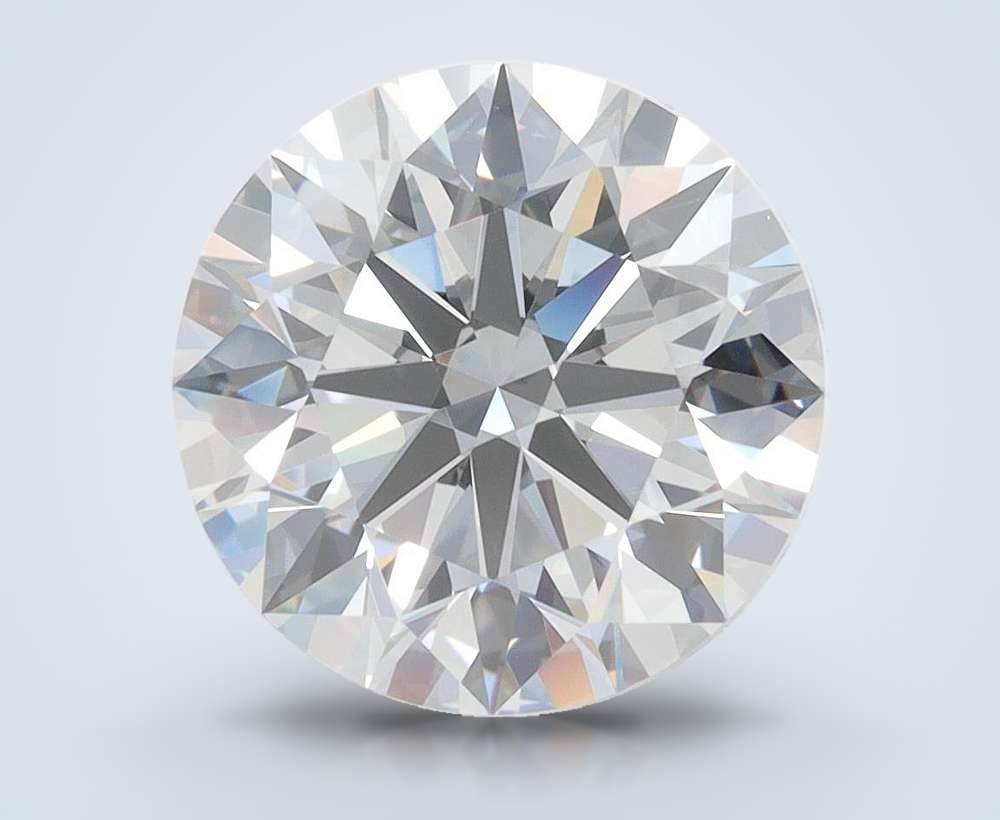
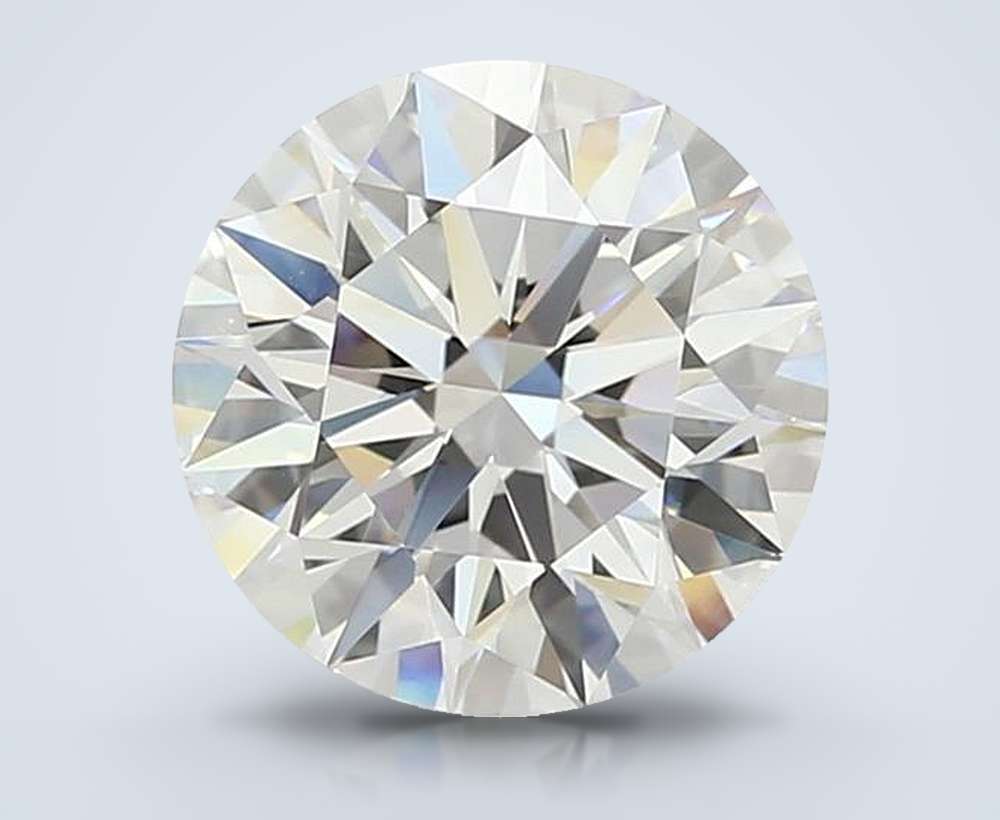
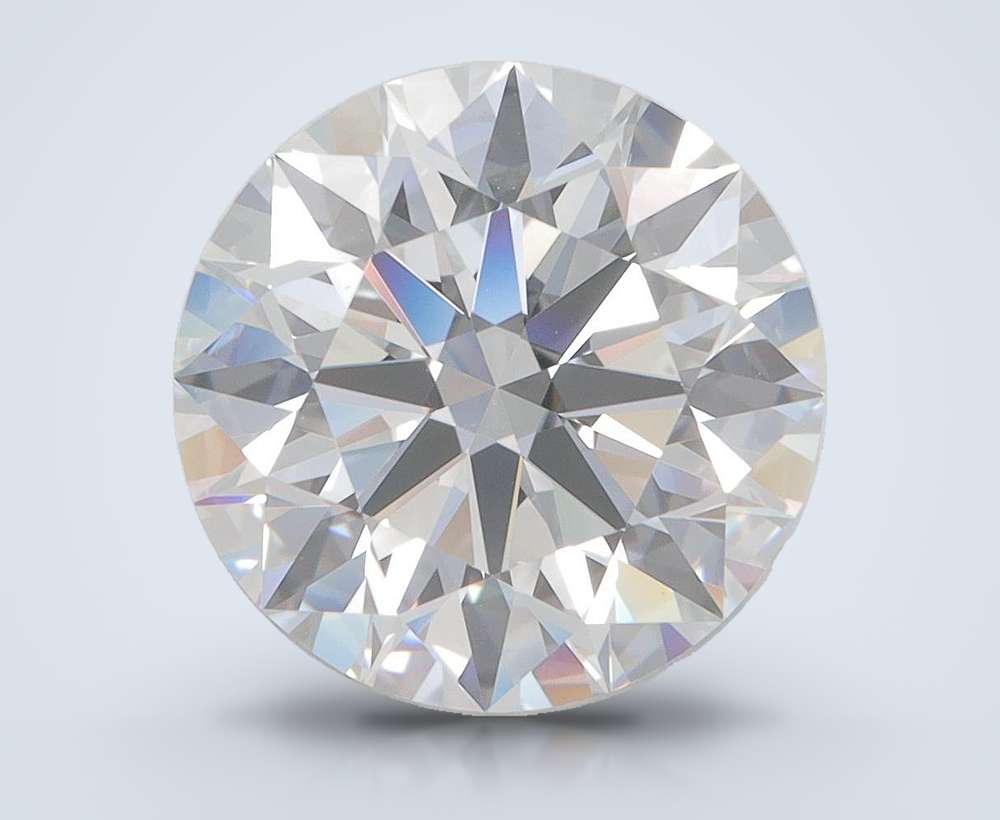
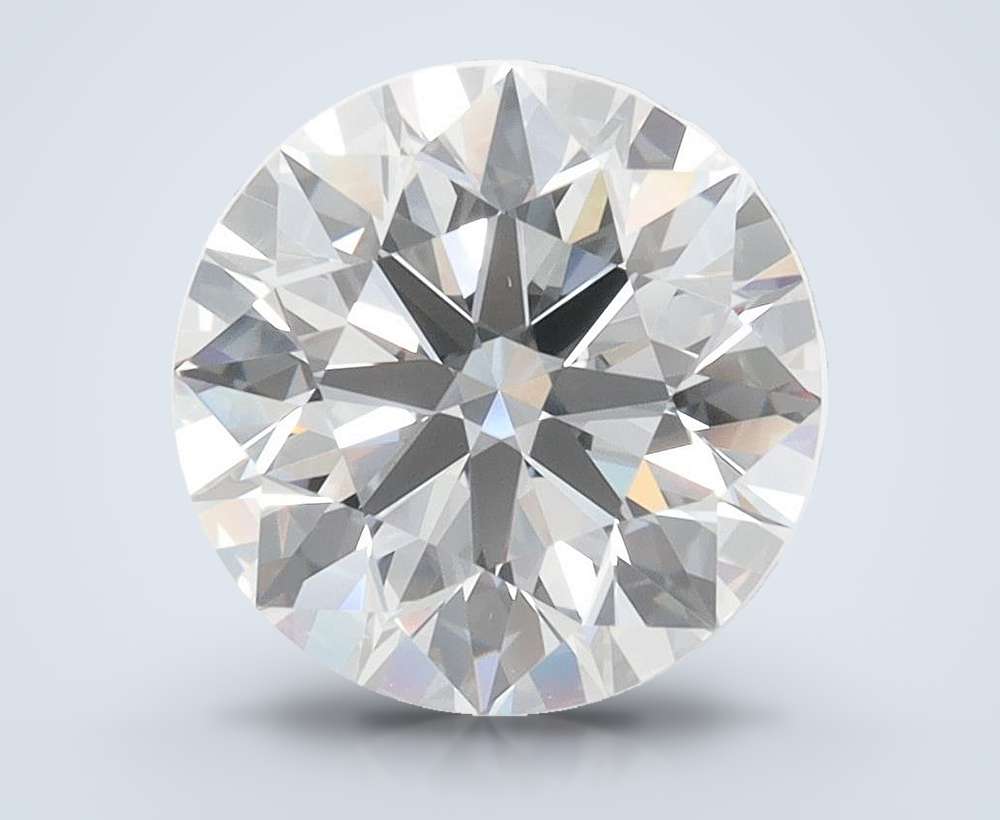
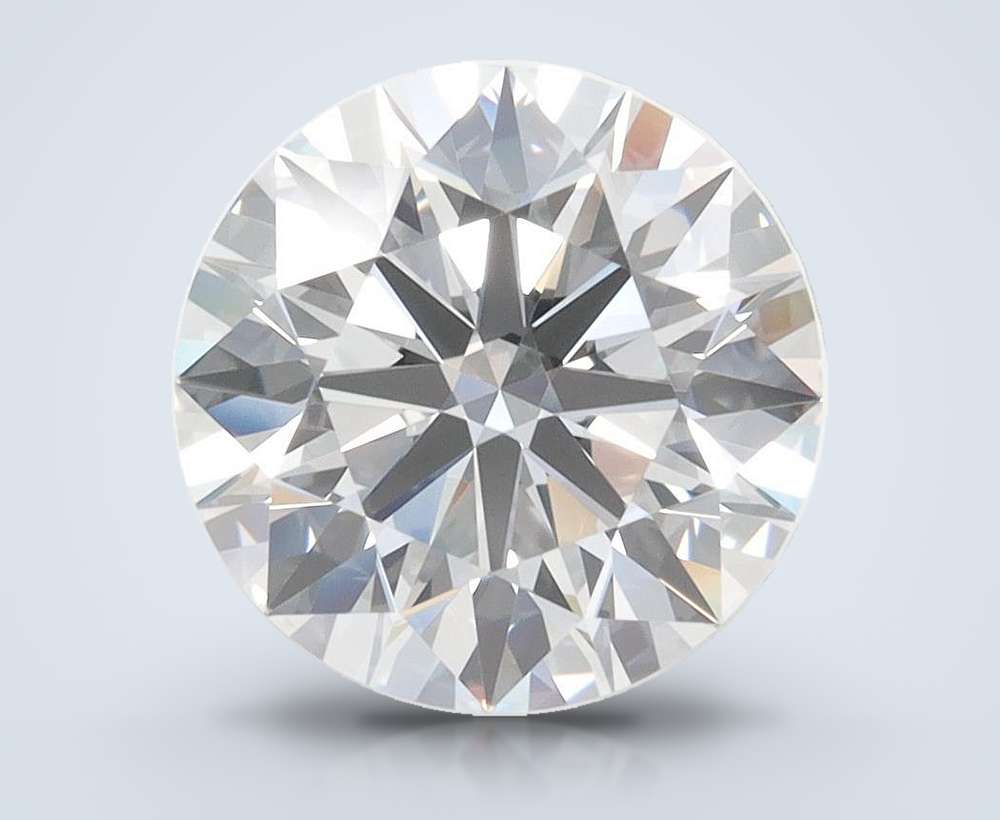
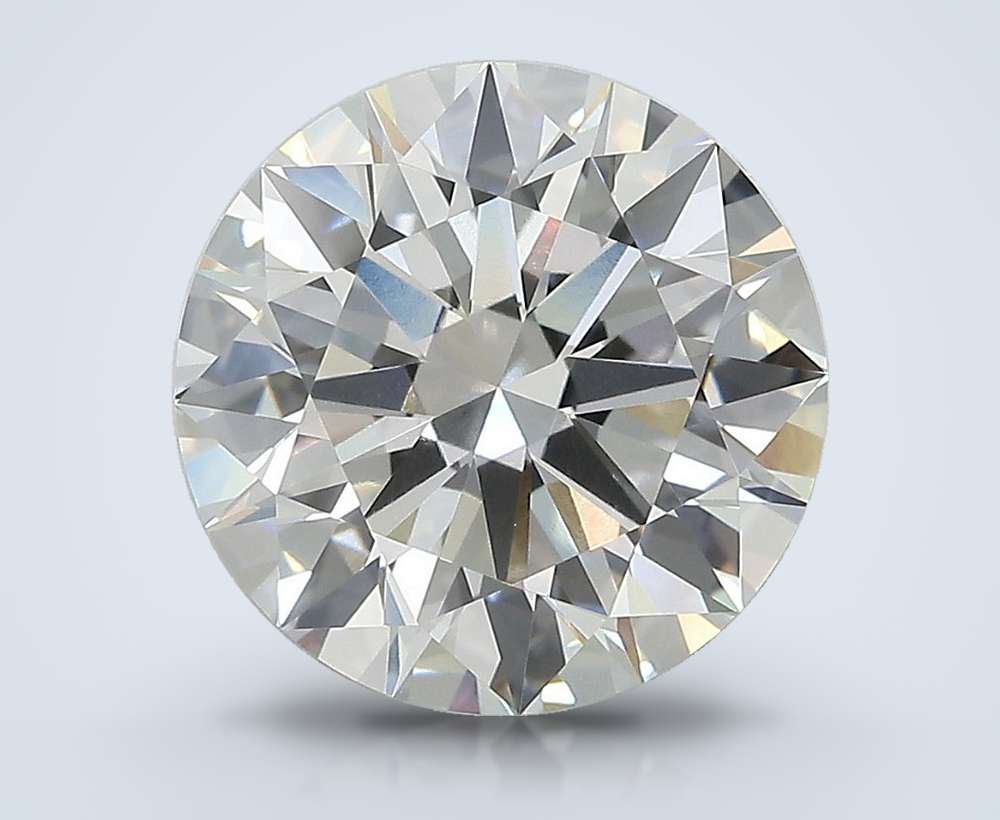
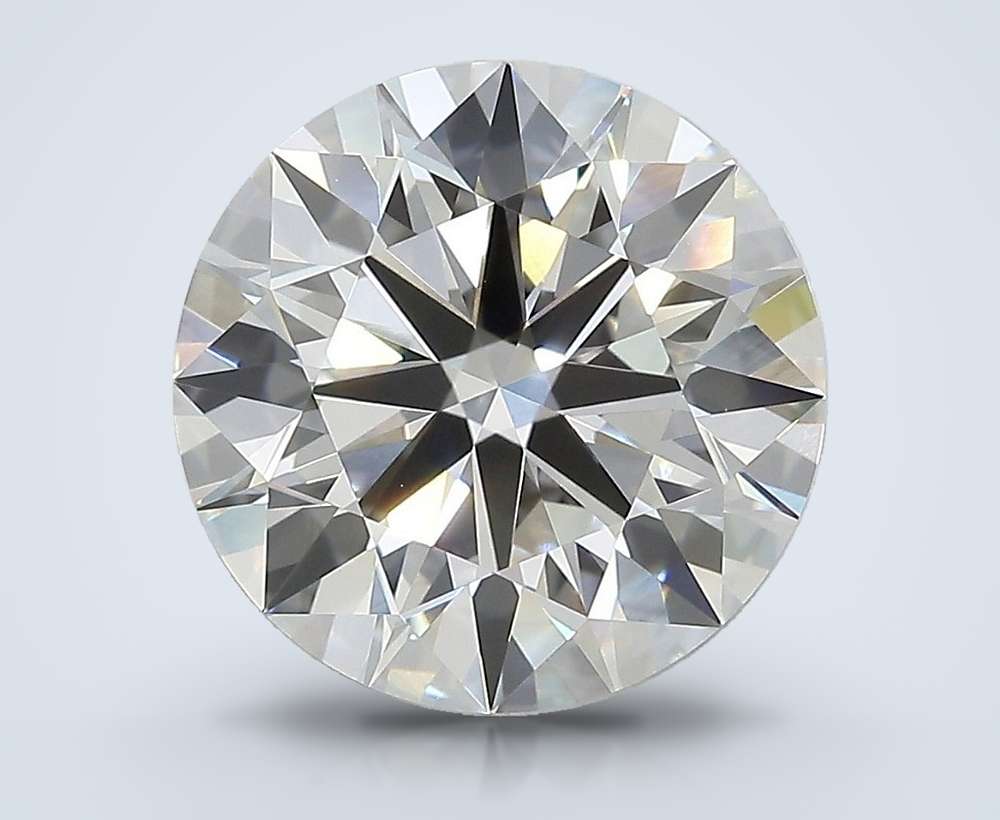
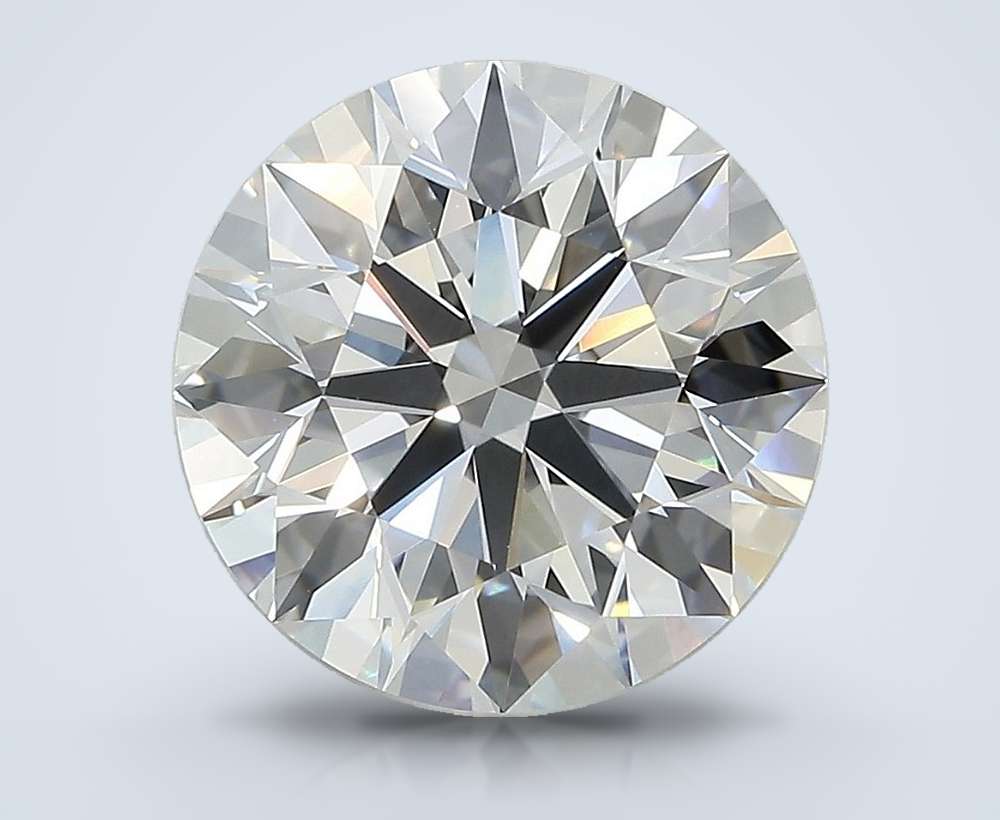
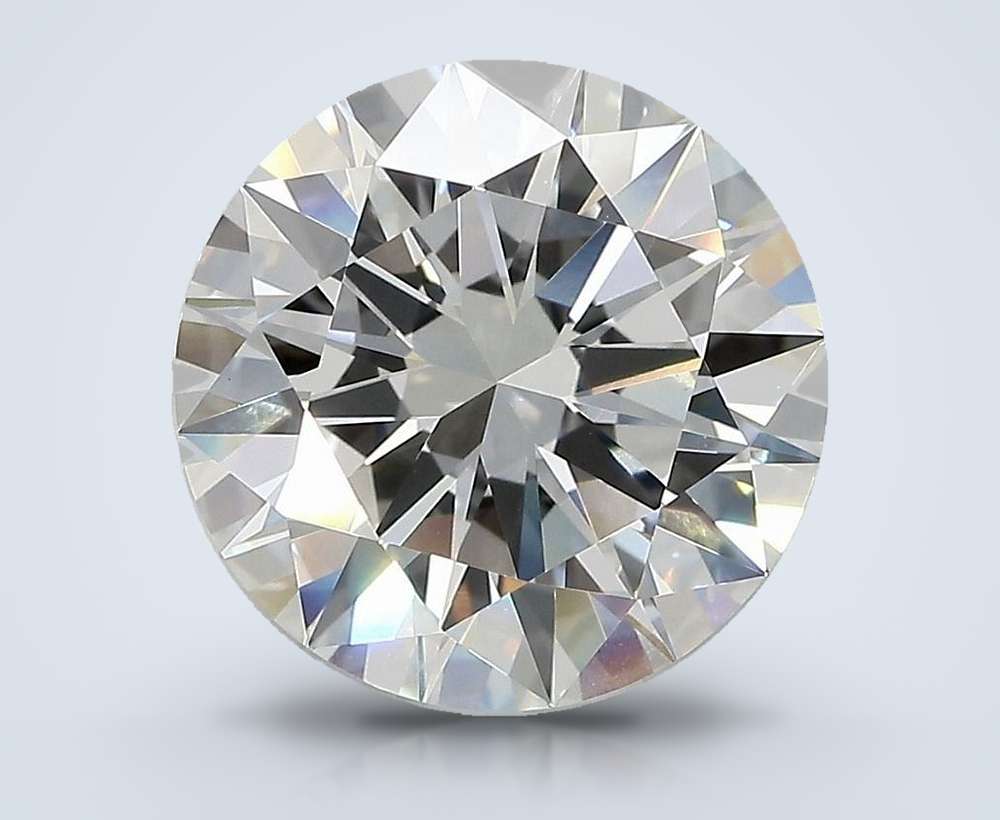
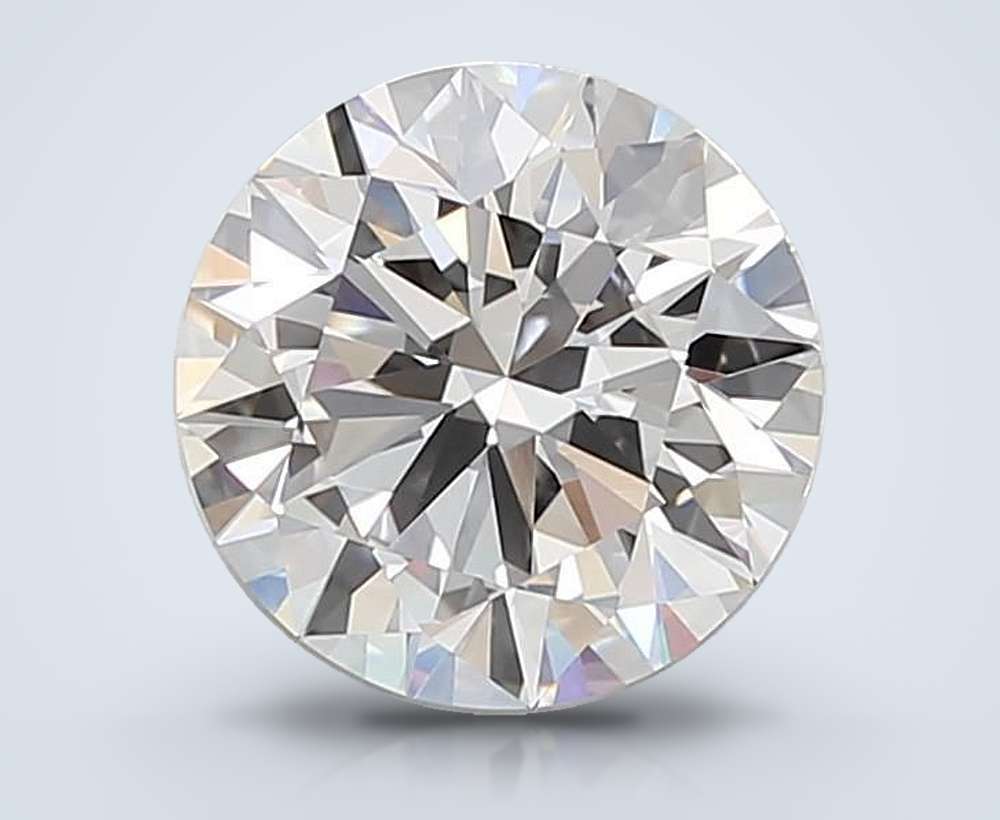
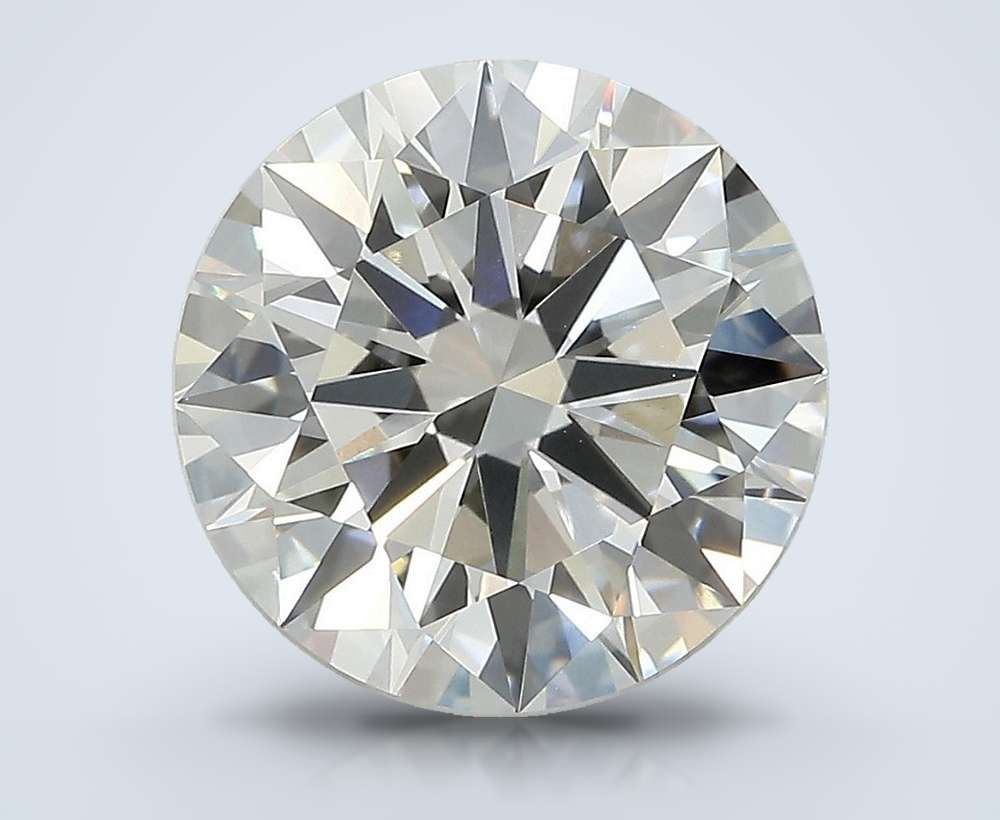
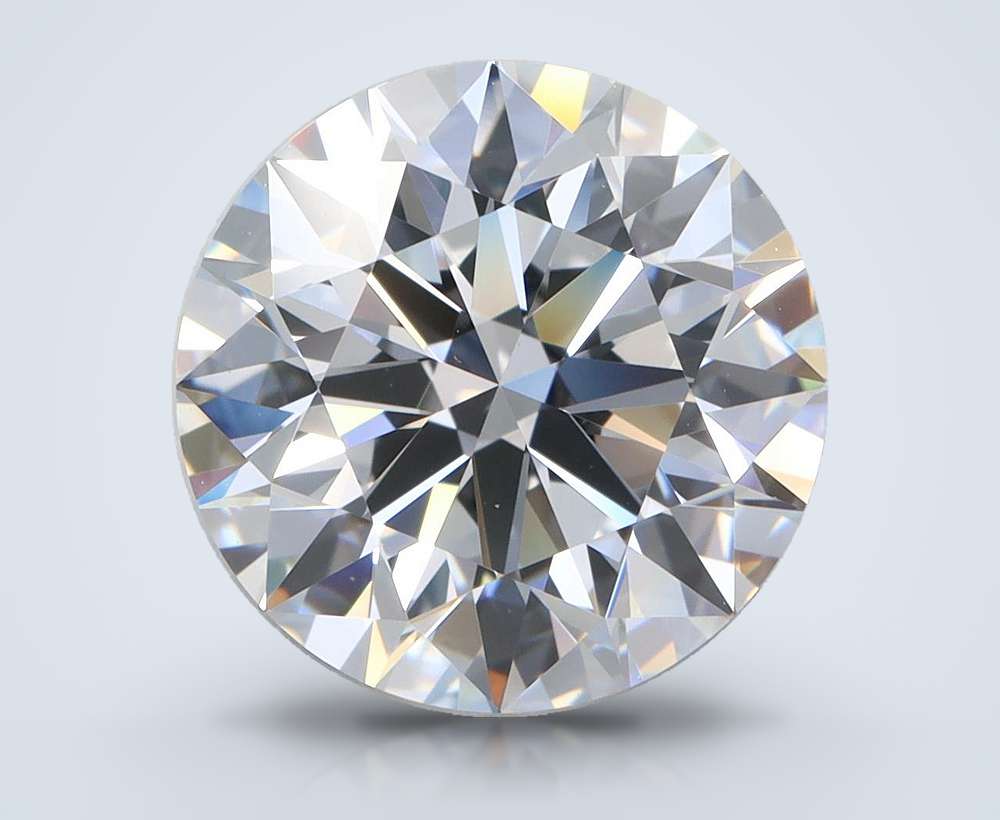
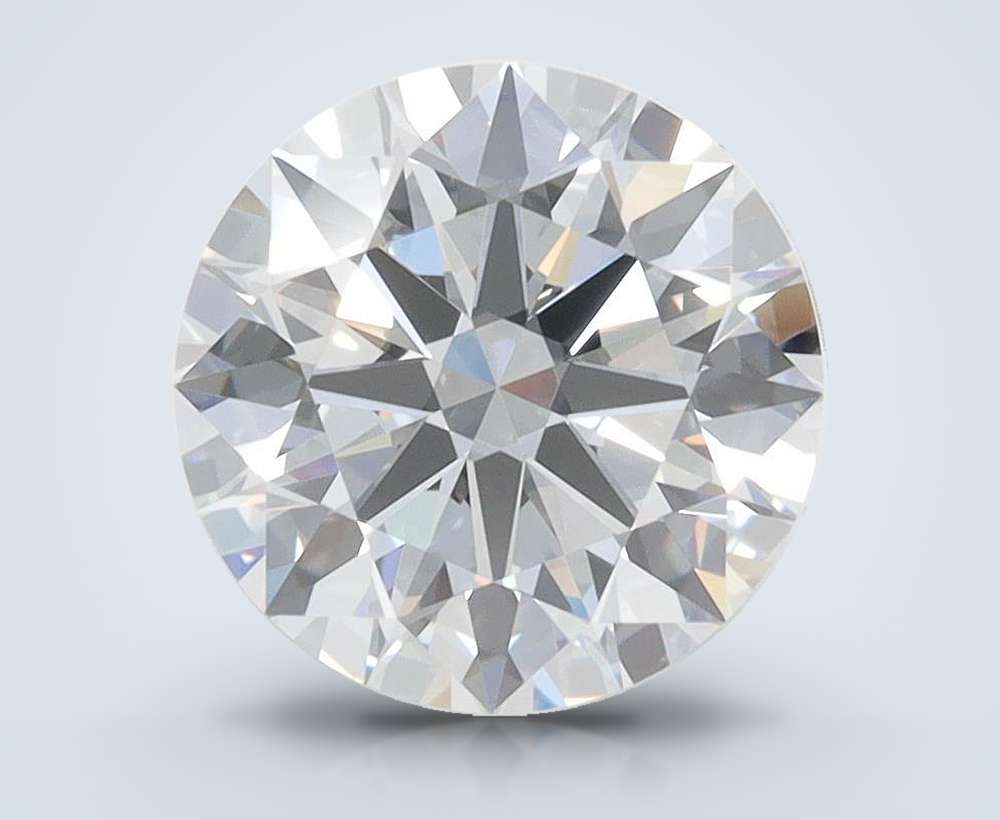
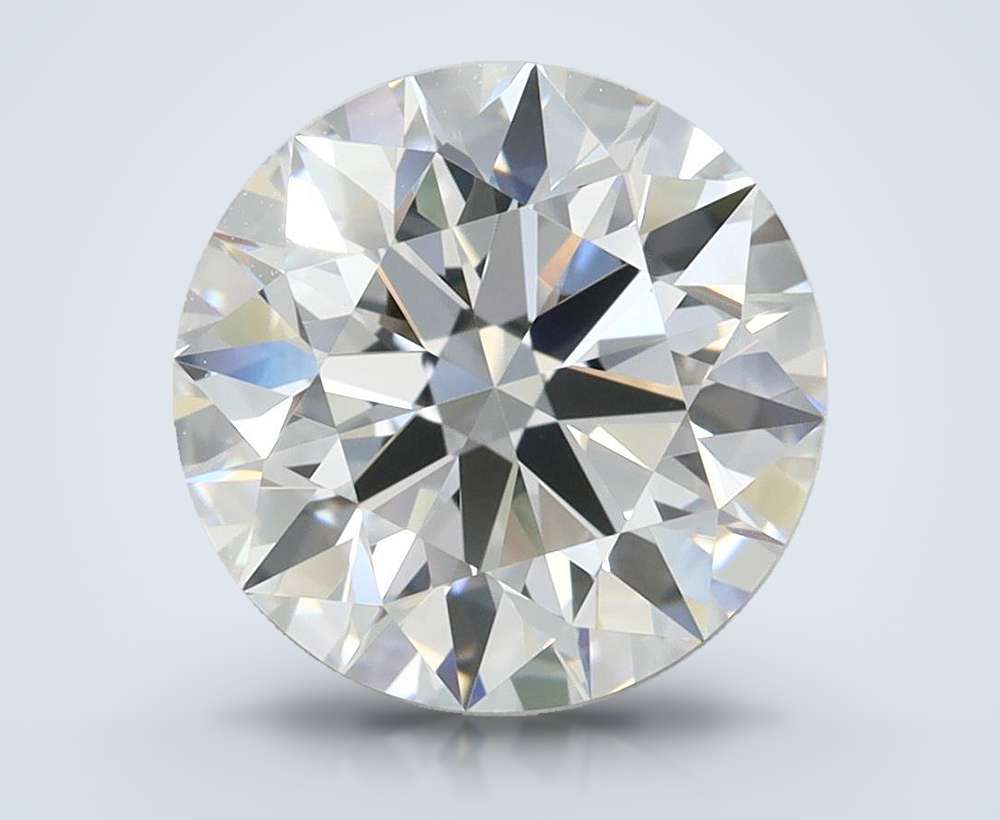
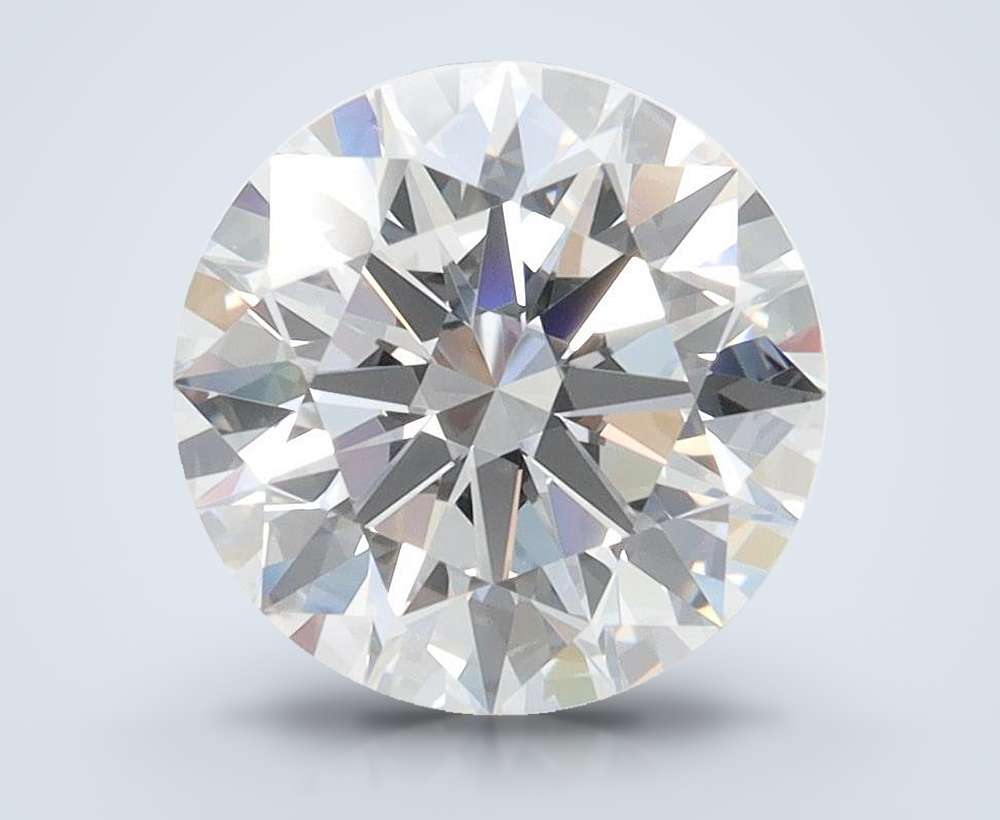
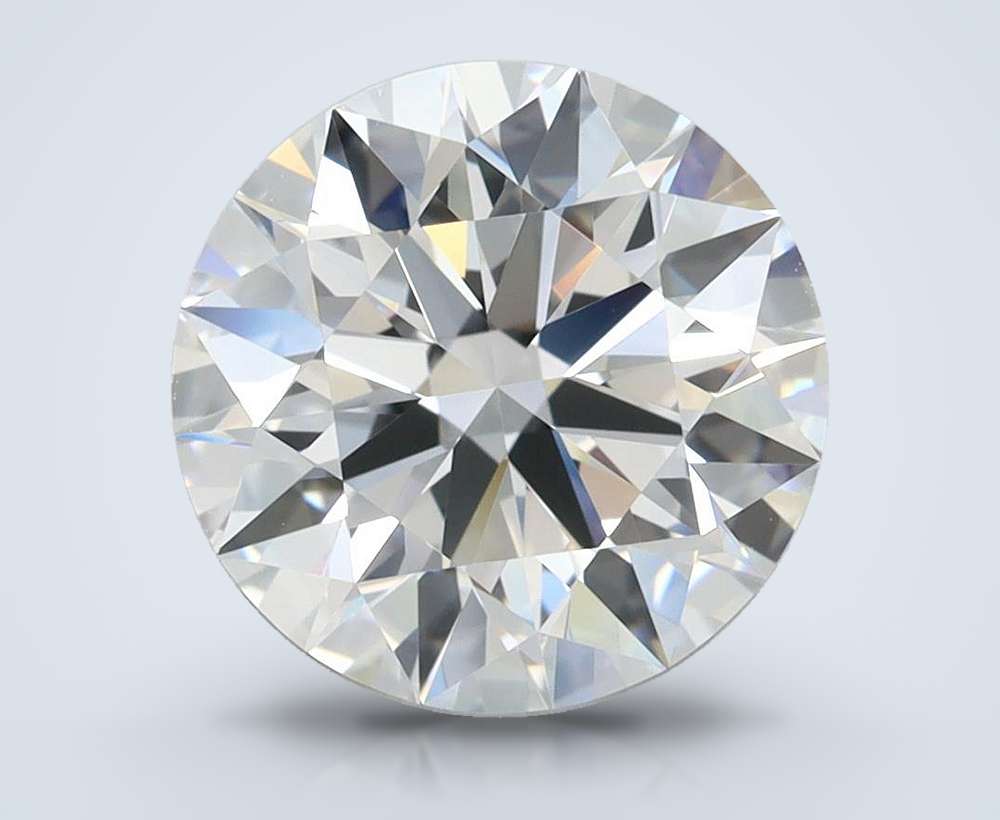
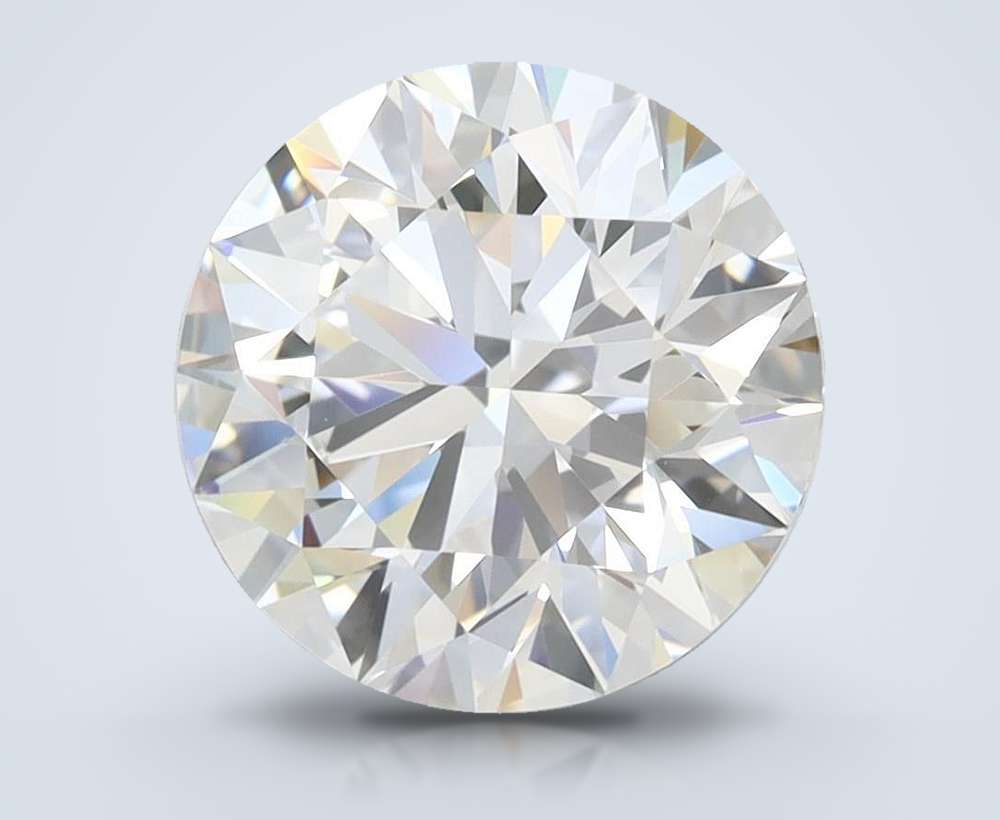
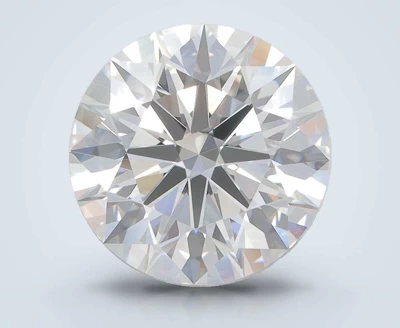
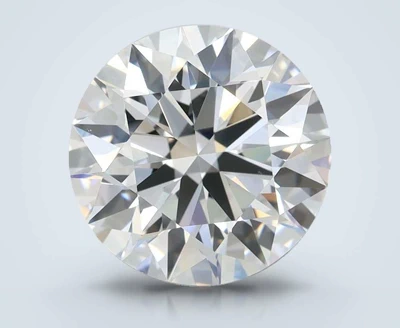
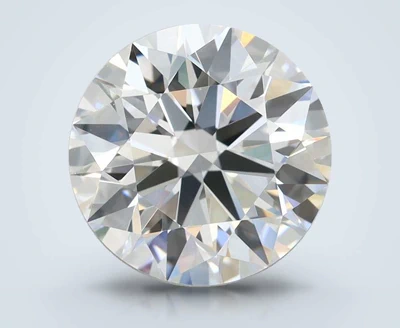
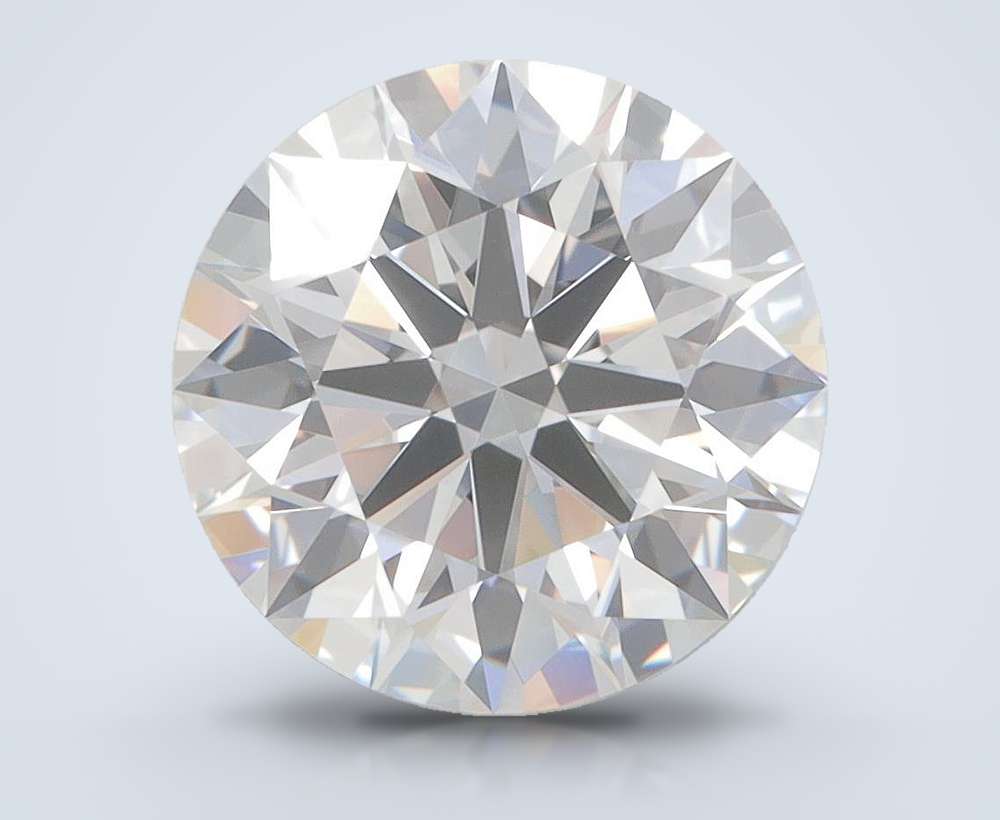
Colorless or near colorless: which do you need?
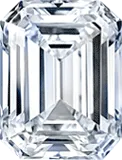
Colorless earns its cost when the stone sits in white gold or platinum, when it is large, or when it is an emerald or asscher cut, because those are the places color shows. Near colorless is strong value in yellow or rose gold, which hide a warmer tone well. Shape matters too: pears and marquises collect color at their points, so look closely at the tips on video before settling on a lower grade. Rounds, by contrast, hide color well, so a large round in yellow gold can sit lower on the scale than a small emerald cut in platinum.
How the metal changes the color you see
White metals show warmth and warm metals hide it. White gold gets its bright finish from rhodium plating and platinum is naturally white, so both frame the diamond in cool, neutral metal that makes any tint easier to spot. Yellow gold, and rose gold with its copper pink, wrap the stone in warm color, so a G to J diamond reads clean against them. If you have not picked a metal yet, decide that now; it is the cheapest way to settle the color question. Compare yellow gold ring settings with platinum ring settings to see the contrast.
A spending order for lab grown diamonds from $5,000 to $6,000
Keep the cut grade at the top, choose the lowest color your metal allows, settle clarity at eye clean, and spend whatever remains on weight. That order works because cut and size show to everyone, while a color step that the metal hides shows to no one. Stop adding size when a bigger stone would push you into a color that reads warm in your setting, since larger diamonds make color easier to see. If you sit near the bottom of this range, compare the band just below; the same color logic applies there.
Judging color on screen before you buy
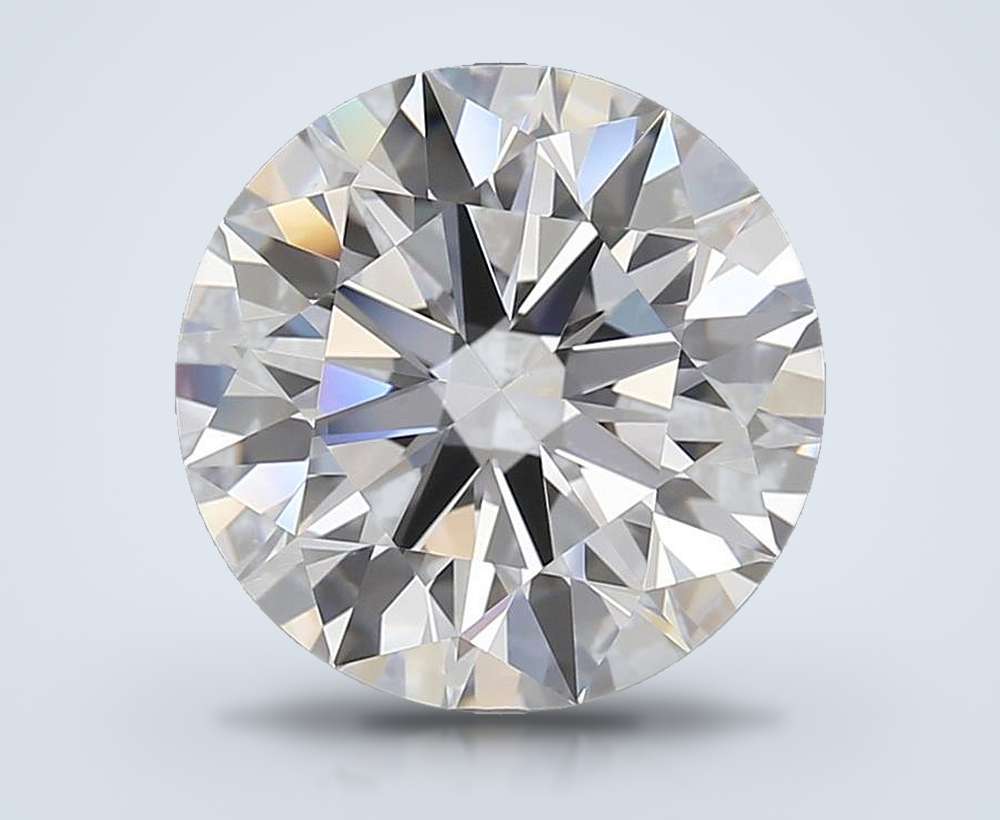
The report gives you a letter; the video shows how that letter reads in a real stone. Put two candidates with different color grades on the same screen, at the same size, and look at them side by side. If you cannot tell them apart there, you will not tell them apart on the hand, and the lower grade is the better buy. Put the difference toward cut or a slightly larger stone. Daylight helps as well, so look at any finalist by a window, not only under indoor light.