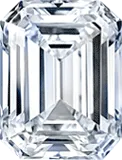
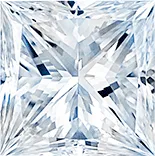
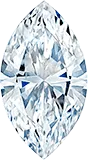
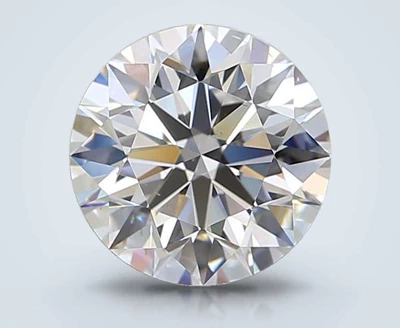
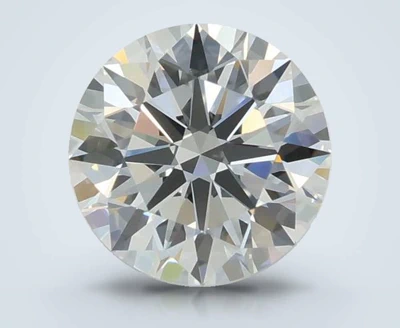
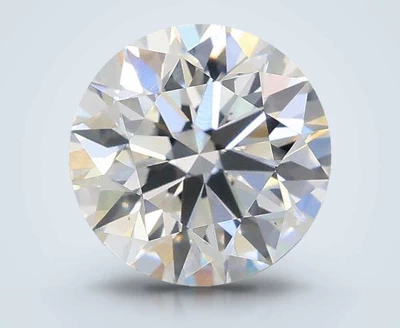
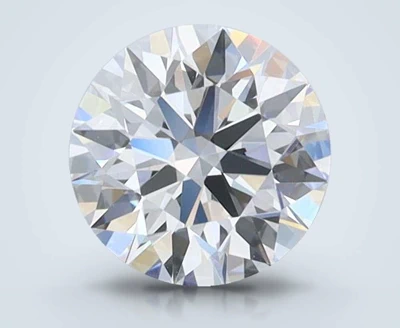
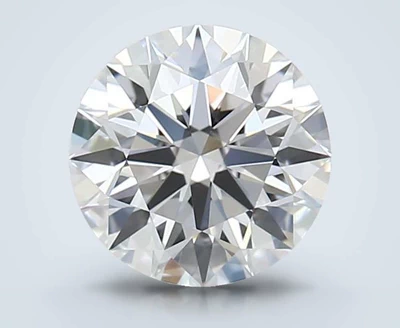
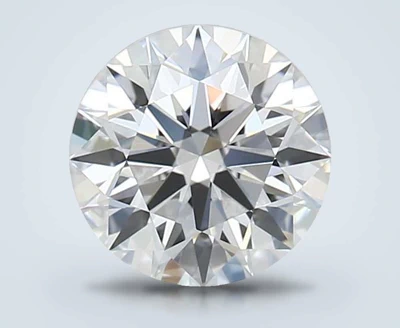
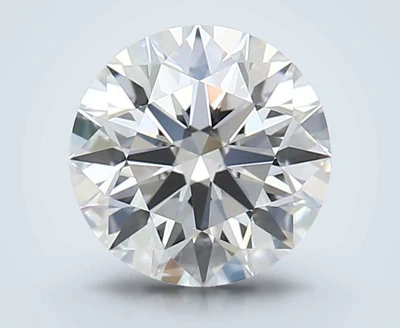
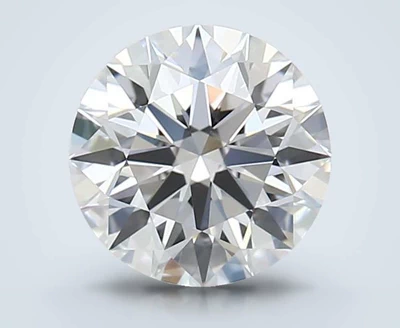
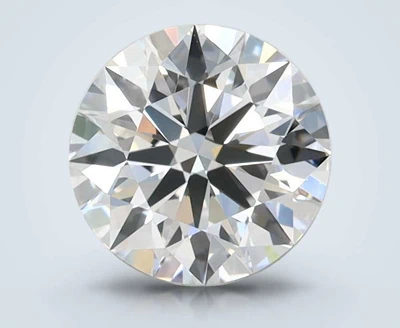
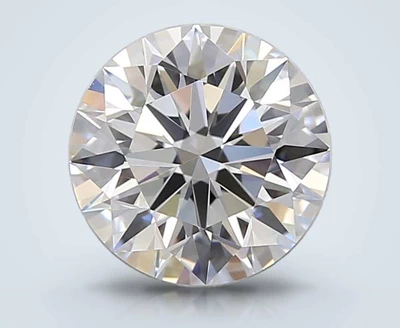
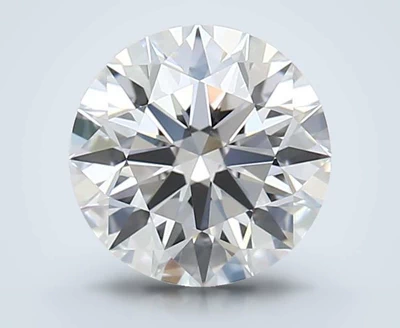
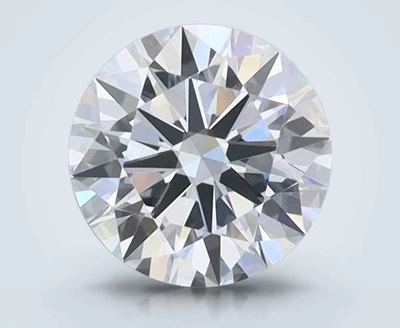
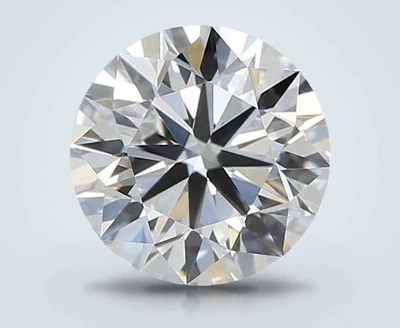
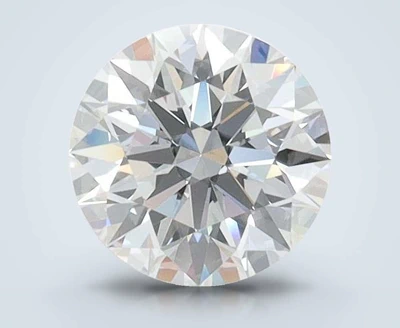
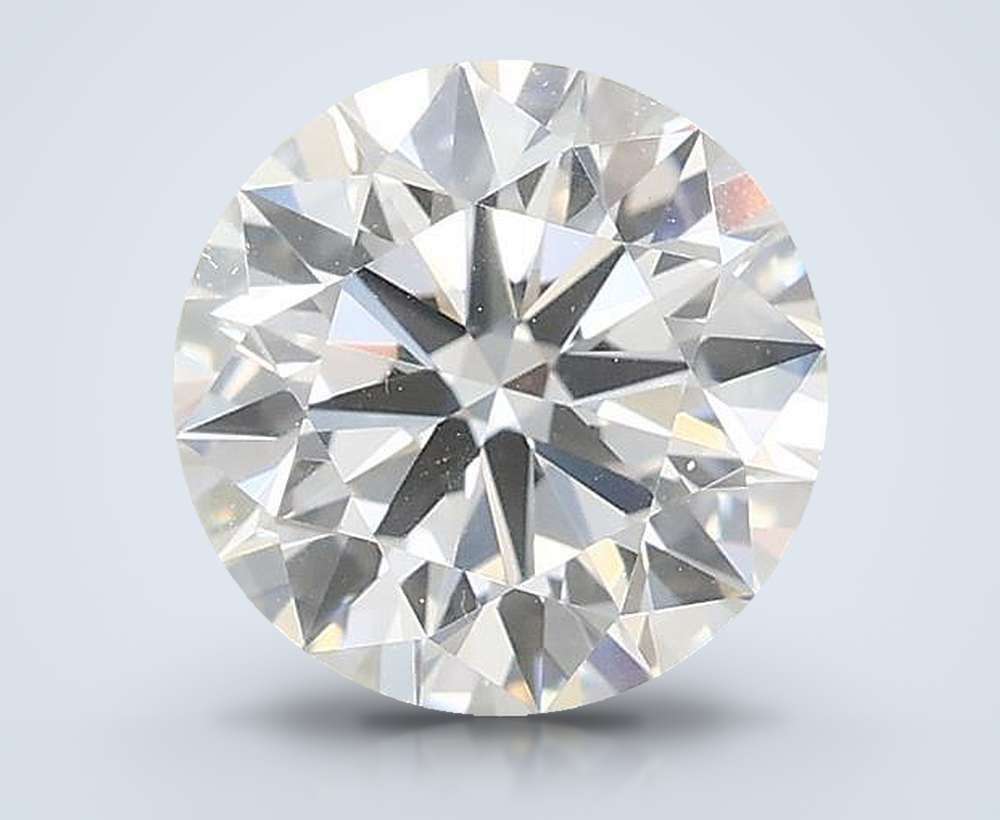
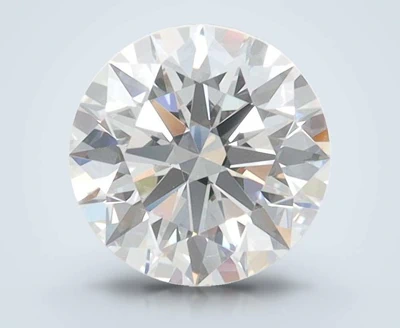
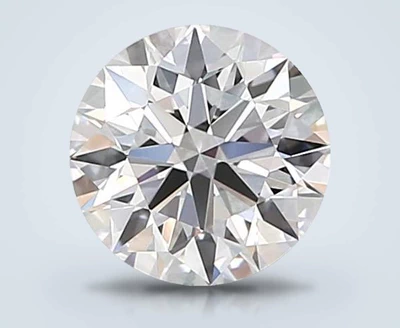
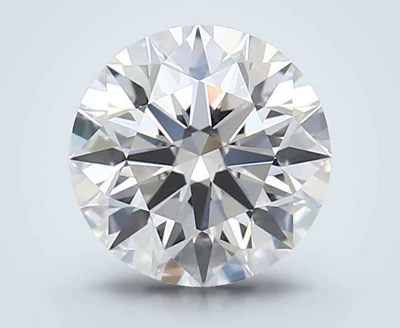
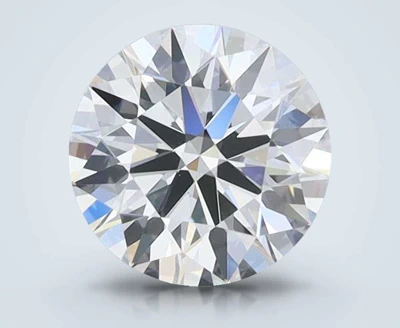
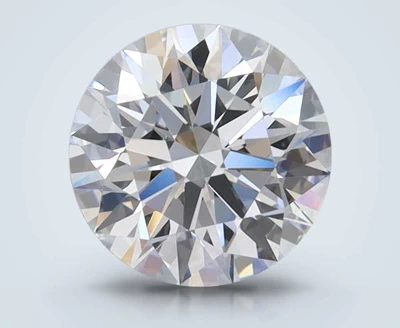
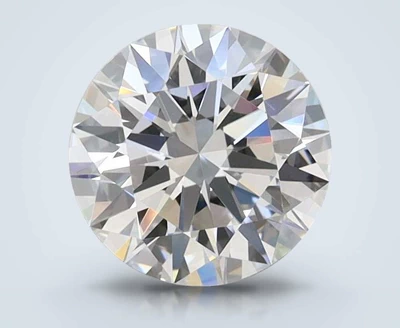
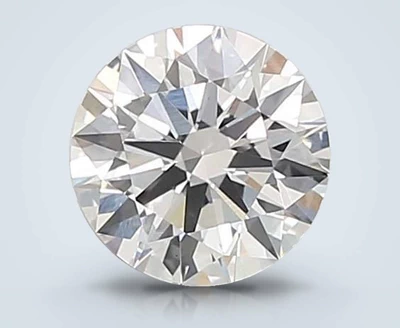
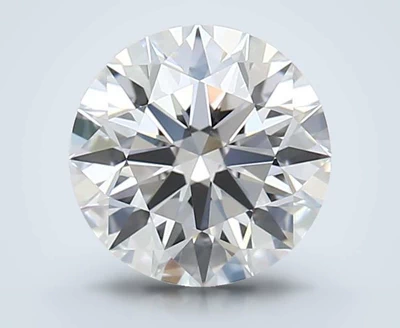
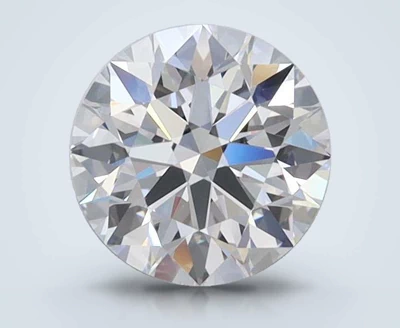
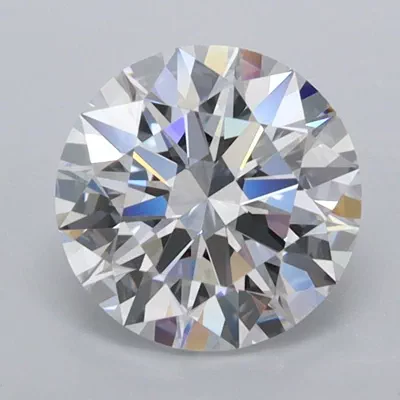
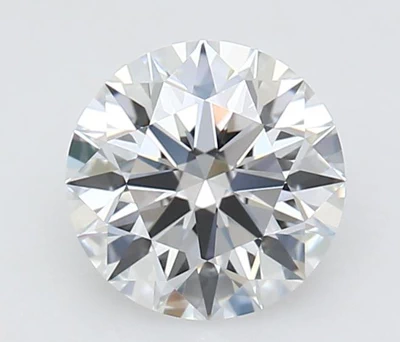
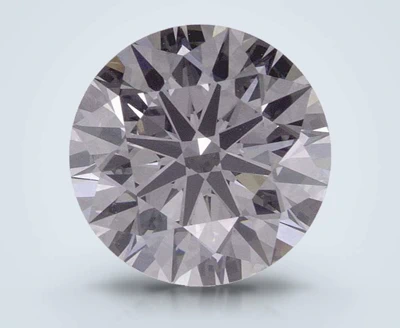
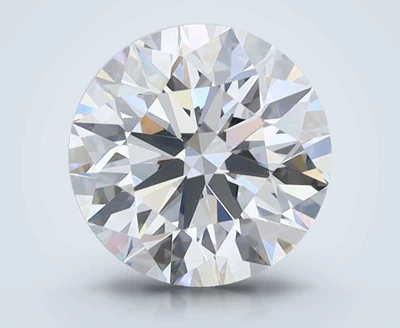
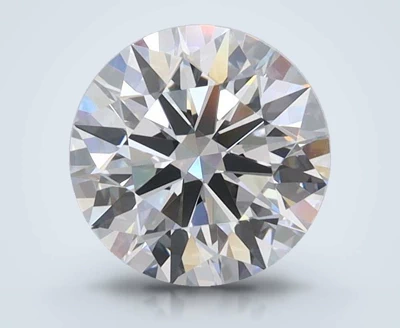
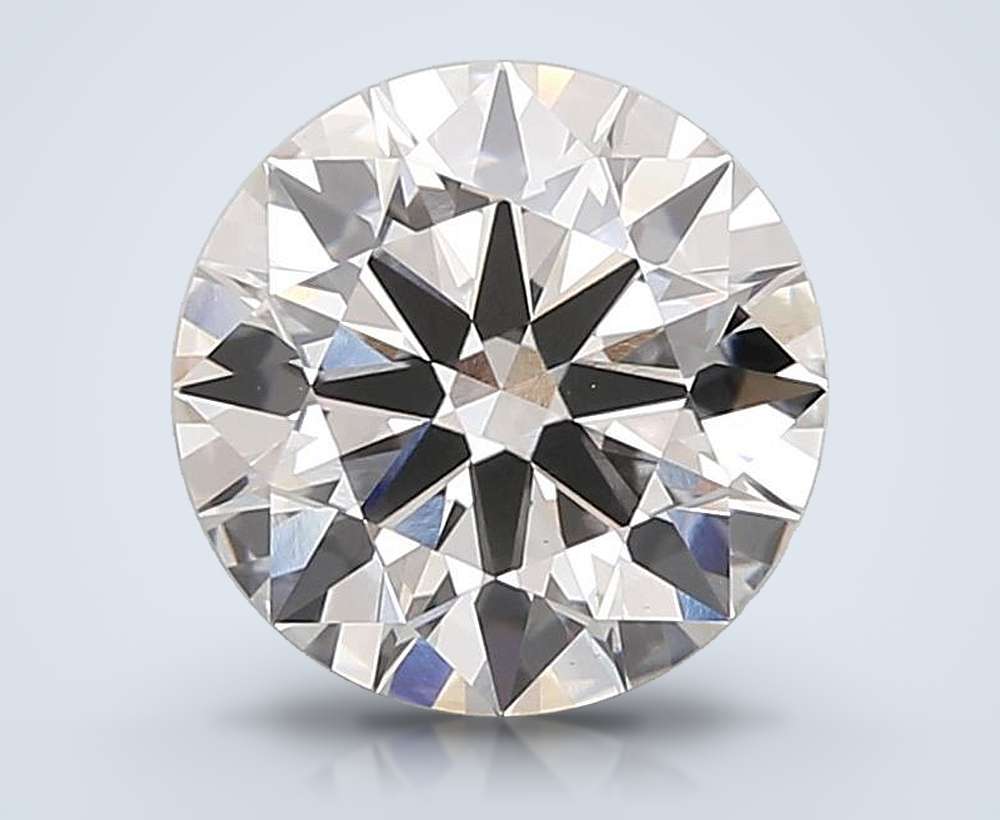
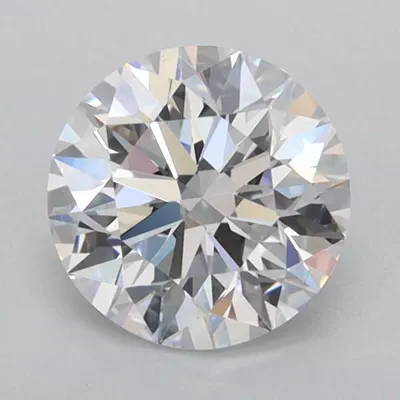
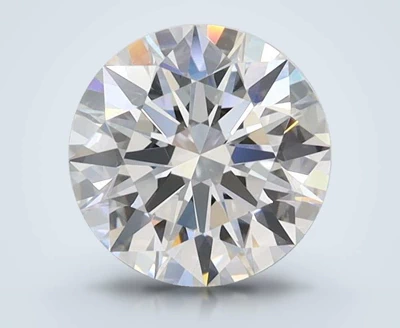
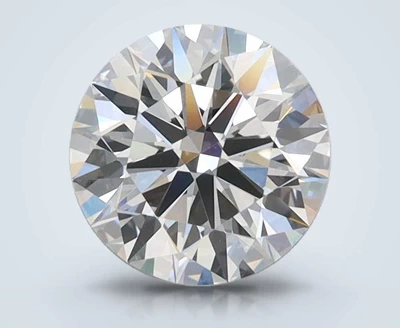
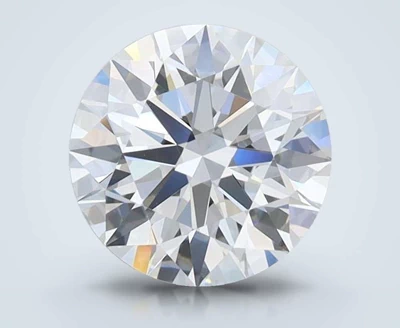
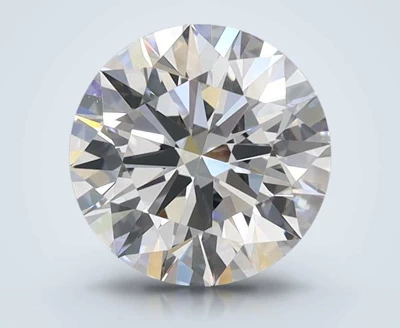
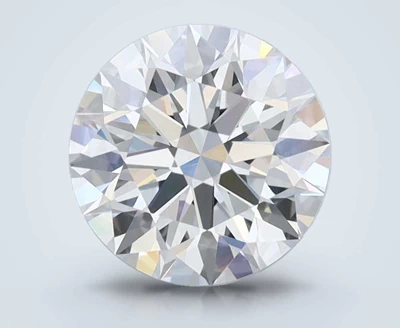
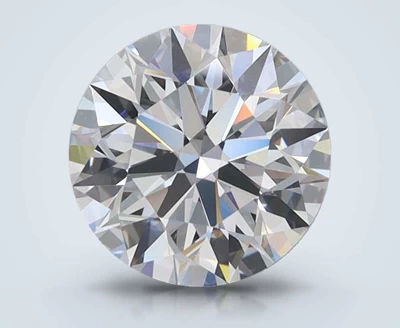
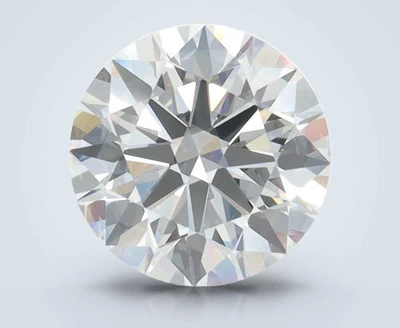
Real diamond, not a lookalike
One grown in a lab is the same material as a mined diamond: crystallized carbon, 10 on the Mohs scale, with identical chemistry and brilliance. It is made by CVD or HPHT rather than dug up, and only laboratory testing can tell the two apart. That matters on a first budget, because staying inside your number does not mean giving up durability or sparkle. What you give up is the mined origin and its resale value, which for lab grown stones is low.
Is the budget for the stone or the whole piece?
Settle this first, since it changes every choice after it. If the range covers only the loose diamond, all of it can go into the stone and the setting becomes a separate decision. If it has to pay for a ring too, set part aside for the mounting and keep the design simple; a plain solitaire leaves the most for the center. Other pieces change the math as well: a pendant needs a chain, and a matched pair for stud earrings splits the money between two stones.
How to choose lab grown diamonds from $1,000 to $2,000
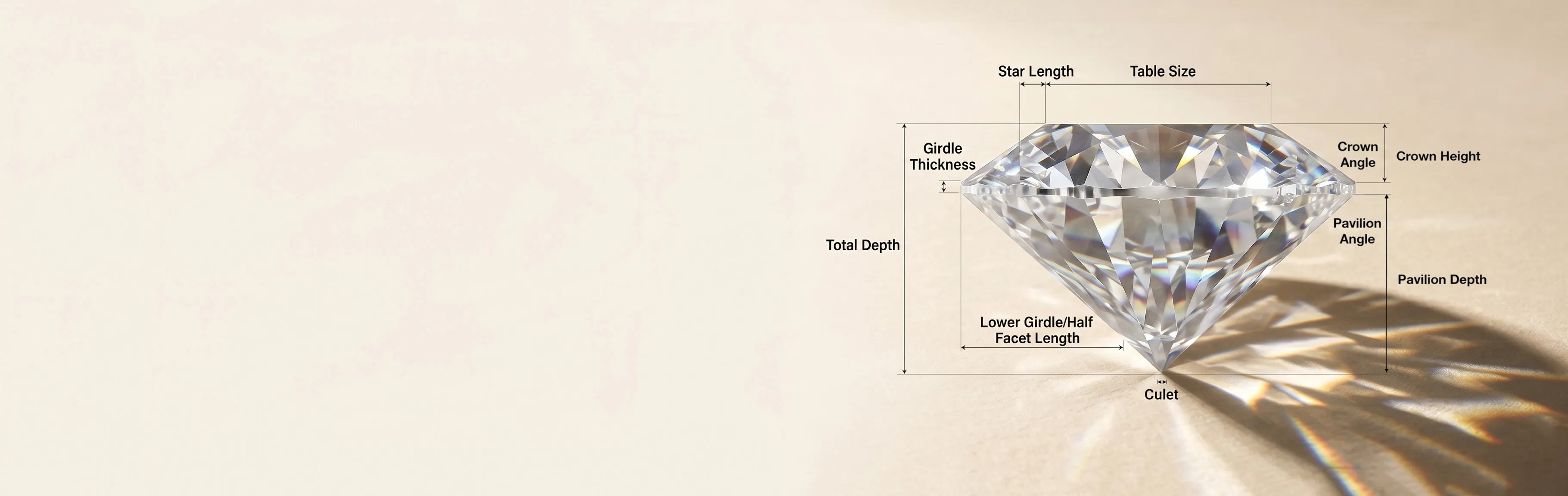
Protect the cut grade, keep clarity eye clean and let color sit in the near colorless range. For a round, an Excellent or Ideal cut is the usual target, and it should be the last thing you give up when something has to give. Brilliant shapes hide small inclusions, so a VS2 or a good SI1 can look clean. Near colorless G to J reads white in most settings, and especially in yellow or rose gold. Stop adding weight the moment it would cost you the cut, since a bigger stone that looks dull is a worse buy than a smaller one that sparkles.
Buying a first diamond without regret
Watch the 360 degree video before deciding, because it shows sparkle and inclusions better than any photo, and read the grading report, which for lab grown stones usually comes from IGI. Rare Carat also takes free returns within 30 days, so you can see the diamond in daylight and on the hand before it is final. If the number can stretch, the next price range up is worth a look, and the wider lab grown diamond collection is there for browsing without a price filter.