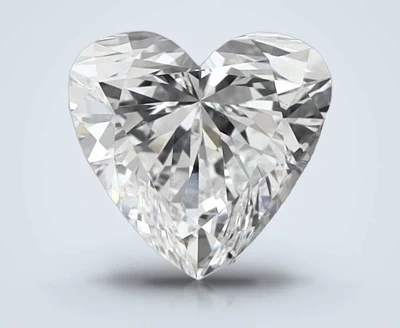
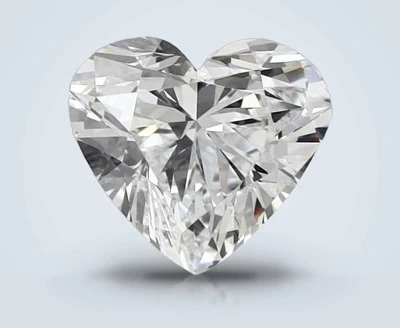
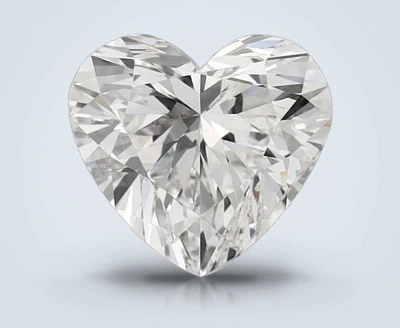
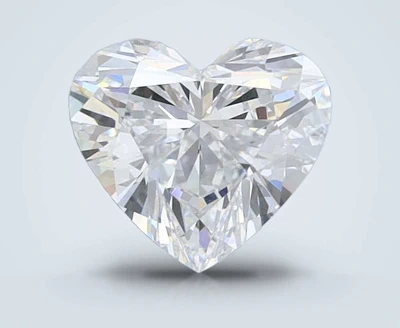
Why symmetry decides how this shape looks
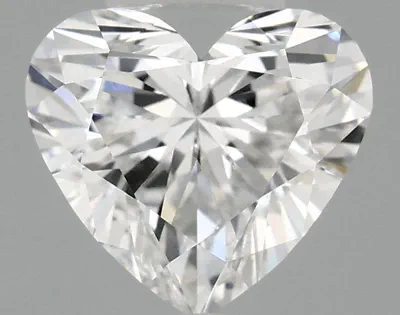
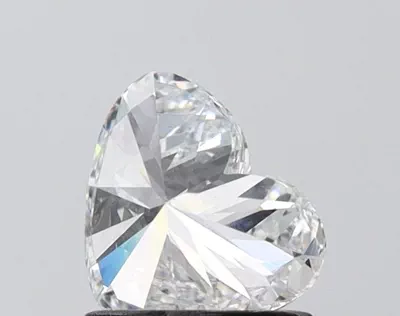
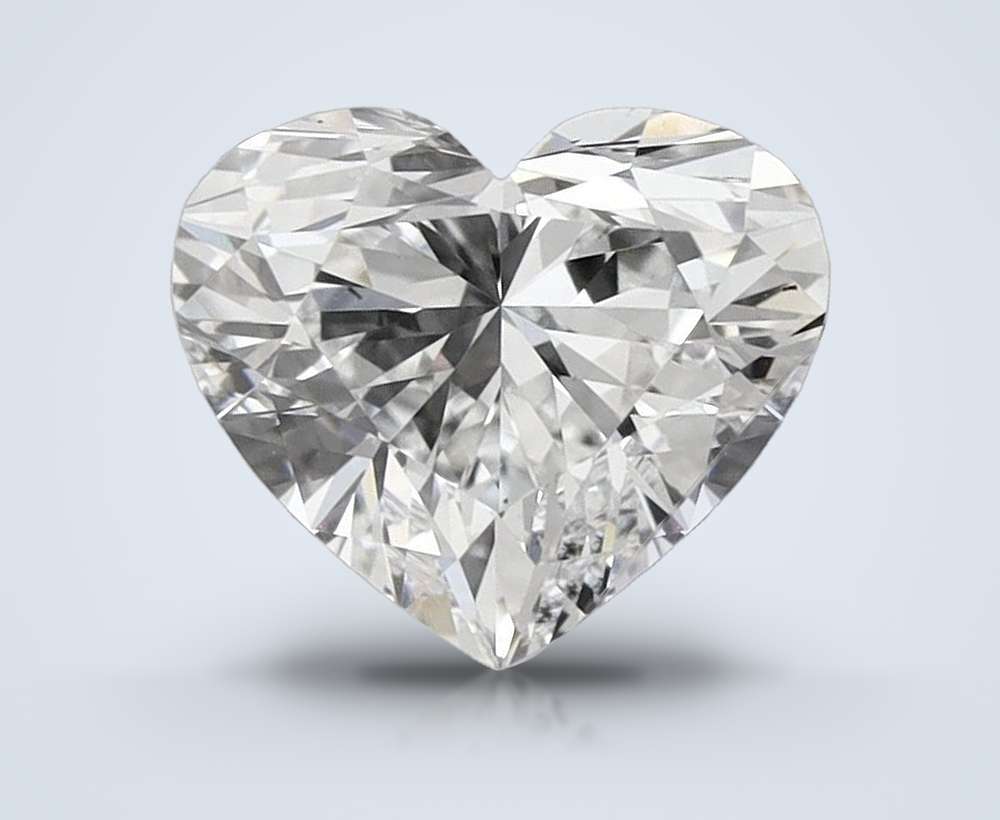
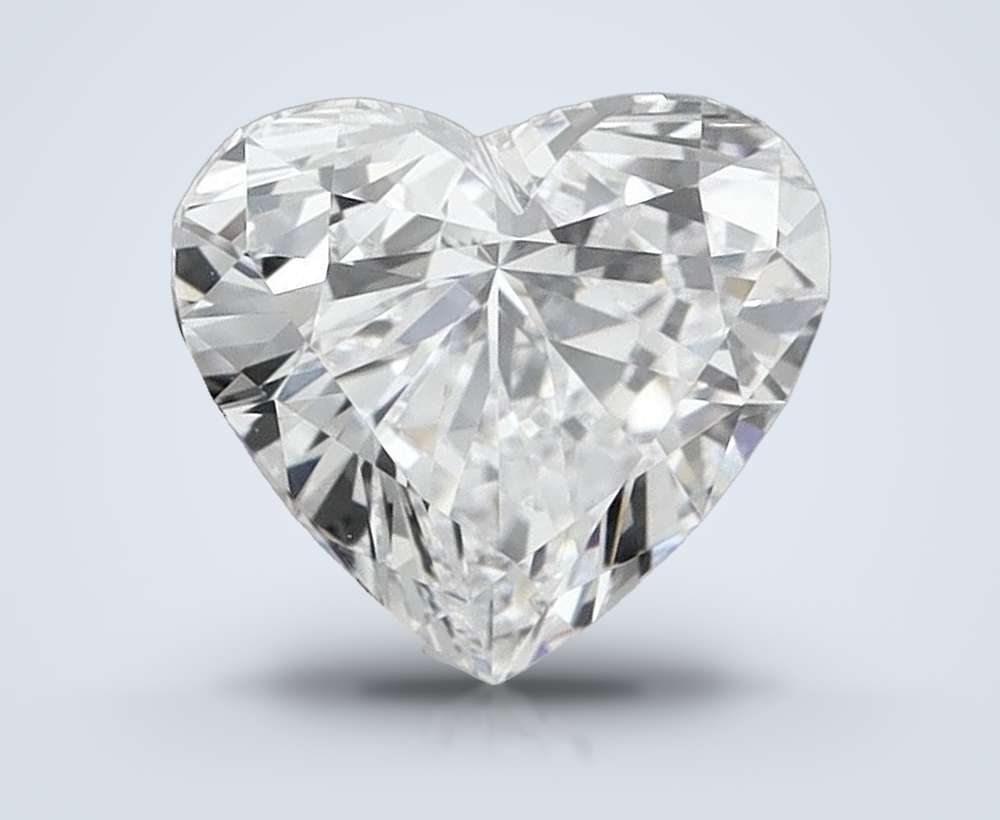
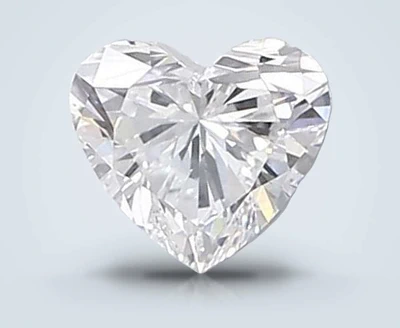
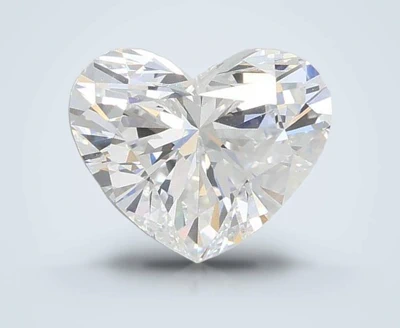
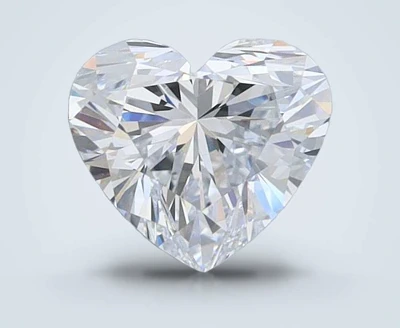
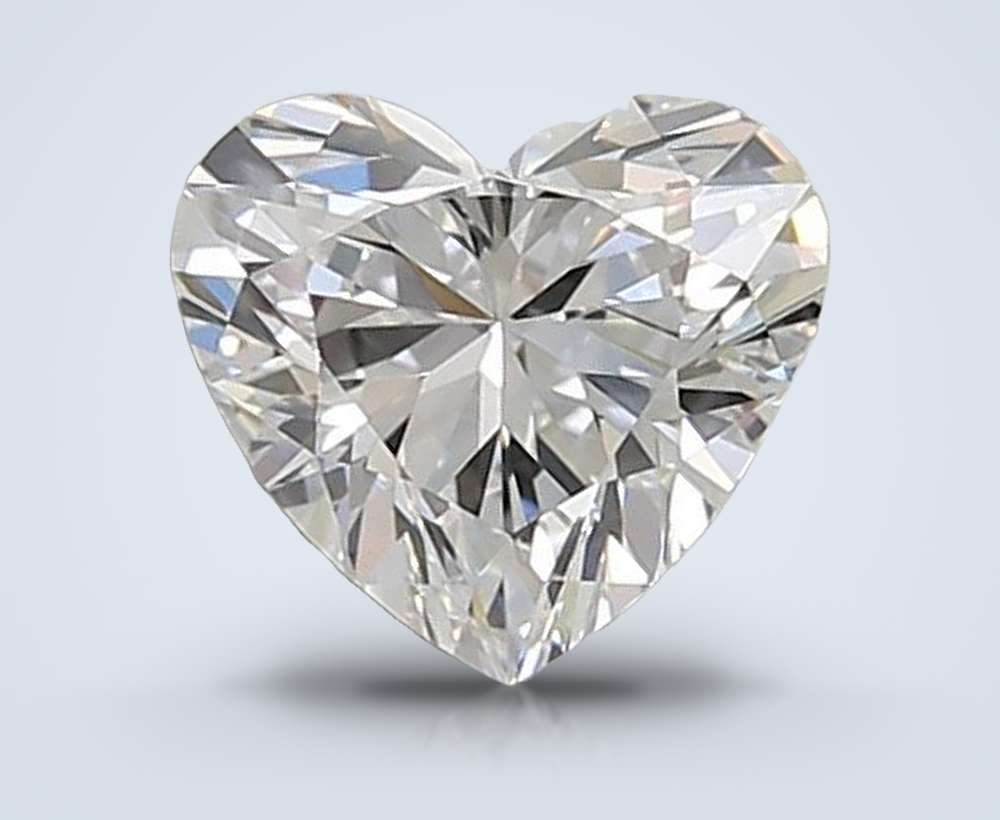
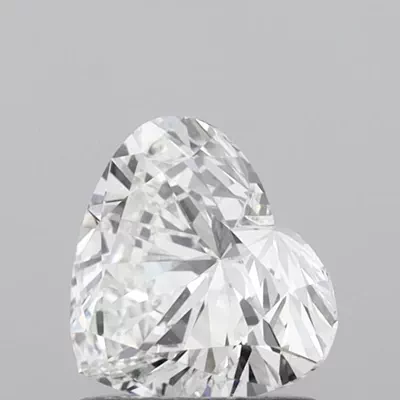
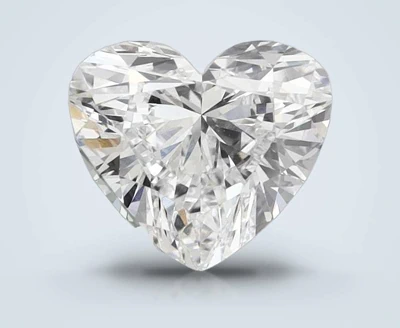
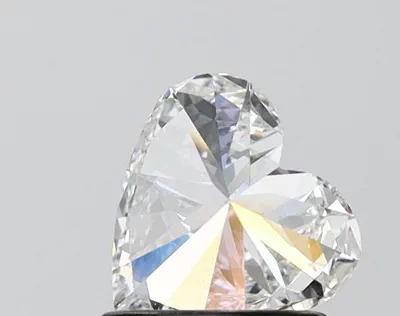
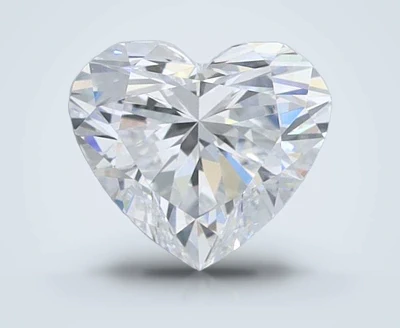
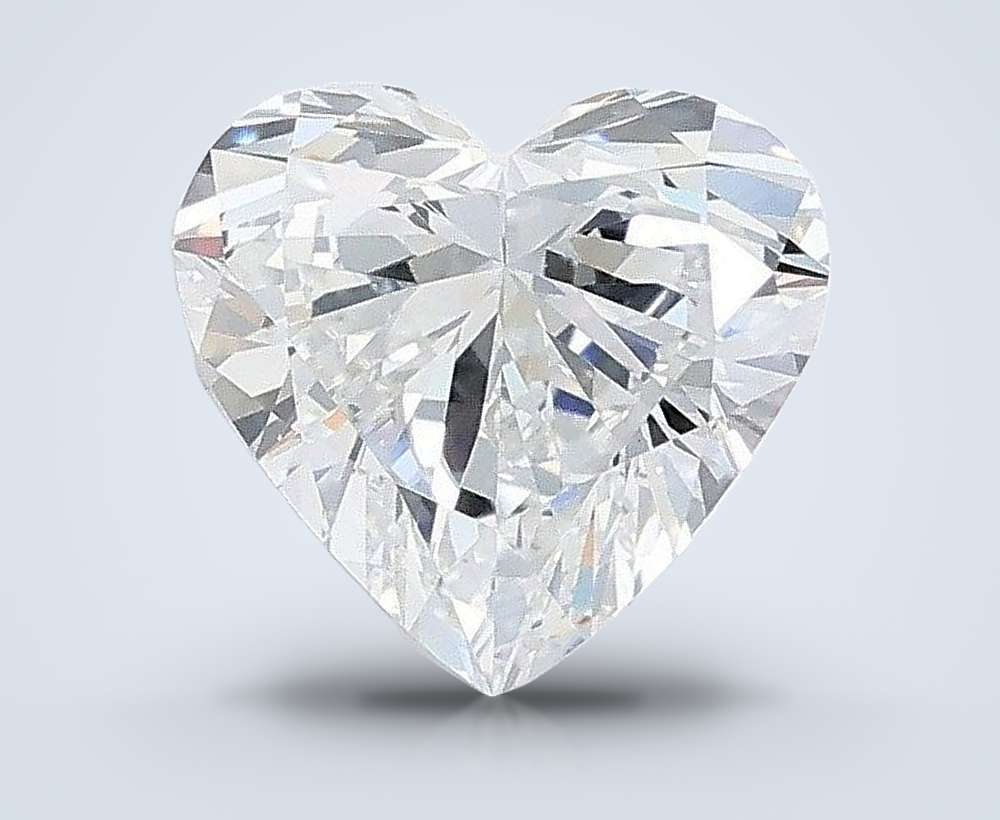
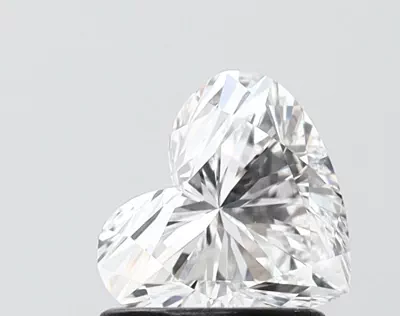
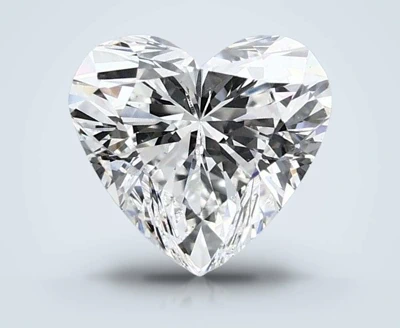
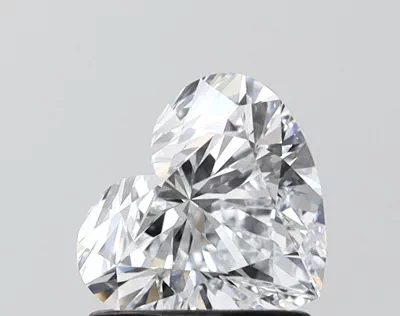
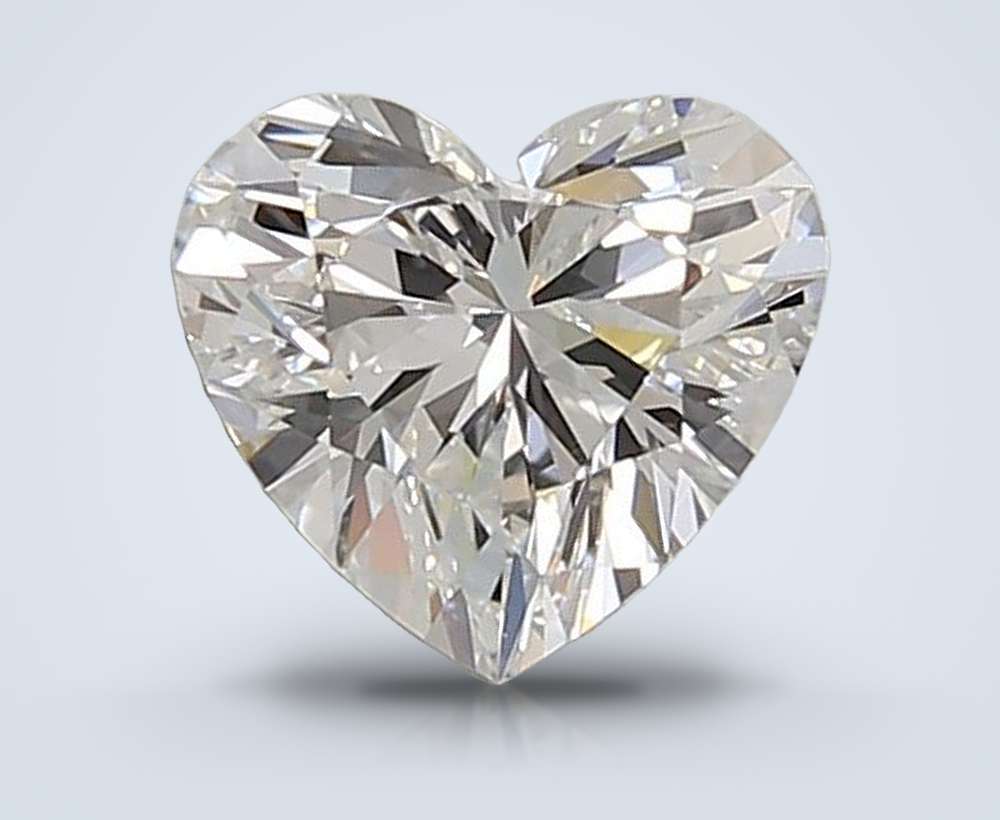
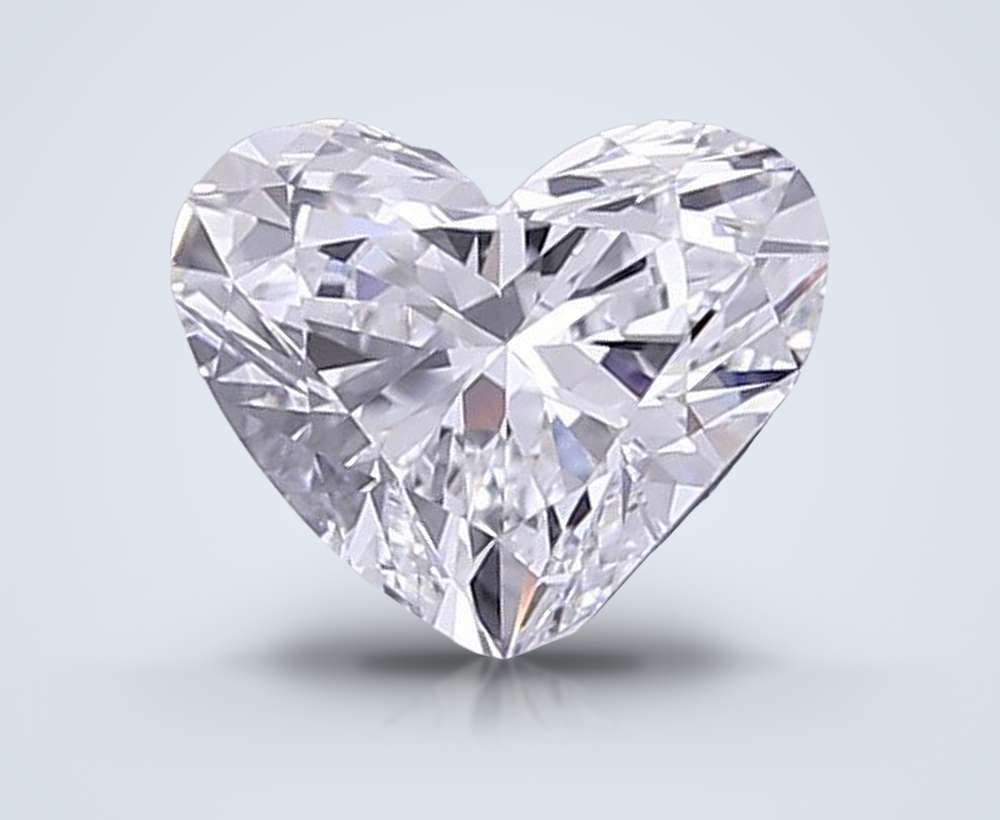
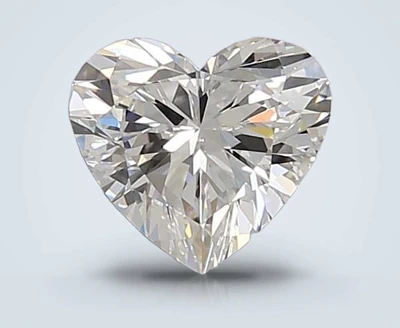
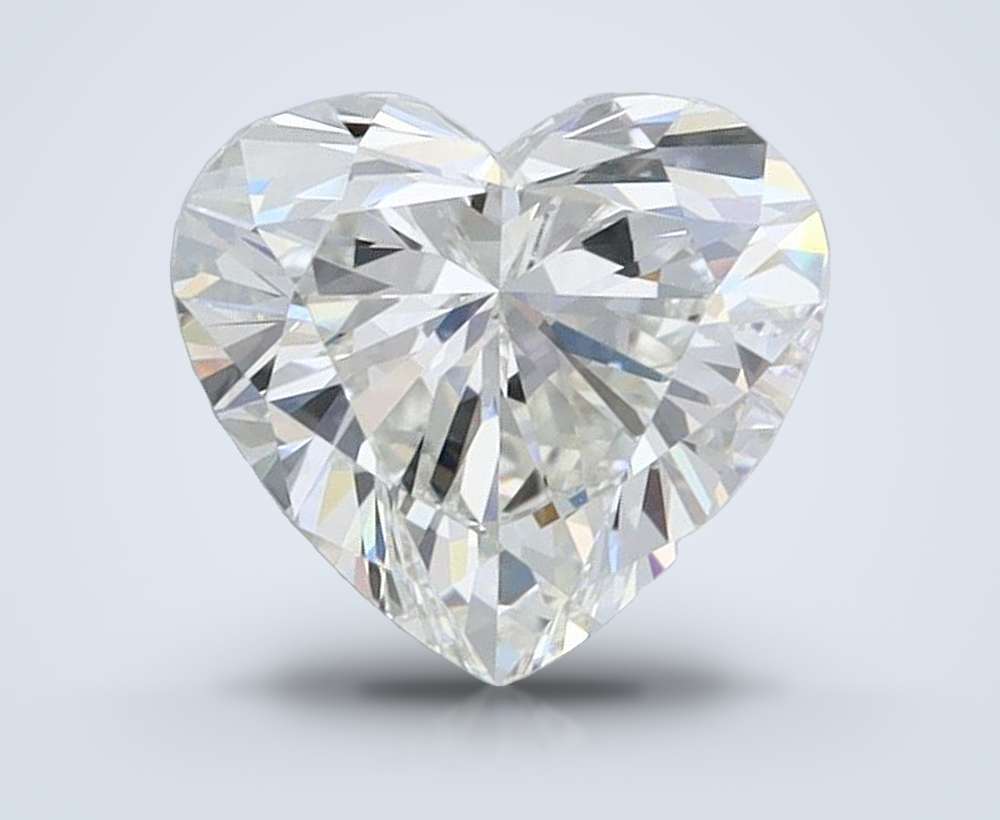
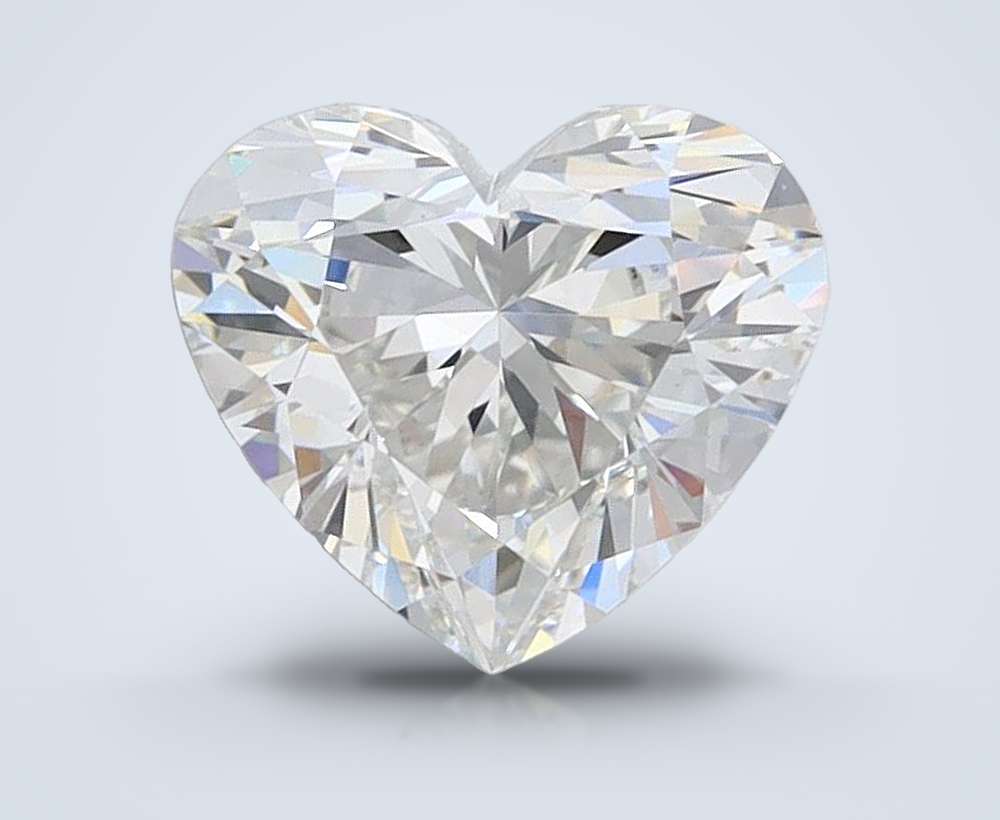
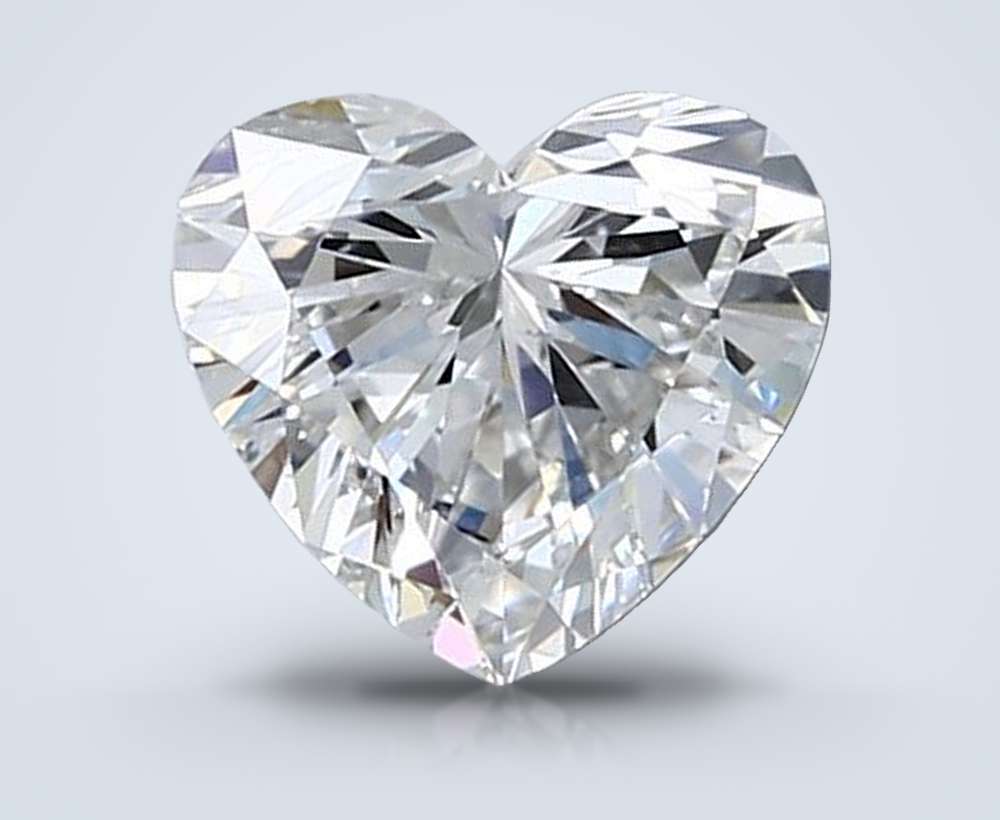
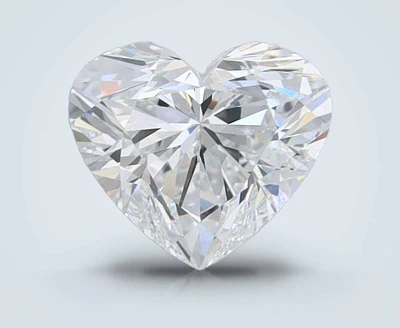
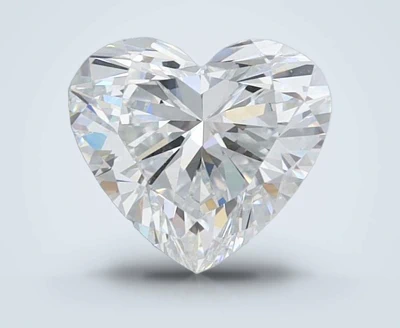
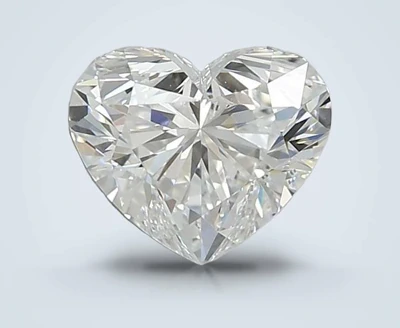
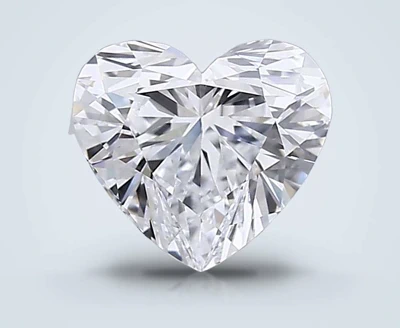
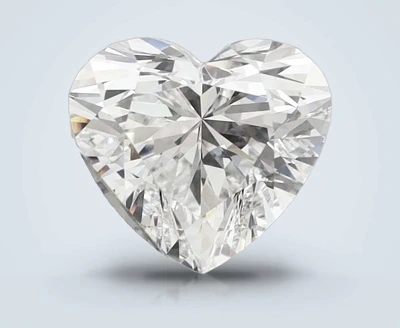
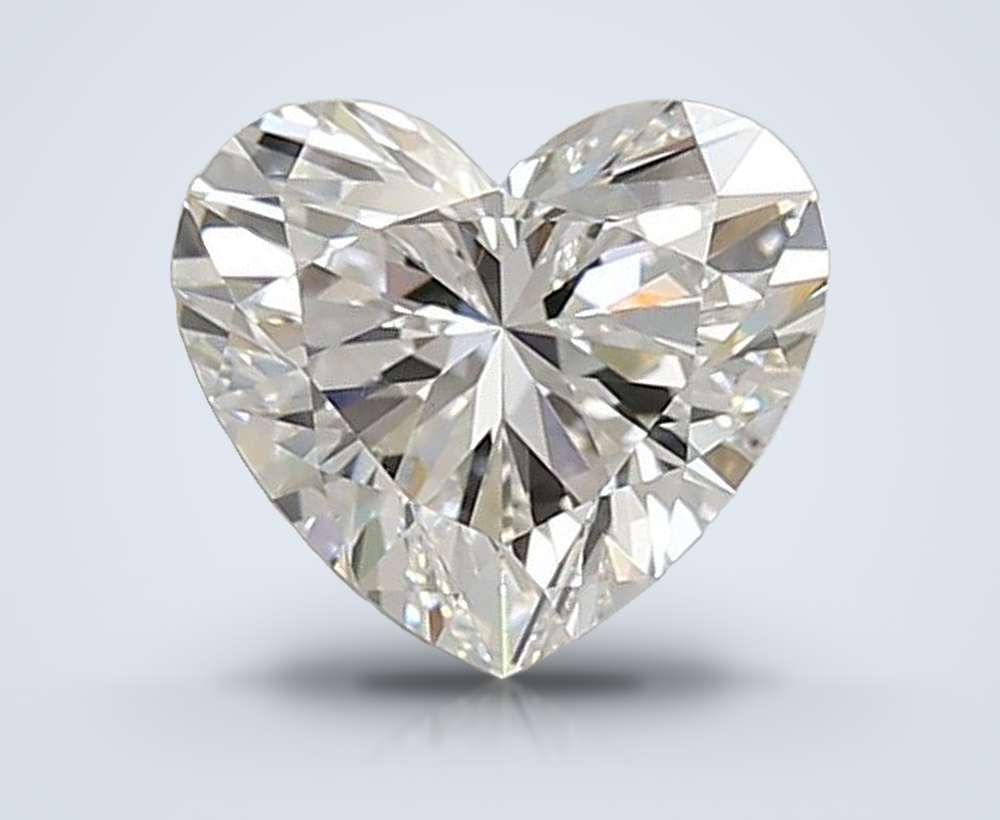
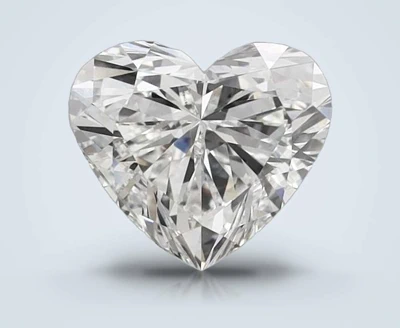
This shape is judged on balance more than on any single grade. The two lobes should be the same size and height, the cleft between them should be clean and centered, and the point should line up with the middle of that cleft. If one lobe is fuller, the stone looks lopsided on the hand even when its report reads well.
GIA does not give fancy shapes a single cut grade, so you judge the heart by eye. Rare Carat shows its diamonds on 360 degree video, which is the easiest way to see whether the lobes match and whether a dark bow tie dulls the middle before you commit.
What size heart shaped lab grown diamond should you buy?
Aim for about 1 carat or more if a lab grown heart diamond is the center of a ring. At that weight the lobes and cleft are wide enough to read clearly, and the outline survives the metal that holds it; smaller hearts can start to look like a soft triangle. Lab pricing makes the larger size easier to reach, since a lab diamond costs far less than a mined one of equal size and grade.
You can compare 1 carat lab grown hearts, or weigh the mined route with natural heart shaped diamonds, which keep more of their value if you ever sell.
Settings that shield a heart's edges
The tip is the most delicate part, so it should sit inside a V prong that wraps around it. A prong at each lobe plus the V at the bottom is a common way to hold the stone while keeping its shape visible. A bezel goes further, wrapping the whole edge in a thin rim of metal; it is the most protective option and suits hands that knock into things, though it lets in slightly less light.
A heart in a ring or a pendant?
Both work, and the choice shifts what you should prioritize. On a ring, the heart sits close to your eye, so symmetry and clarity get noticed. In a pendant, the stone hangs from a bail and is seen from farther away, so outline and sparkle matter more than a tiny inclusion.
Leaning toward a necklace? A loose heart can go into one of the solitaire pendant settings. For a ring, start with heart lab grown engagement rings and picture your stone in place.