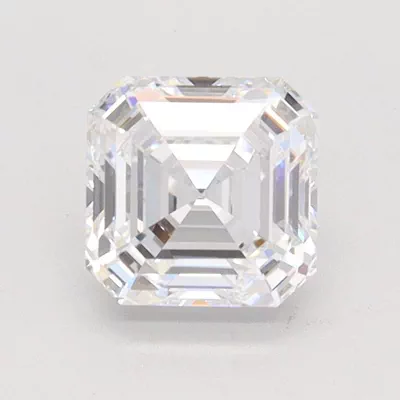
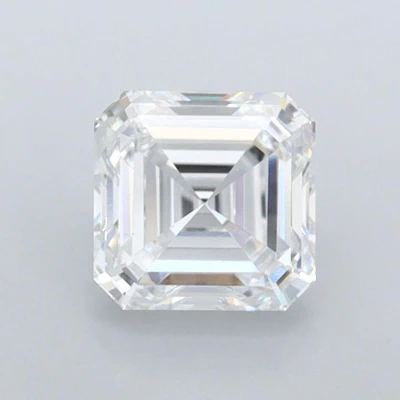
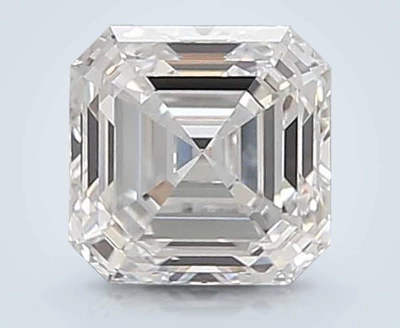
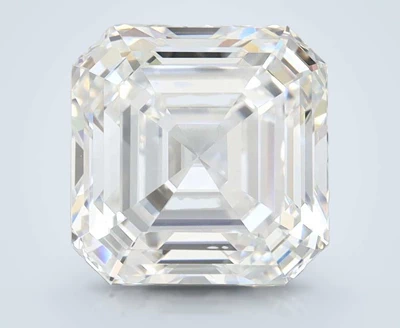
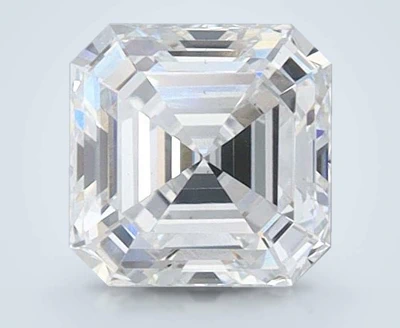
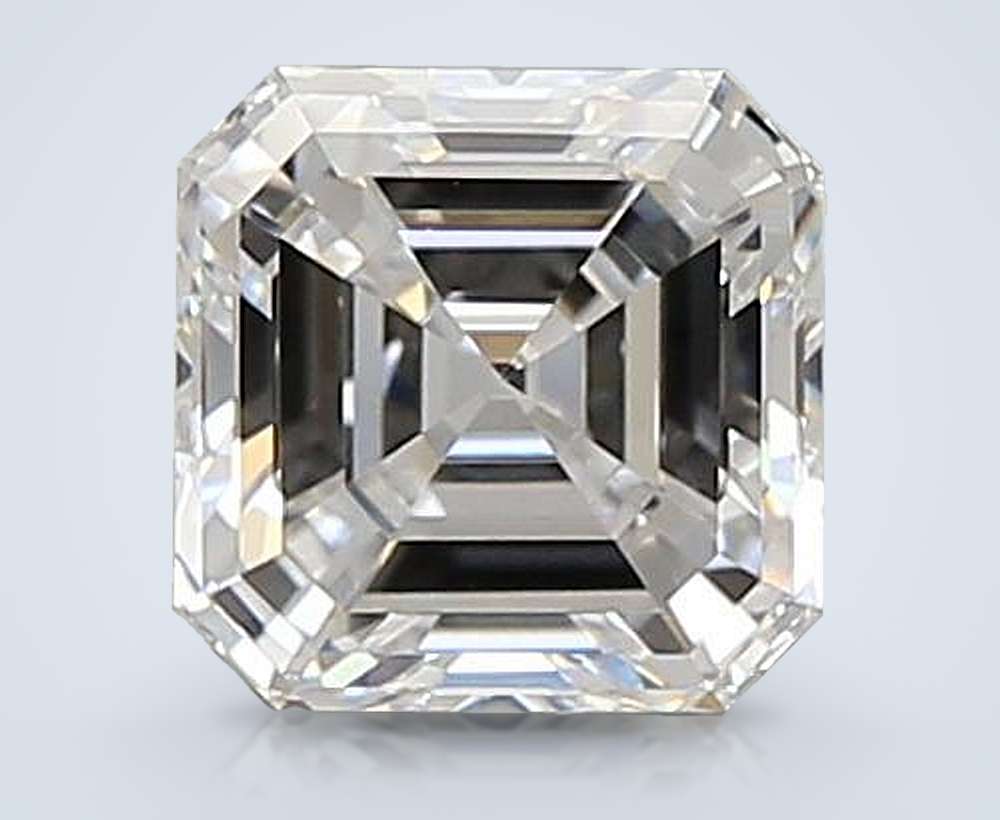
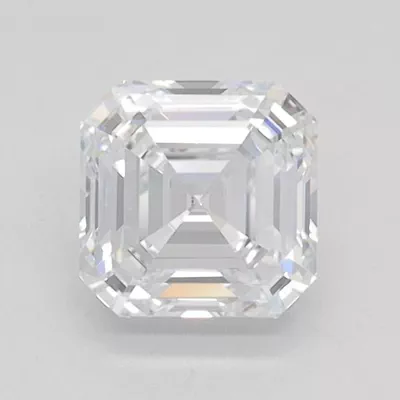
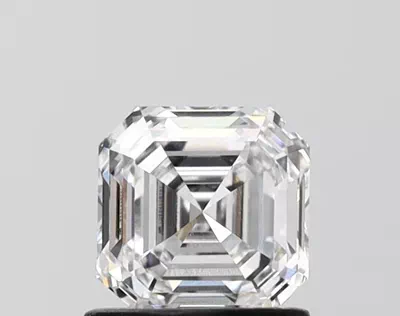
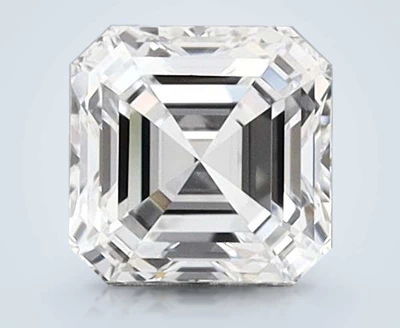
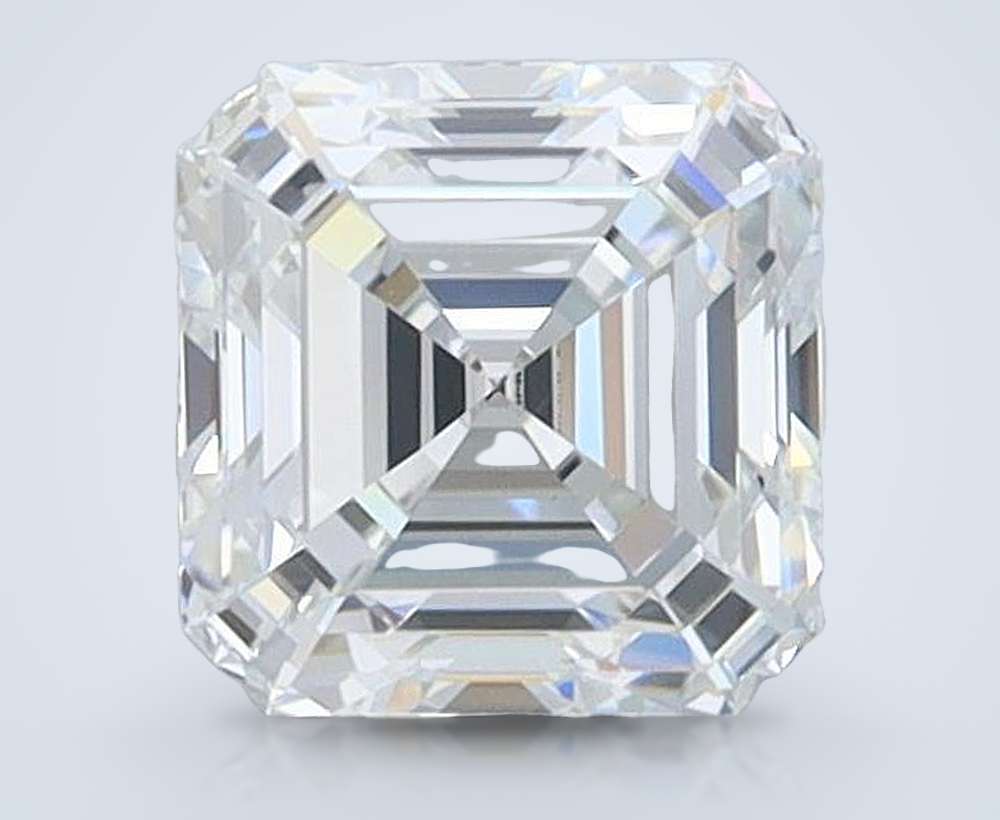
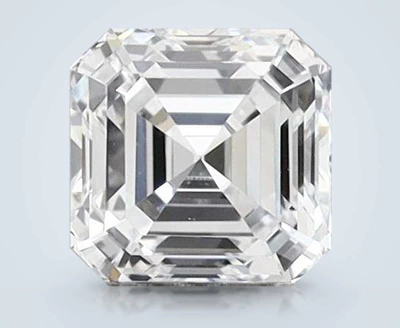
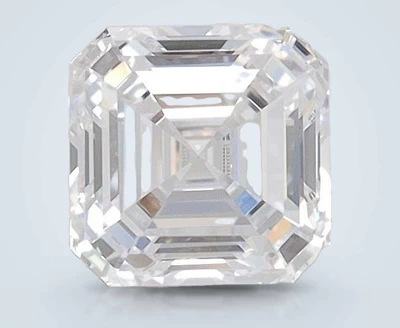
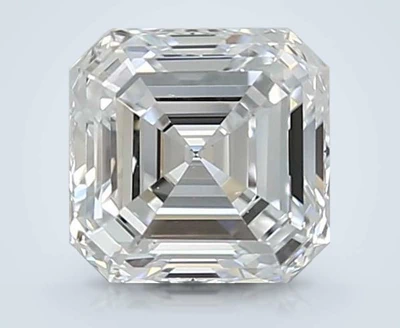
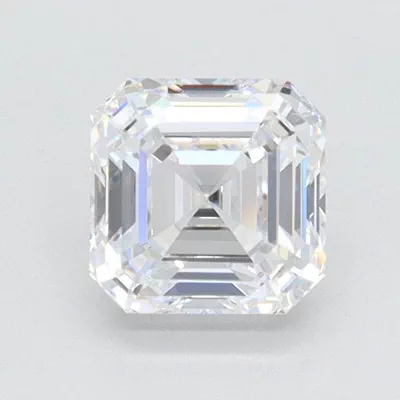
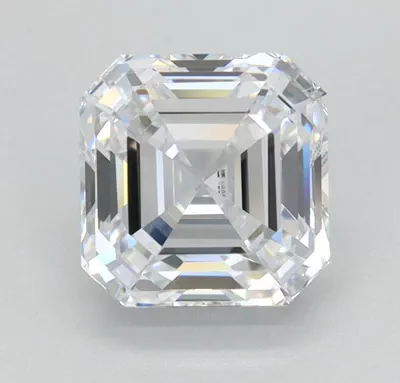
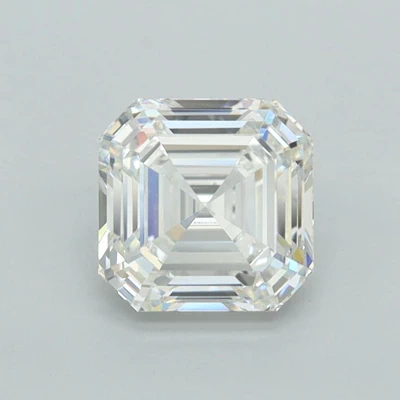
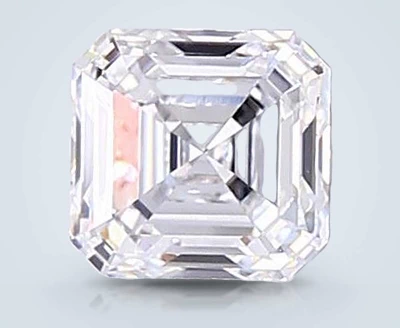
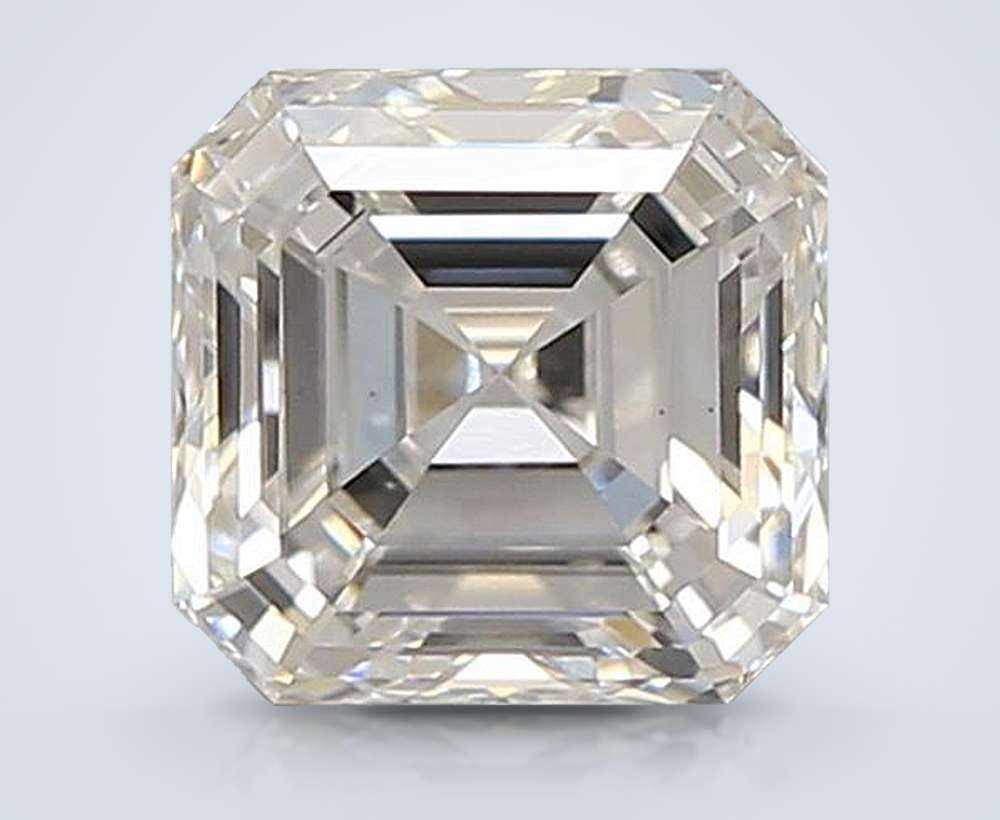
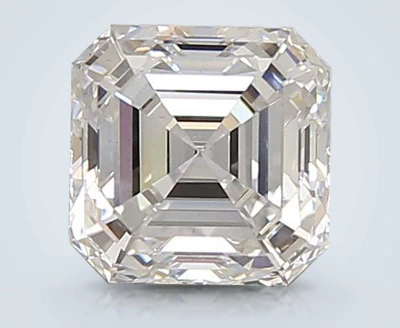
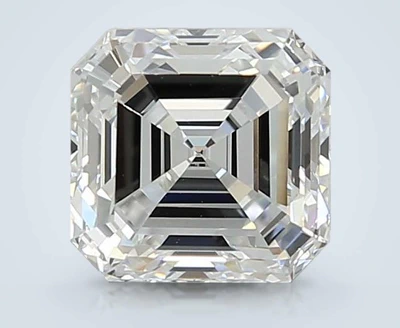
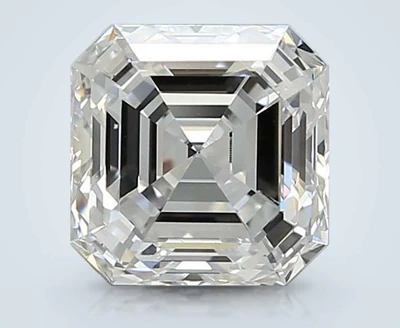
What does the asscher shape look like?
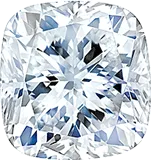
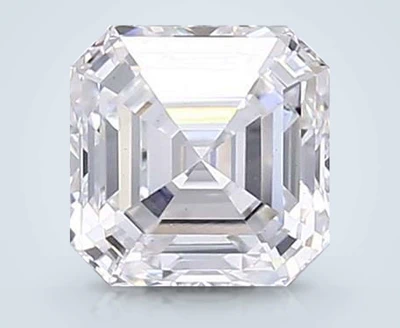
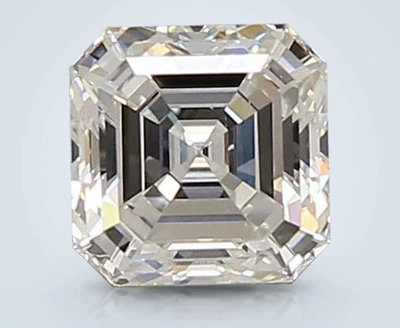
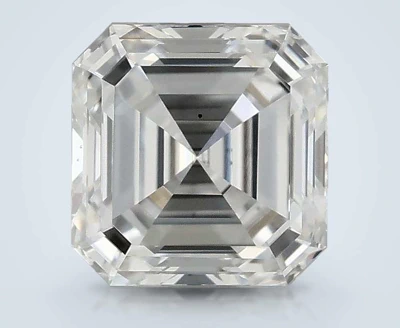
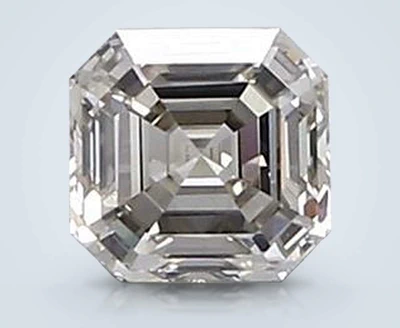
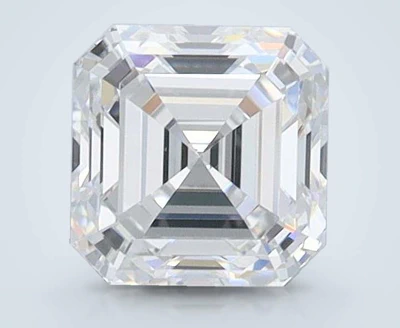
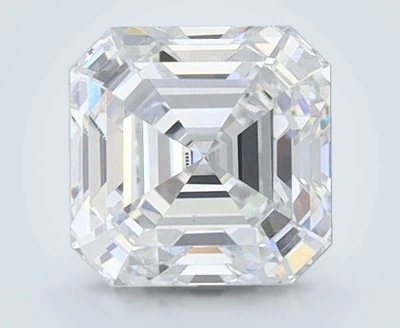
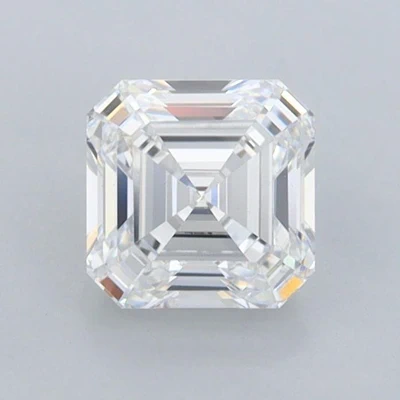
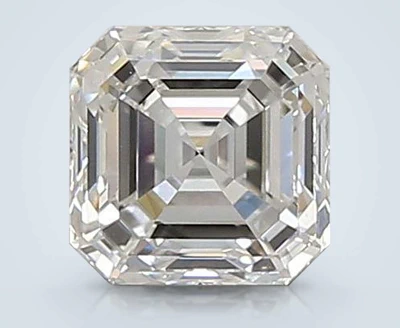
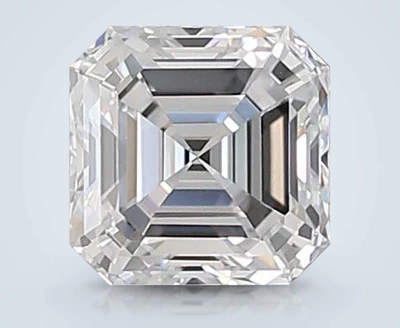
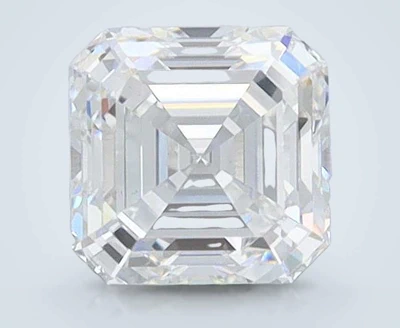
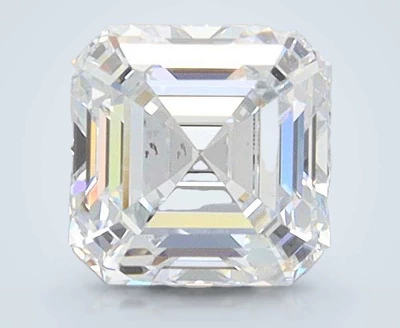
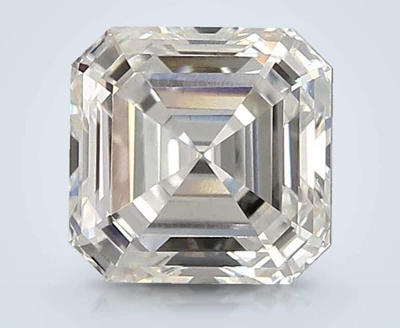
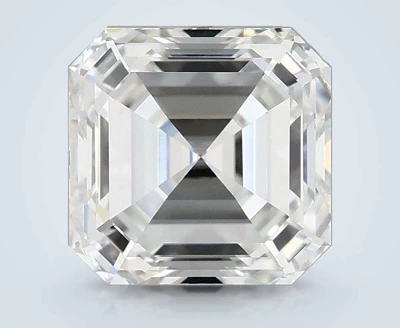
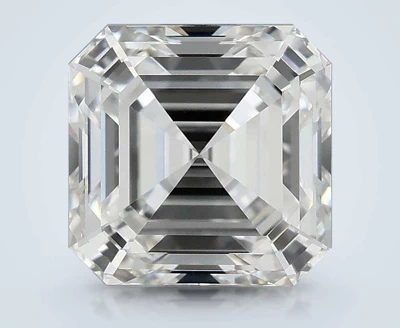
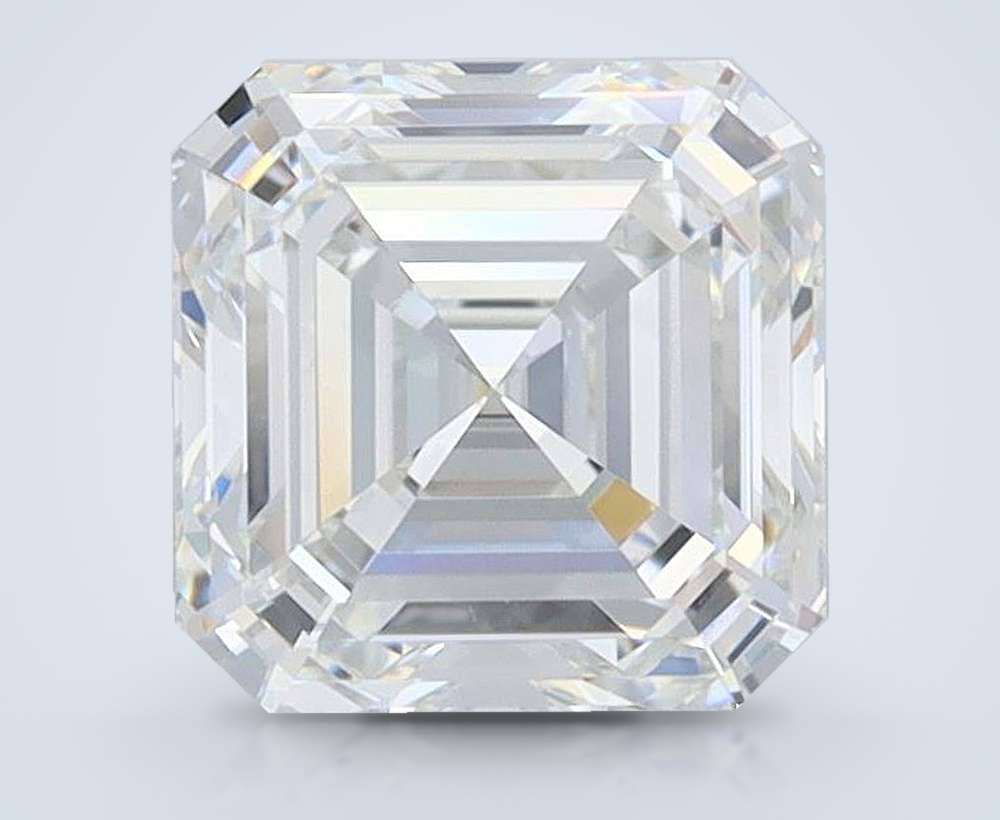
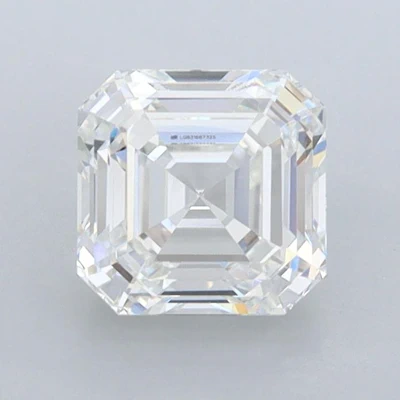
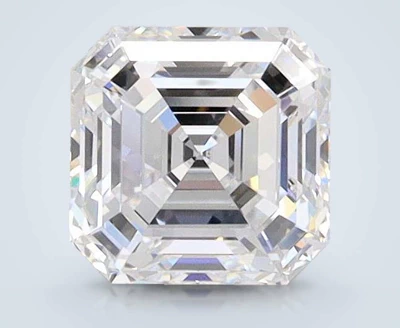
Picture nested squares stepping down toward the center, with the corners clipped so the outline is close to an octagon. Light travels through those long facets in wide flashes, and the cropped corners draw the windmill pattern people recognize from across a table.
Grown in a lab by CVD or HPHT, the stone is the same crystallized carbon as a mined asscher, with identical hardness and brilliance. Your eye cannot separate the two; a gem lab instrument can. A lab grown asscher diamond will usually arrive with an IGI grading report.
Choosing an asscher cut lab grown diamond for clarity
Put clarity first, because the open facets of a step cut give inclusions very little cover. In a round, a VS2 or even an SI1 can look clean to the eye. In this cut, a small crystal or feather near the center has nowhere to hide, so VS1 or VS2 is the safer floor. Play the 360 degree video and look straight down through the table for anything dark.
Color shows more in a square step cut diamond as well. A colorless stone or a high near colorless grade such as G keeps the flashes crisp, especially if the ring will be white gold or platinum.
Does an asscher face up smaller than a round?
Yes, this shape looks smaller from above than a round of the same carat weight. A well cut 1 carat round is about 6.4 mm across; at matching weight, this shape reads more compact on the finger. Buying lab grown makes up the difference, because lab diamonds cost far less than natural ones of the same size and grade, so many shoppers move up in weight without giving up clarity.
If resale value matters more to you than size, compare natural asscher cut diamonds, which hold their value better over time.
Settings that suit a square step cut
Four prongs placed at the cropped corners show the most of the outline and keep the windmill in view. A bezel wraps the edge in metal for the most protection, at the cost of a little light. The asscher has an old world character, so milgrain edges, filigree and engraving sit naturally with it; browse vintage inspired engagement settings, or see finished asscher lab grown engagement rings to picture the pairing.