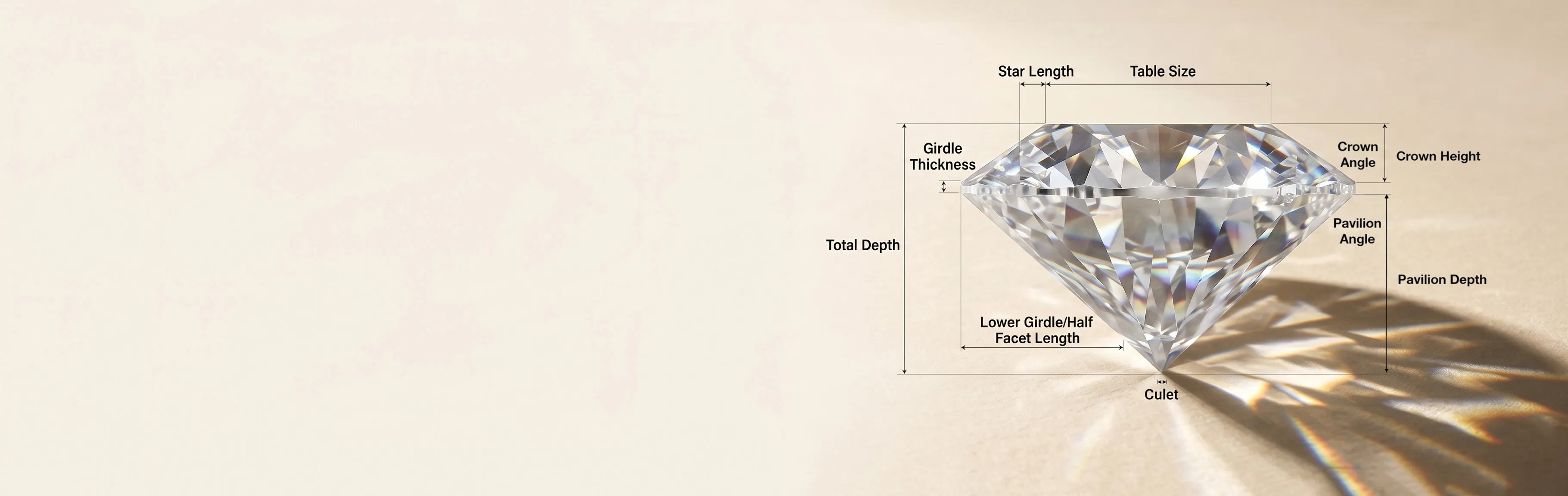
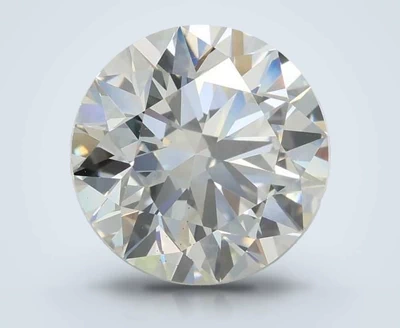
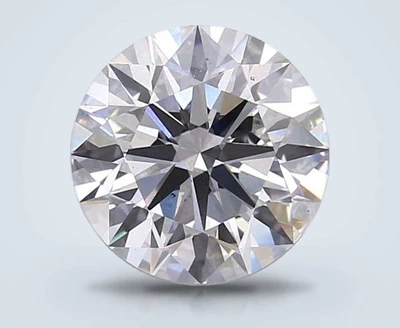
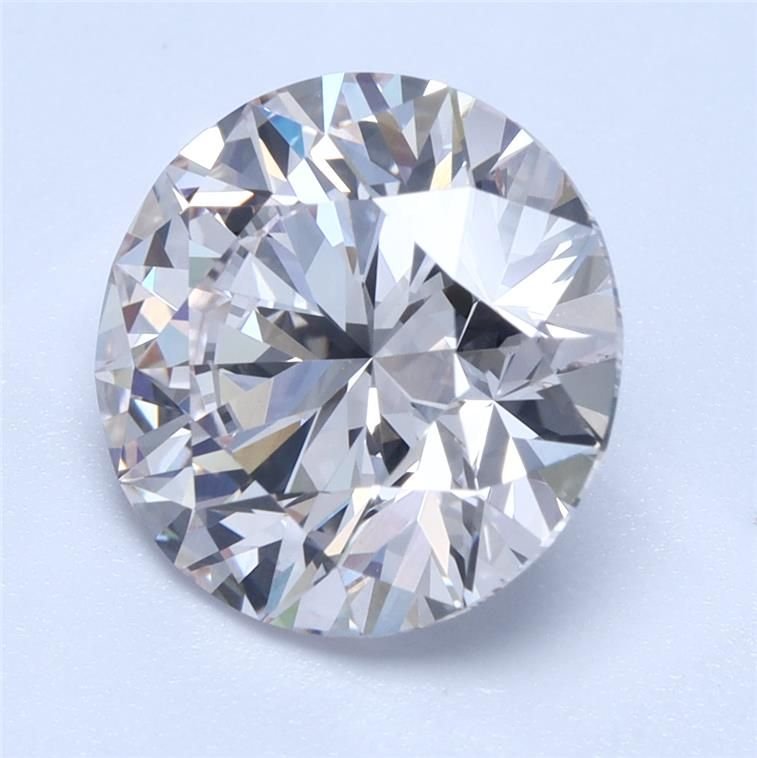
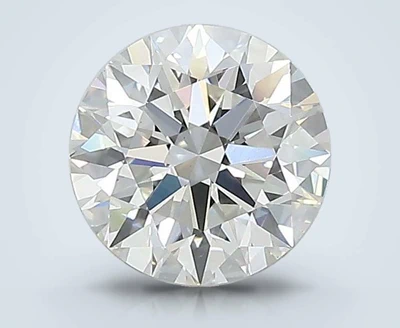
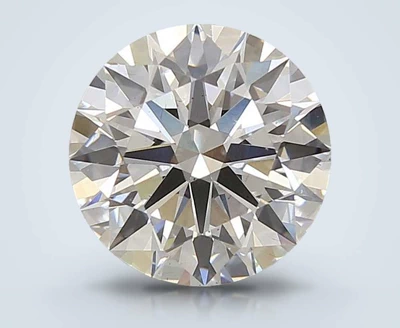
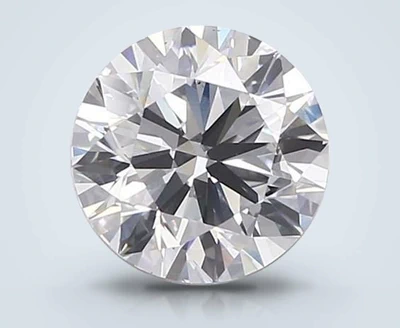
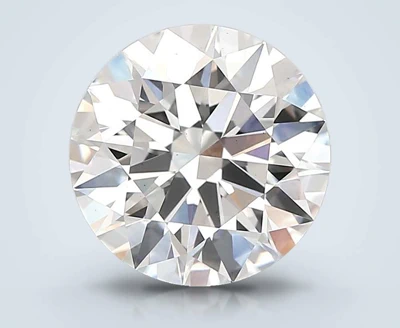
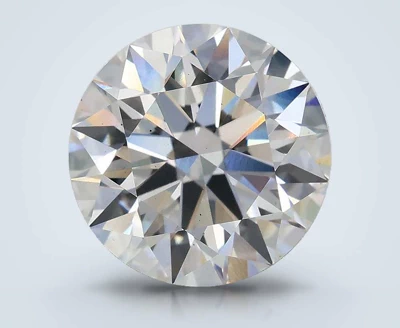
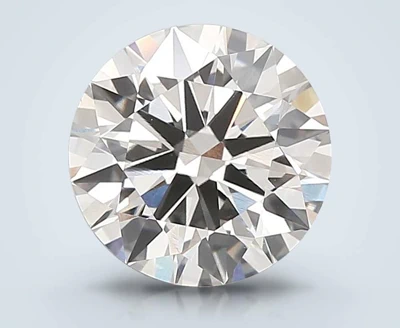
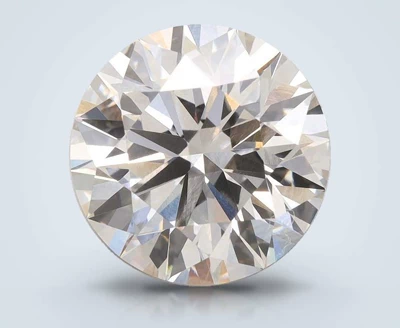
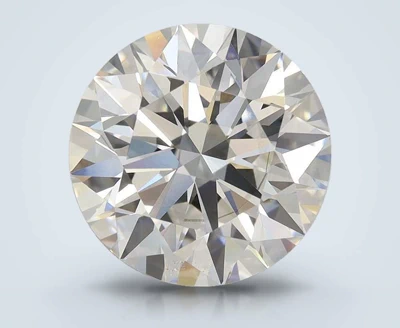
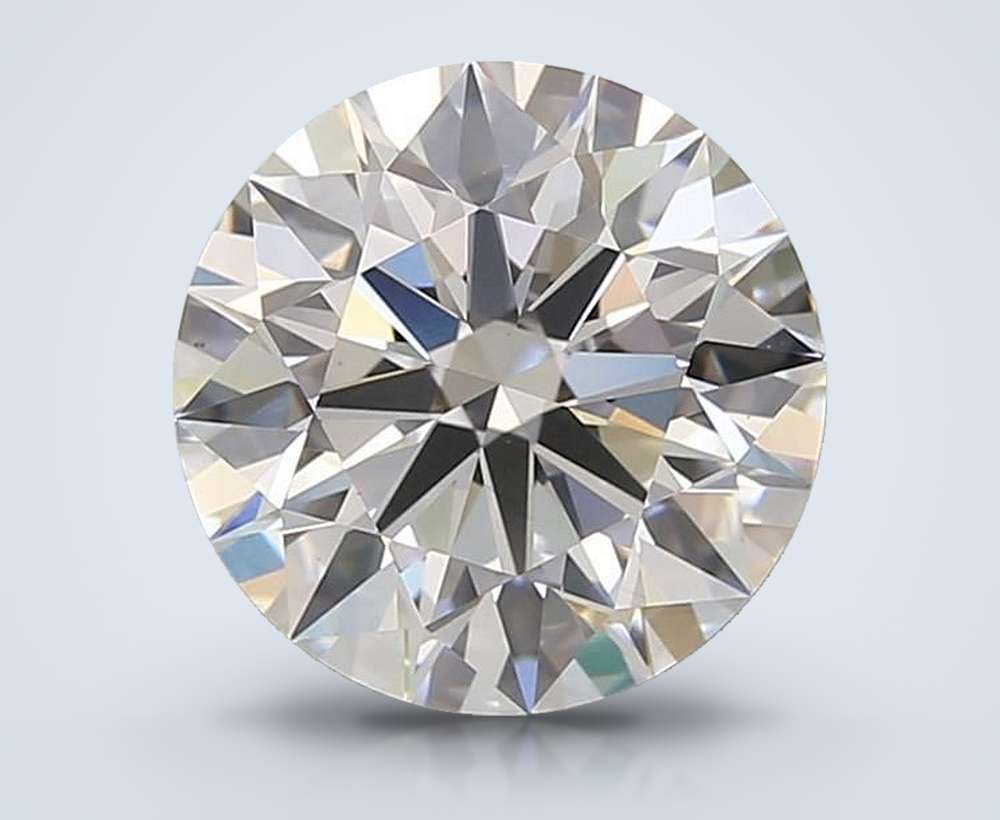
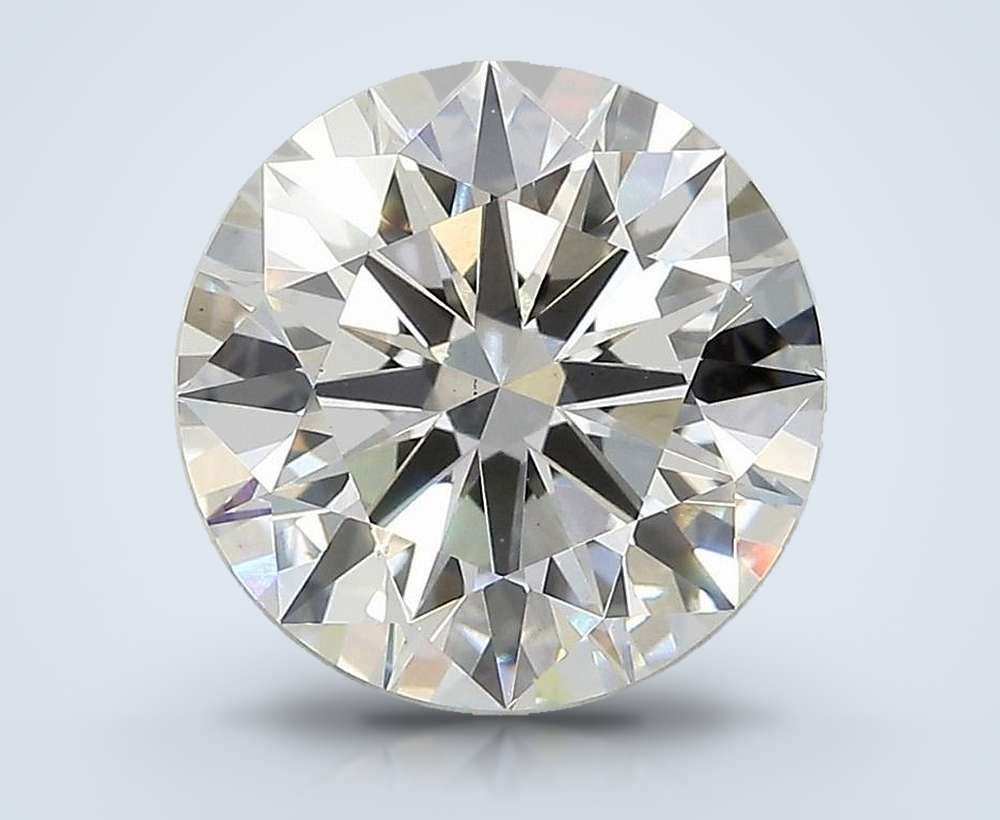
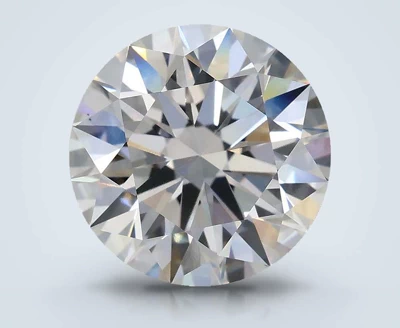
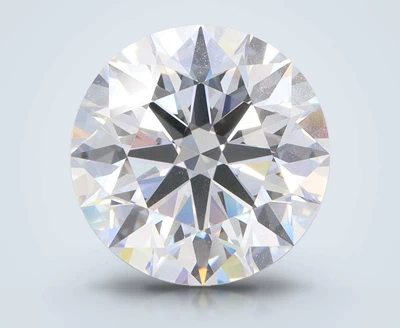
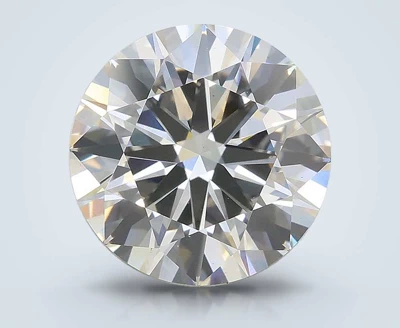
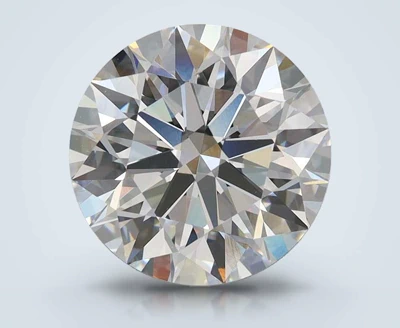
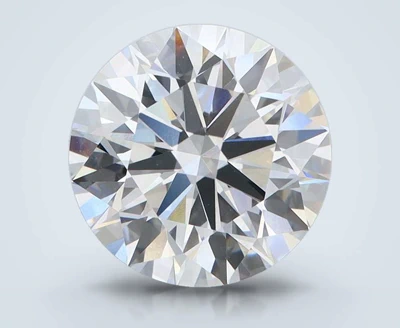
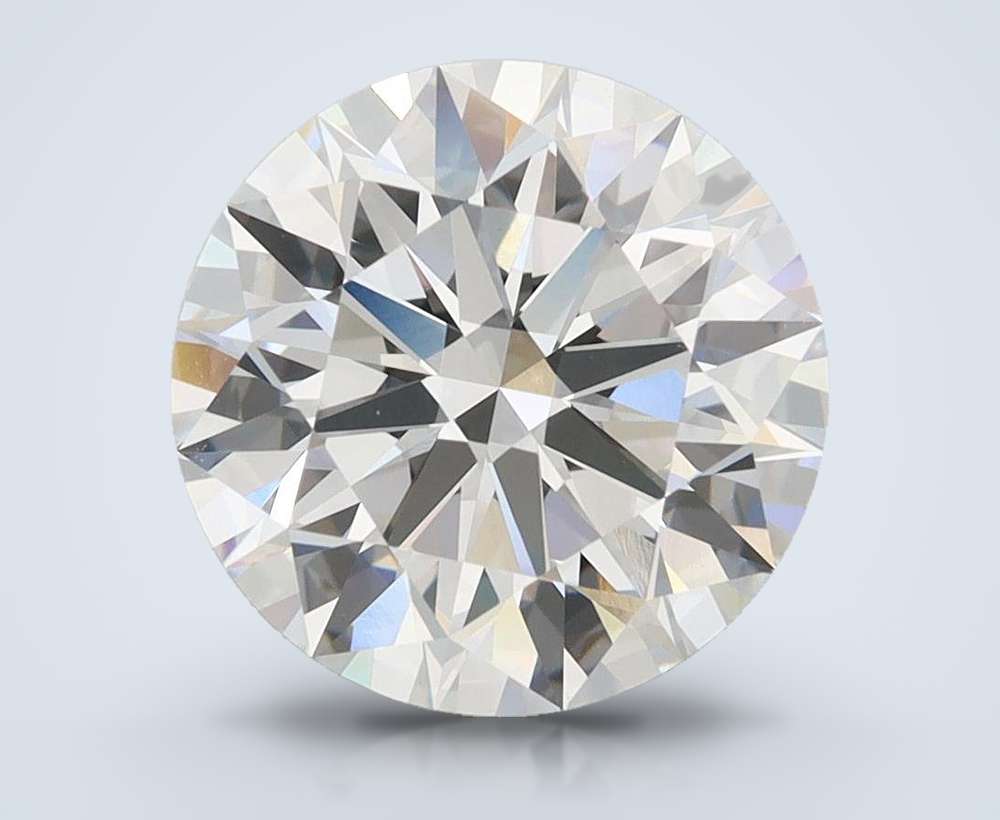
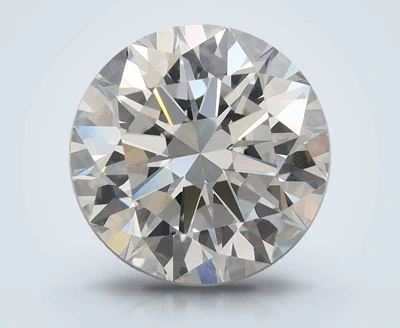
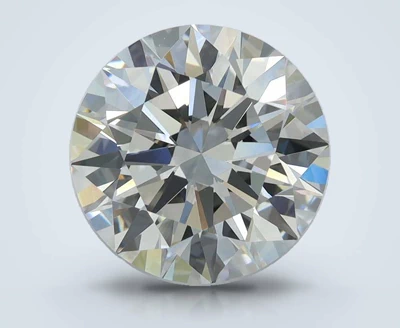
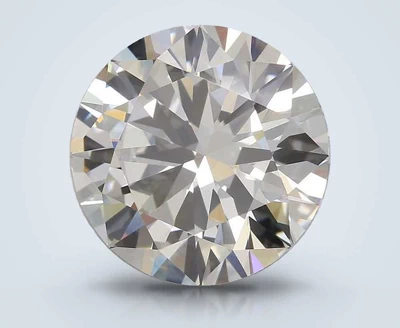
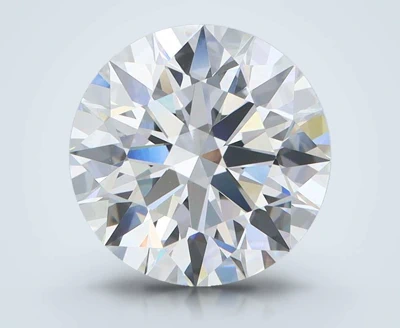
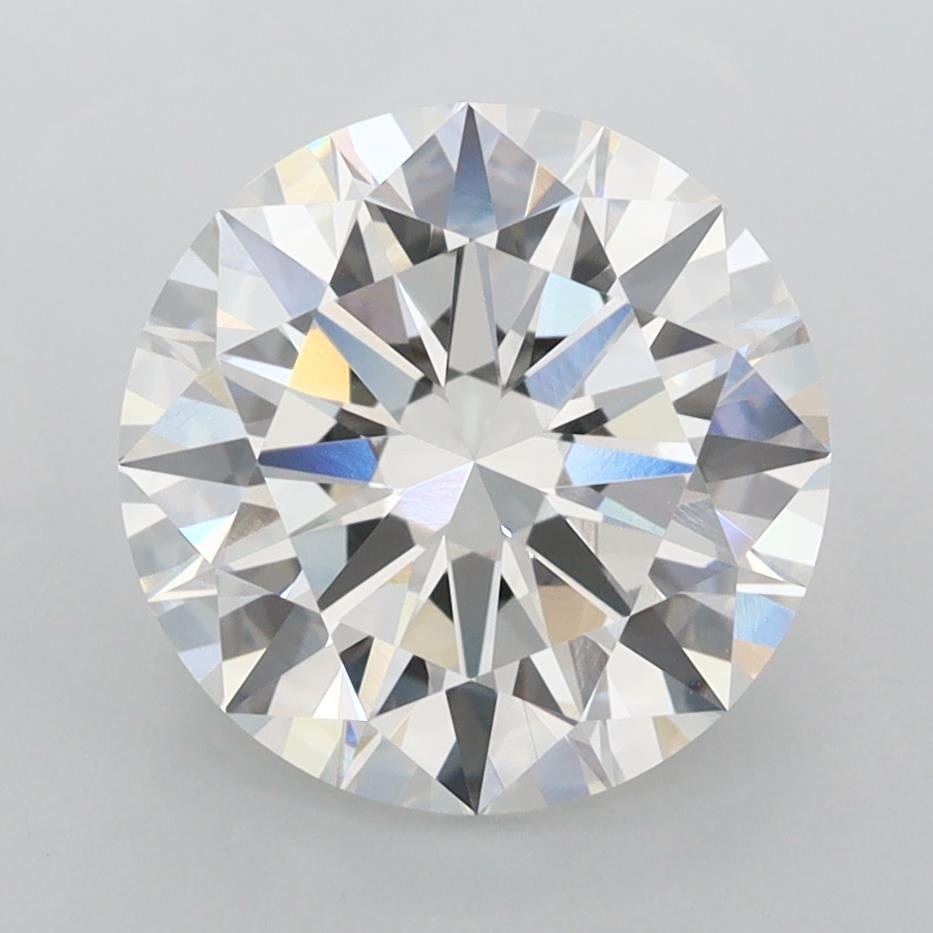
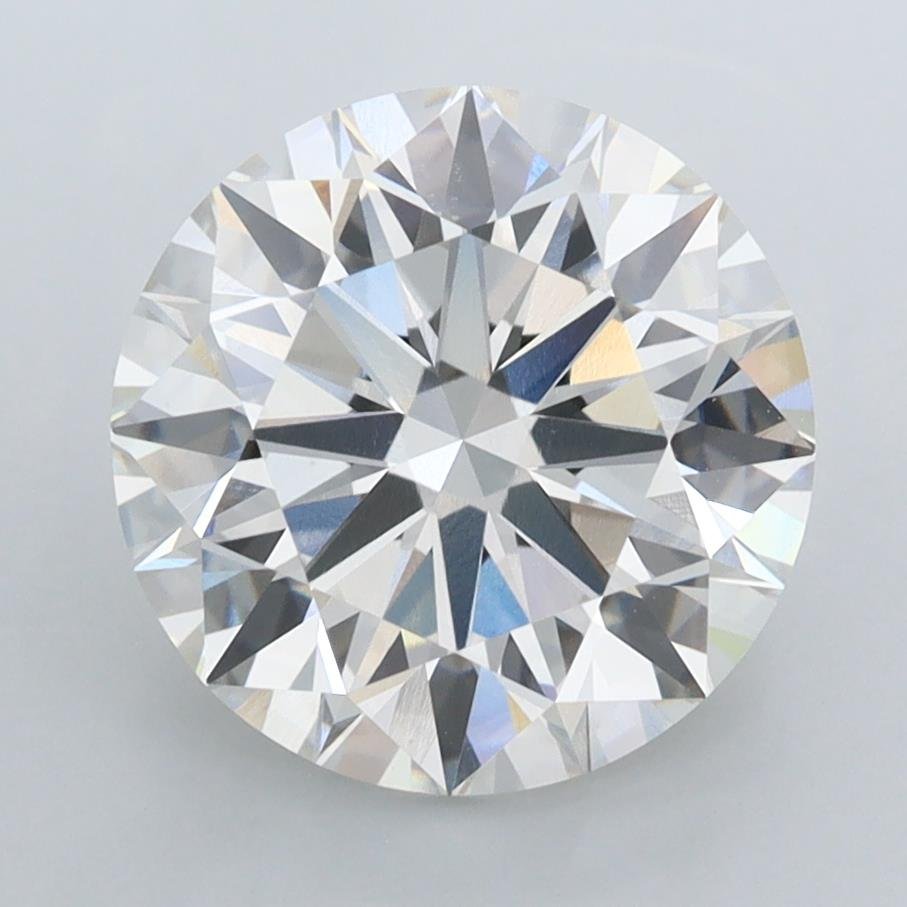
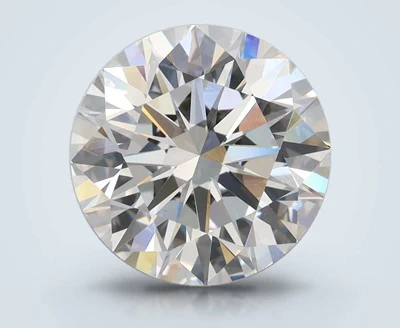
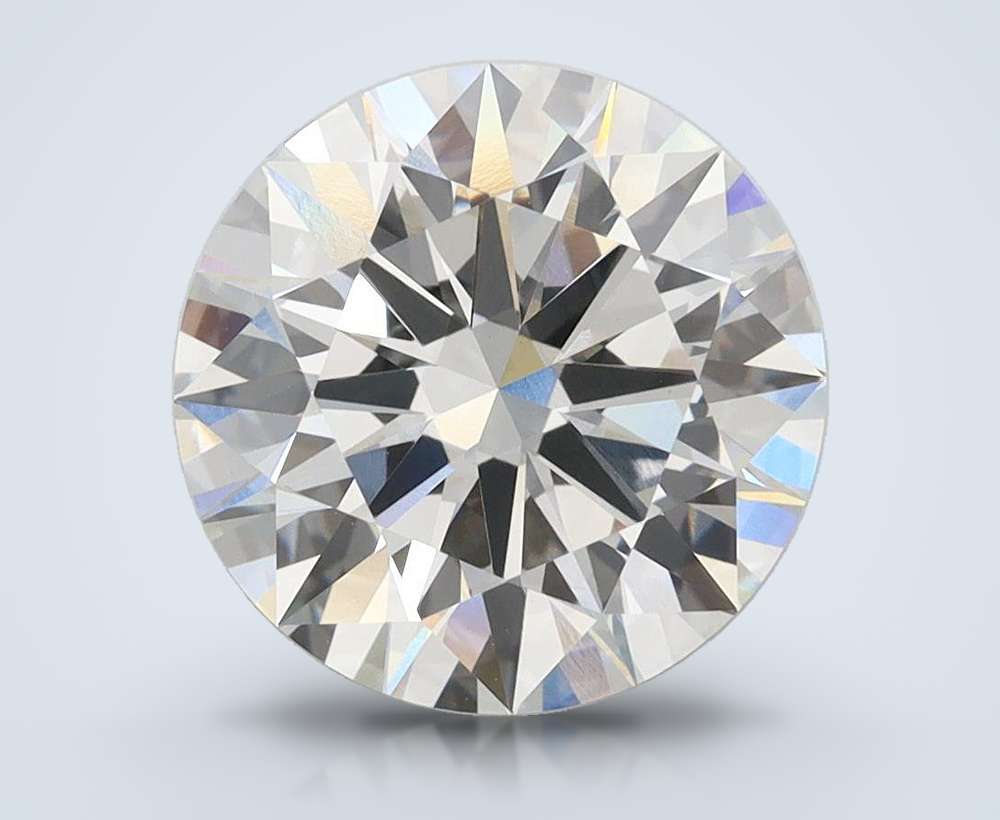
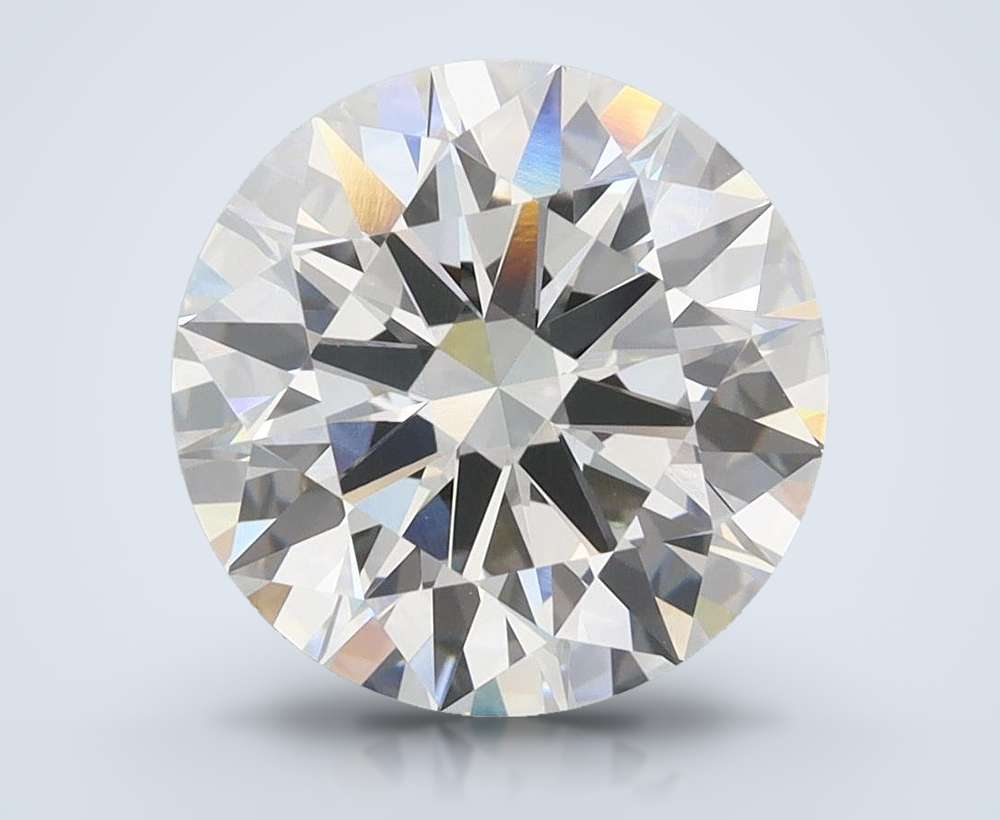
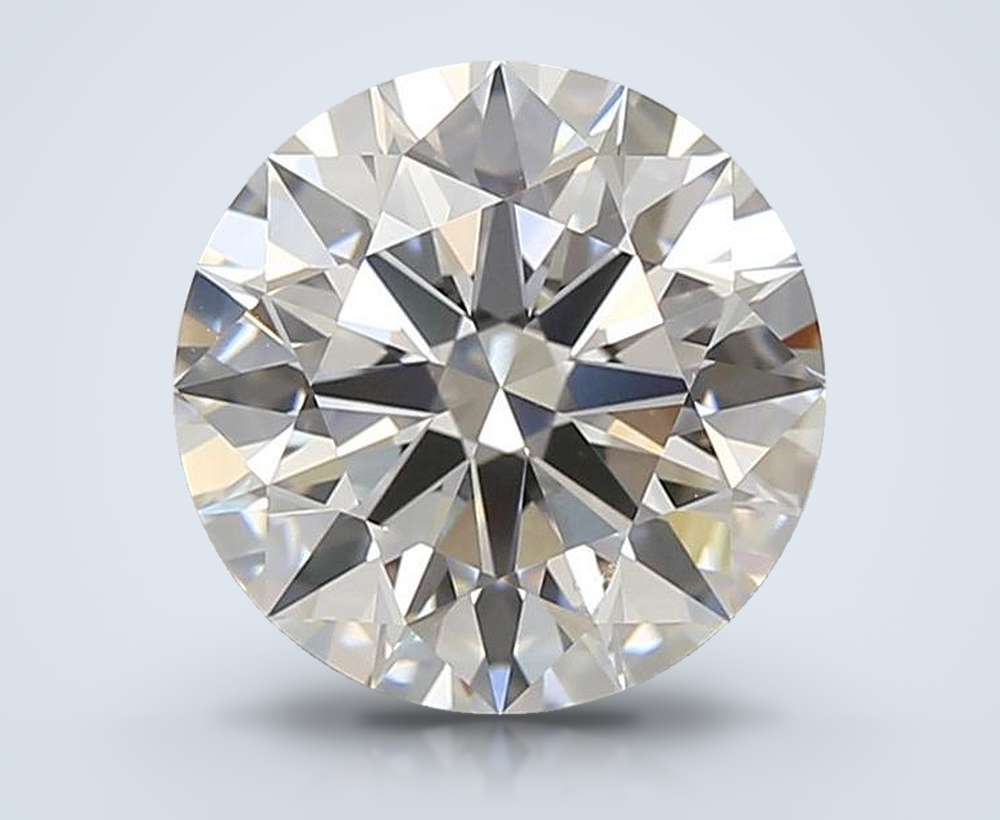
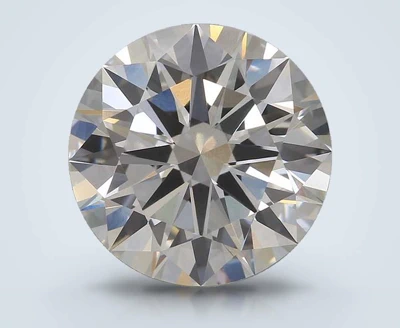
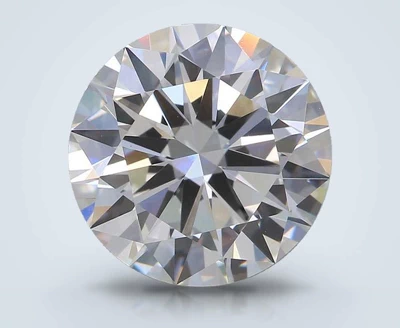
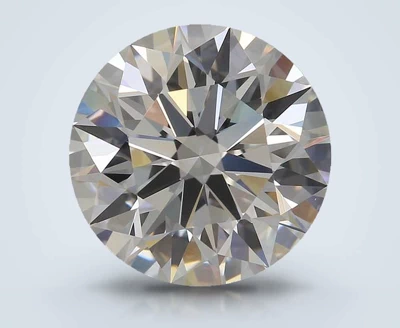
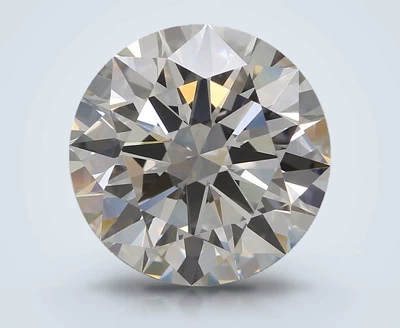
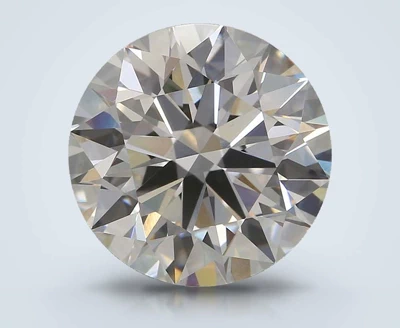
Nearly a centimeter across
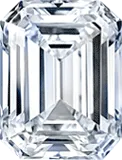
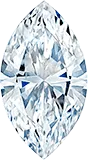
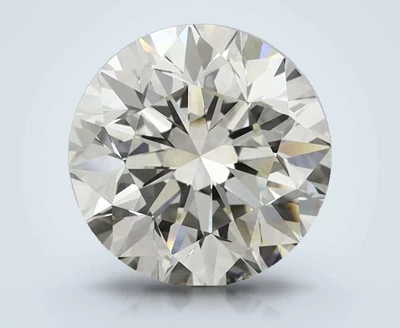
A round of this weight measures about 9.8 mm, half a millimeter wider than a 3 carat at about 9.3 mm and a little under the 10.2 mm of a 4 carat. A three and a half carat diamond covers a large share of the finger's width, so the shape you choose changes the effect a lot. An elongated oval or emerald runs along the finger and slims it, while a round or cushion sits wide and full.
If you are deciding between this and the next size up, 4 carat lab grown diamonds show how little extra width another half carat buys.
What drives a 3.5 carat lab grown diamond price?
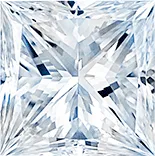
Cut, color, clarity and shape matter more than the weight alone once you reach this size. Rounds cost the most per carat of the common shapes and princess cuts often cost less, so shape is the first lever.
Then come the grades. Each step in color or clarity moves the price, and at three and a half carats you are more likely to see those differences on the hand as well as on the report. Lab grown keeps all of it manageable, because a lab diamond costs far less than a natural one with matching size and grades.
Color and clarity at three and a half carats
Settle color first. A large stone shows warmth more, and white gold and platinum show it more than yellow or rose gold. If you love a bright white metal, aim for the colorless D to F range; if you prefer yellow gold, a near colorless stone in the H or I range will look crisp against it.
For clarity, look for a 3.5 ct lab diamond that is eye clean on video rather than chasing a particular grade, since inclusions are easier to spot on a bigger table. In step cuts, start at VS1.
A setting with the strength for a big stone
Six prongs or a bezel keep a stone of this weight secure. A platinum solitaire setting adds density and strength, and platinum develops a soft patina instead of losing metal when it scratches. If you would rather own a mined stone, natural 3.5 carat round diamonds cost more but hold value better on resale.