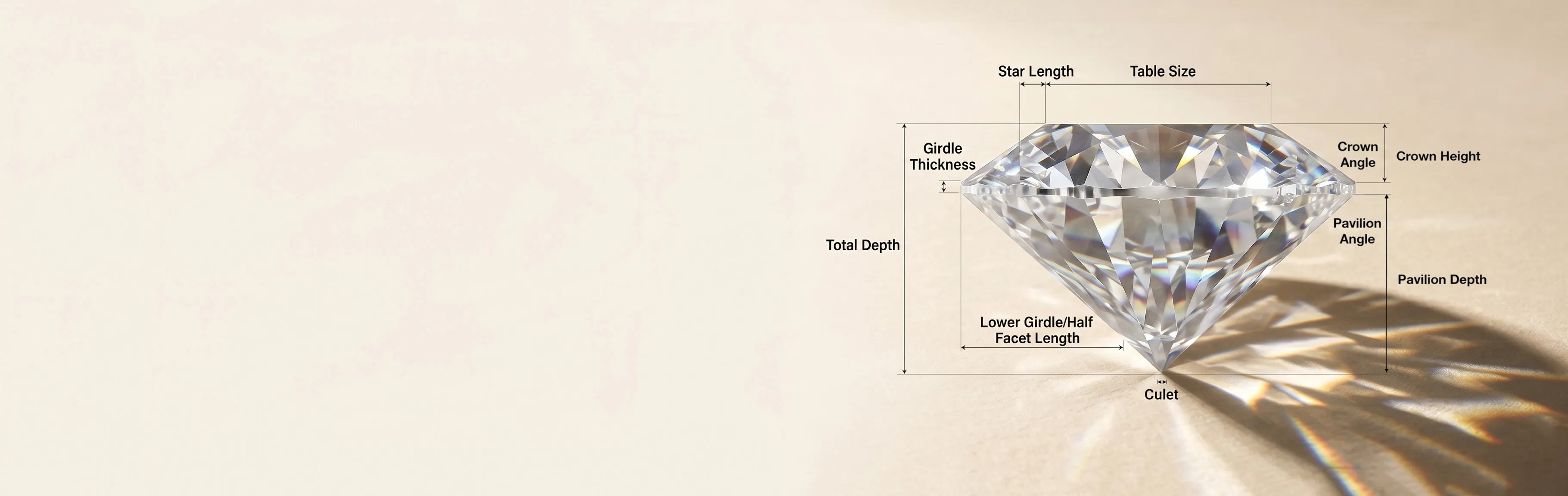
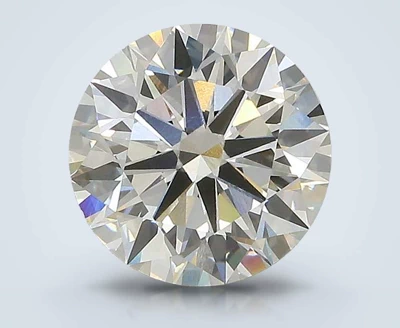
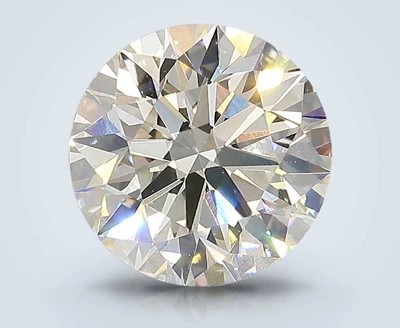
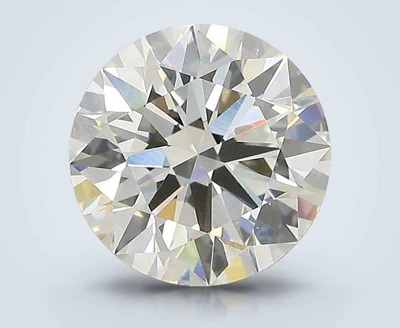
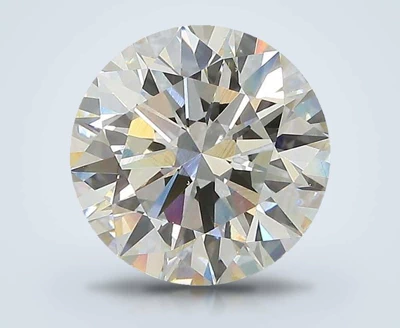
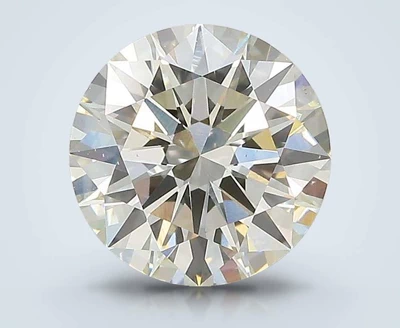
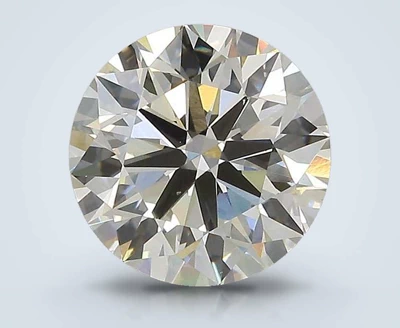
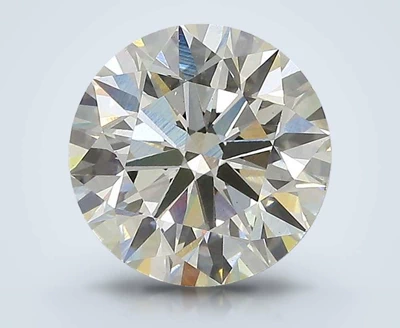
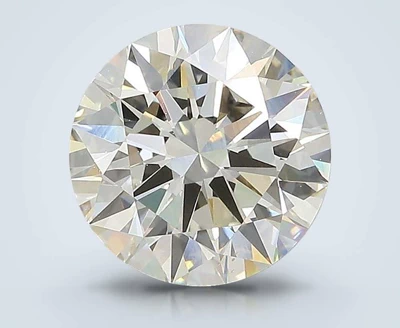
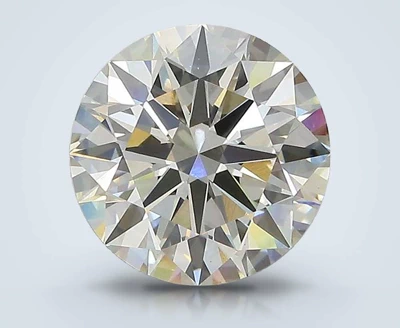
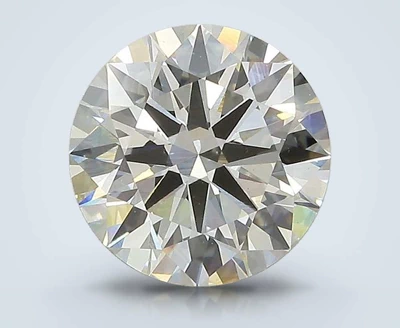
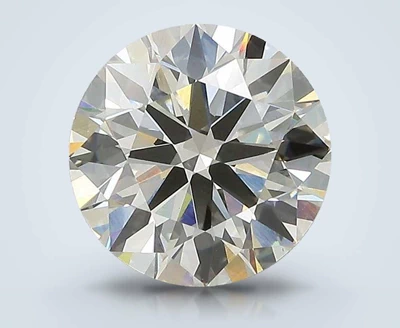
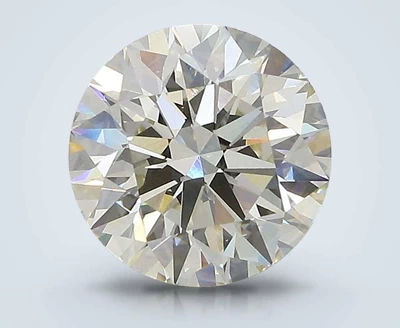
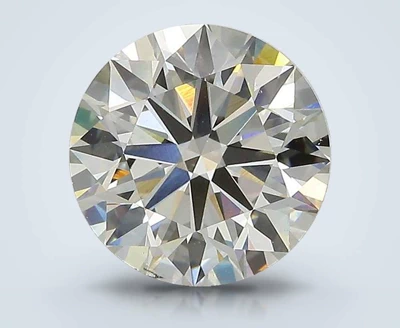
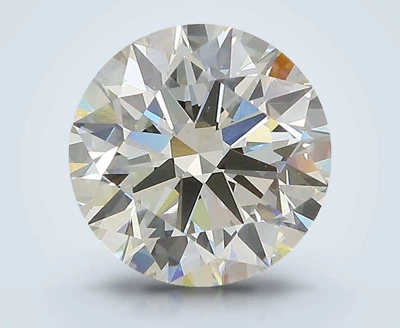
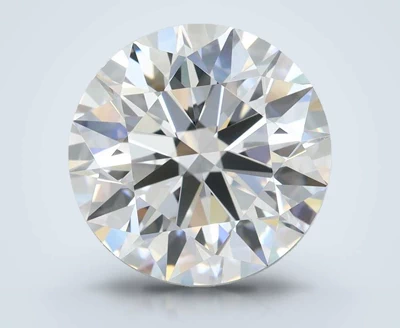
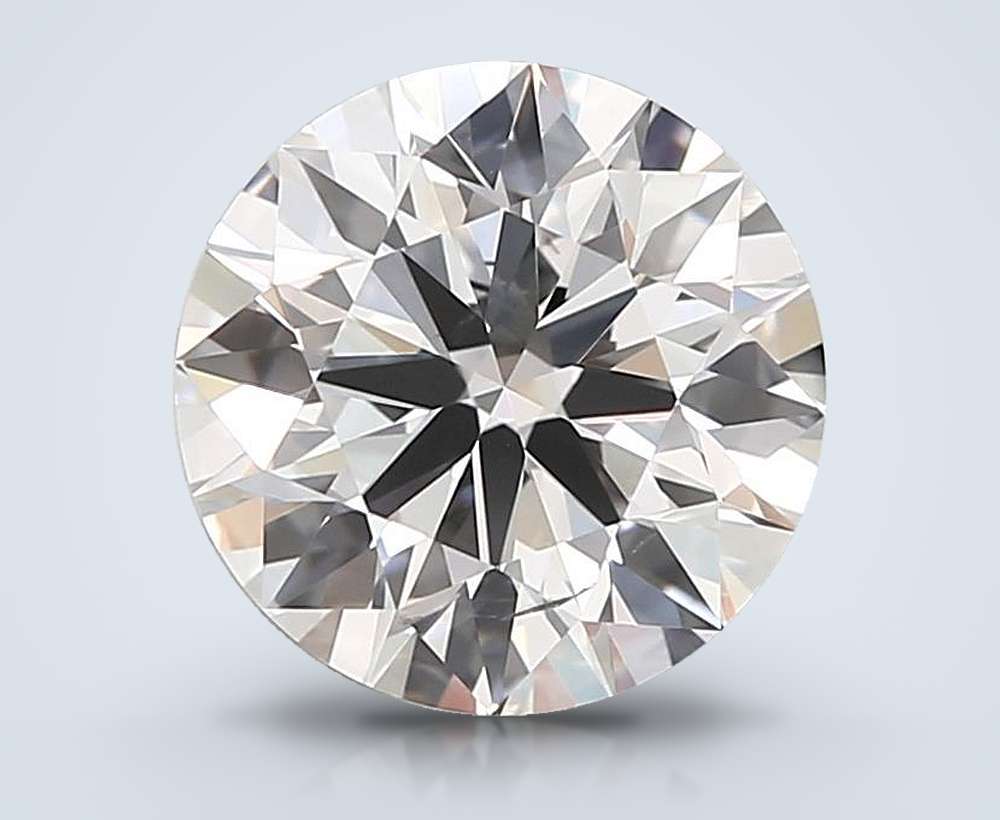
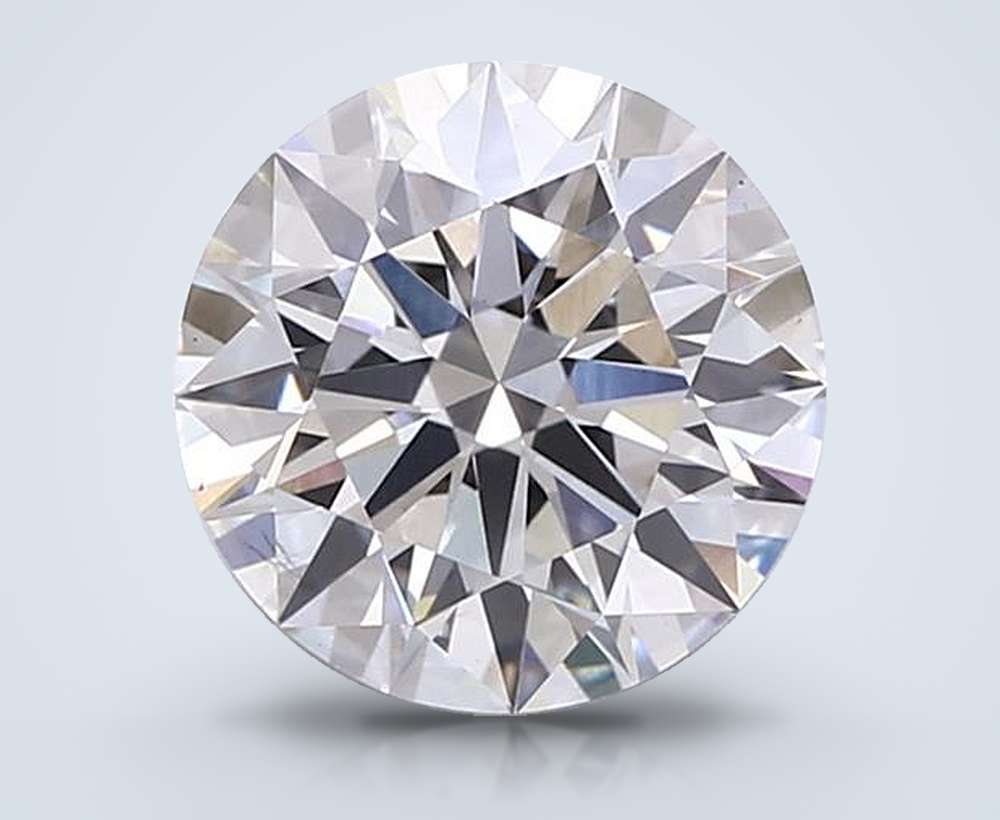
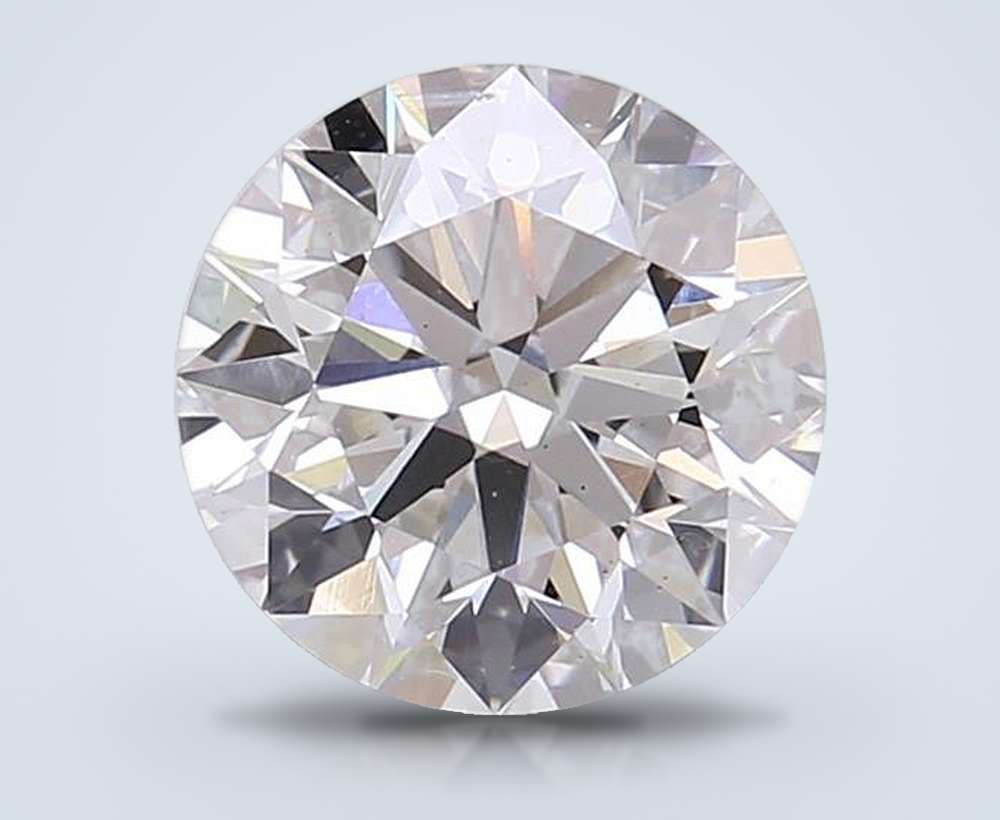
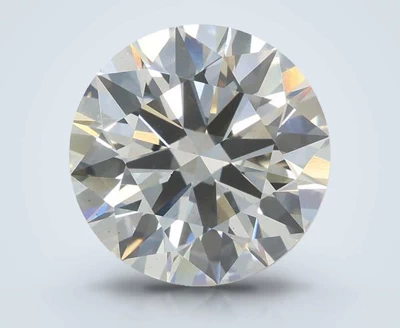
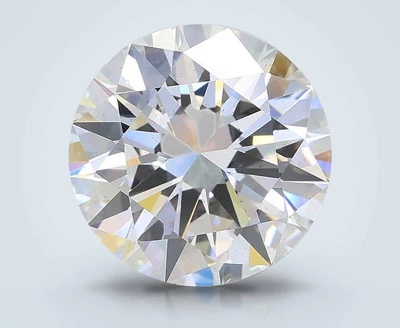
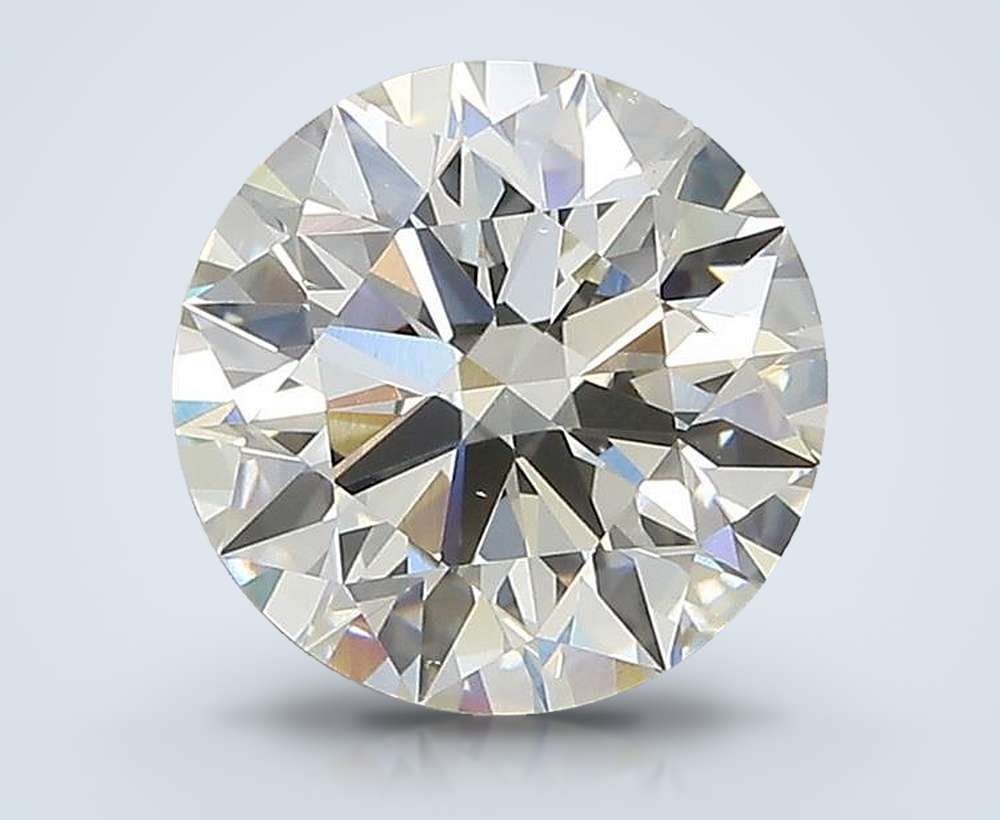
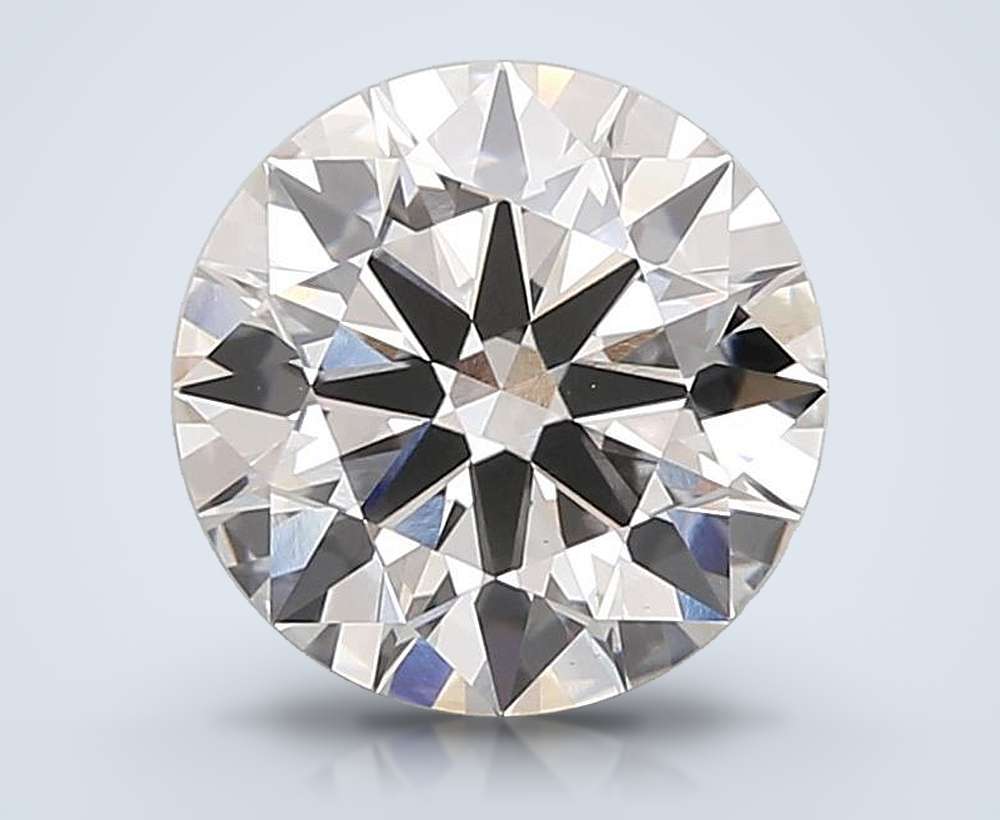
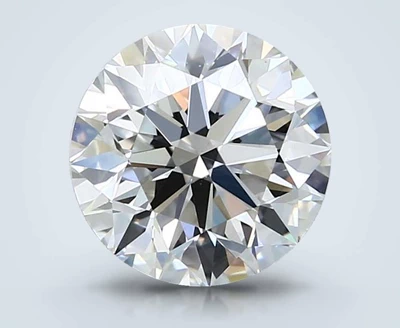
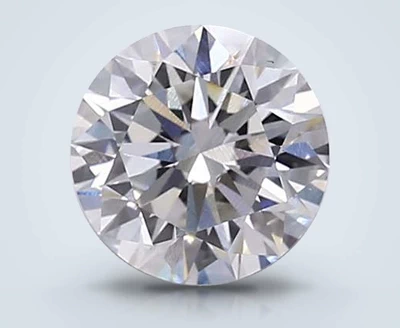
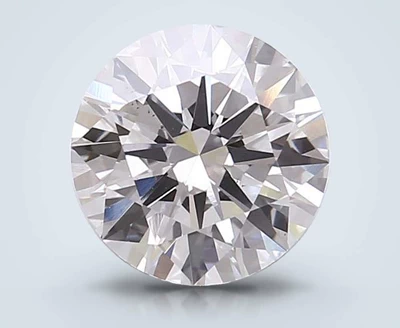
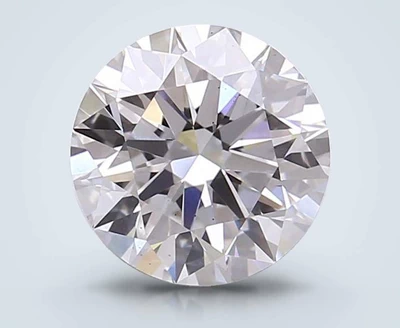
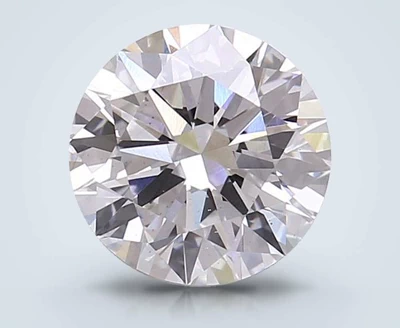
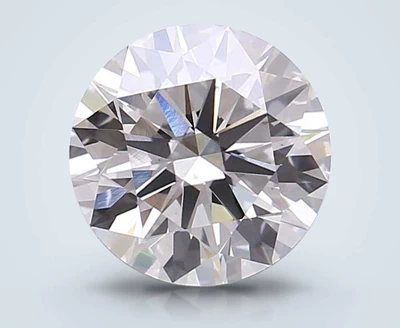
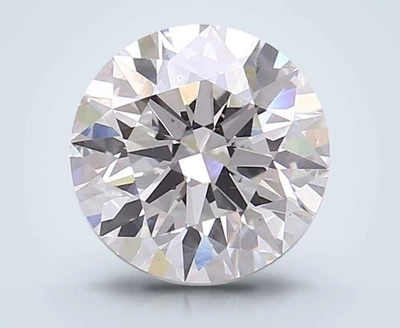
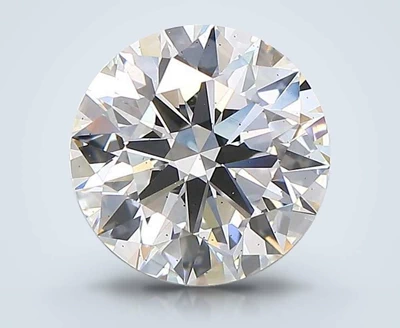
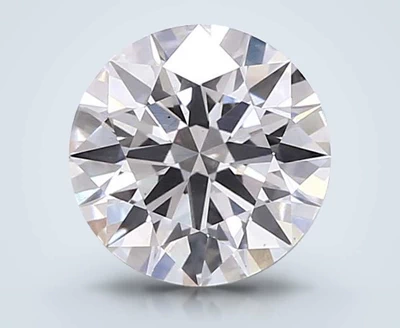
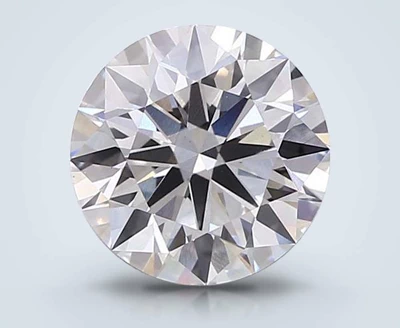
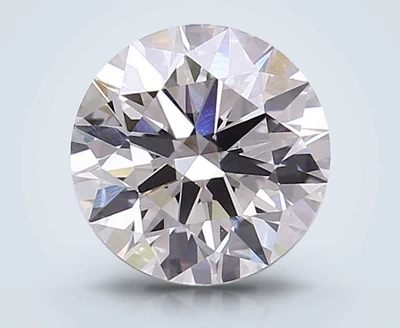
How large is 2.5 carats on the hand?
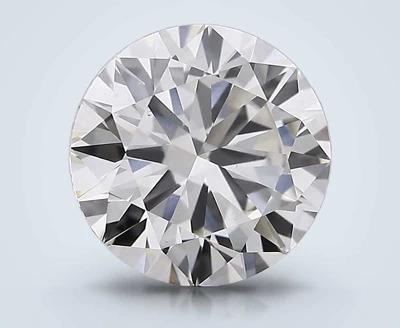
Large enough to read from a distance: about 8.7 mm across for a well cut round. That is more than half a millimeter wider than a 2 carat at about 8.1 mm and a little under the 9.3 mm of a 3 carat, so it gives a clear step past two carats without the extra height and heft of a three.
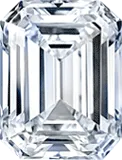
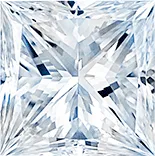
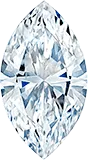
Shape changes the effect. In an oval, emerald or pear, a two and a half carat diamond runs along the finger and covers more of it, while a round or square cushion sits wide and full.
Clarity needs a closer look at 2.5 carats
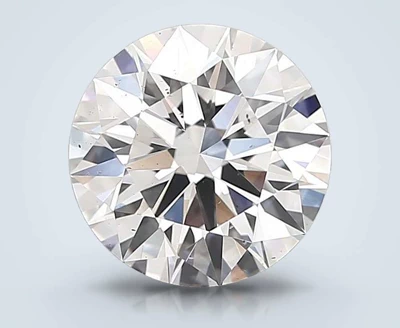
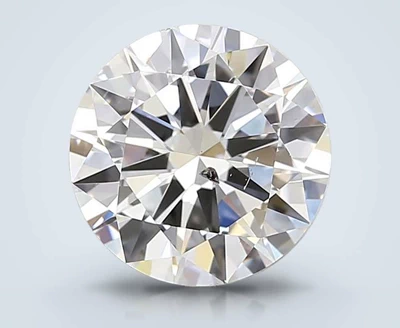
Bigger stones show inclusions more, because the table facet is wider and anything under it is easier to spot. VS2 is a reliable eye clean target for a round or oval at this size. Many SI1 stones still pass, but judge each one on its own: play the video, look under the table and skip any 2.5 ct lab diamond with a dark crystal near the center. For an emerald or asscher, raise the floor to VS1.
Choosing a 2.5 carat lab grown diamond by color and metal
Pick the metal first, then the color. Color shows more as size grows, and white gold and platinum reveal warmth more readily, so aim for colorless D to F or a G in those metals. Yellow and rose gold hide a warmer stone well, which lets H to J look bright.
Because a lab diamond costs far less than a mined stone at this size and grade, moving up one color grade is often within reach.
Settings and a natural comparison
Six prongs hold a center of this weight more securely and soften its outline, and a three stone setting flanks the center with two side diamonds for a bolder ring. If you are weighing a mined stone, natural 2.5 carat round diamonds cost more but hold value better on resale, and 3 carat lab grown diamonds show what the next half carat adds.
Rare Carat ships free and insured, and if the stone is not what you pictured, you can send it back free within 30 days.