What Is a Polki Diamond? | Rare Carat
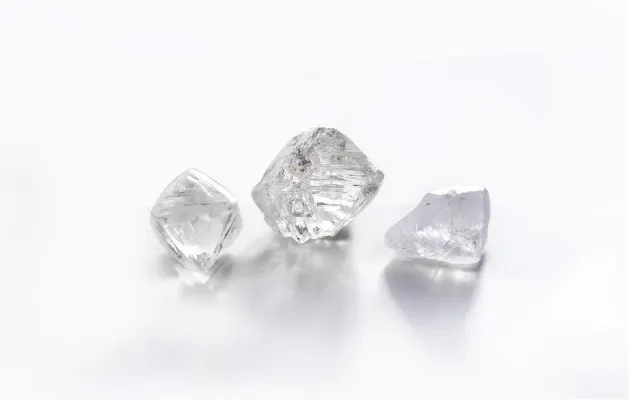
Polki refers to raw, uncut diamonds that lend a lustrous, subtle glow to stunning gemstone jewelry designs.
History
The art of diamond-cutting originated in India some 3000 years ago. Indian Mughals were among the first cultures to recognize the potential of minerals mined from the earth and incorporate their beauty into wearable objects.
Some gem minerals can be cut and polished with emery, a granular mix of hard minerals and oil, able to cut and polish stone. Diamond is unique in being the hardest gem mineral on earth, so this brought its own challenges to cutting and shaping.
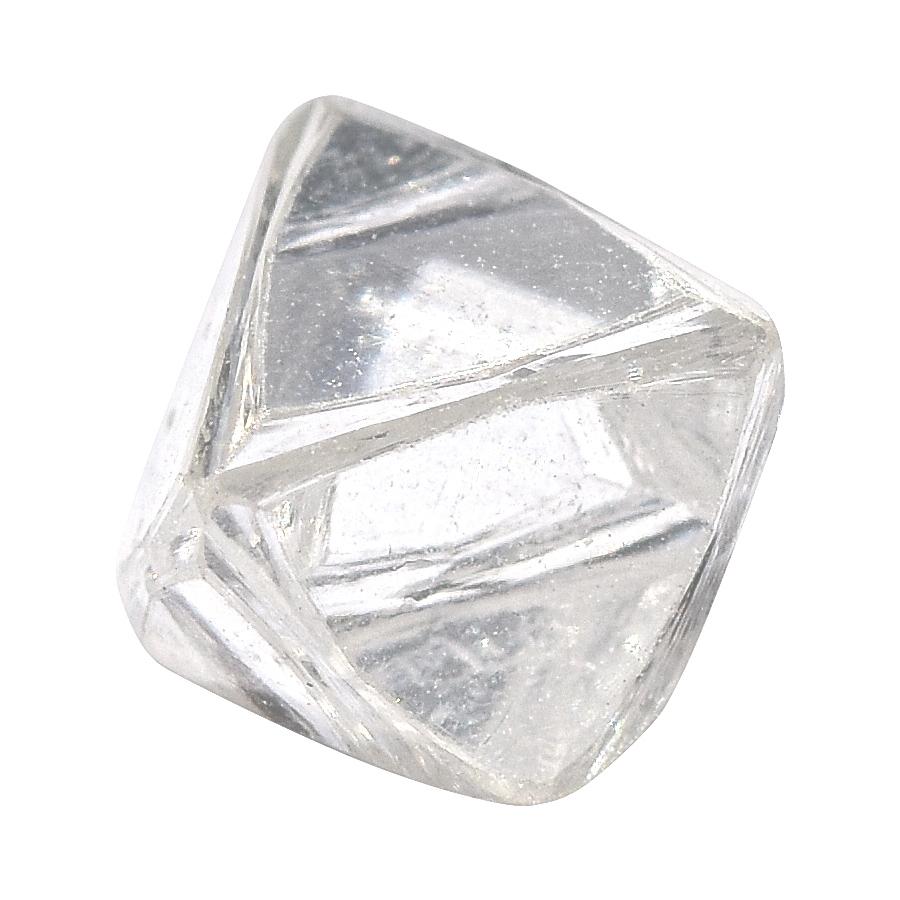 The raw, eight-sided diamond crystals (imagine a large grain of salt) could be split along cleavage planes (areas of natural weakness) yielding stones with one flat side and only a single point, making them easier to use in jewelry designs. The flat planes could be polished to a smooth surface using the traditional emery material, revealing a lustrous glow. Over time, polki diamonds became the cut of choice in Indian bridal jewelry.
Polki Diamonds in Jewelry
Polki diamonds can be set with either the point or the flat side facing forward. In traditional Indian designs, setting the broad, somewhat circular, polished side forward in multiple settings, arranged one after another, creates a regal look that any bride from any culture would envy.
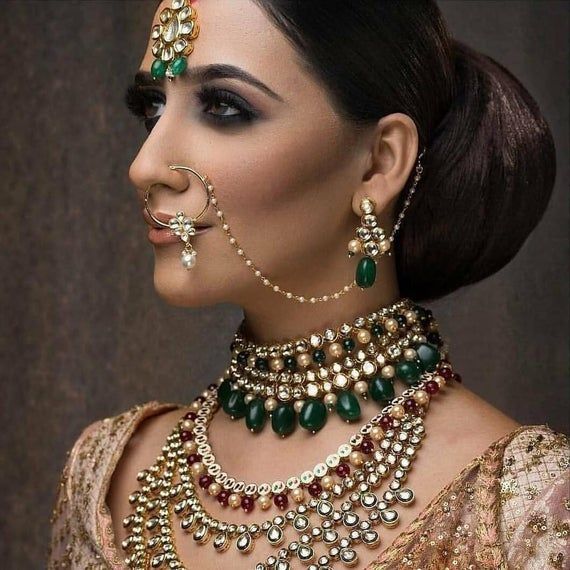
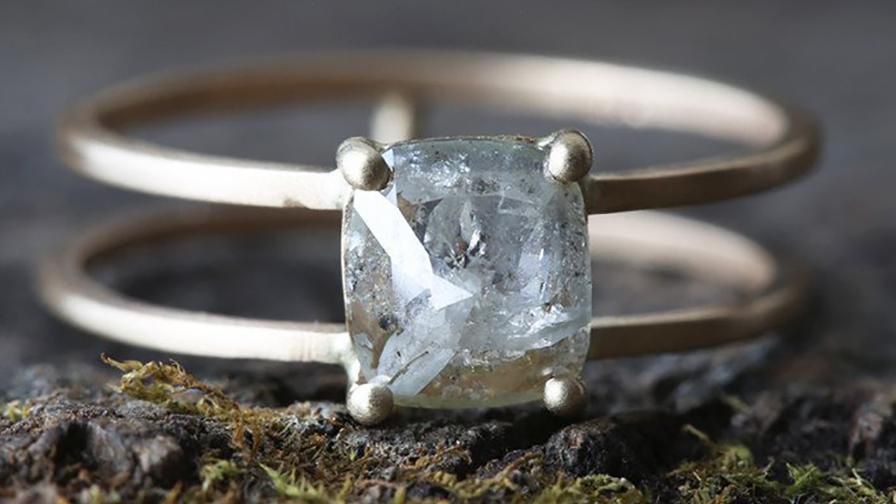
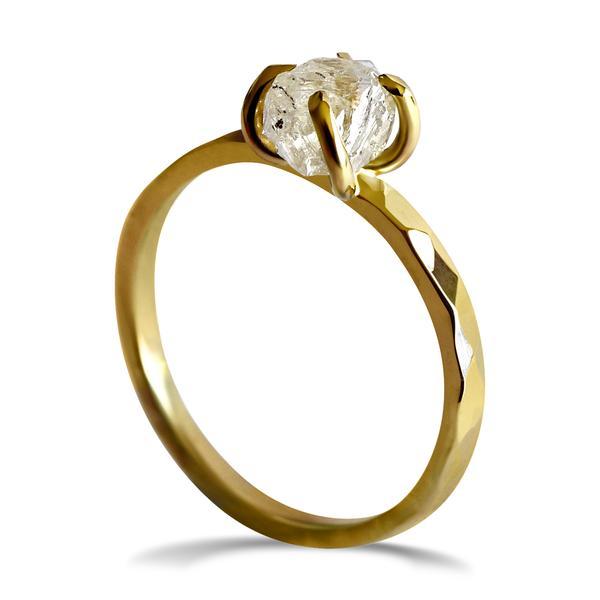
Contemporary Western designers are actively designing with polki diamonds in wedding jewelry. Marketing them as “raw diamonds,” modern-day designs appeal to couples drawn to their unusual look and a desire for authenticity. But be forewarned: polki diamond jewelry can be more costly than traditionally faceted stones.
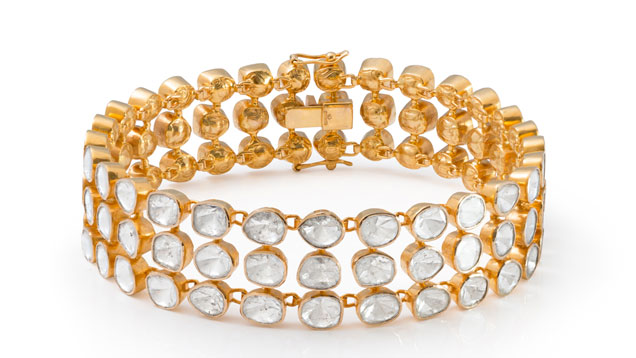
Because each stone is left in its natural state, settings must be crafted individually. Further, the polki design tradition tends to use multiple stones in repeated configurations, as above. The look is rich and luxurious, but to achieve it simply requires more material. To take full advantage of this unique cutting style, it’s worth it to go as far as you can take it.
What to look for in a Polki Diamond
When shopping for your polki diamond jewelry, look for light, uniform color with few visible inclusions, as color and clarity are the quality characteristics more highly prized than carat weight in this cut. When you purchase your polki jewelry, you’ll be taking part in a rich diamond heritage, like the Indian Mughals of ages past.
Related Articles:
- Learn about Diamond Shapes and Cuts
Can you explain Polki diamonds to me?
Where did Polki diamonds first become popular?
Are Polki diamonds used in modern Western designs too?

Polki Diamond FAQs