Lab vs Natural Diamonds
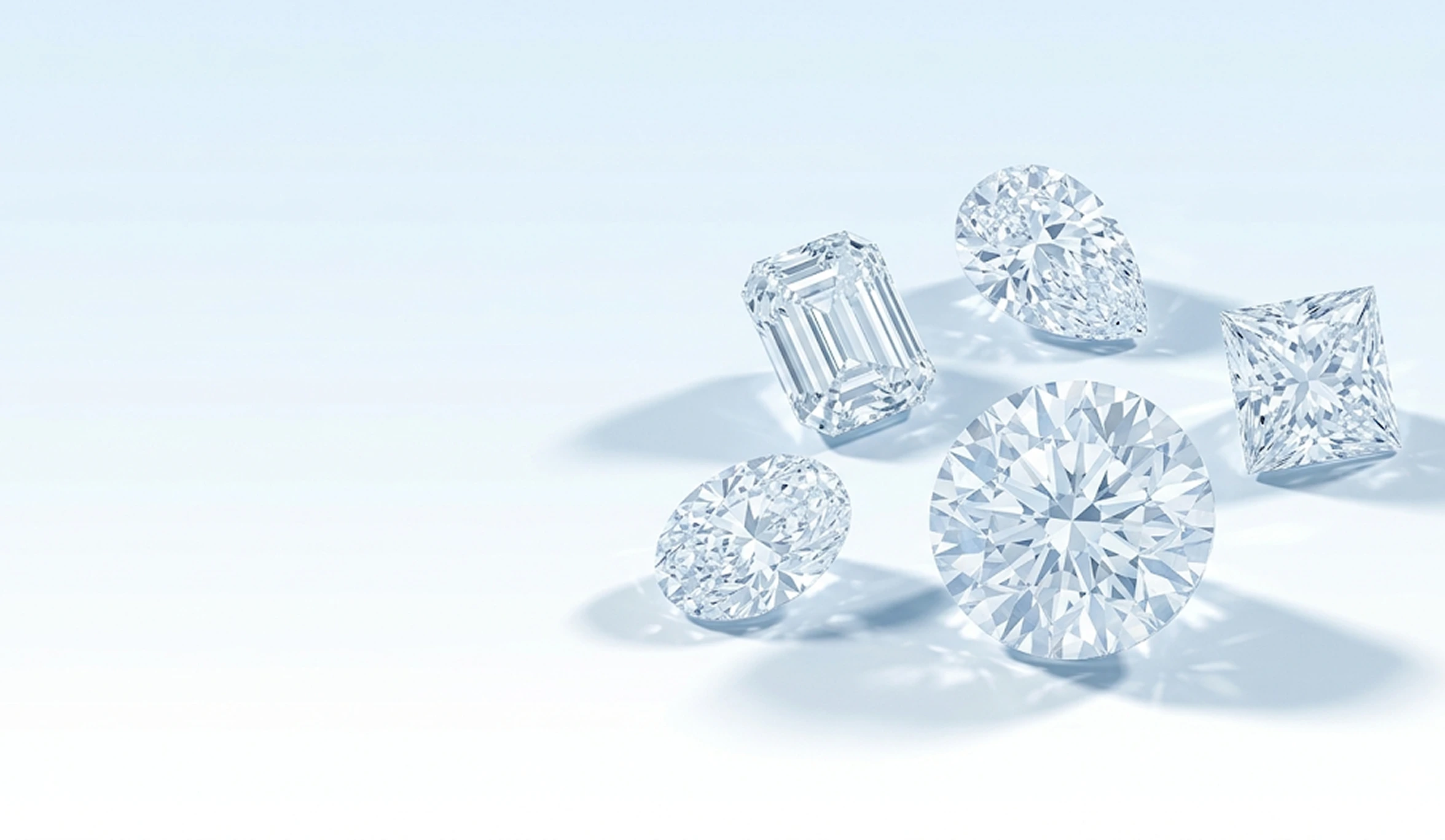
Learn the key differences between lab-grown and natural diamonds so you know what to choose between them.
 Money-back
 guarantee
 GIA certified
 diamonds
 #1 on
#1 on Trustpilot
Free insured
shipping
shipping
Lab vs Natural Diamonds
Learn the key differences between lab-grown and natural diamonds so you know what to choose between them.
Money-back guarantee
GIA certified diamonds
#1 on Trustpilot
Free insured
shipping
shipping
What’s inside this guide
- 01.Lab grown vs natural
- 02.Value & pricing
- 03.Visual difference
- 04.Certification & grading
- 05.FAQ's

Engagement rings
Tennis bracelets
Earrings
Eternity bands
Wedding rings
Lab diamonds
Necklaces

Men's bands
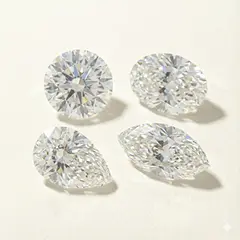
1 carat diamonds
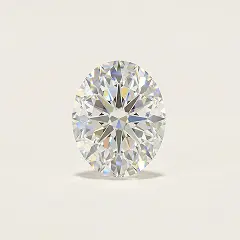
Oval diamonds
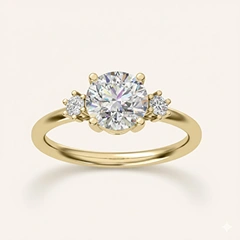
Three stone
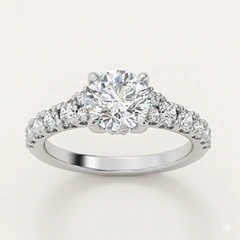
Pavé

Solitaire
Hidden Halo
Hoops

Stackable rings
Christian Siriano
Plain jewelry
Personalized jewelry
Pearl jewelry
Silver jewelry
01.Lab vs. Natural
Lab-grown vs. natural diamonds
This is one of the most-debated topics in the diamond business right now.
Lab-grown diamonds are chemically, physically, and optically identical to natural diamonds. They have the same crystal structure, hardness, and sparkle. The difference is in the origin: one formed over billions of years underground, the other was created in a lab over a few weeks. A certified gemologist would need specialized equipment to tell them apart.
So why the price gap? Jewelry quality natural diamonds are rarer and have supply chain constraints built in to keep prices artificially high. Lab-grown diamonds have scale and efficiency on their side. Neither is “fake” - they’re both real diamonds. It comes down to what you value.
RARE CARAT PRO TIP
There's no universally “right“ choice here. If you care about getting the biggest, most impressive stone for your budget, lab-grown is a no-brainer. If tradition, rarity, or long-term value matters to you, go natural. We carry both - because we think the choice should be yours, not ours.

Karly
GIA Gemologist · 15 years experience
Natural diamond
Lab-grown diamond
Composition
Pure carbon crystal
Composition
Pure carbon crystal
Hardness
10 (Mohs scale)
Hardness
10 (Mohs scale)
Visual difference
None, identical to the eye and under magnification
Visual difference
None, identical to the eye and under magnification
Price (1ct, Ideal)
$1,100 - $10,000
Price (1ct, Ideal)
$400 - $1,200
Resale value
Retain ~30% - 50%
Resale value
Lower than natural
Origin story
1-3 billion years, deep Earth
Origin story
2-6 weeks, laboratory
Environmental
Mining impact varies
Environmental
No mining
Certificate
GIA, IGI
Certificate
GIA, IGI, GCAL
Best for
Tradition, resale, heirloom
Best for
Value, size, ethical sourcing
Shop diamonds by shape
 Round
Round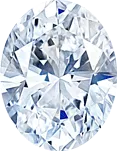 Oval
Oval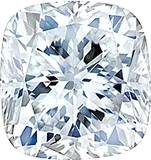 Cushion
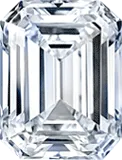 Emerald
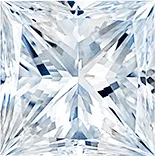 Princess
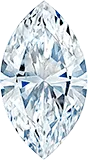 Marquise
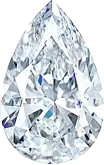 Pear
Pear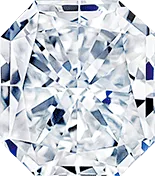 Radiant
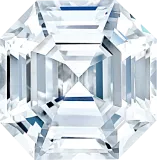 Asscher
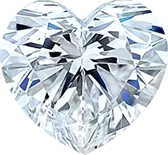 Heart
Heart02.Value & Pricing
Understanding the price difference
Because lab-grown diamonds do not have the same supply chain constraints and mining costs as natural diamonds, they are significantly more affordable.
On average, a lab-grown diamond can cost 50% to 80% less than a natural diamond of the exact same size and quality.
This means if you choose a lab-grown diamond, you can typically afford a much larger stone or a higher quality grade (better cut, color, and clarity) while staying within the same budget.
RARE CARAT PRO TIP
Choosing a lab-grown diamond allows you to significantly upgrade your carat weight without sacrificing color or clarity. You get the exact same optical and physical properties, just more sparkle for your spend!
Karly
GIA Gemologist · 15 years experience
Shop jewelry
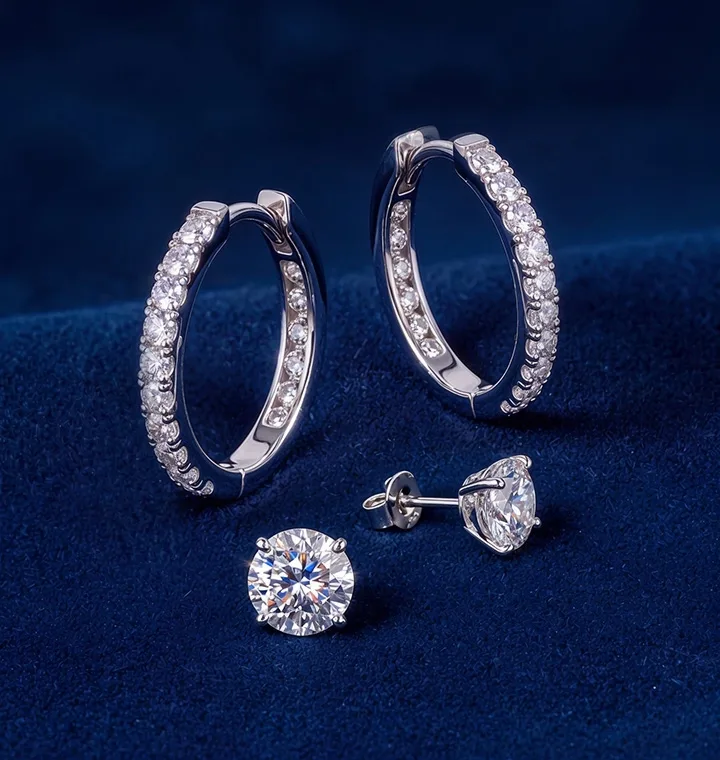
Earrings
Elevate your look with our stunning studs, hoops and drops
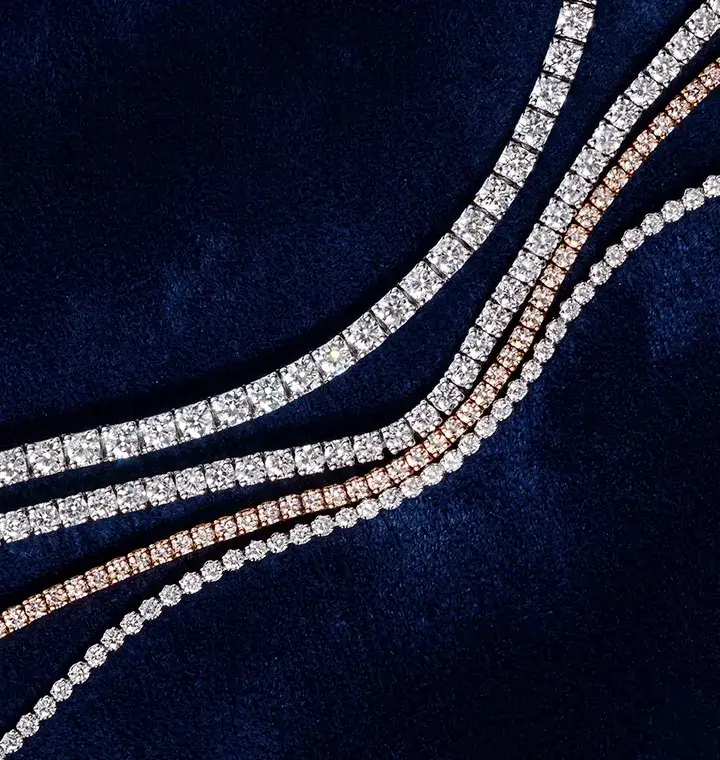
Bracelets
Sophisticated tennis, cuff, and bezel designs for every wrist
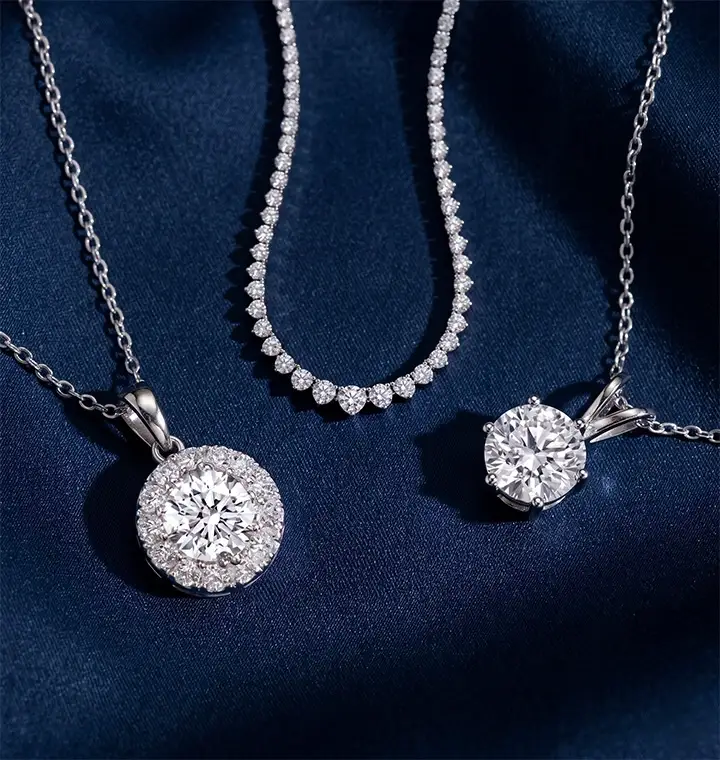
Necklaces
Elegant pendants and tennis necklaces for timeless style
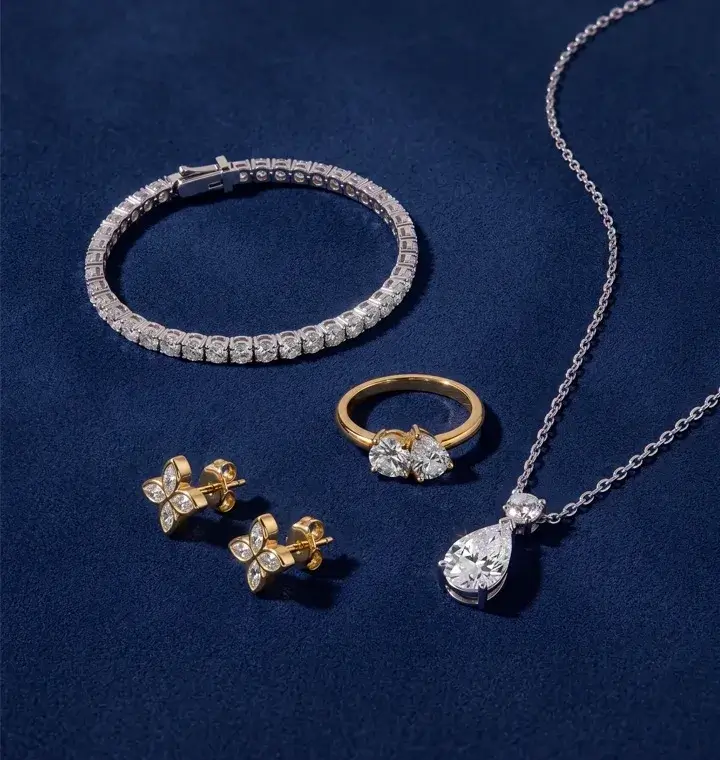
All jewelry
Unforgettable jewelry to celebrate life's most precious moments
03.Visual Difference
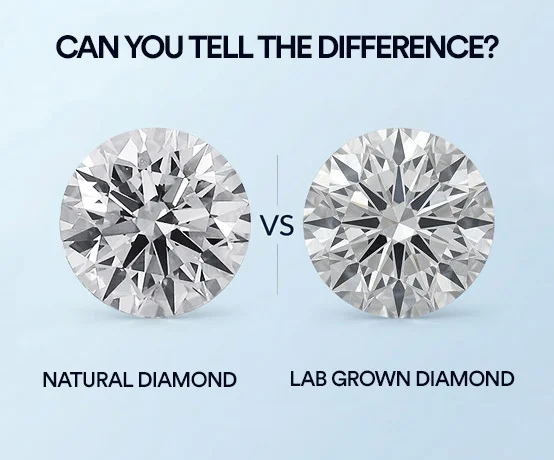
Can you tell the difference?
In most cases, it is extremely difficult to visually tell the difference between lab-grown diamonds and natural diamonds. Lab-grown diamonds possess the same physical, chemical, and optical properties as natural diamonds, making them nearly indistinguishable to the naked eye.
If you compare one earth mined and one lab created diamond of the same color and clarity, there is no difference. In fact, lab created diamonds have reached such fantastic qualities that even professional diamond graders without sophisticated equipment will have no chance of telling them apart.
Lab grown diamonds pass standard diamond testers since their thermal conductivity is identical to that of natural diamonds.
RARE CARAT PRO TIP
Even experienced gemologists need specialized equipment to tell the difference between a natural and lab-grown diamond. To the naked eye—and even under a standard jeweler's loupe—they are visually identical. Buy the diamond that looks most beautiful to you!
Karly
GIA Gemologist · 15 years experience
Spot the difference
One is a Natural diamond. One is Lab-Grown. Can you tell which is natural diamond?
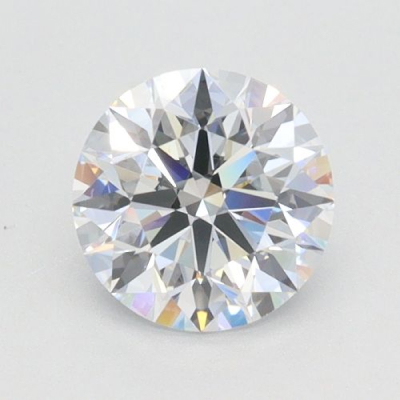
Diamond A
VS
Diamond B
04.Certification
Do lab diamonds get GIA graded?
While it is impossible by looking at the diamonds alone, gemological laboratories such as GIA and IGI have figured out reliable ways to test for them. With sophisticated pieces of equipment such as fluorescence patterns and infrared absorption spectroscopy, gemological labs can reliably separate LGD diamonds from naturally mined ones.
Yes, lab-grown diamonds can be certified by the Gemological Institute of America (GIA) or other reputable gemological laboratories. GIA offers grading reports for both natural and lab-grown diamonds.
The GIA grading report for lab-grown diamonds includes information about the diamond's color, clarity, cut, carat weight, and other relevant characteristics. This certification provides assurance and transparency regarding the quality and specifications of the lab-grown diamond. If you are ever in doubt about a diamond's origin, send it to a gemological laboratory and let the professionals handle it.
RARE CARAT PRO TIP
Always ensure your lab-grown diamond comes with an independent grading report from a reputable lab like GIA or IGI. This guarantees you are getting exactly the quality you paid for, and it provides peace of mind for your purchase.
Karly
GIA Gemologist · 15 years experience
Anatomy of a Lab Certificate
Just like natural diamonds, lab-grown diamonds receive official grading reports from top labs like IGI and GIA.
IGI
LABORATORY GROWN DIAMOND REPORT
IdentificationLaboratory-Grown
Clearly stated origin so you always know what you're buying.
Grading ResultsCarat, Color, Clarity, Cut
Graded on the exact same scale and strict standards as natural diamonds.
Inscription(s)LABGROWN IGI LG123456
A microscopic laser inscription on the diamond matches this report perfectly.
05 · FAQS
Frequently asked questions
Will a lab-grown diamond pass a diamond tester?
Do lab-grown diamonds have flaws like natural ones?
Can a jeweler tell the difference by looking at it?
Do lab-grown diamonds get cloudy or change color?
Why are lab-grown diamonds so much cheaper?
Ready to pick your perfect diamond?
Whether you choose the billions-of-years history of a natural diamond or the incredible value of a lab-grown diamond, our gemologists are here to help you find the perfect stone.