What is a Black Diamond? | Rare Carat
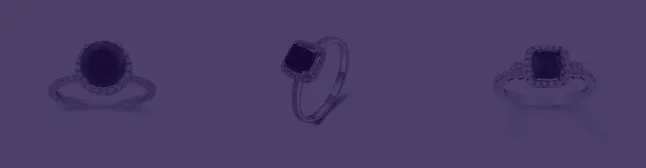
Black diamonds are not like other ‘fancy colored’ diamonds like blues, pinks and yellows. While those blues/pinks/yellows are a result of trace elements and the crystal lattice structure, a black diamond’s beauty comes from its imperfections.
Loaded With Carbon Spots
As you know by now, white diamonds often have little imperfections or blemishes in them called ‘inclusions’. Sometimes these inclusions are black, and most of us spend a lot of time making sure we avoid them. Except for when we want a black diamond. A black diamond in none other than a normal white diamond with a load of the black inclusions.
Not all black diamonds are created equal, and to help you understand which type is best for you, here’s a short breakdown of the different types of black diamonds on the market.
Types of Black Diamonds
1. Black Diamonds – These are the real deal, and have not been altered or enhanced in any way. They are more expensive than ‘treated’ black diamonds (see below), and a 1 carat black diamond will probably set you back about $3,000.
2.
3. 
2. Treated Black Diamonds – These are simply white diamonds that contained lots of black inclusions... just not enough to make the diamond naturally appear completely black (unlike the natural black diamonds above). Manufacturers enhance these ‘almost’ black diamonds through a process called irradiation. whereby the stone is exposed to radioactive treatments that actually darken the color. They don’t color them black however; the diamond comes out a very dark green. The treatment doesn’t negatively impact the composition of the diamond, and since natural black diamonds are so hard to come by most of the black diamonds on the market today are actually treated/enhanced.
The Takeaway
Two final things to be aware of. First of all, black diamonds tend to be harder to cut and polish so you need to be very careful that there are no visible chips or blemishes on the stone before you buy it.
What should I inspect carefully if I decide to buy a black diamond?
Can a black diamond sometimes cost less than a white diamond?
Are all black diamonds the same—or are there different types I should know about?

Black Diamond FAQs