Tips and Tricks
What You Need to Know About Cushion Cut Diamonds | Rare Carat
Summary
- Cushion cut diamonds are timeless (popular since the 1800s)
- Cushion diamonds are weight-efficient alternatives to round cuts
- Available in antique and modern styles, offering versatile options
- Ideal Cushion Cut Diamond Proportions (general guidelines) provided
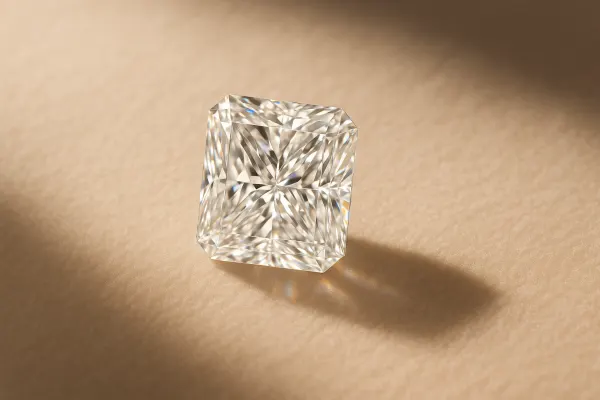
- Cushion cut diamonds have existed since the early 1800s, and there's a good reason for that. The cushion is a classic shape that also saves weight compared to a round cut diamond.
- There are different kinds of cushion cut diamonds, from antique cushion cuts to modern cushion cuts. There is definitely a cushion for every taste.
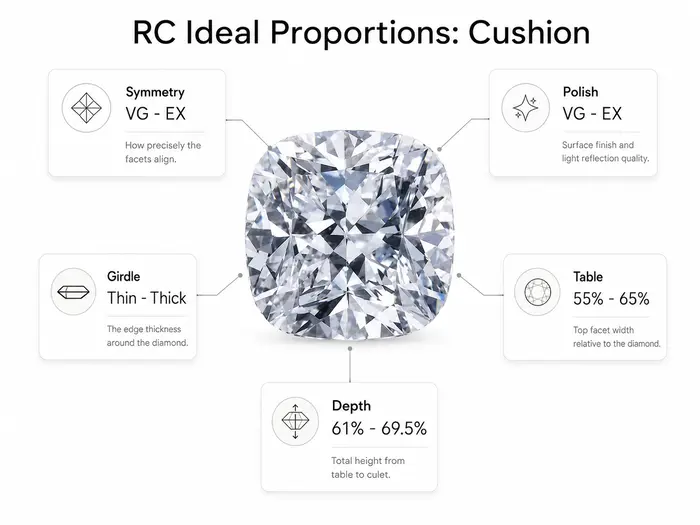
Learn more about cushion cut diamonds.
What should I watch out for in terms of color and clarity with cushion cuts?
Because cushion cuts often have larger facets and an open table, color tint and inclusions can show more easily. The article suggests going for a color grade of H or better if you want minimal color in a white-metal setting and checking clarity carefully to ensure the stone looks “eye-clean.”
Are cushion-cut diamonds cheaper compared with round cuts?
Yes—usually they cost less per carat than a comparable round brilliant. Because they waste less rough stone during cutting, you often get better value while keeping a stunning, classic look.
What about proportions and style variations—do they matter for cushion cuts?
Absolutely. Cushion cuts come in a variety of facet “looks” (for example, “crushed ice” vs. more classic facet patterns) and different length-to-width ratios. What matters most is how the diamond looks live, rather than strictly relying on numbers. For example, a slightly elongated ratio (e.g., ~1.10) is popular, but going too elongated may affect the appearance.
Not sure where to start? Read our guarantee

Cushion Cut Diamond FAQs